Introduction
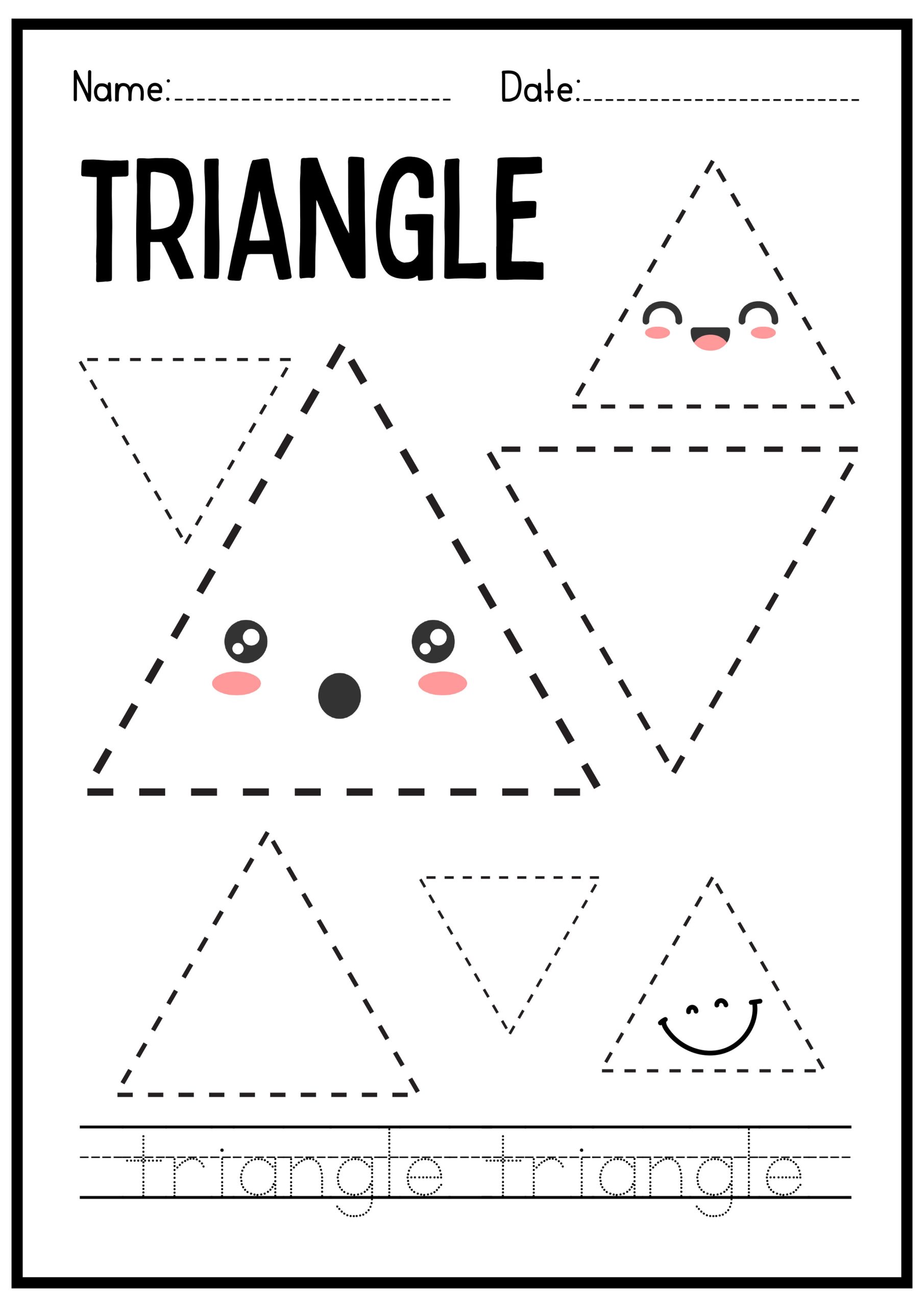
Every day in early childhood classrooms and occupational therapy clinics, adults witness a fascinating phenomenon: toddlers eagerly attempt to draw or write long before their hands possess the refined muscle control to do so reliably. According to the American Occupational Therapy Association, foundational fine motor control develops through consistent engagement with purposeful, hands-on tasks that build intrinsic hand strength. Mastering early graphic skills requires stepping stones far more basic than traditional letters and numbers. Geometric shapes serve as the ultimate bridge between unstructured scribbling and controlled writing. Introducing a triangle worksheet for 2 year olds offers a targeted way to build early hand-eye coordination, spatial awareness, and pencil control through engaging visual geometry.
💡 Educational Key Takeaways:
- Core Skill: Structured Triangle Worksheet For 2 Year Olds focused on developing pencil grip, stroke control, and early literacy/math confidence.
- Target Scope: Suited for homeschoolers, preschool, kindergarten, and elementary learners.
- Best Recommendation: Practice 10–15 minutes daily with ergonomic writing tools to reinforce muscle memory without hand fatigue.
What This Worksheet Covers
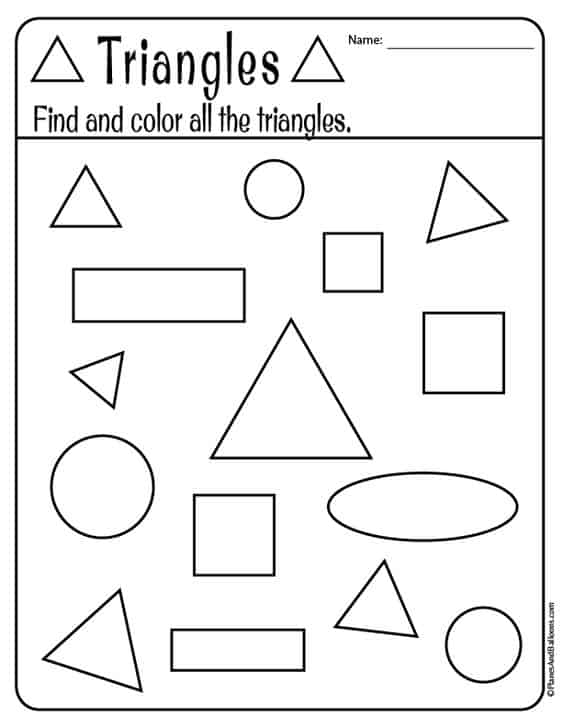
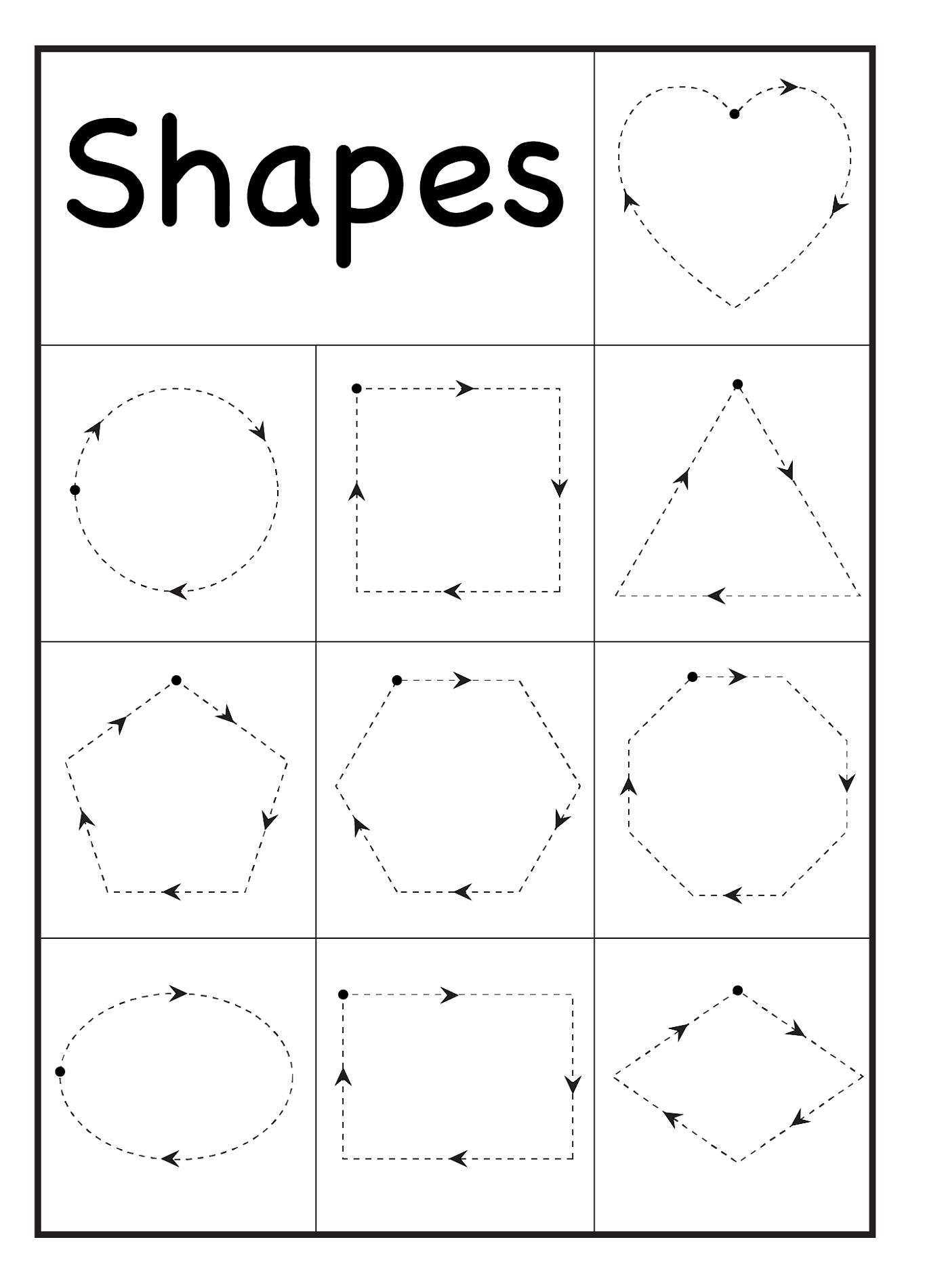
This specific printable focuses on introducing the foundational strokes required to form geometric shapes, specifically the three straight lines and distinct corners that define a triangle. Unlike standard coloring pages, this material presents bold, simplified outlines that guide a young child’s hand movements across the page. It targets visual-motor integration, teaching tiny hands how to stop, change direction, and start a new line segment. Many children recognize shapes long before their fine motor skills can accurately form them on paper, which makes guided tracing layouts essential for bridging this cognitive-motor gap. The physical design emphasizes thick boundary lines, generous spacing, and uncluttered layouts to prevent visual overload during early tracing sessions.
Key Learning Outcomes
Engaging regularly with shape-based tracing supports several critical developmental milestones essential for future academic success. Children strengthen their bilateral coordination by stabilizing the paper with one hand while the dominant hand executes the tracing motion. Visual tracking improves significantly as eyes learn to follow directional paths from top to bottom and left to right across the page. Hand strength increases naturally as toddlers apply steady, controlled pressure to crayons or thick markers rather than relying solely on gross arm movements. Furthermore, spatial perception deepens as young learners internalize the concept of corners, angles, and enclosed spaces, laying vital groundwork for both mathematical reasoning and letter formation.
How to Use This Worksheet
Success with early childhood printables depends entirely on creating a low-stress, highly engaging environment that respects toddler attention spans. Printing the page on heavy cardstock or slipping it inside a reusable dry-erase pocket allows children to practice without the frustration of tearing thin paper. Thicker writing utensils, such as short broken crayons, golf pencils, or triangular markers, naturally encourage an appropriate grasp by limiting where tiny fingers can rest. Adults should keep sessions brief, lasting only a few minutes at a time, and prioritize enthusiasm over rigid perfection. Letting toddlers trace with a wet finger or a cotton swab dipped in paint can also transform a standard worksheet into an interactive sensory experience.
Practical Tips for Parents and Teachers
Adults play a powerful role in scaffolding these early attempts without taking over the physical process. Modeling the correct stroke in the air or directly on the page before inviting the child to try helps clarify the directional expectation. When resistance or fatigue appears, gently transition away from the task rather than forcing completion, keeping the overall association with writing positive. Scaffolding might involve gently guiding the toddler’s hand through the first corner, while extending the challenge could mean asking the child to find triangular objects hidden around the room. Positive reinforcement should always focus on effort and persistence rather than whether the crayon stayed completely inside the dotted lines.
Age-Appropriate Recommendations
For children aged two to four, the primary objective is exploring sensory feedback, building palmer or digital grasps, and making random or vertical marks within visual boundaries. According to the National Association for the Education of Young Children guidelines on developmentally appropriate practice, toddlers learn best through active exploration and concrete materials rather than abstract drill-and-kill paper tasks. For older preschoolers and kindergarteners aged five to eight, similar geometric tracing sheets serve as a refined warm-up to master pencil pressure, crossing the midline, and fluid stroke production. Educators can easily integrate these resources alongside broader collections found within Shape and Line Tracing activities to ensure a well-rounded pre-writing curriculum.
Children develop foundational visual-motor integration skills through repeated, playful interactions with simple geometric shapes and lines — American Occupational Therapy Association
Frequently Asked Questions
Getting started with early childhood printables is straightforward when utilizing resources designed specifically for emerging skill levels. The answers below address common questions regarding access, developmental benefits, and professional standards in early education.
Explore More Free Printable Tracing Worksheets
Supporting a young learner’s journey from tentative scribbles to confident handwriting requires a diverse library of engaging, accessible materials. Beyond basic shapes, expanding practice into specialized areas helps maintain high motivation and targeted skill growth. Educators and parents can discover a wide variety of supplemental tools spanning diverse categories, including resources tailored for Fine Motor and Pre-Writing Skills as well as seasonal fun found under Seasonal and Fun Themes. For comprehensive literacy and numeracy support, explore the complete collection of free learning tools available directly at KidTraces.com to find everything necessary for a thriving early education environment.
Developmental Milestone & Activity Table
| Development Stage | Recommended Daily Duration | Primary Learning Objective |
|---|---|---|
| Preschool & Pre-K | 10 – 15 Minutes | Pencil grip development & basic pre-stroke lines |
| Kindergarten | 15 – 20 Minutes | Letter/number formation & spatial line awareness |
| Early Elementary (Grade 1–2) | 20 – 30 Minutes | Fluency, sentence construction & neatness |
Images References