Introduction
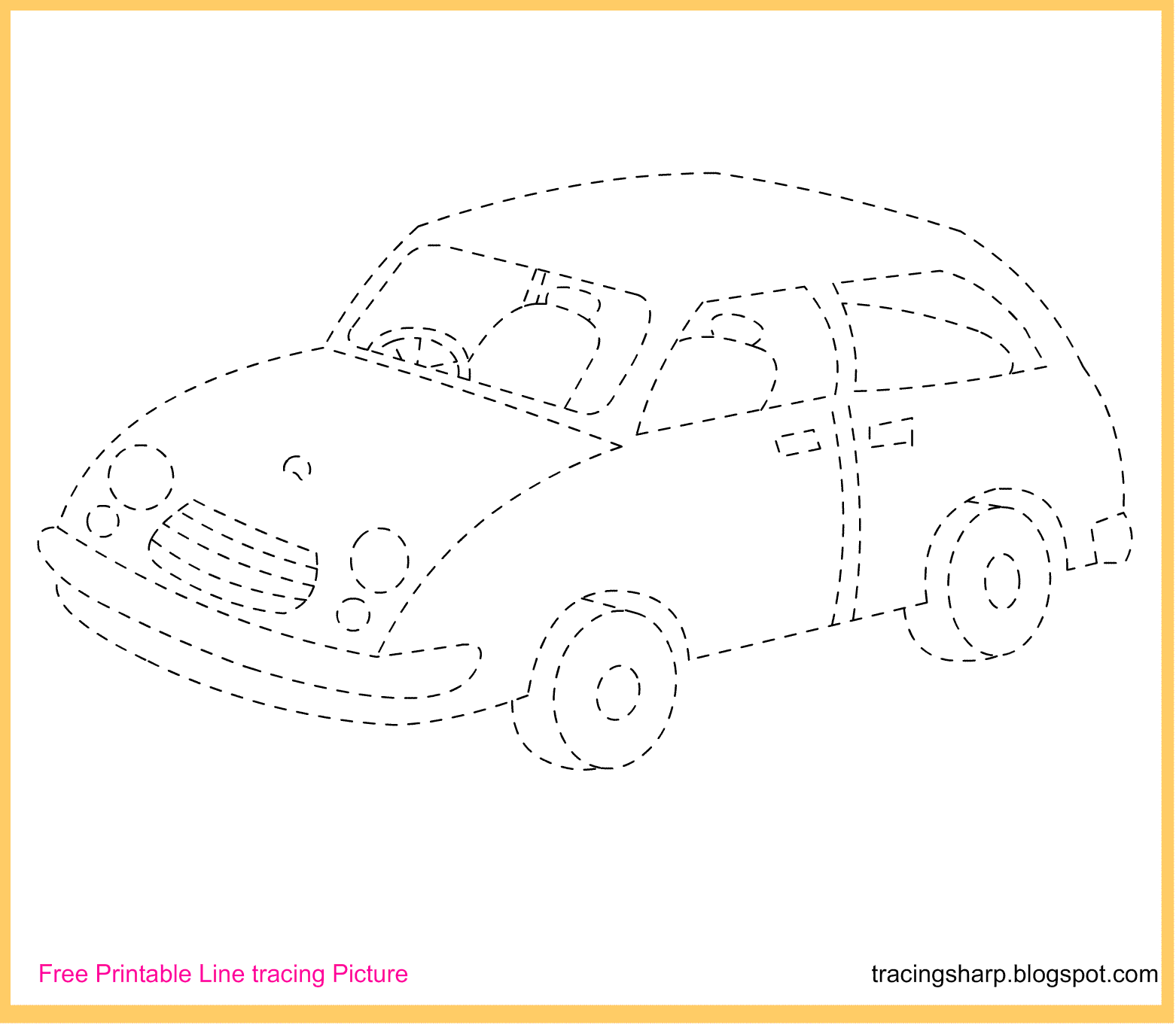
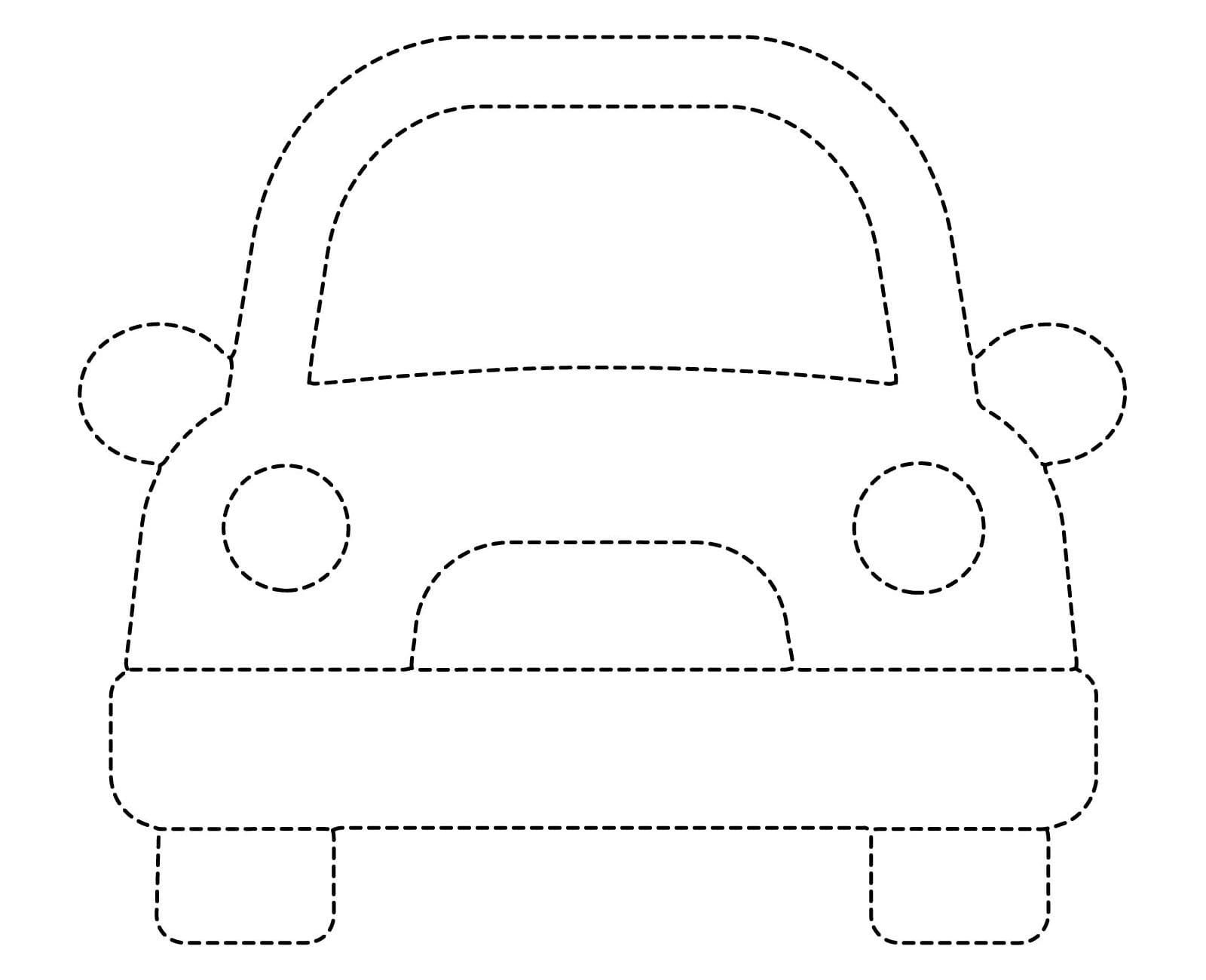
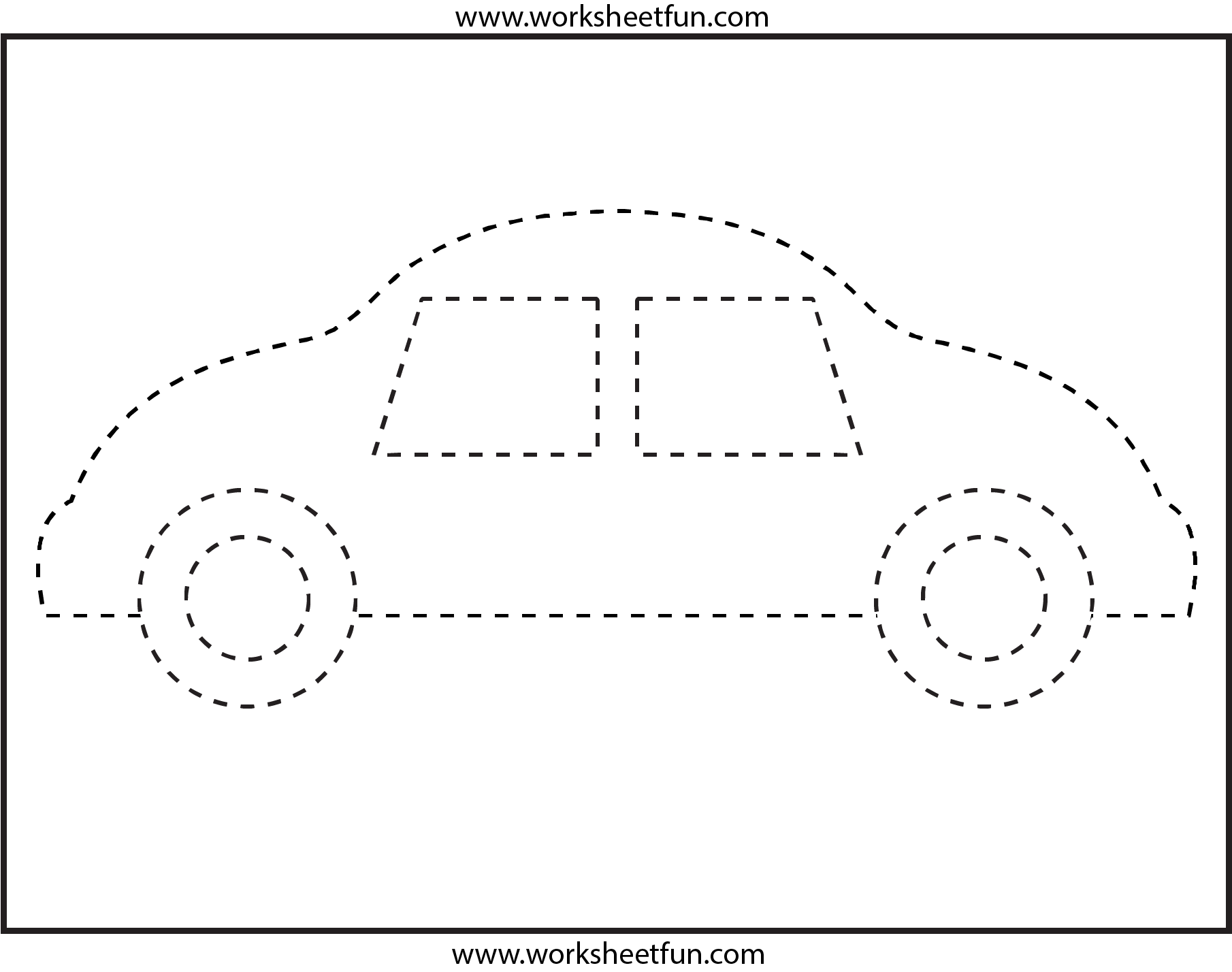
Many children recognize letters and symbols long before their fine motor coordination and hand strength allow them to successfully replicate those shapes on paper. According to the American Occupational Therapy Association, foundational fine motor control relies on core stability, shoulder strength, and precise hand-eye coordination that develops progressively during early childhood. Children want to write, create, and interact with text and symbols, but their bodies require the right physical preparation to bridge that gap. Playful, structured pre-writing tools serve this exact purpose by transforming abstract pencil control into an engaging, high-interest journey. The free printable simple circle and line tracing for a car provides this vital bridge, combining the universal fascination with vehicles with targeted early childhood skill acquisition. It sounds simple, and that is the point. When children guide a pretend automobile along carefully designed tracks, they build the precise neurological and muscular pathways needed for future handwriting success without the frustration of rigid, rote instruction.
💡 Educational Key Takeaways:
- Core Skill: Structured Simple Circle And Line Tracing For A Car focused on developing pencil grip, stroke control, and early literacy/math confidence.
- Target Scope: Suited for homeschoolers, preschool, kindergarten, and elementary learners.
- Best Recommendation: Practice 10–15 minutes daily with ergonomic writing tools to reinforce muscle memory without hand fatigue.
What This Worksheet Covers
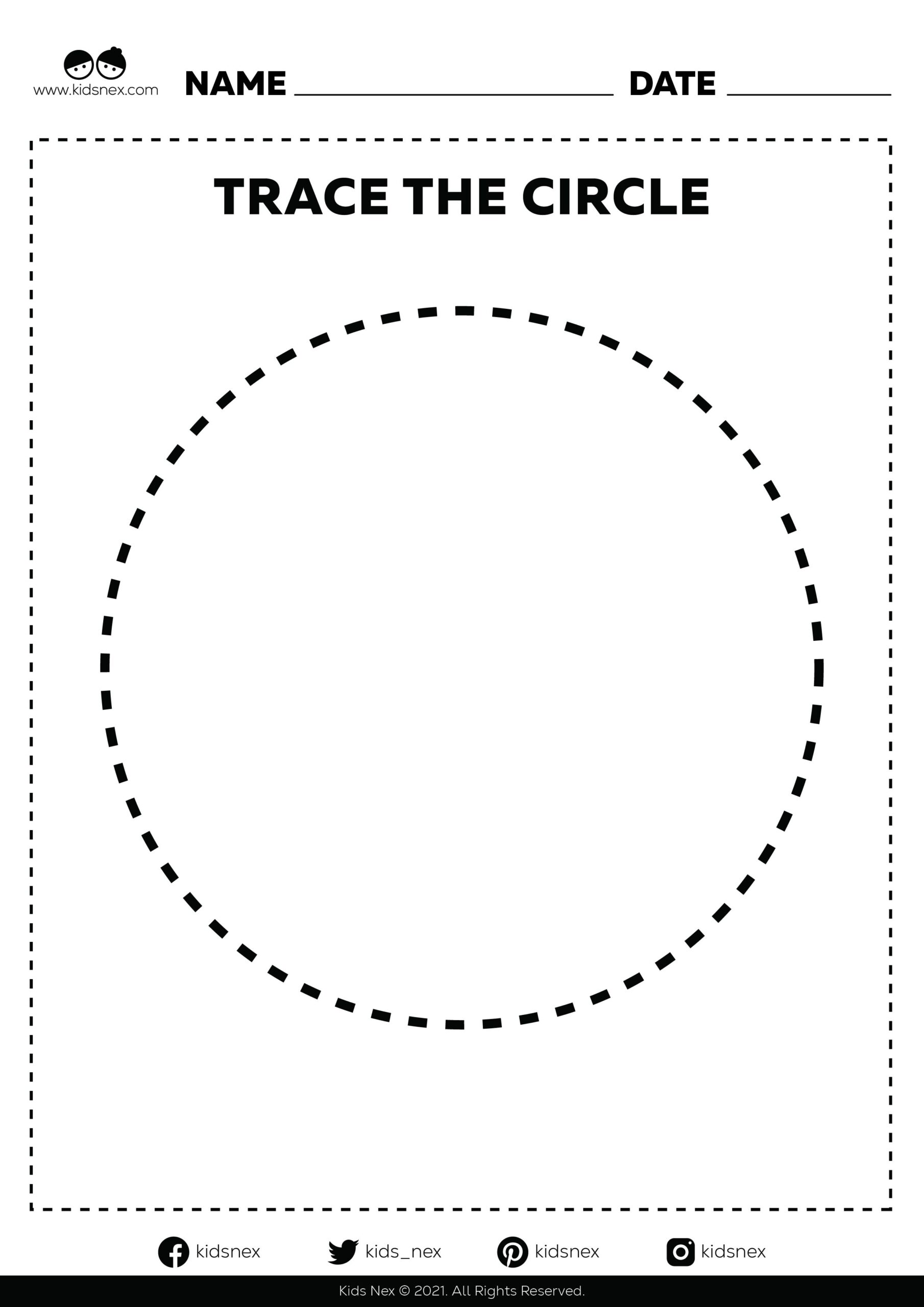
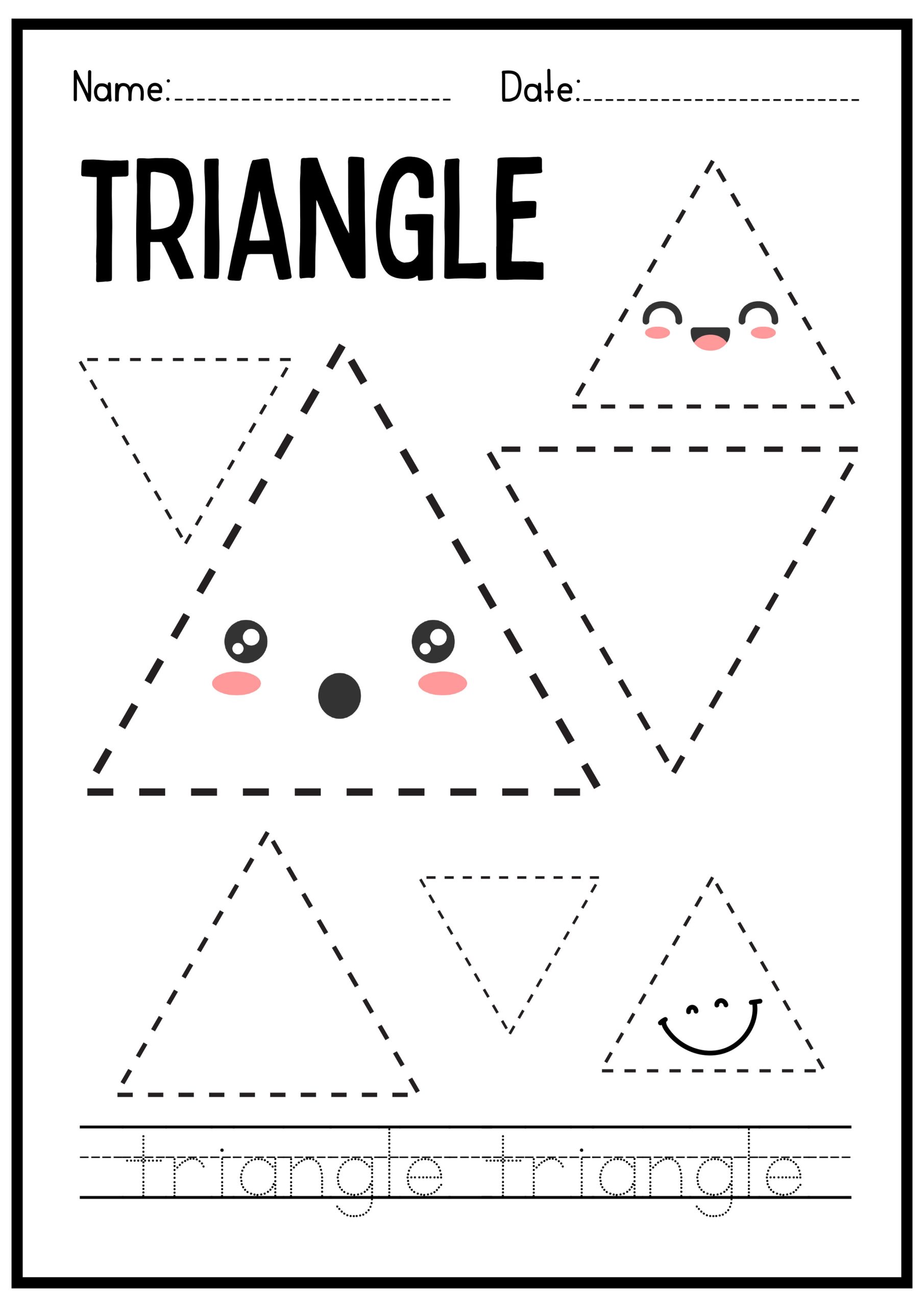
This resource focuses on foundational pre-writing strokes, specifically vertical lines, horizontal paths, and continuous circular motions that mimic wheels and winding roadways. By integrating a familiar thematic element—driving a car along a designated route—the layout encourages children to apply steady downward pressure and continuous visual tracking from left to right. Young learners often struggle with directional consistency, frequently jumping around the page or lifting writing utensils prematurely. The layout addresses this hurdle by providing clear visual start points and continuous pathways that naturally guide the hand through each stroke. Furthermore, mastering these basic geometric shapes directly supports the broader development of essential Shape and Line Tracing curricula found in early education settings.
Key Learning Outcomes
Engaging with this printable directly nurtures bilateral coordination, visual-motor integration, and sustained attention span as learners steer their imaginary vehicles from point to point. As young hands navigate sharp corners and smooth loops, they actively refine intrinsic hand muscle tone and finger dexterity, which are critical precursors to holding a pencil with a mature tripod grasp. According to Reading Rockets, systematic visual tracking and stroke control exercises lay the necessary groundwork for accurate letter formation and reading fluency. Children also cultivate directional awareness, learning to track from left to right across the page in preparation for formal reading and writing tasks. Ultimately, these purposeful motions translate into greater confidence and reduced physical fatigue during extended classroom writing activities.
How to Use This Worksheet
Successful implementation relies on keeping the experience pressure-free, exploratory, and deeply engaging for the child. Adults can introduce the activity by asking children to make engine sounds or narrate the journey of the car along the tracks, turning a mechanical tracing task into an imaginative adventure. It helps to start with larger, gross-motor arm movements in the air before bringing pencil to paper, allowing the brain to map the trajectory of the lines and circles. If a child demonstrates frustration or hand fatigue, pausing the activity or switching to a thicker writing tool prevents negative associations with writing practice. Exploring related activities within Fine Motor and Pre-Writing Skills can provide additional variety to keep young learners motivated.
Practical Tips for Parents and Teachers
Adults should actively model an efficient pencil grip, ensuring the thumb and index finger oppose each other while resting comfortably on the lower shaft of the writing utensil. Scaffolding the activity appropriately means offering thick crayons or short stubby pencils first, as these naturally encourage a proper grasp by limiting where tiny fingers can hold the tool. For children who struggle with staying on the path, placing a small toy car physically over the printed lines allows them to drive the vehicle across the page before ever attempting to trace with a marker. Extending the lesson is just as easy; laminating the page or slipping it into a clear dry-erase sleeve allows learners to practice their loops and straight lines repeatedly without the constraint of permanent marks. For further thematic inspiration, educators often pair these exercises with resources from Seasonal and Fun Themes to maintain high interest levels throughout the academic year.
Age-Appropriate Recommendations
For toddlers and younger preschoolers aged two to four, the focus aligns closely with the National Association for the Education of Young Children Developmentally Appropriate Practice guidelines, emphasizing gross motor engagement, sensory exploration, and large circular scribbles. At this stage, adults should accept all attempts at tracing without demanding perfection, celebrating the sheer effort of keeping a crayon roughly near the printed road. For older children aged five to eight, the expectations shift toward precision, directional control, and maintaining a fluid, continuous stroke without lifting the writing tool unnecessarily. During these early elementary years, tracing activities serve as a reliable warm-up tool before transitioning into formal spelling or handwriting lessons found in standard Tracing Worksheets libraries.
Foundational fine motor control relies on core stability, shoulder strength, and precise hand-eye coordination — American Occupational Therapy Association
Frequently Asked Questions
Clear guidance helps parents and educators maximize the benefits of pre-writing practice while keeping preparation simple and efficient.
Explore More Free Printable Tracing Worksheets
Supporting a child’s early literacy and physical development journey is a rewarding and continuous process. Exploring a wide variety of printable resources ensures that learning remains fresh, challenging, and tailored to individual developmental milestones. Educators, parents, and homeschoolers can discover an extensive collection of educational materials designed to foster lifelong learning and confidence at KidTraces.com today.
Developmental Milestone & Activity Table
| Development Stage | Recommended Daily Duration | Primary Learning Objective |
|---|---|---|
| Preschool & Pre-K | 10 – 15 Minutes | Pencil grip development & basic pre-stroke lines |
| Kindergarten | 15 – 20 Minutes | Letter/number formation & spatial line awareness |
| Early Elementary (Grade 1–2) | 20 – 30 Minutes | Fluency, sentence construction & neatness |
Images References