Introduction
Many children recognize numerals and can count aloud long before their hands possess the strength and dexterity required to form those digits on paper. According to the American Occupational Therapy Association, foundational fine motor control and visual-motor integration are critical prerequisites for successful handwriting and numeral formation. Bridging this gap requires structured, repeatable practice that respects physical development. The free printable tracing number 1 100 worksheets offer an intentional bridge between cognitive readiness and physical execution. Through guided repetition, young learners build the muscle memory necessary for fluid, legible writing across all numeric symbols.
💡 Educational Key Takeaways:
- Core Skill: Structured Tracing Number 1 100 Worksheets focused on developing pencil grip, stroke control, and early literacy/math confidence.
- Target Scope: Suited for homeschoolers, preschool, kindergarten, and elementary learners.
- Best Recommendation: Practice 10–15 minutes daily with ergonomic writing tools to reinforce muscle memory without hand fatigue.
What This Worksheet Covers
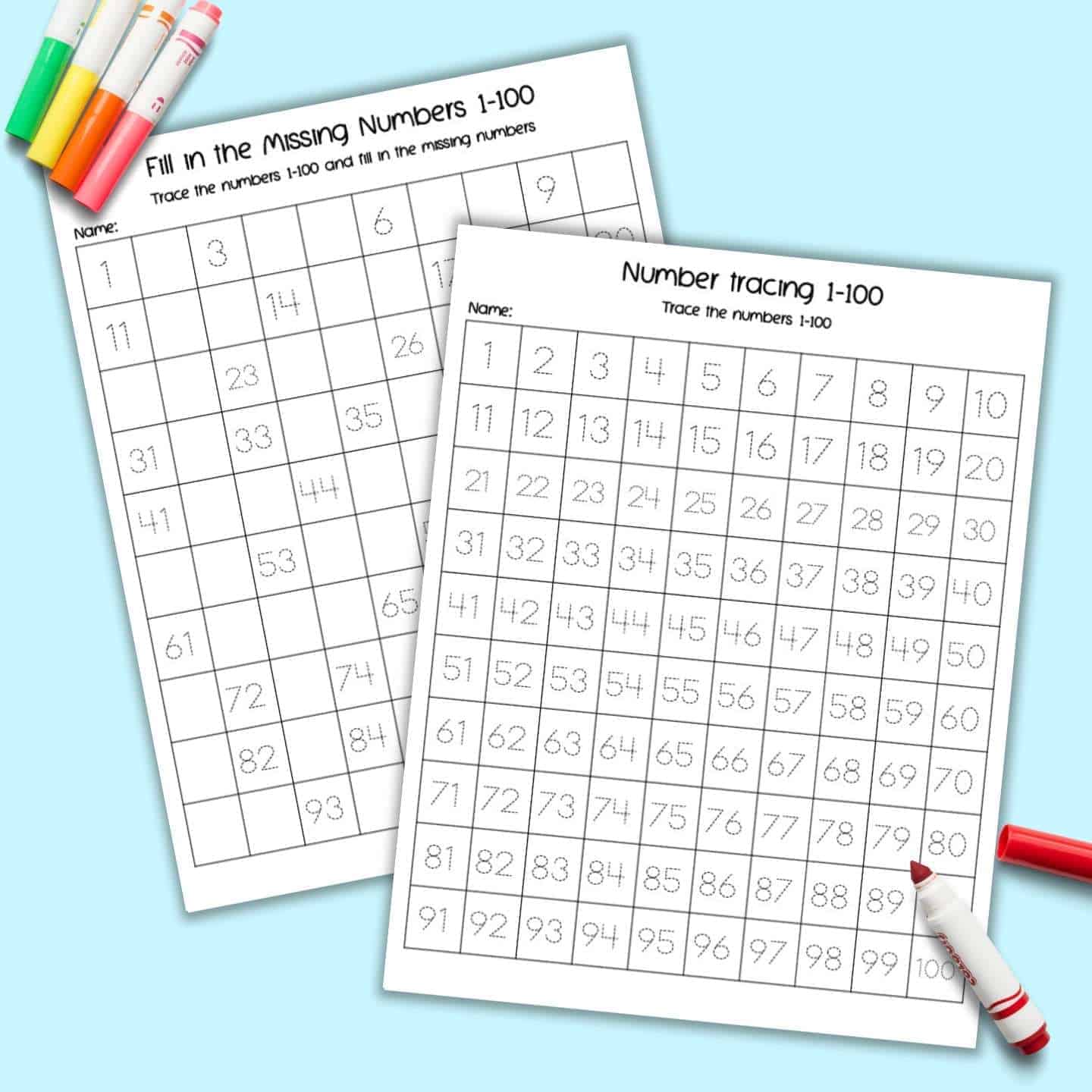
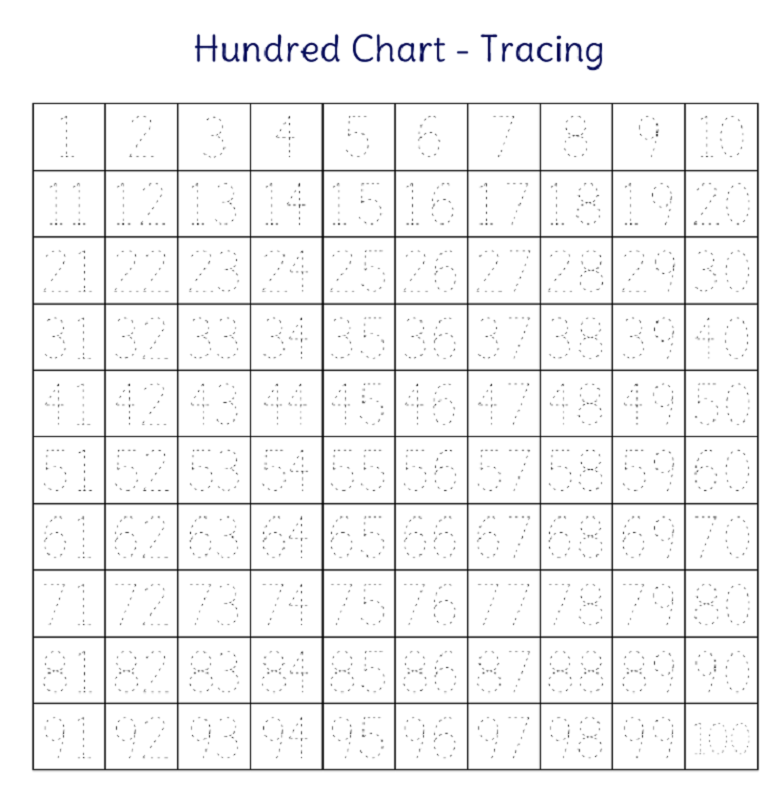
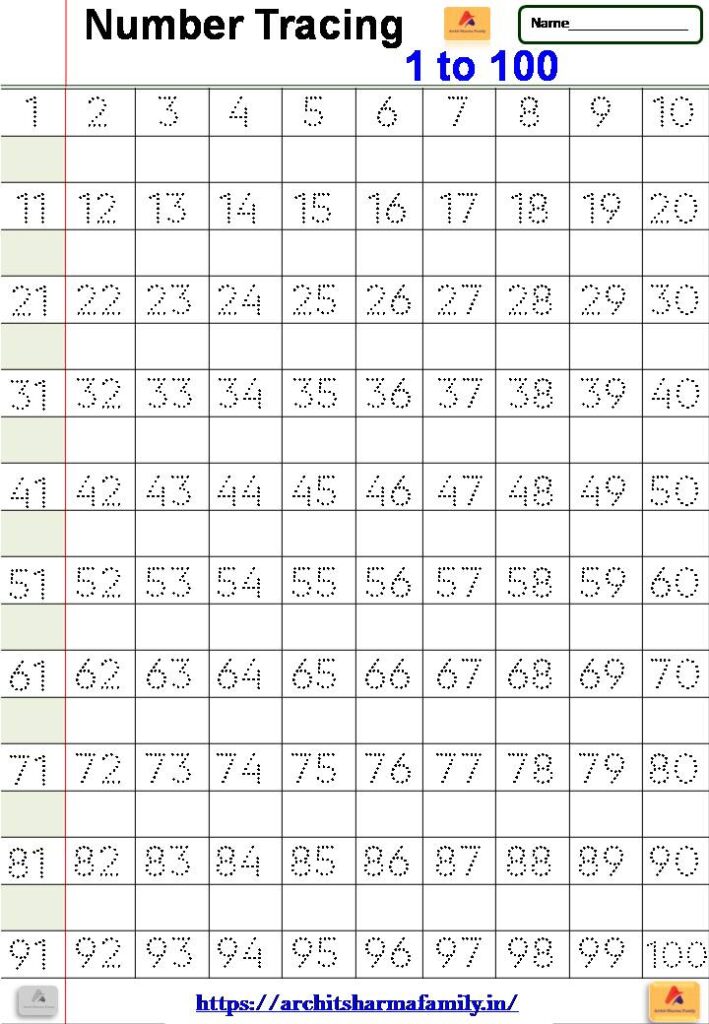
Mastering numerical symbols demands more than simple rote memorization; it requires precise spatial awareness, directional stroke control, and consistent sizing. This comprehensive collection guides children sequentially from the foundational digits up to the century mark, establishing rhythm and confidence along the way. Every page provides clear visual anchors, directional arrows, and properly proportioned grids to prevent awkward habits from forming early. Exploring these Tracing Number resources ensures that learners encounter numbers in a structured sequence, minimizing frustration and supporting gradual skill acquisition. Consistent exposure to these dot-to-dot pathways reinforces correct formation habits, turning cumbersome hand movements into automatic muscle memory.
Key Learning Outcomes
Working through these numerical exercises fosters several critical developmental milestones in early childhood. Learners develop precise pencil control, refining the small intrinsic muscles of the hand that dictate grip endurance and stroke accuracy. Visual-motor integration improves significantly as eyes guide the hand to stay within boundaries, anticipate corners, and connect sequential dots. Furthermore, children internalize standard stroke order and directionality, which prevents awkward reversals and builds speed for future mathematical notation. As confidence grows, patience and sustained attention span expand naturally through the completion of each sequential row.
How to Use This Worksheet
Successful implementation relies on meeting the child at the exact developmental stage where they currently operate. Begin by introducing smaller chunks, perhaps focusing on a single row or decade at a time, rather than demanding a complete page in one sitting. Integrating tools from Fine Motor and Pre-Writing Skills prior to pencil work can also prepare the hand muscles effectively. Encouraging correct tripod grip from the very first session prevents fatigue and discomfort. Adults should observe closely, offering gentle physical guidance or verbal prompting when a hand begins to tense or drift off the intended path.
Practical Tips for Parents and Teachers
Scaffolding the learning process makes a profound difference in a child’s attitude toward writing tasks. Adults can model correct stroke order on a separate whiteboard or in the air, exaggerating the starting point and directional flow before the pencil touches the paper. Laminating the sheets or slipping them into heavy-duty plastic sleeves allows children to practice with dry-erase markers, transforming high-stakes pencil work into a low-stress, erasable game. Extending the activity by counting physical objects—such as counting out blocks to match the numeral being traced—anchors abstract symbols in concrete reality. Rotating these pages alongside options found within Tracing Worksheets maintains high engagement and prevents boredom.
Age-Appropriate Recommendations
According to the National Association for the Education of Young Children guidelines on developmentally appropriate practice, learning experiences must match the physical and cognitive capacities of the child. For ages two through four, focus remains heavily on large pre-writing strokes, chunky writing utensils, and tracing lower numerals like one through ten with generous spacing. As children transition into the five-to-eight age bracket, they align with Common Core standard K.CC.A.3, writing numbers from zero to twenty and beyond while refining spatial boundaries. During this older stage, the comprehensive hundred-number sequence becomes highly appropriate, challenging students to maintain consistent size, alignment, and spacing across multi-digit numbers.
Visual-motor integration and fine motor control are recognized by the American Occupational Therapy Association as primary predictors of early writing and numerical execution success. — American Occupational Therapy Association
Frequently Asked Questions
Navigating early childhood education tools often brings up practical questions regarding execution, printing, and developmental readiness. The answers below address the most common inquiries from educators, caregivers, and parents seeking to support their young learners.
Explore More Free Printable Tracing Worksheets
Supporting a developing writer involves introducing a wide variety of engaging visual and physical challenges. Exploring the entire collection available at KidTraces.com provides educators and parents with limitless options tailored to every stage of growth. From early shape manipulation to complex multi-step sequencing, every printable resource is designed to foster confidence and independence. Dive into the complete library today and discover the perfect tools to inspire the next generation of confident, capable learners.
Developmental Milestone & Activity Table
| Development Stage | Recommended Daily Duration | Primary Learning Objective |
|---|---|---|
| Preschool & Pre-K | 10 – 15 Minutes | Pencil grip development & basic pre-stroke lines |
| Kindergarten | 15 – 20 Minutes | Letter/number formation & spatial line awareness |
| Early Elementary (Grade 1–2) | 20 – 30 Minutes | Fluency, sentence construction & neatness |
Images References