Introduction
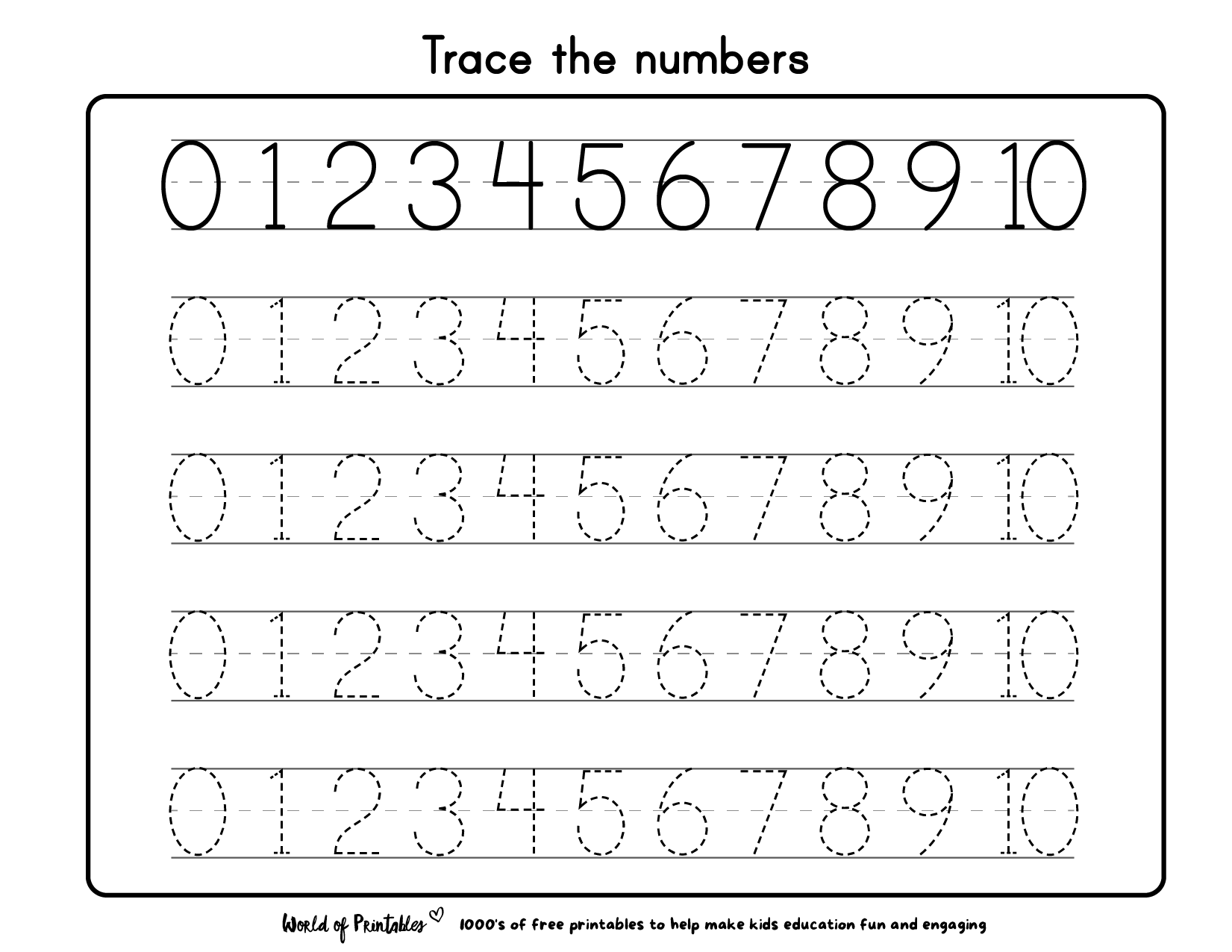
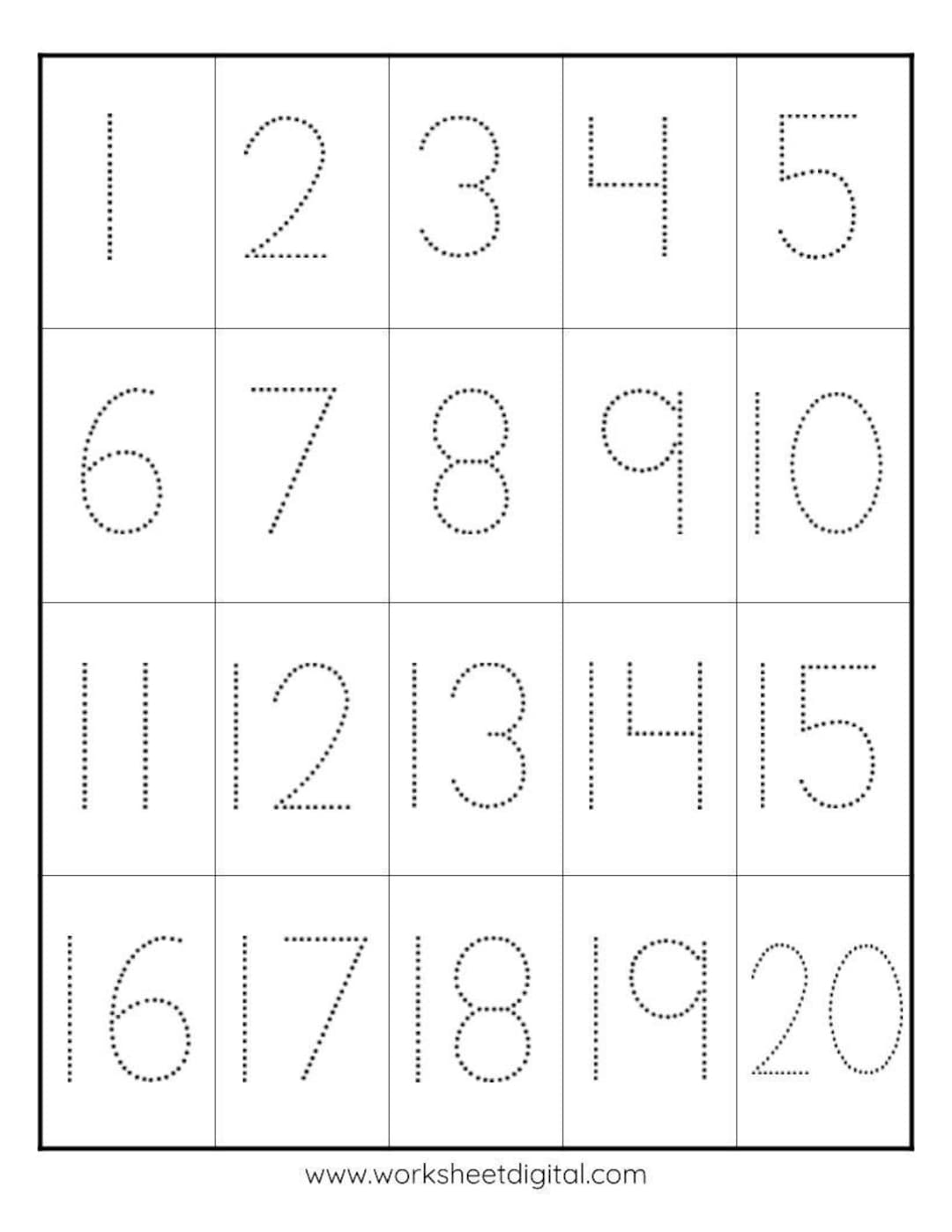
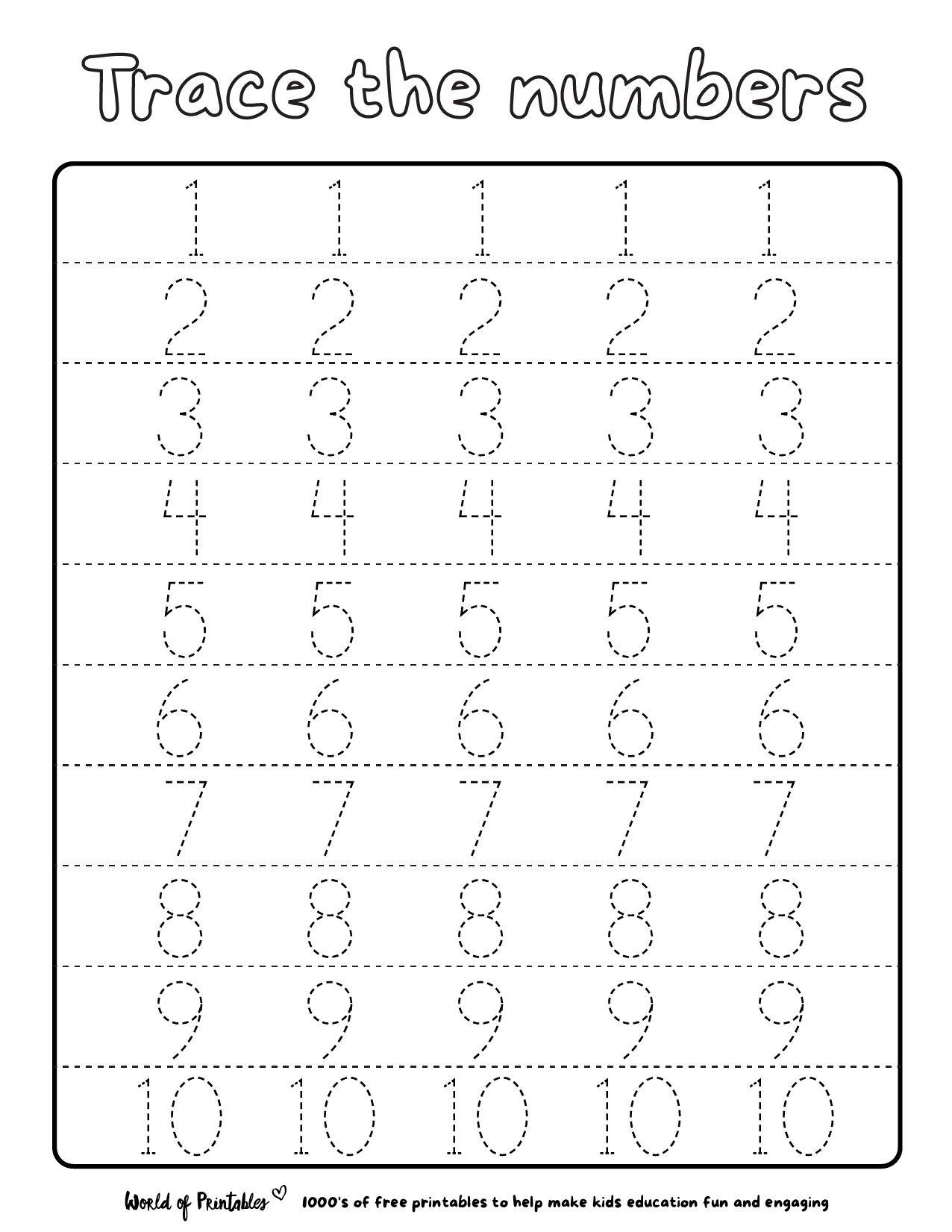
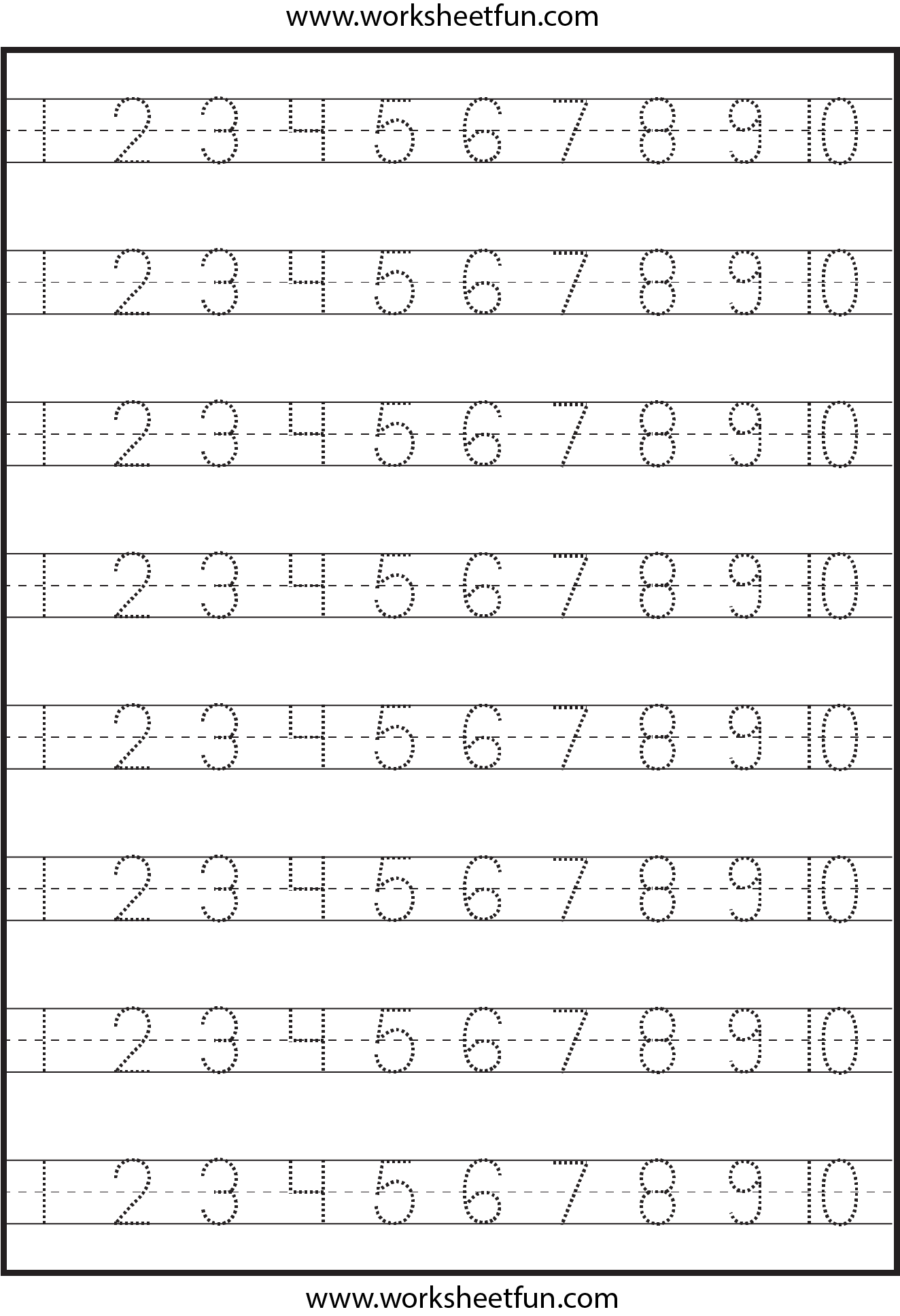
Many children recognize letters and numerals long before their developing fine motor skills can actually form them on paper. According to the American Occupational Therapy Association, foundational pencil control and hand strength develop through structured, multi-sensory practice that bridges visual recognition with physical execution. This developmental gap frequently creates frustration during early writing instruction if adults rush straight to blank paper. Providing structured support through dotted numbers for tracing gives young learners the visual scaffolding necessary to translate visual symbols into physical movements. These printables act as a vital bridge between cognitive number recognition and the physical mechanics required for neat, confident handwriting.
💡 Educational Key Takeaways:
- Core Skill: Structured Dotted Numbers For Tracing focused on developing pencil grip, stroke control, and early literacy/math confidence.
- Target Scope: Suited for homeschoolers, preschool, kindergarten, and elementary learners.
- Best Recommendation: Practice 10–15 minutes daily with ergonomic writing tools to reinforce muscle memory without hand fatigue.
What This Worksheet Covers
Mastering numerical symbols involves much more than simply connecting dots on a page. Stroke order and directionality dictate whether a child writes efficiently or struggles with hand fatigue later in elementary school. The layout systematically guides learners from the starting point of each numeral through the required curves and straight lines. Because children often try to draw numbers from the bottom up or use improper continuous loops, these pages enforce correct muscle memory from the very first stroke. Children also explore Tracing Number exercises that reinforce proportional sizing, spatial awareness on the page, and the fundamental differences between similarly shaped digits like three and five.
Key Learning Outcomes
Consistent interaction with numerical tracing builds strong foundational competencies for early mathematics and literacy. Learners develop visual-motor integration as their eyes track the dotted path while the hand attempts to follow precisely. Hand-eye coordination improves rapidly as fingers learn to apply steady, moderate pressure to maintain contact with the writing surface. Finger isolation and intrinsic hand strength advance naturally through repeated practice, paving the way for proper pencil grips. Furthermore, children internalize correct stroke sequences, reducing cognitive load when transitioning to independent writing on standard lines. For more related activities, check out our Trace Numbers 1 100 Worksheet.
How to Use This Worksheet
Success with handwriting printables depends heavily on the surrounding physical environment and adult support. Setting up an appropriate workspace with a chair and table that allow the child’s feet to rest flat on the floor promotes core stability, which directly influences fine motor control. Adults should encourage a functional tripod grasp, ensuring the thumb, index, and middle fingers work in coordination rather than clamping the writing utensil in a tight fist. It sounds simple, and that’s the point: physical comfort and proper posture prevent early hand cramping and sustain focus during learning sessions. Caregivers can pair these activities with kinetic sand, playdough, or vertical surface drawing to build the necessary proximal shoulder and core strength before children sit down with a pencil.
Practical Tips for Parents and Teachers
Scaffolding instruction effectively means meeting the child at the current developmental stage rather than demanding perfection on the first try. Adults can model proper stroke formation on a separate sheet or directly on the printable while verbalizing the motion, such as saying “around and back on the railroad track” for the number two. Fading support gradually allows learners to move from hand-over-hand assistance to independent tracing and eventually copying numbers in an open box. For children who resist traditional pencils, thick crayons, short colored pencils, or even cotton swabs dipped in paint can transform practice into an engaging, low-pressure sensory experience. Celebrating small victories, such as maintaining a continuous line or successfully starting at the designated dot, builds intrinsic motivation and keeps frustration levels low.
Age-Appropriate Recommendations
Toddlers and preschoolers aged two to four benefit most from large-format numerals, sensory tracing experiences, and practicing pre-writing strokes rather than standard pencil work. According to the National Association for the Education of Young Children guidelines on developmentally appropriate practice, young children require ample opportunities for gross motor and sensory exploration before refining small muscle coordination. Children ages five to eight are typically ready to refine their pencil grip, focus on precise line control, and master standard numeral formation as outlined in Kindergarten and first-grade Common Core standards like CCSS.MATH.CONTENT.K.CC.A.3. During these early elementary years, tracing transforms from a simple coordination exercise into a reliable method for building fluency, automaticity, and legible handwriting across all academic subjects.
According to the National Association for the Education of Young Children, young children learn best through active, hands-on exploration that integrates gross and fine motor experiences before mastering formal paper-and-pencil tasks. — NAEYC Developmentally Appropriate Practice Guidelines
Frequently Asked Questions
Find quick answers to common questions about downloading, printing, and utilizing these educational tracing printables at home or in the classroom.
Explore More Free Printable Tracing Worksheets
Supporting a young learner’s journey requires a diverse array of engaging, high-quality practice materials tailored to every developmental milestone. Beyond numerical guides, the complete collection at KidTraces.com offers comprehensive resources designed to foster confidence and skill development. Explore options for practicing alphabet formation through Dotted Letters For Tracing, build essential hand strength with Fine Motor and Pre-Writing Skills, or add engagement with Seasonal and Fun Themes. Every printable is designed by educators to make learning joyful, accessible, and effective for children of all abilities.
Developmental Milestone & Activity Table
| Development Stage | Recommended Daily Duration | Primary Learning Objective |
|---|---|---|
| Preschool & Pre-K | 10 – 15 Minutes | Pencil grip development & basic pre-stroke lines |
| Kindergarten | 15 – 20 Minutes | Letter/number formation & spatial line awareness |
| Early Elementary (Grade 1–2) | 20 – 30 Minutes | Fluency, sentence construction & neatness |
Images References