Introduction
Many children recognize letters, shapes, and symbols long before their tiny hands possess the physical strength and dexterity required to form them on paper. According to the American Occupational Therapy Association, foundational fine motor control and visual-motor integration developed during early childhood form the absolute bedrock for successful handwriting and classroom participation later on. Adults often rush toddlers straight into forming complex letters, skipping the essential visual-motor milestones that build hand resilience. Straight line tracing for toddlers bridges this exact developmental gap by offering a controlled, low-pressure pathway to mastering pencil grip and stroke directionality. It sounds simple, and that is the exact point of early pre-writing interventions. Children need repetitive, unhurried exposure to basic vertical, horizontal, and diagonal paths before asking pencil and paper to cooperate with complicated alphabet shapes. Exploring resources within Shape and Line Tracing collections reveals just how foundational these initial strokes are for lifelong literacy.
💡 Educational Key Takeaways:
- Core Skill: Structured Straight Line Tracing For Toddlers focused on developing pencil grip, stroke control, and early literacy/math confidence.
- Target Scope: Suited for homeschoolers, preschool, kindergarten, and elementary learners.
- Best Recommendation: Practice 10–15 minutes daily with ergonomic writing tools to reinforce muscle memory without hand fatigue.
What This Worksheet Covers
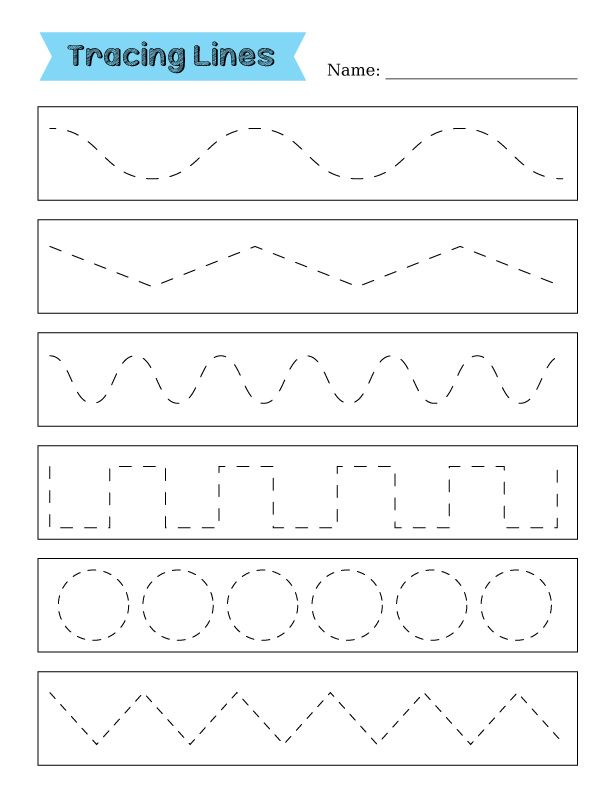
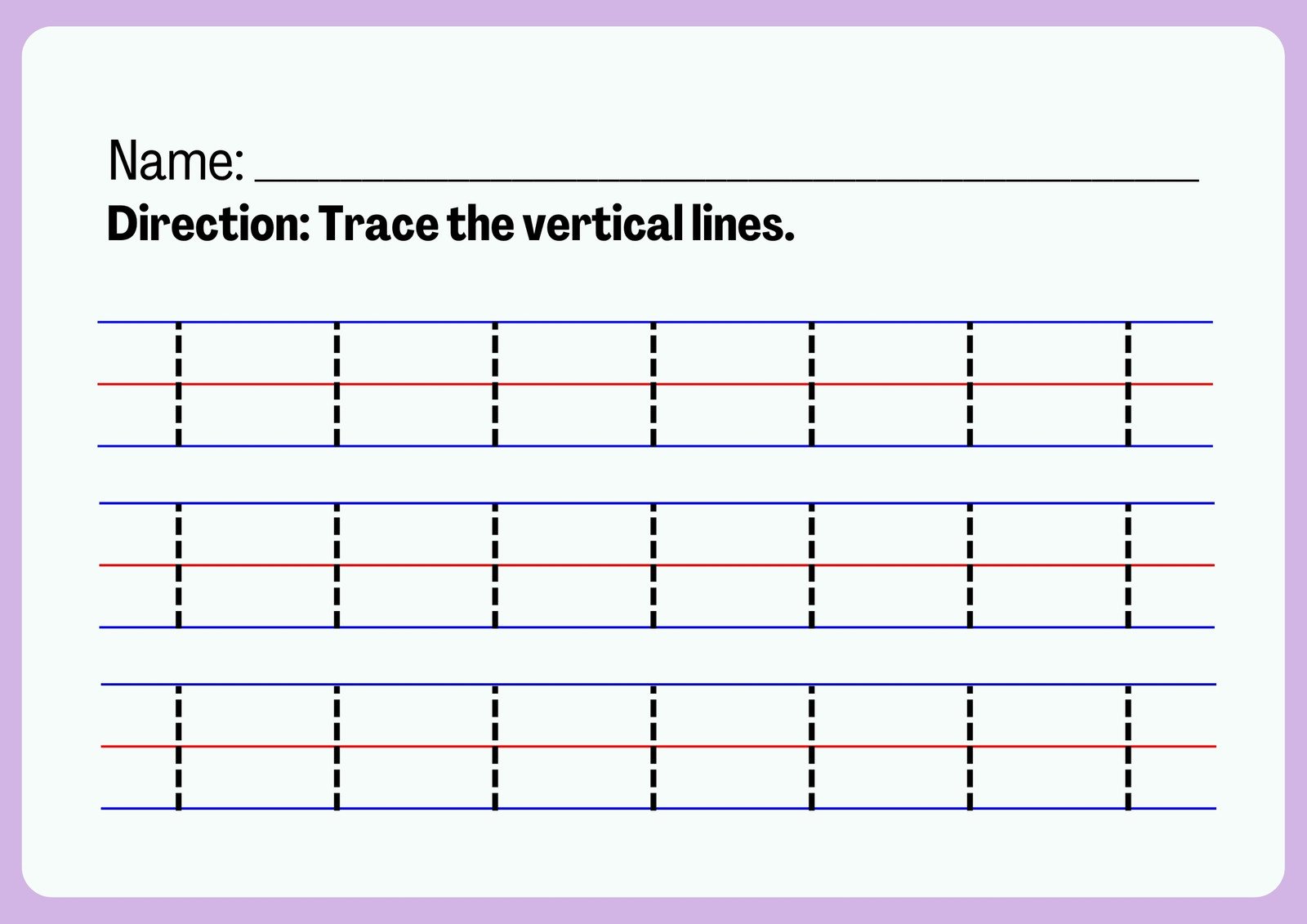
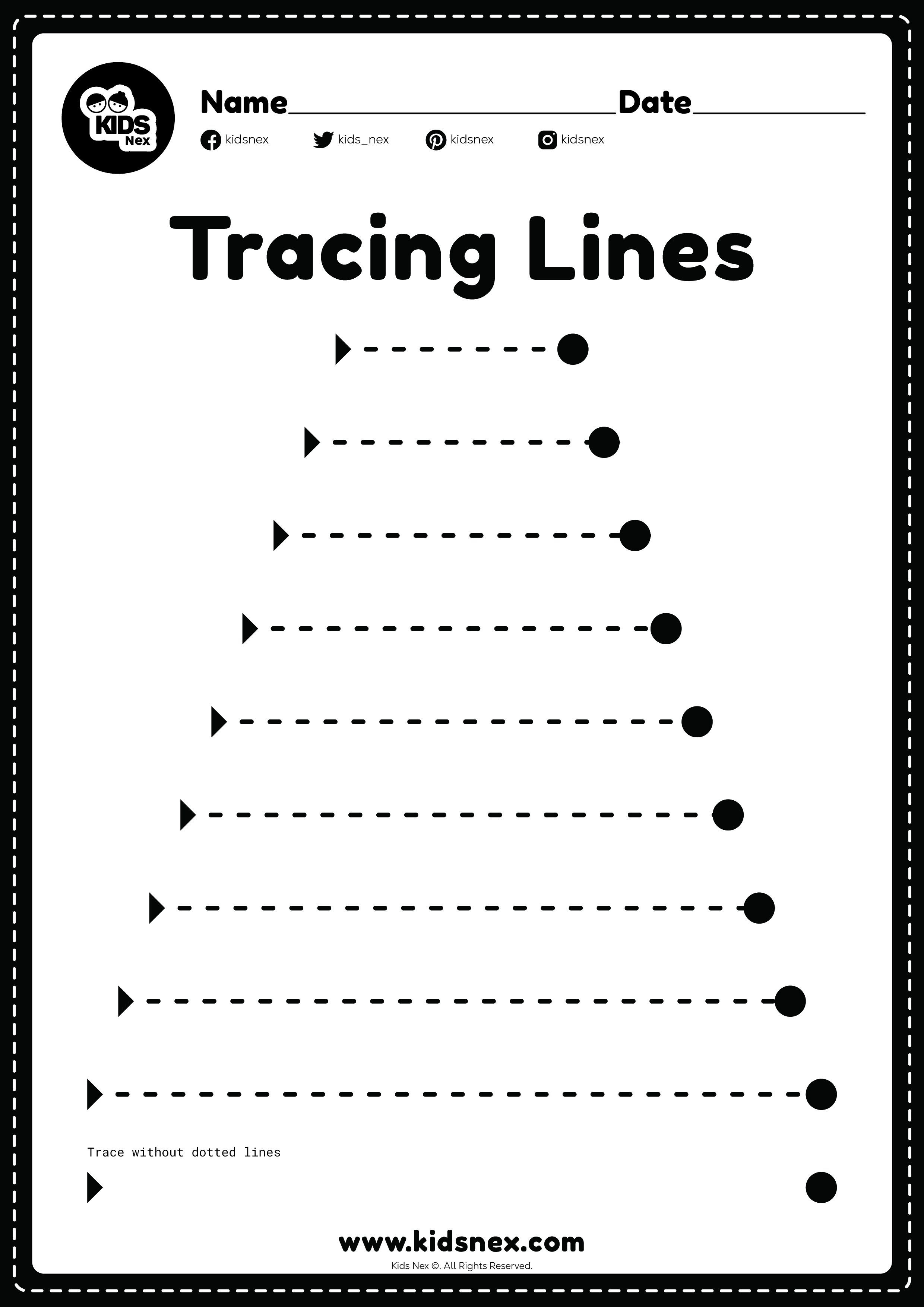
The straight line tracing printable focuses strictly on fundamental pre-writing strokes, eliminating visual clutter so young learners can concentrate entirely on motor control. Children encounter crisp horizontal paths running left to right, vertical drops moving top to bottom, and basic intersecting paths that challenge bilateral coordination. Each page guides the hand along distinct visual tracks, building the exact muscle memory needed for future letter formation without the frustration of curving loops. Educators frequently observe that when toddlers struggle with early writing, the breakdown usually happens at the foundational stroke level rather than a lack of cognitive understanding. By isolating straight lines, the worksheet allows developing hands to practice consistent downward pressure and fluid directional movement. Additional foundational support can also be found by pairing these exercises with tools from Fine Motor and Pre-Writing Skills guides to strengthen intrinsic hand muscles.
Key Learning Outcomes
Working through these printable paths systematically reinforces several critical developmental milestones for early learners. Hand-eye coordination improves dramatically as little eyes track a visual target while tiny fingers execute the corresponding pencil movement. Pencil control and grip stability strengthen naturally through repetitive, deliberate strokes across the page, gradually transitioning toddlers from fist grasps to more mature finger pinches. Directionality becomes second nature, teaching children that Western writing flows strictly from top to bottom and left to right. Visual-motor integration solidifies as the brain successfully translates visual boundaries into physical hand actions, keeping markers or pencils safely within designated paths. According to Reading Rockets, developing strong visual tracking and pre-writing stroke control significantly reduces reading and writing fatigue when children eventually transition to formal academic settings.
How to Use This Worksheet
Maximizing the benefits of this printable requires more than simply handing a toddler a marker and a piece of paper. Adults should begin by encouraging a comfortable, ergonomic seating position with feet flat on the floor and elbows resting naturally at a ninety-degree angle on the table. Slip the worksheet inside a heavy-duty plastic dry-erase sleeve to transform it into a reusable surface, allowing children to practice the same straight lines repeatedly without paper tearing. Tracing with a finger, a toy car, or a thick chunky crayon often yields better initial engagement than standard pencils, especially for two-year-olds who are still developing palmar arches. Turning the page into a game—such as driving a rescue truck down a vertical highway—keeps attention spans high and transforms therapeutic movement into pure play.
Practical Tips for Parents and Teachers
Scaffolding the experience properly prevents frustration and keeps young learners motivated to complete the activity. Model the correct starting point explicitly by pointing to the top or left side of the line and saying out loud that writing always starts at the top and moves down or across. Guide the child’s hand gently through the first few strokes if resistance occurs, gradually fading physical assistance until the toddler completes the line independently. Introduce thick triangular crayons or short stubby golf pencils, which naturally force developing fingers into a functional three-point grasp rather than an awkward fist grip. Celebrate small victories enthusiastically, focusing praise on effort and steady hand control rather than absolute perfection inside the printed boundaries.
Age-Appropriate Recommendations
Aligned with the National Association for the Education of Young Children Developmentally Appropriate Practice, early childhood tasks must match a child’s exact neurological and physical readiness. For children ages two to four, the focus remains squarely on gross horizontal and vertical lines, utilizing thick markers on upright easels to engage shoulder and elbow stability. As children mature into the five-to-eight age bracket, expectations shift toward precise pencil control, lighter pressure, and mastering diagonal lines that form the skeleton of uppercase letters. Pairing these advanced strokes with broader printables from the comprehensive Tracing Worksheets gallery ensures a smooth, scaffolded progression toward independent writing fluency.
Foundational fine motor control and visual-motor integration developed during early childhood form the absolute bedrock for successful handwriting and classroom participation later on. — American Occupational Therapy Association
Frequently Asked Questions
Clear guidance helps adults implement these printable activities effectively at home or in busy classroom environments.
Explore More Free Printable Tracing Worksheets
Building confident writers is a gradual journey that benefits from a diverse variety of engaging, developmentally appropriate practice materials. Exploring the full library at KidTraces.com provides educators and families with an endless supply of targeted printables designed to support every single stage of early childhood development. From basic stroke control to advanced letter formation, every resource is crafted with care to ensure learning remains joyful, accessible, and deeply effective for every young learner.
Developmental Milestone & Activity Table
| Development Stage | Recommended Daily Duration | Primary Learning Objective |
|---|---|---|
| Preschool & Pre-K | 10 – 15 Minutes | Pencil grip development & basic pre-stroke lines |
| Kindergarten | 15 – 20 Minutes | Letter/number formation & spatial line awareness |
| Early Elementary (Grade 1–2) | 20 – 30 Minutes | Fluency, sentence construction & neatness |
Images References