Introduction
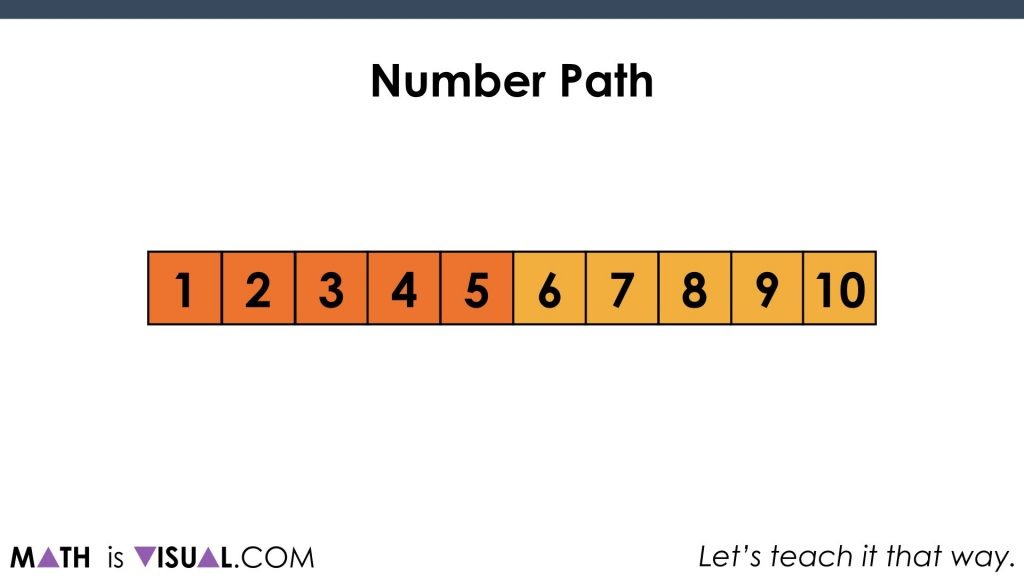
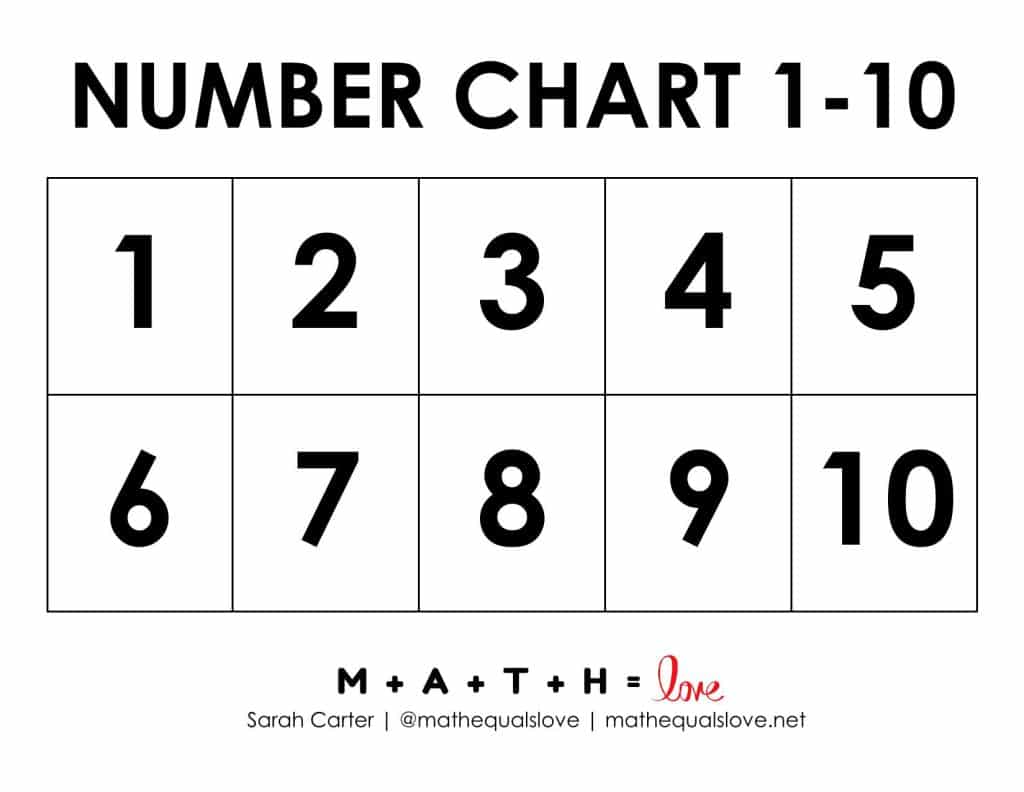
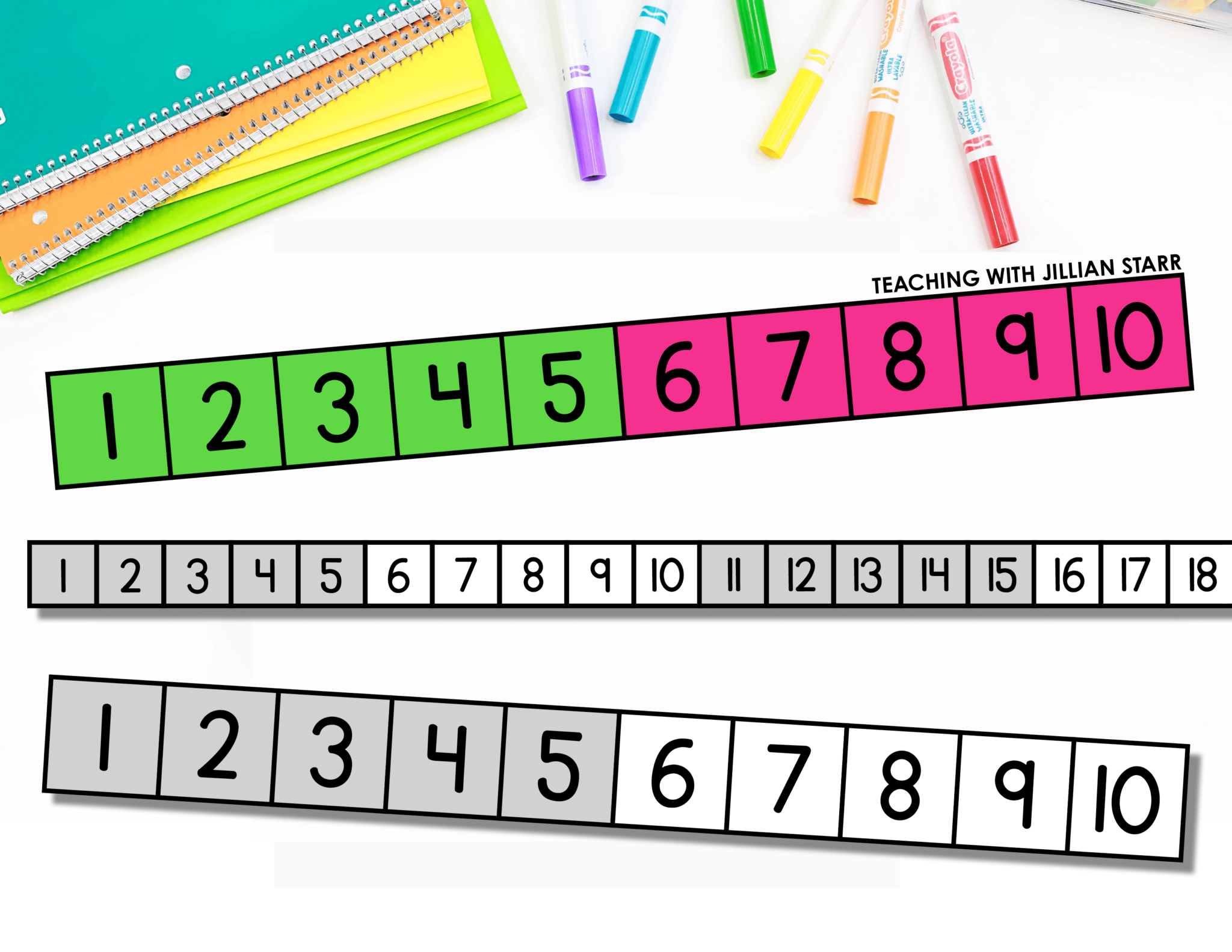
Many children recognize numerals long before their developing hands possess the intrinsic strength required to form them on paper. According to the National Association for the Education of Young Children (NAEYC), developmentally appropriate practice requires aligning expectations with physical maturity, ensuring young learners build foundational hand control before tackling formal writing. Bridging that gap between cognitive recognition and physical execution takes patience, specialized tools, and structured repetition. The printable number path 1 10 offers an engaging, low-stress method for young learners to connect visual quantity with directional pencil movement. It sounds simple, and that’s the point. By focusing on a linear sequence of numbers, learners gain spatial awareness while guiding a writing tool along a designated path.
💡 Technical Key Takeaways:
- Core Focus: Diagnostic schematic and terminal connection layout for Printable Number Path 1 10.
- Target Scope: Field technicians, automotive DIYers, and residential/commercial electricians.
- Safety Rule: Always disconnect the primary power source/battery terminal and verify zero voltage with a multimeter before touching wires.
What This Worksheet Covers
This specific resource focuses on numeral formation, stroke order, and sequential counting from one to ten. Within developmental clinics and early childhood classrooms, educators frequently notice that children confuse similarly shaped digits, such as three and five, or struggle with starting points. Guided paths eliminate guesswork by showing precisely where the pencil touches the paper and which direction it must travel. Beyond simple counting, navigating a number path reinforces left-to-right progression, which serves as a crucial prerequisite for reading and writing readiness. Exploring collections like Tracing Number resources ensures that children repeatedly encounter these numerals in varied, supportive formats.
Key Learning Outcomes
Working through this number path builds several interconnected developmental competencies simultaneously. First, children master correct numeral formation, establishing motor memory for each digit from one through ten. Second, the activity strengthens visual-motor integration, teaching the hand to follow visual cues accurately across the page. Third, sequential counting reinforces mathematical cardinality, helping learners understand that each number occupies a specific, ordered position in space. Finally, sustained focus on the path enhances bilateral coordination, as one hand stabilizes the paper while the dominant hand maneuvers the writing utensil.
How to Use This Worksheet
Successful implementation relies on creating a supportive environment where trial and error are celebrated. Adults should introduce the sheet by inviting the child to trace the path with an index finger before picking up a pencil, engaging tactile memory first. According to the American Occupational Therapy Association (AOTA), multi-sensory approaches significantly improve motor planning and spatial awareness in young children. Transitioning from finger tracing to thick crayons or short pencils naturally encourages a functional grasp, preventing early hand fatigue. Integrating these exercises alongside tools from Fine Motor and Pre-Writing Skills helps build the underlying hand strength necessary for lifelong writing stamina.
Practical Tips for Parents and Teachers
Scaffolding the experience makes all the difference for reluctant or struggling learners. Adults can begin by modeling the correct stroke order explicitly, narrating the starting point and direction aloud to provide an auditory cue. If pencil grip falters, breaking crayons into small pieces naturally forces an appropriate tripod grasp by restricting the fingers from wrapping around the tool. Adjust expectations to match the child’s daily stamina, keeping sessions brief and positive rather than forcing completion of the entire page at once. Supplementing numerical practice with sheets from the Alphabet And Numbers Tracing collection keeps variety high and prevents practice fatigue.
Age_Appropriate Recommendations
Aligning activities with the CDC developmental milestones ensures children are supported at the right stage of physical readiness. For children ages two to four, the focus remains on gross motor control, finger isolation, and simple pre-writing strokes, making finger-tracing the number path ideal. As children reach ages five to eight, kindergarten and early elementary standards, such as Common Core ELA standard CCSS.ELA-LITERACY.L.K.1.A, guide the expectation for printing numerals accurately and fluently. At this older stage, children use standard pencils, aiming for consistent sizing, proper line orientation, and accurate directional stroke sequences.
Multi-sensory motor integration significantly enhances spatial awareness and pencil control in early childhood learners — American Occupational Therapy Association (AOTA)
Frequently Asked Questions
Parents and educators frequently ask targeted questions regarding preparation, developmental appropriateness, and execution strategies when utilizing printable number paths.
Explore More Free Printable Tracing Worksheets
Supporting a child’s early writing journey requires access to a wide variety of engaging, developmentally appropriate resources. Beyond numerical paths, young learners benefit greatly from exploring diverse pathways, shapes, and letters to build comprehensive hand control. Discover an extensive library of educational materials designed for home and classroom use by visiting the main collection at KidTraces.com today.
Quick Wiring Specifications & Terminal Guide
| Component / Circuit | Standard Wire Gauge | Recommended Protection |
|---|---|---|
| Control & Trigger Signals | 18 – 20 AWG | 5A – 7.5A Inline Fuse |
| Standard Auxiliary Load | 14 – 16 AWG | 15A – 20A Circuit Breaker |
| Main Power Feed / Supply | 10 – 12 AWG | 30A – 40A Heavy-Duty Relay |
Images References