Introduction
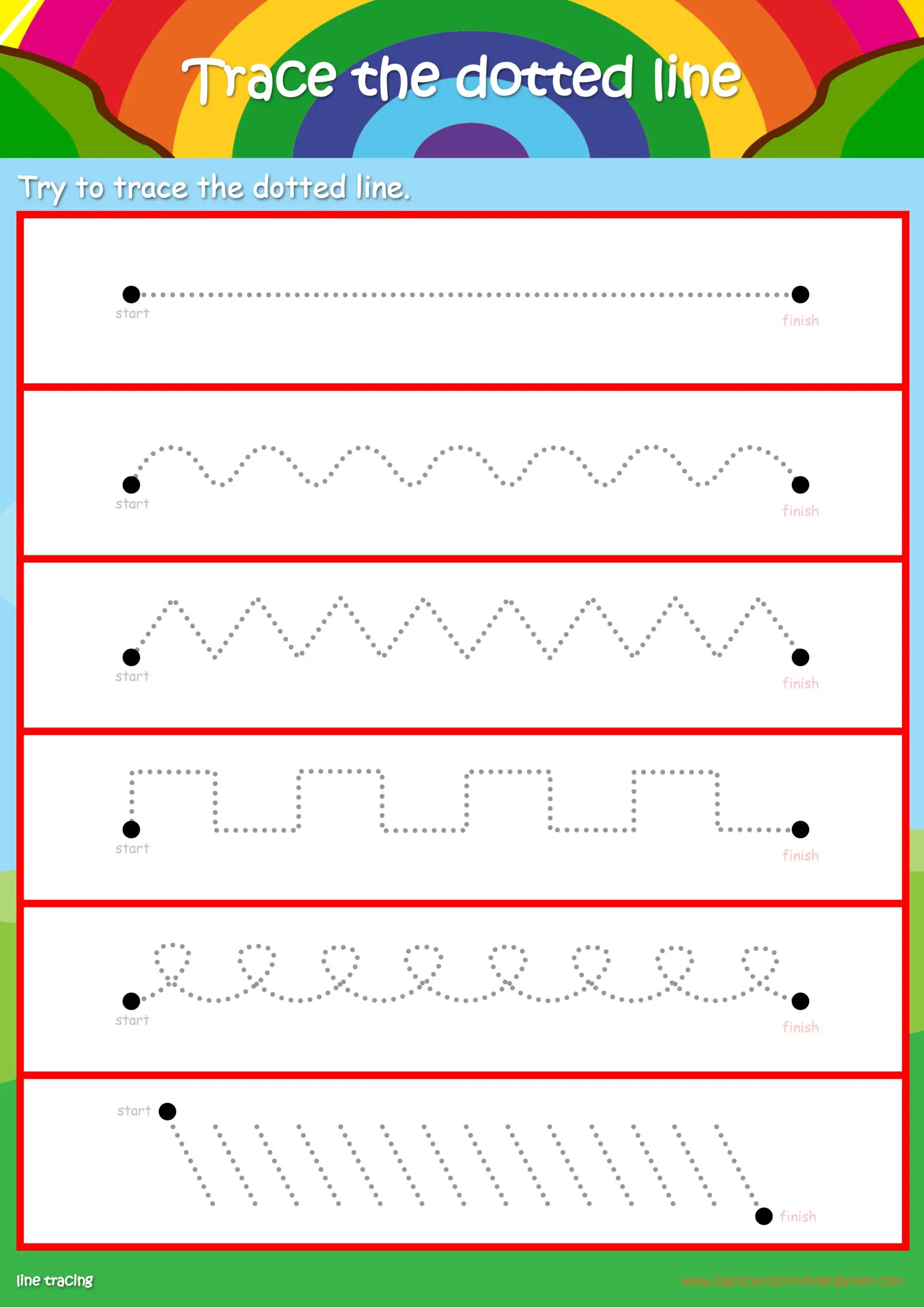
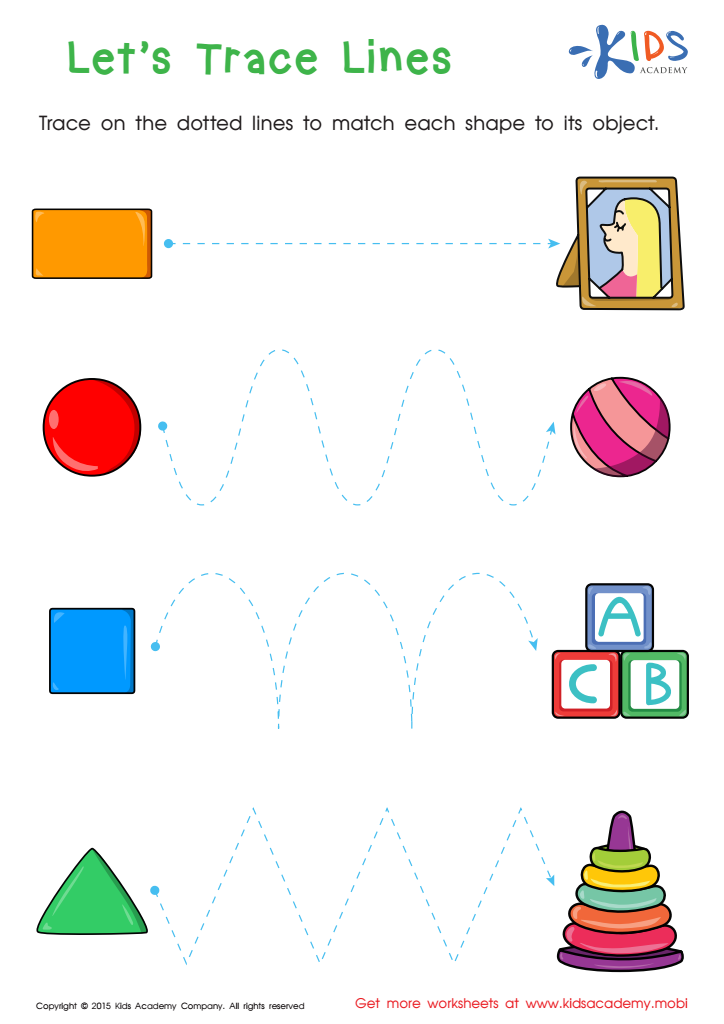
Many children recognize letters, shapes, and numbers long before their fine motor skills can physically form them on paper. This developmental gap often frustrates eager learners who possess the cognitive capacity to understand written language but lack the intrinsic hand strength and visual-motor integration required for legible handwriting. According to the American Occupational Therapy Association, early pencil control tasks are essential for building the foundational hand muscles required for lifelong writing proficiency. Bridging that gap requires purposeful practice that feels less like tedious repetition and more like play. Enter line tracing fun for kids, a free printable designed to transform foundational pre-writing strokes into an engaging, low-pressure visual activity. Classrooms and therapy clinics frequently rely on such structured printouts to build manual dexterity without overwhelming the child.
💡 Educational Key Takeaways:
- Core Skill: Structured Line Tracing Fun For Kids focused on developing pencil grip, stroke control, and early literacy/math confidence.
- Target Scope: Suited for homeschoolers, preschool, kindergarten, and elementary learners.
- Best Recommendation: Practice 10–15 minutes daily with ergonomic writing tools to reinforce muscle memory without hand fatigue.
What This Worksheet Covers
Mastering the physical act of writing requires navigating a predictable progression of strokes, beginning with vertical and horizontal lines before advancing to complex diagonals, loops, and intersections. This specific printable targets those foundational movements by guiding pencils along carefully mapped paths, dots, and curves. It sounds simple, and that is the exact point of early motor intervention. By stripping away the cognitive load of spelling or letter formation, children can direct 100 percent of their focus toward pencil pressure, rhythm, and spatial control. The visual layout encourages sustained visual tracking from left to right, mirroring the exact ocular-motor path required for eventual reading fluency. Educators often notice that children who struggle with erratic letter sizing benefit immensely from returning to basic continuous line pathways to recalibrate their hand-eye coordination.
Key Learning Outcomes
Engaging consistently with structured tracing sheets yields measurable growth across several developmental domains. Hand strength and intrinsic muscle tone improve as small fingers learn to stabilize a writing utensil against gravity and paper friction. Bilateral coordination also develops naturally, as one hand actively manipulates the crayon or pencil while the non-dominant hand stabilizes the paper. Furthermore, visual-motor integration is strengthened because the brain must constantly interpret visual feedback from the eyes and instantly adjust motor output in the fingers. Finally, children build emotional resilience and focus, discovering that sustained attention over a short duration produces a satisfying, completed path from start to finish.
How to Use This Worksheet
Successful implementation relies heavily on creating a supportive, frustration-free physical environment. Seating matters immensely for pediatric fine motor work; feet should rest flat on the floor or a supportive footrest, and the table height should sit roughly two inches above the child’s bent elbow. Children benefit from starting with thicker writing tools, such as short crayons or broken chalk pieces, which naturally encourage an efficient tripod grasp rather than an awkward fist clench. Adults should treat the printable as an open-ended exploration rather than a test of perfectionism, allowing young hands to pause, readjust, and try again when lines veer off course. Integrating resources found within Shape and Line Tracing collections can further reinforce these foundational stroke patterns.
Practical Tips for Parents and Teachers
Adults play a crucial role as scaffolds, guiding children toward independence without taking over the physical task. Model the desired grip and stroke direction on a separate sheet before inviting the child to try, emphasizing a smooth, continuous motion rather than short, choppy scratches. Scaffolding might involve physically covering half of the page to reduce visual clutter for easily overwhelmed learners, while extending the activity could involve tracing the exact same lines using a wet paintbrush on a sidewalk or a finger through a tray of sand. For additional foundational resources, exploring Fine Motor and Pre-Writing Skills provides valuable context on developmental milestones. Whenever fatigue sets in, stop immediately; forcing a tired hand often ingrains inefficient grip compensations that prove difficult to break later.
Age-Appropriate Recommendations
Developmental readiness dictates how children interact with early handwriting materials. According to the CDC developmental milestones, toddlers between ages two and three typically begin exploring vertical and horizontal strokes, making simple, continuous paths ideal for this younger bracket. By ages four through eight, children align closely with expectations outlined in the National Association for the Education of Young Children guidelines for developmentally appropriate practice, where they transition toward controlled curves, diagonal lines, and purposeful letter-like forms. Incorporating themes from Seasonal and Fun Themes maintains high engagement across this broader age range, ensuring that older children refining their precision remain genuinely motivated by the visual context.
Handwriting and fine motor control activities significantly enhance neural pathways associated with visual perception, spatial awareness, and early literacy acquisition in young children. — American Occupational Therapy Association
Frequently Asked Questions
Clear guidance helps adults maximize the benefits of daily fine motor practice while navigating minor challenges.
Explore More Free Printable Tracing Worksheets
Supporting a young learner through the exciting journey of early writing requires a diverse toolkit of engaging, developmentally sound resources. Beyond basic strokes, expanding practice into letter formation becomes seamless with materials found in Alphabet And Numbers Tracing. Caregivers seeking specialized letter guidance can also explore the targeted options available via Dotted Letters For Tracing. Every child advances at a unique pace, and having access to a comprehensive library makes it easy to match the right activity to the exact skill level of the day. The complete, ever-growing collection of resources is always accessible directly at KidTraces.com for immediate, stress-free downloading.
Developmental Milestone & Activity Table
| Development Stage | Recommended Daily Duration | Primary Learning Objective |
|---|---|---|
| Preschool & Pre-K | 10 – 15 Minutes | Pencil grip development & basic pre-stroke lines |
| Kindergarten | 15 – 20 Minutes | Letter/number formation & spatial line awareness |
| Early Elementary (Grade 1–2) | 20 – 30 Minutes | Fluency, sentence construction & neatness |
Images References