Introduction
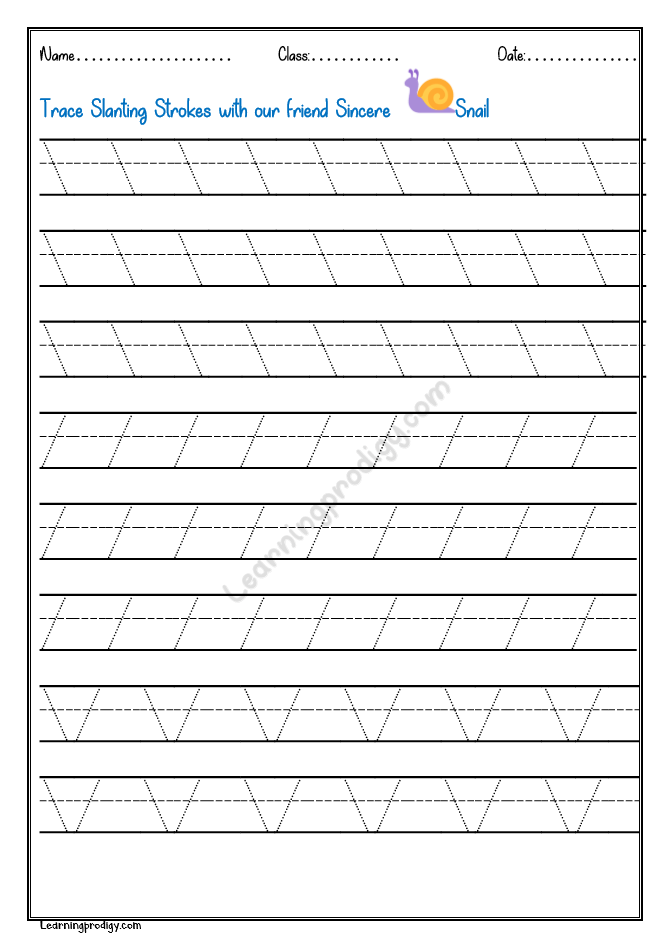
Many children recognize letters, numbers, and environmental symbols long before their fine motor skills can actually form them on paper. This common disconnect often catches well-meaning adults by surprise, leading to premature frustration during handwriting tasks. According to the American Occupational Therapy Association, foundational fine motor control and visual-motor integration are essential prerequisites for functional handwriting and classroom success. Bridging this gap requires targeted, developmentally appropriate practice that builds hand strength without inducing fatigue. The free printable parallel lines in tracing worksheet offers an ideal solution for young learners navigating this critical stage of graphic skill development. It sounds simple, and that is the exact point. By stripping away complex letter shapes, children can focus entirely on directional control, rhythmic pacing, and steady pressure regulation.
💡 Educational Key Takeaways:
- Core Skill: Structured Parallel Lines In Tracing focused on developing pencil grip, stroke control, and early literacy/math confidence.
- Target Scope: Suited for homeschoolers, preschool, kindergarten, and elementary learners.
- Best Recommendation: Practice 10–15 minutes daily with ergonomic writing tools to reinforce muscle memory without hand fatigue.
What This Worksheet Covers
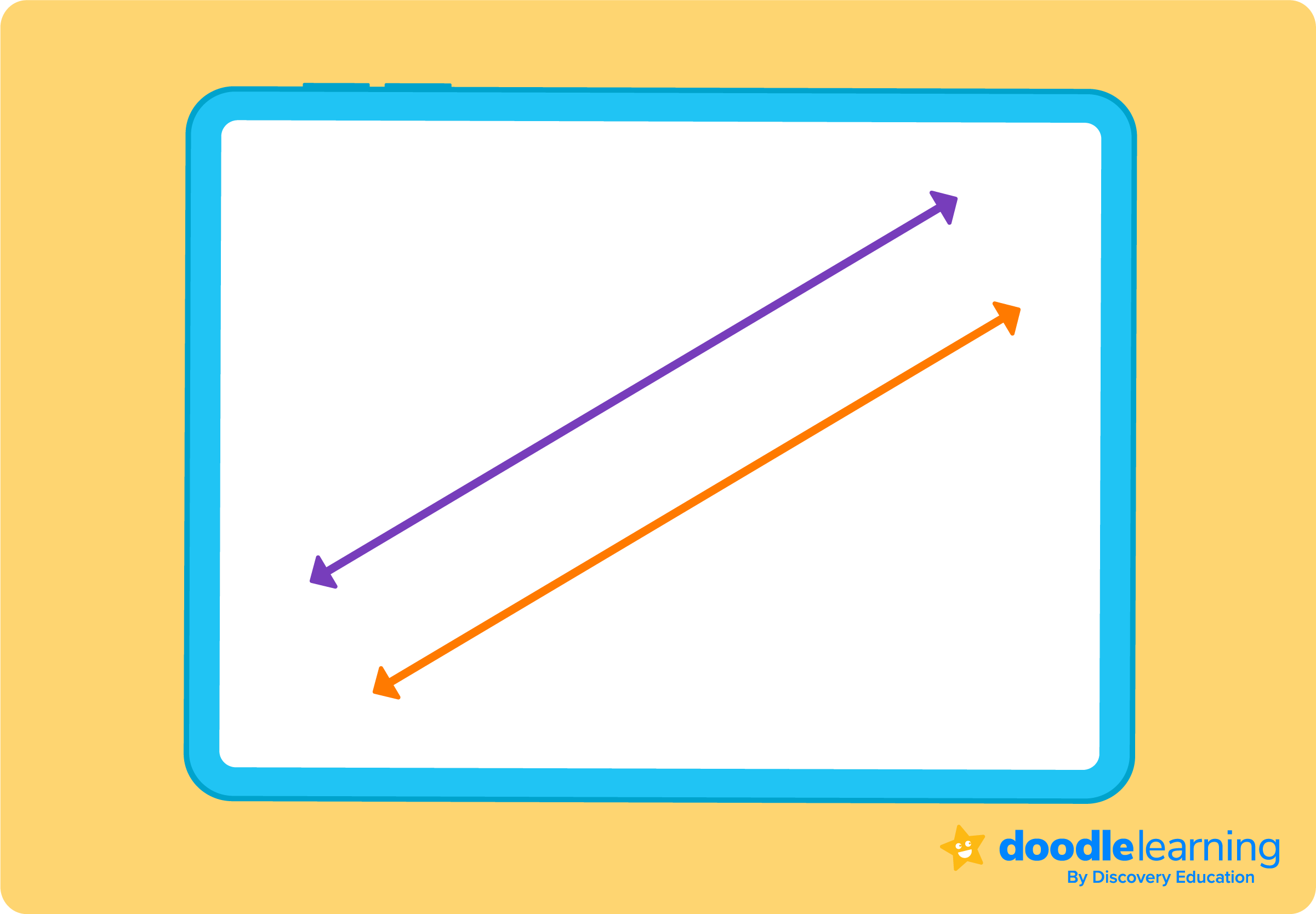
The parallel lines in tracing printables target the fundamental geometry that underpins almost all writing. Vertical, horizontal, and diagonal parallel tracks demand sustained visual attention and bilateral hand coordination. Working within boundaries trains the brain to monitor spatial relationships, keeping the writing instrument moving smoothly across the page without veering off course. Many educators notice that children who struggle with erratic handwriting often skip these crucial linear foundations. Mastering consistent spacing and uniform direction between two boundary lines creates the motor memory necessary for letter sizing and alignment later on. Exploring the broader collection of Shape and Line Tracing resources helps reinforce these exact visual-motor pathways.
Key Learning Outcomes
Targeted linear practice yields measurable improvements in pen control and postural stability. Learners develop enhanced visual tracking as eyes smoothly lead the hand from top to bottom or left to right across the page. Hand-eye coordination strengthens significantly as children learn to adjust their grip pressure in real time to prevent the pencil from slipping outside the designated paths. Crossing the visual midline becomes more fluid, an essential milestone that supports reading fluency alongside physical writing. Furthermore, sustained concentration during these exercises builds valuable frustration tolerance and task persistence for academic readiness.
How to Use This Worksheet
Successful implementation relies on creating an inviting, low-pressure environment where physical comfort comes first. Placing the worksheet on a slightly slanted surface encourages an ergonomic wrist position, keeping the hand relaxed and the writing fingers flexible. Adults should encourage a functional grasp, though patience remains key if a child’s hand strength is still developing. Starting with thick markers or short crayons can provide greater sensory feedback and reduce the physical effort needed to make a clear mark. Navigating through the Fine Motor and Pre-Writing Skills section provides additional activities designed to warm up little hands before pencil touches paper.
Practical Tips for Parents and Teachers
Demonstrating the stroke in the air before putting pencil to paper gives children a clear kinesthetic preview of the movement. Adults can scaffold the experience by lightly guiding the child’s hand through the first two lines, gradually fading physical support as confidence grows. Encouraging children to verbalize the direction using descriptive words like straight down, steady across, or side by side adds an auditory layer to the physical learning process. Rotating writing utensils—from colored pencils to paintbrushes dipped in water on a chalkboard—keeps engagement high without changing the fundamental motor target. Integrating these foundational strokes with resources found under Alphabet And Numbers Tracing ensures a seamless transition into formal letter formation when the time is right.
Age-Appropriate Recommendations
According to the National Association for the Education of Young Children guidelines on developmentally appropriate practice, children aged two to four benefit most from large, gross-motor arm movements and thick writing tools that accommodate palmar grasps. At this stage, parallel line tracing should focus on large-scale horizontal and vertical tracks that allow freedom of movement from the shoulder rather than the wrist. For children aged five to eight, the expectations shift toward refined finger dexterity and pencil control aligned with standard classroom handwriting curricula. Older children can tackle narrower line spacing and diagonal parallel tracks, which directly support the precise slant and proportion required for legible cursive and manuscript writing. Reviewing the options available in Tracing Worksheets allows caregivers to match the exact spacing requirements to the child’s current developmental stage.
Visual-motor integration and fine motor control are recognized as primary predictors of early academic success and functional classroom performance. — American Occupational Therapy Association
Frequently Asked Questions
Clear answers to common questions help caregivers maximize the benefits of these printable resources.
How do parallel line exercises support future handwriting? — Parallel lines build the spatial awareness, directional consistency, and visual tracking required to keep letters uniform in size and properly aligned on lined paper.
Explore More Free Printable Tracing Worksheets
Supporting a young learner through every stage of development requires a diverse toolkit of engaging, accessible resources. Building strong foundations in pencil control, letter formation, and spatial awareness sets the stage for a lifetime of confident writing and creative expression. The complete collection of materials available at KidTraces.com offers endless opportunities to practice these vital skills at home or in the classroom. Exploring the carefully curated categories ensures every child finds activities that match their unique learning pace and interests. Print today and watch fine motor confidence grow line by line.
Developmental Milestone & Activity Table
| Development Stage | Recommended Daily Duration | Primary Learning Objective |
|---|---|---|
| Preschool & Pre-K | 10 – 15 Minutes | Pencil grip development & basic pre-stroke lines |
| Kindergarten | 15 – 20 Minutes | Letter/number formation & spatial line awareness |
| Early Elementary (Grade 1–2) | 20 – 30 Minutes | Fluency, sentence construction & neatness |
Images References