Introduction
Many children recognize letters, shapes, and complex visual patterns long before their fine motor control allows them to replicate those forms on paper. According to the American Occupational Therapy Association, foundational hand strength and visual-motor integration must develop before a child can master functional pencil control. Traditional writing instruction often skips this vital preparation, leading to early hand fatigue and frustration. Bridge this developmental gap using line tracing printables for toddlers, which establish the physical foundation necessary for lifelong writing success. It sounds simple, and that’s the point.
💡 Educational Key Takeaways:
- Core Skill: Structured Line Tracing Printables For Toddlers focused on developing pencil grip, stroke control, and early literacy/math confidence.
- Target Scope: Suited for homeschoolers, preschool, kindergarten, and elementary learners.
- Best Recommendation: Practice 10–15 minutes daily with ergonomic writing tools to reinforce muscle memory without hand fatigue.
What This Worksheet Covers
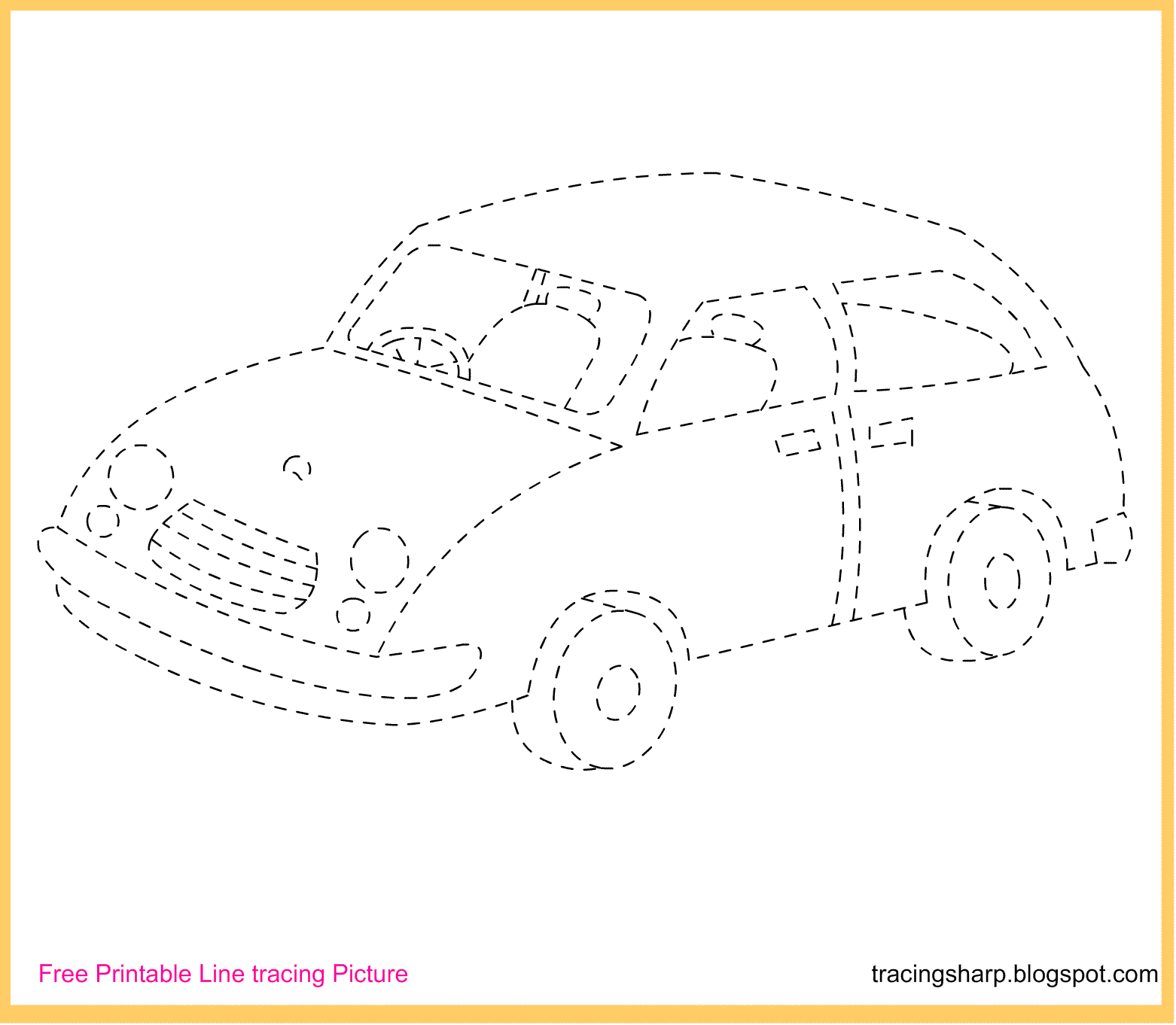
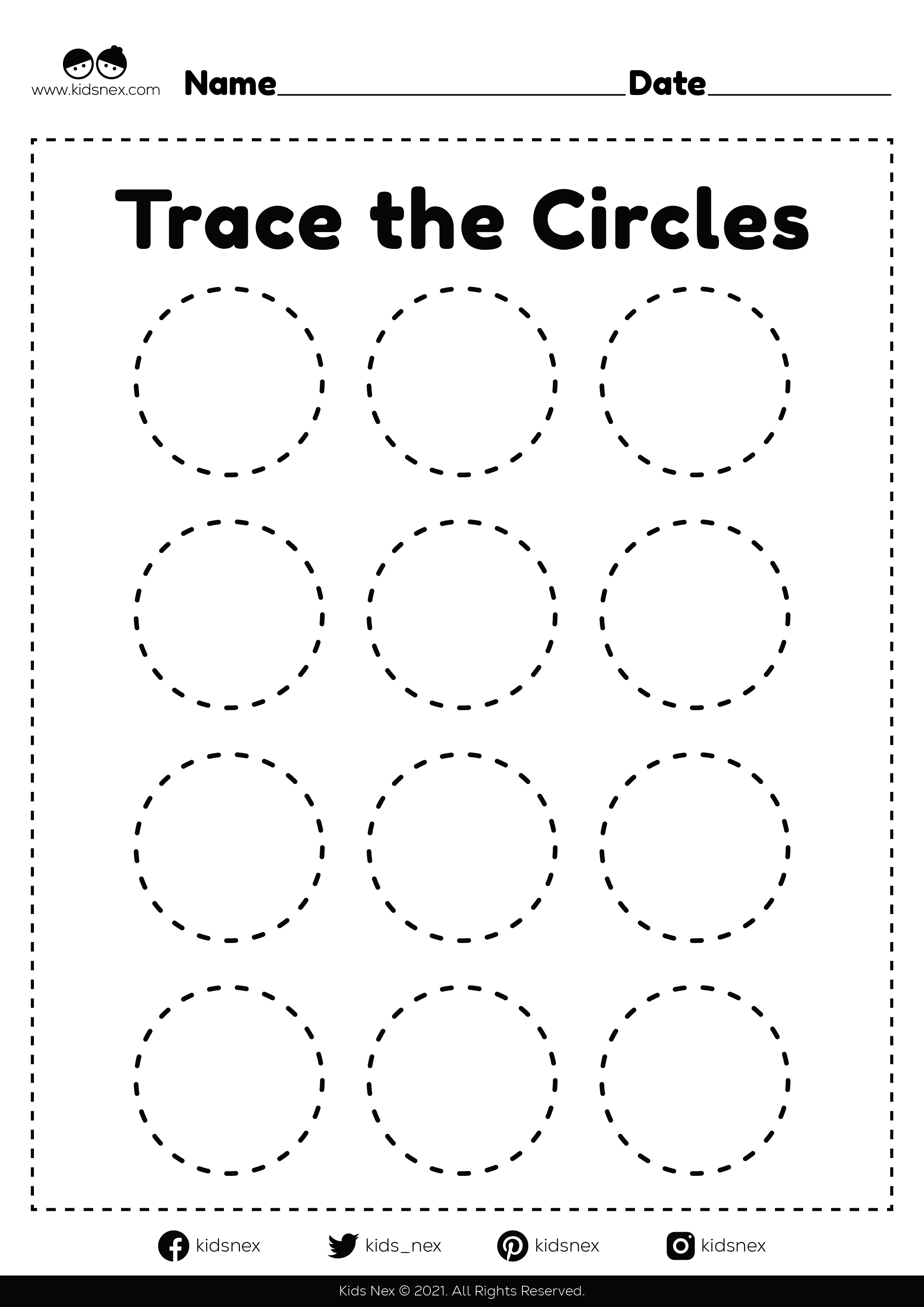
Pencil control depends entirely on a child’s ability to coordinate hand movements with visual cues. These foundational sheets target horizontal, vertical, diagonal, and curved trajectories, breaking down complex writing formations into manageable visual steps. Children systematically transition from broad gross-motor arm movements to refined finger and wrist maneuvers. Every stroke builds the muscular endurance required for maintaining a functional grasp over extended periods.
Key Learning Outcomes
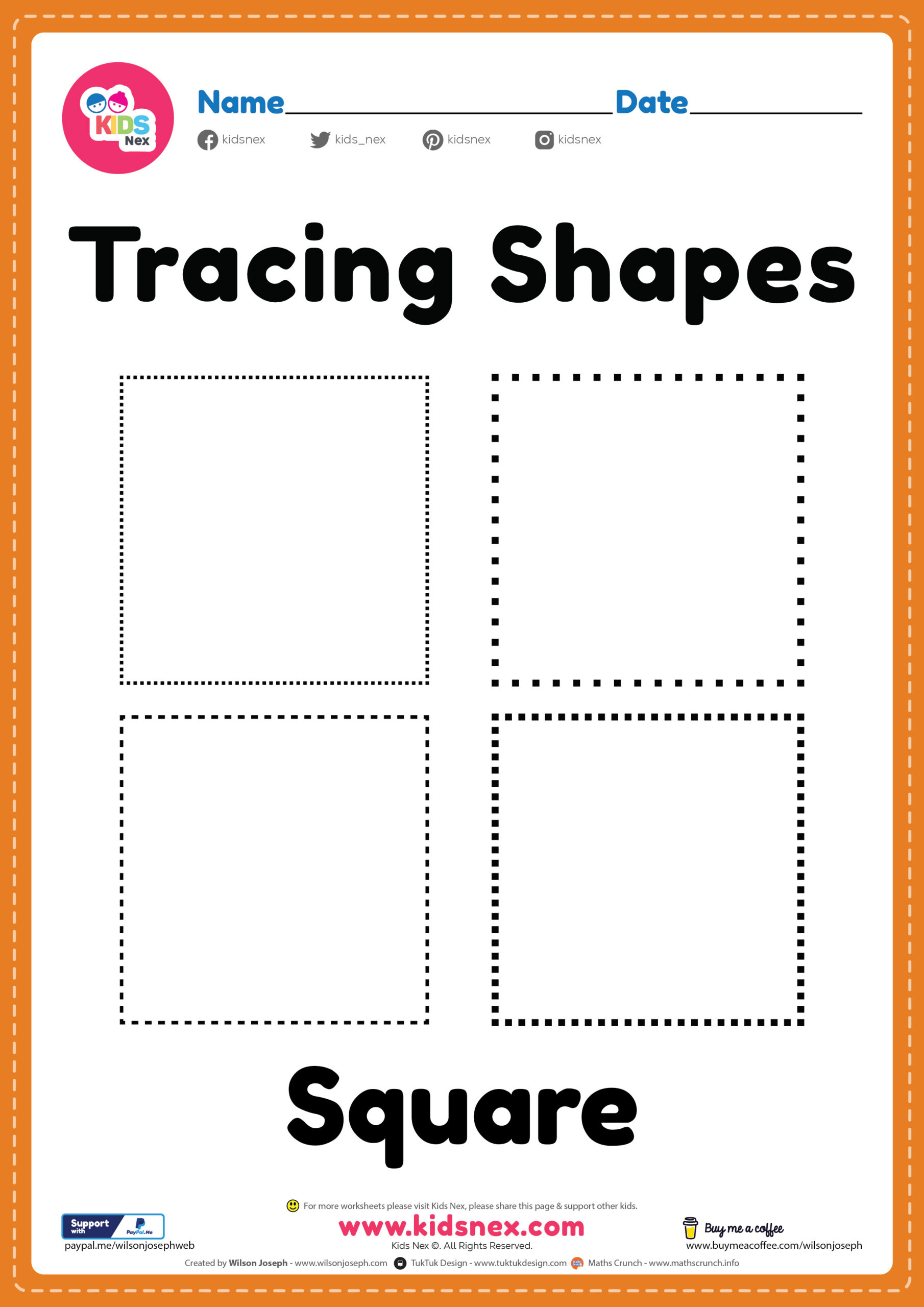
Young learners develop bilateral coordination by stabilizing the paper with one hand while the dominant hand executes the tracing path. Visual-motor integration improves significantly as the eyes guide the hand across the page to stay within designated boundaries. Crossing the midline becomes natural, which is a neurological prerequisite for fluent reading and writing. Additionally, children cultivate directional awareness, learning that standard text and lines flow naturally from left to right. This progression is seamlessly supported by targeted practice found in resources like Shape and Line Tracing.
How to Use This Worksheet
Successful execution relies heavily on environmental setup and physical posture. Position the workspace so that the table hits slightly below the child’s bent elbow, allowing the feet to rest flat on the floor for core stability. Invite learners to trace the paths using various tactile tools, starting with thick crayons or short golf pencils to naturally encourage an efficient tripod grip. Slide the sheets inside heavy-duty plastic sleeves for dry-erase marker practice, which removes the permanence anxiety that often halts hesitant learners. For an even deeper dive into foundational hand skills, explore the comprehensive guides within Fine Motor and Pre-Writing Skills.
Practical Tips for Parents and Teachers
Adults should model correct hand placement explicitly, demonstrating how the thumb and index finger form a dynamic circle while resting on the pencil barrel. Scaffold the experience by lightly guiding the child’s hand through the initial movements before encouraging independent execution. Extend the learning outdoors by asking children to walk along giant chalk lines on the pavement, connecting gross motor whole-body movements directly to paper-based tasks. Notice when hand tension arises and pause for finger stretches or clay manipulation to prevent muscle fatigue. When learners are ready to progress toward early literacy formations, transitional activities become available through Dotted Letters For Tracing.
Age-Appropriate Recommendations
According to the CDC developmental milestones, two-year-old toddlers typically begin imitating vertical strokes and circular scribbles, making thick, simple directional tracks ideal for this age group. By ages three to four, children advance to copying intersecting lines, horizontal marks, and simple pre-writing shapes. Educators and parents working within the NAEYC Developmentally Appropriate Practice framework recognize that young children learn best through hands-on, playful repetition rather than rigid drills. As children approach kindergarten around ages five to six, their endurance increases, allowing for longer, more intricate curving pathways that mimic actual letter and numeral formations.
Fine motor control and visual-motor integration are foundational predictors of later academic success, particularly in early literacy and written expression. — American Occupational Therapy Association
Frequently Asked Questions
Clear guidance regarding printing, developmental timing, and instructional strategies helps adults maximize the benefits of pre-writing practice at home or inside the classroom.
Explore More Free Printable Tracing Worksheets
Supporting a young learner through the early stages of pencil control requires a steady stream of fresh, engaging materials that grow alongside their developing abilities. Providing consistent practice without overwhelming the child helps build genuine confidence and pencil endurance. Explore the full library of educational resources designed for early childhood development by visiting KidTraces.com to find everything necessary for supporting early writing success.
Developmental Milestone & Activity Table
| Development Stage | Recommended Daily Duration | Primary Learning Objective |
|---|---|---|
| Preschool & Pre-K | 10 – 15 Minutes | Pencil grip development & basic pre-stroke lines |
| Kindergarten | 15 – 20 Minutes | Letter/number formation & spatial line awareness |
| Early Elementary (Grade 1–2) | 20 – 30 Minutes | Fluency, sentence construction & neatness |
Images References