Introduction
Many children recognize letters, numbers, and shapes long before their hands possess the intrinsic muscle strength required to cleanly form them on paper. According to the American Occupational Therapy Association, foundational hand strength and visual-motor integration are crucial prerequisites for functional handwriting and classroom success. Adults often notice a gap between a child’s cognitive understanding and their physical ability to control a writing tool. Bridging this gap requires targeted, developmentally sound practice that builds hand endurance without causing fatigue or frustration. The free printable pencil with circle tracing resource addresses this exact need by offering a structured visual pathway for developing crucial pre-writing strokes. It sounds simple, and that’s the point: mastering basic shapes creates the neural and muscular pathways necessary for advanced literacy. Children engage naturally with playful motifs, translating visual tracking into physical pencil control.
💡 Educational Key Takeaways:
- Core Skill: Structured Pencil With Circle Tracing focused on developing pencil grip, stroke control, and early literacy/math confidence.
- Target Scope: Suited for homeschoolers, preschool, kindergarten, and elementary learners.
- Best Recommendation: Practice 10–15 minutes daily with ergonomic writing tools to reinforce muscle memory without hand fatigue.
What This Worksheet Covers
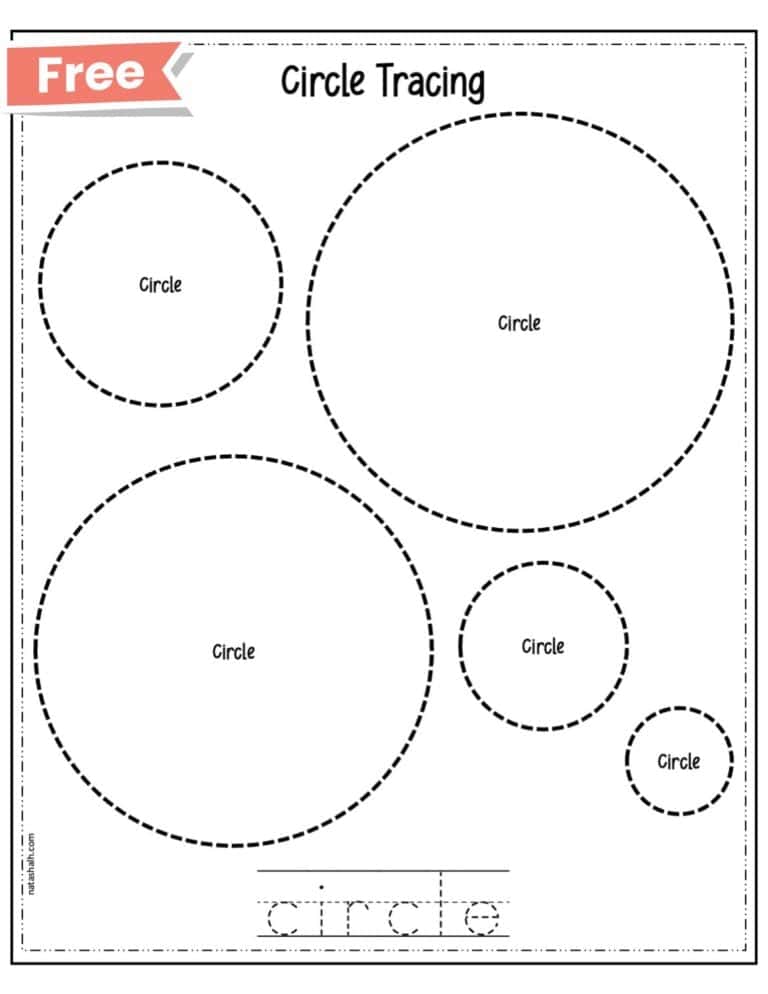
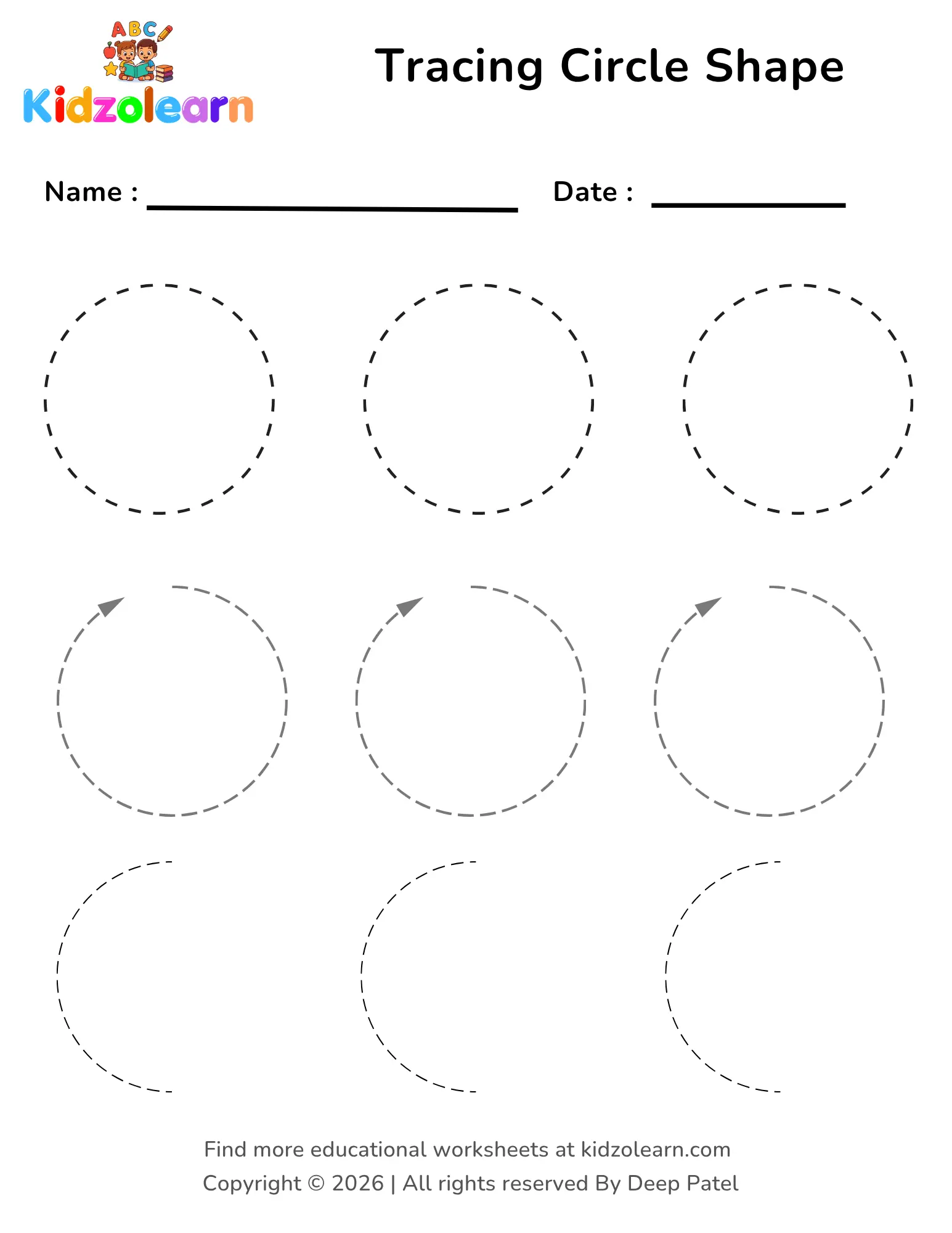
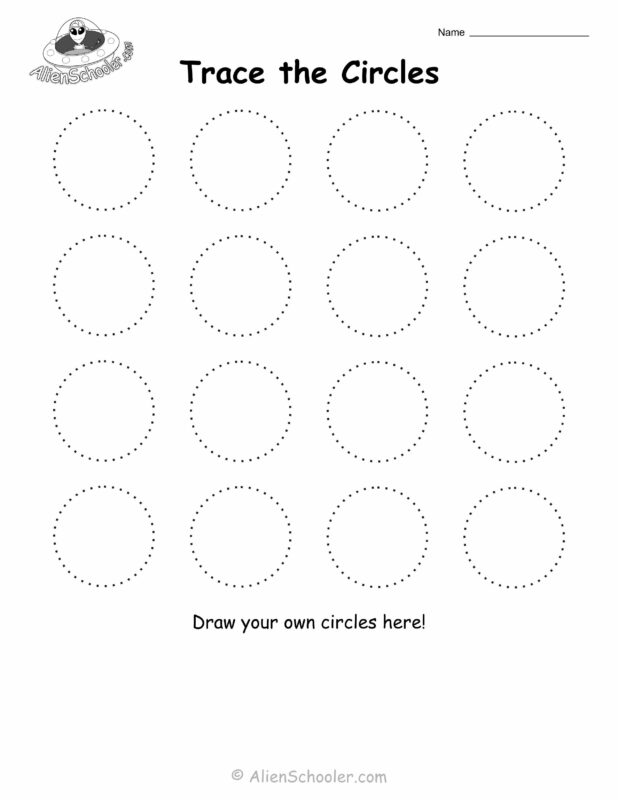
This specific printable targets the foundational mechanics of continuous curved motion and spatial awareness. Circular shapes demand smooth coordination of the wrist, fingers, and eyes, moving far beyond simple vertical or horizontal lines. When tracing from a starting point around a circular track, young learners practice fluid movement, deceleration, and directional shifts. These motions mimic the foundational loops found in many lowercase letters, including ‘a’, ‘c’, ‘g’, and ‘o’. Furthermore, incorporating a familiar object like a pencil into the sheet design anchors the activity in real-world contexts, helping children connect abstract tracing tasks with actual writing tools. Here’s what makes this worksheet different: it emphasizes continuous flow rather than rigid, segmented line-drawing, which encourages a natural dynamic tripod grasp.
Key Learning Outcomes
Targeted engagement with this printable yields several critical developmental milestones across early childhood. First, children refine their visual-motor integration, learning to coordinate what the eyes perceive with how the hand moves across the page. Second, the continuous motion required for circular paths strengthens the small muscles inside the hand, often called intrinsic hand muscles, which are vital for sustained pencil control. Third, learners develop directional consistency by practicing counter-clockwise movements that align with standard Western handwriting conventions. Fourth, the activity fosters sustained attention to task, helping children build the visual stamina needed for longer classroom writing sessions. Finally, mastering these pre-writing curves naturally supports progress within a broader Shape and Line Tracing curriculum.
How to Use This Worksheet
Successful implementation relies on meeting children at their current developmental level rather than forcing rigid compliance. Begin by observing how the child holds the writing utensil, offering gentle adjustments toward a functional grasp without stifling enthusiasm. Placing the paper on a slight vertical slant, using a slanted writing board or a sturdy binder, can naturally encourage the wrist extension needed for effective pencil control. Encourage tracing with an index finger first to build muscle memory before introducing a crayon, marker, or pencil. If a child struggles with fatigue, break the practice into short, manageable blocks of time rather than demanding the completion of an entire page in one sitting. For children needing additional foundational support, exploring resources within Fine Motor and Pre-Writing Skills can provide complementary hand-strengthening ideas.
Practical Tips for Parents and Teachers
Adults play a powerful role in scaffolding these early writing experiences through thoughtful modeling and supportive feedback. Sit beside the child and demonstrate how to trace a circle slowly, verbalizing the motion by saying things like “around and around” to reinforce the rhythmic flow. Scaffold the activity by holding the paper steady for younger learners or by drawing initial starting dots in bright, contrasting colors to guide visual placement. Extend the learning by asking children to identify other circular objects in the room after finishing the sheet, connecting paper-based tasks to their physical environment. Avoid criticizing stray marks or going outside the lines, as early motor planning is inherently messy and requires immense trial and error. For those seeking supplementary practice materials tailored to specific letter forms, browsing through Dotted Letters For Tracing offers wonderful next steps.
Age-Appropriate Recommendations
Developmental expectations vary significantly across the early childhood span, aligning closely with established frameworks like the National Association for the Education of Young Children Developmentally Appropriate Practice. For toddlers and young preschoolers ages two to four, the focus remains on gross motor control, large circular arm movements, and sensory exploration using thick crayons or finger paints. According to the Centers for Disease Control and Prevention, children around age four typically begin drawing a circle with some degree of recognizable closure and copying simple shapes. By ages five through eight, children transition into refined pencil grips, controlled finger movements, and precise letter and number formation. During these early elementary years, tracing circular forms reinforces the precise spatial boundaries required for formal writing instruction. To find more theme-based variations that maintain high engagement for these age groups, educators can explore Seasonal and Fun Themes.
Visual-motor integration and manual dexterity are foundational predictors of early academic success and functional handwriting development. — American Occupational Therapy Association
Frequently Asked Questions
Clear answers to common questions help caregivers maximize the benefits of tracing practice.
Explore More Free Printable Tracing Worksheets
Supporting a young learner through the journey of pre-writing development is a rewarding process that benefits from access to diverse, high-quality materials. Every child progresses at their own unique pace, requiring varied levels of challenge and visual engagement to stay motivated. A comprehensive library of resources can make finding the right worksheet effortless for busy parents, teachers, and therapists alike. To discover a wide array of engaging educational printables designed for every stage of early literacy, visit the main collection at KidTraces.com and explore all available categories today.
Developmental Milestone & Activity Table
| Development Stage | Recommended Daily Duration | Primary Learning Objective |
|---|---|---|
| Preschool & Pre-K | 10 – 15 Minutes | Pencil grip development & basic pre-stroke lines |
| Kindergarten | 15 – 20 Minutes | Letter/number formation & spatial line awareness |
| Early Elementary (Grade 1–2) | 20 – 30 Minutes | Fluency, sentence construction & neatness |
Images References