Introduction
Many children recognize letters, shapes, and numbers long before their fine motor skills can physically form them on a page. According to the American Occupational Therapy Association, foundational hand strength and visual-motor coordination must develop before children can comfortably manage traditional writing tools. Young learners often possess rich imaginative ideas and early literacy awareness that outpace their physical control. Bridging that gap requires purposeful practice that feels less like academic drilling and more like play. Utilizing line tracing for toddlers offers a gentle, engaging entry point into pencil control without the heavy demands of letter formation. It sounds simple, and that is precisely the point. Through guided paths, directional lines, and playful shapes, young children build the neural pathways and muscle memory essential for future academic success.
💡 Educational Key Takeaways:
- Core Skill: Structured Line Tracing For Toddlers focused on developing pencil grip, stroke control, and early literacy/math confidence.
- Target Scope: Suited for homeschoolers, preschool, kindergarten, and elementary learners.
- Best Recommendation: Practice 10–15 minutes daily with ergonomic writing tools to reinforce muscle memory without hand fatigue.
What This Worksheet Covers
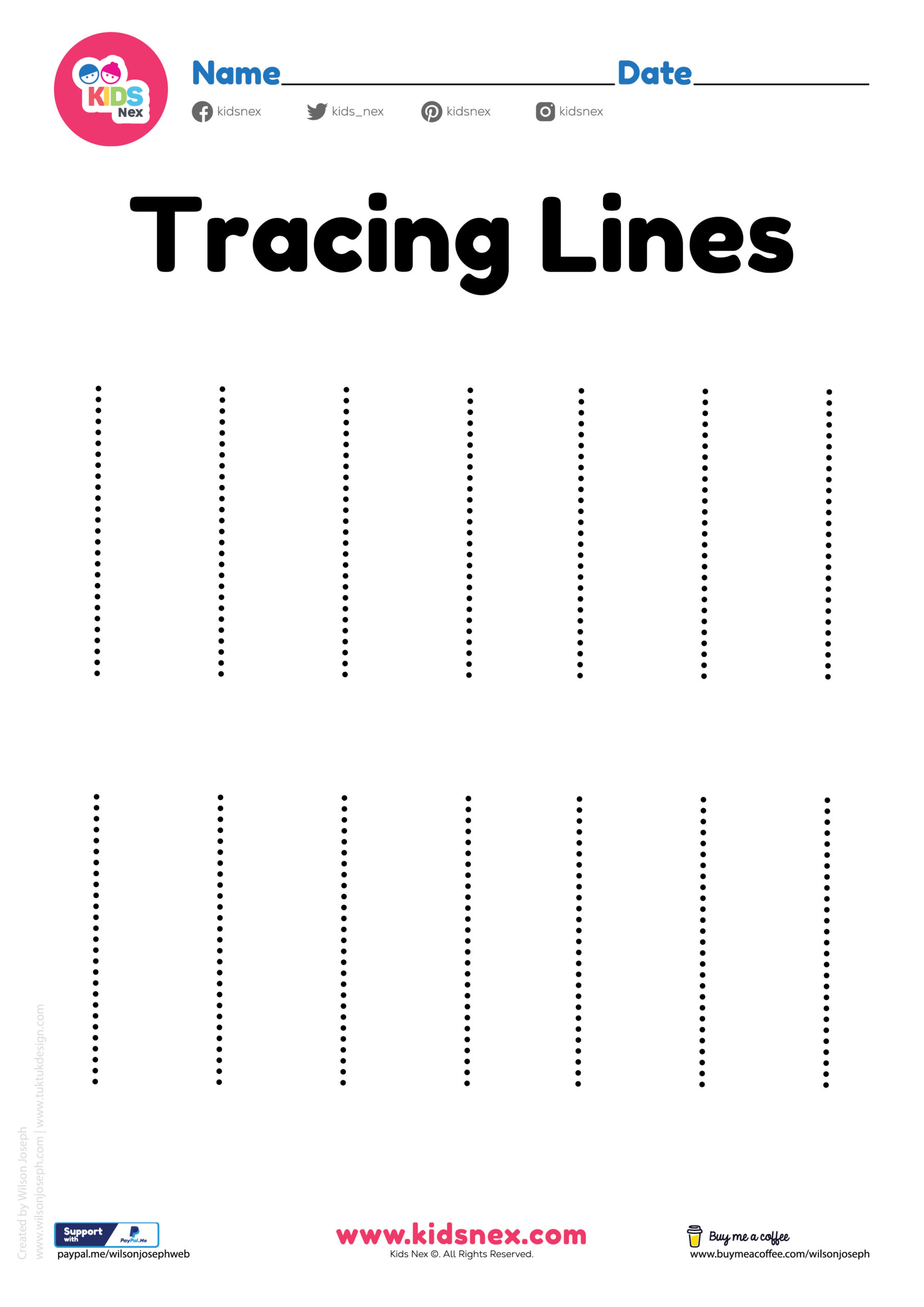
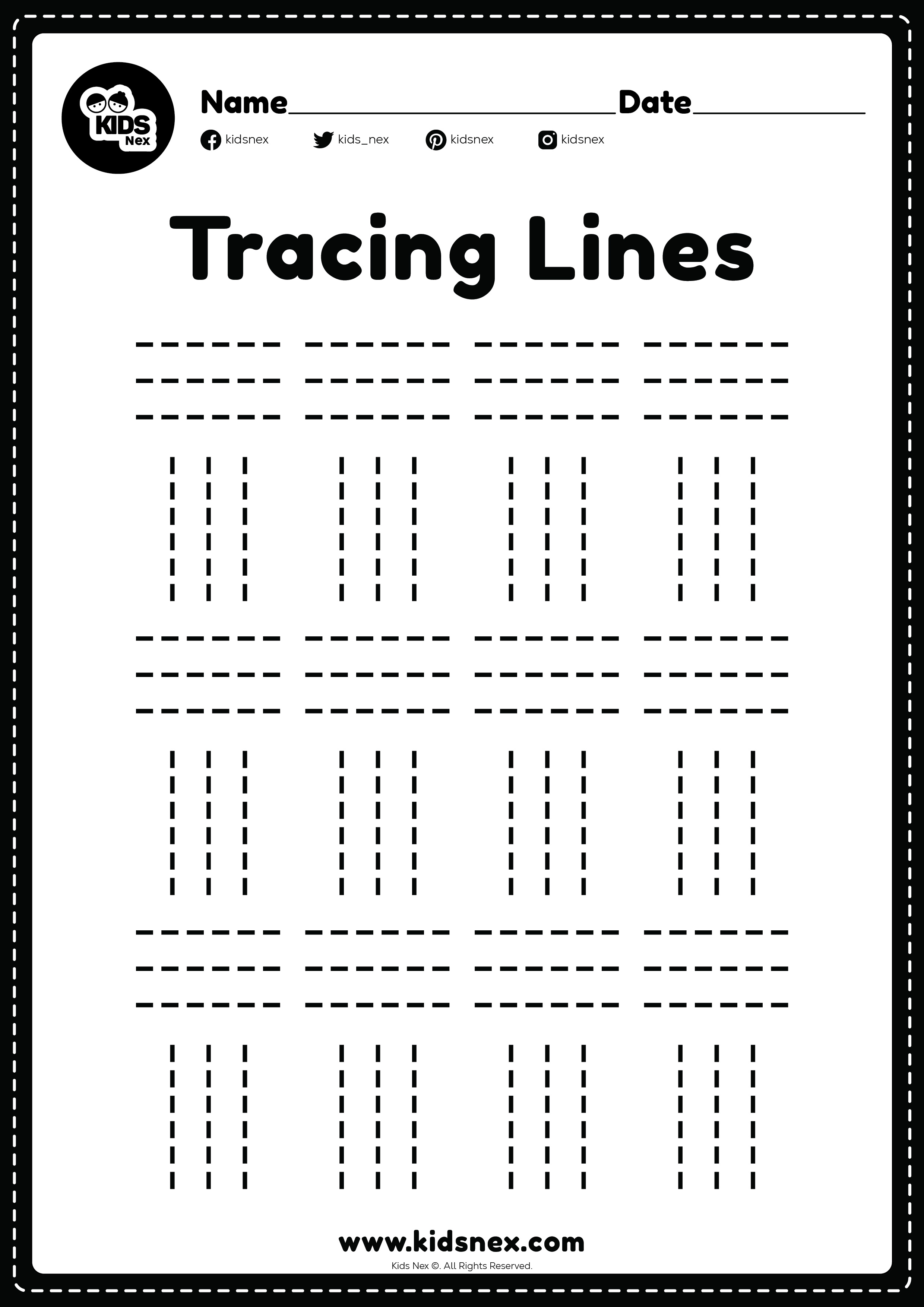
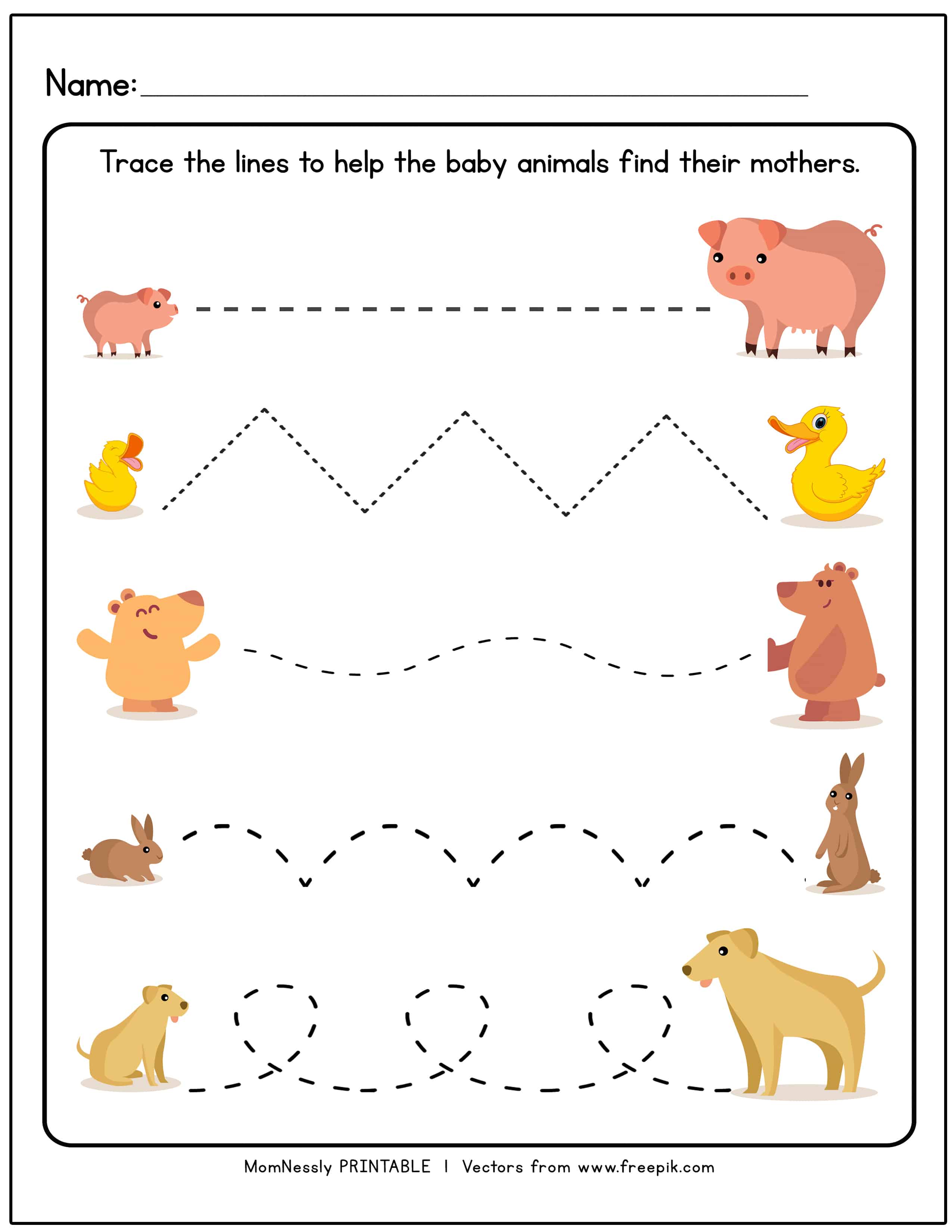
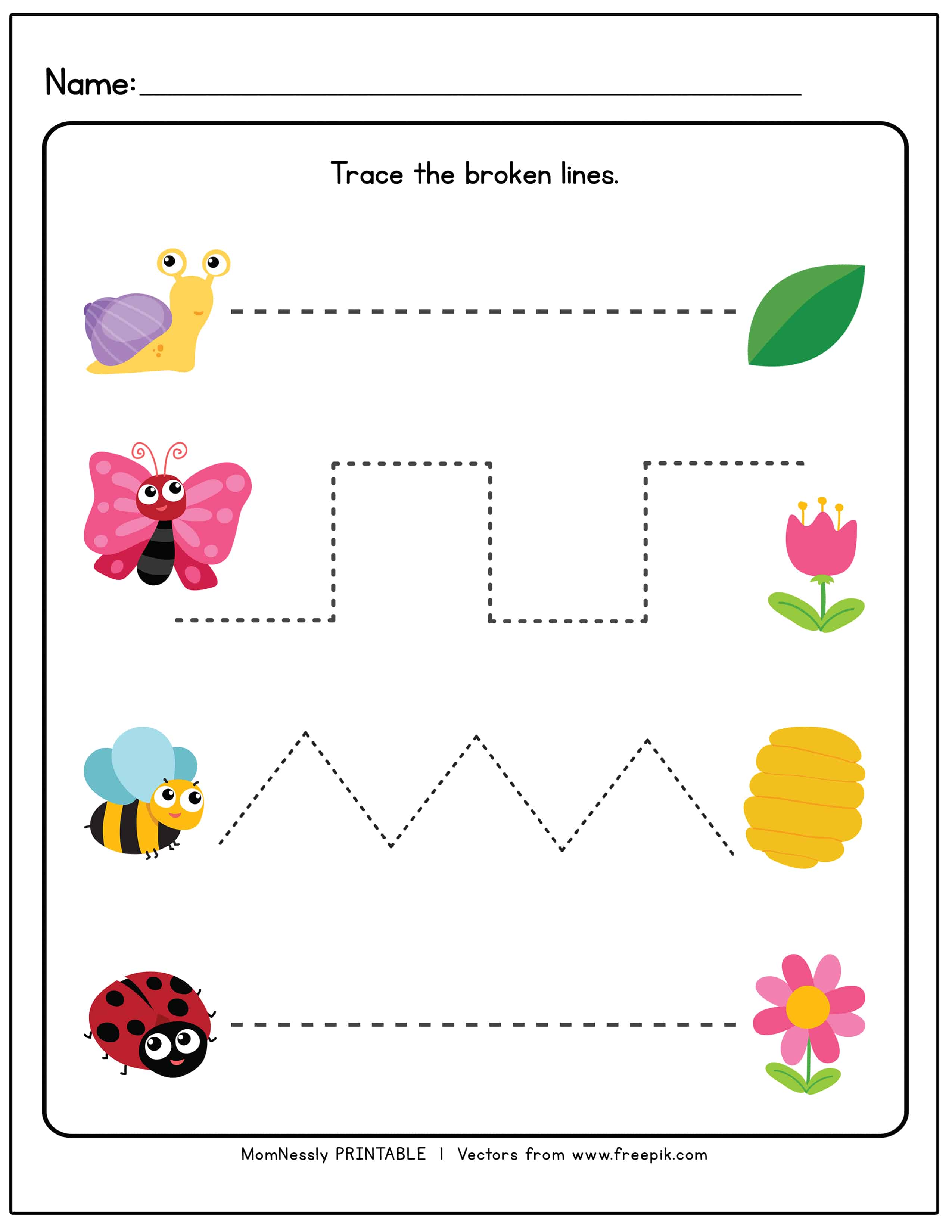
Mastering the written word begins long before the first spelling test, starting with the fundamental strokes that construct every letter and number in the alphabet. This printable targets horizontal, vertical, diagonal, and curved lines, which serve as the basic architectural blocks of writing. Children encounter various visual layouts designed to challenge visual-spatial attention and bilateral coordination. Instead of jumping straight into complex letter configurations, learners practice stopping, starting, and changing direction smoothly. Here is what makes this worksheet different: it isolates the motor planning component from the cognitive load of spelling, allowing full focus on hand-eye synchronization and pencil stewardship. As children navigate zig-zags, loops, and gentle waves, they instinctively refine the exact wrist and finger movements required later for legible handwriting.
Key Learning Outcomes
Engaging regularly with these structured tracing exercises yields measurable improvements in early childhood development. Children strengthen the intrinsic muscles of the hand, particularly the small muscles in the fingers and palm that stabilize a writing instrument. Visual tracking skills improve as young eyes learn to scan a page from left to right, anticipating the path ahead rather than just reacting to the tip of the pencil. Motor planning—or praxis—is heavily reinforced, teaching the brain how to translate a visual command into a controlled physical action. Additionally, children develop sustained focus and frustration tolerance, learning how to stay on track through an entire visual pathway. These outcomes lay the groundwork for overall confidence during early learning experiences, easing the transition into formal school settings.
How to Use This Worksheet
Implementation requires a balance of structure and freedom, ensuring the child remains engaged rather than overwhelmed. Begin by printing the activity on heavy cardstock if possible, or slip the paper inside a dry-erase sleeve to allow for repeated, stress-free attempts. Allow toddlers to explore the lines first using thick crayons, chubby markers, or even a bare finger tracing the path in the air or on the paper. For further exploration of foundational pencil control, educators often integrate resources from Shape and Line Tracing to vary the visual stimuli. It helps to keep sessions short—five to ten minutes is often the sweet spot for young attention spans. Celebrating small victories, like staying near the center of a winding road, builds intrinsic motivation and keeps the learning environment positive.
Practical Tips for Parents and Teachers
Guiding pencil grip early prevents the formation of fatiguing habits that are difficult to correct later in childhood. Adults should model a functional tripod or quadrupod grasp, encouraging the thumb, index, and middle fingers to share the load. Scaffolding is key; if a child struggles with intricate curves, gently place a hand over theirs to guide the initial motion, gradually fading the physical support as confidence grows. When fine motor fatigue sets in—signified by a white-knuckled grip or poor posture—pause the activity immediately. To expand the learning continuum, pair these exercises with activities found in Fine Motor and Pre-Writing Skills to build holistic hand strength through playdough, tongs, and safety scissors. Consistency and patience remain the most powerful tools in any educator’s kit.
Age-According Recommendations
According to the National Association for the Education of Young Children Developmentally Appropriate Practice framework, toddlers and preschoolers learn best through active, hands-on exploration that respects individual developmental timelines. For two-year-olds, the focus should rest entirely on gross movements, thick writing utensils, and simple vertical or horizontal lines that do not require complex wrist rotation. By age three and four, children typically develop the dexterity to manage gentle curves, zig-zags, and early shape outlines. Kindergarteners and older children working on specialized motor planning can utilize more intricate paths, eventually transitioning to structured practice available via Alphabet And Numbers Tracing when readiness signs appear. Recognizing that every child matures at a distinct pace ensures that tracing remains an encouraging, joyful milestone rather than a source of frustration.
Foundational hand strength and visual-motor coordination must develop before children can comfortably manage traditional writing tools. — American Occupational Therapy Association
Frequently Asked Questions
Finding the right approach to early writing can bring up many questions for caregivers and educators navigating developmental milestones. The answers below address common queries regarding printing logistics, motor skill foundations, and developmental expectations.
According to the Centers for Disease Control and Prevention milestones, children typically develop the hand-eye coordination needed for basic drawing and pre-writing tasks between ages three and four. — CDC
Explore More Free Printable Tracing Worksheets
Supporting a developing writer involves introducing a wide variety of engaging visual prompts that capture natural curiosity. Discovering new ways to practice pencil control keeps children excited about progress and eager to tackle new challenges each week. For targeted letter practice, explore the collection at Dotted Letters For Tracing. To celebrate holidays and changing seasons while building essential skills, browse the options available within Seasonal and Fun Themes. Every child’s learning journey is unique, and having access to a diverse library makes customization effortless. Visit the complete collection of learning materials at KidTraces.com to support early childhood development at home or in the classroom.
Developmental Milestone & Activity Table
| Development Stage | Recommended Daily Duration | Primary Learning Objective |
|---|---|---|
| Preschool & Pre-K | 10 – 15 Minutes | Pencil grip development & basic pre-stroke lines |
| Kindergarten | 15 – 20 Minutes | Letter/number formation & spatial line awareness |
| Early Elementary (Grade 1–2) | 20 – 30 Minutes | Fluency, sentence construction & neatness |
Images References