Introduction
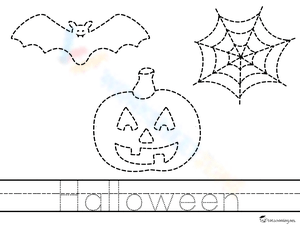
Many children recognize letters, numbers, and symbols long before their fine motor skills can consistently form them on paper. According to the National Association for the Education of Young Children (NAEYC), meaningful early childhood learning happens through playful, hands-on experiences that connect developmental milestones to joyful daily activities. Bridging this gap between visual recognition and physical execution requires targeted practice that feels more like play than work. Enter the free printable halloween chocolate tracing shapes, a specialized resource designed to capture children’s imaginations while building essential pre-writing foundations. By combining a universally appealing theme of sweet treats with structured graphic pathways, this printable transforms pencil control exercises into an engaging seasonal adventure that supports early literacy and visual-motor integration.
💡 Educational Key Takeaways:
- Core Skill: Structured Halloween Chocolate Tracing Shapes focused on developing pencil grip, stroke control, and early literacy/math confidence.
- Target Scope: Suited for homeschoolers, preschool, kindergarten, and elementary learners.
- Best Recommendation: Practice 10–15 minutes daily with ergonomic writing tools to reinforce muscle memory without hand fatigue.
What This Worksheet Covers
This specific activity focuses heavily on building hand strength, bilateral coordination, and line control through themed visual motifs. Many children struggle with pencil pressure and fluid stroke execution because early hand muscles tire quickly. Working with seasonal shapes helps address this by breaking down complex graphic paths into manageable, bite-sized segments resembling wrapped chocolates and confections. The layout provides structured visual boundaries that guide the writing hand across horizontal, vertical, diagonal, and curved trajectories, mirroring the precise movements required for letters and numerals found across Shape and Line Tracing collections. Children learn to stabilize the paper with one hand while executing smooth, controlled marks with the dominant hand, fostering essential muscle memory.
Key Learning Outcomes
Participating in this targeted tracing exercise yields multiple developmental gains that extend far beyond simple paper-and-pencil tasks. Learners refine their visual-spatial awareness by navigating paths that twist, turn, and loop around distinct sweet-themed outlines. Hand-eye coordination improves significantly as little eyes track the pencil tip moving along dotted pathways, reinforcing the brain’s ability to direct physical movement based on visual input. Additionally, children build intrinsic finger dexterity and endurance, which are vital components typically cultivated through Fine Motor and Pre-Writing Skills programs. Learners also gain confidence in stopping, starting, and changing direction without lifting the writing tool, establishing a strong foundation for future cursive and print handwriting fluency.
How to Use This Worksheet
Successful implementation relies on creating an inviting workspace where children feel relaxed and supported rather than rushed. Printing the sheets on slightly heavier cardstock prevents tearing from enthusiastic pencil pressure and allows for repeated use if slipped inside a clear dry-erase pocket. According to Reading Rockets, incorporating multisensory elements into early writing instruction helps solidify neural pathways for letter formation. Adults can encourage children to trace the chocolate contours with a finger before picking up a marker or crayon, establishing a tactile preview of the movement pattern. Pairing the printable with thematic storytelling about a magical chocolate factory adds narrative motivation, keeping attention spans high and reducing hand fatigue frustration.
Practical Tips for Parents and Teachers
Establishing an efficient pencil grip early prevents long-term hand fatigue and ensures optimal finger mobility during writing tasks. Adults should gently encourage a functional tripod or quadripod grasp, ensuring the writing tool rests comfortably against the side of the middle finger while thumb and index fingers control the tip. Scaffolding the activity involves starting with thicker crayons or specialized shorter pencils, which naturally encourage proper finger positioning over a tight fist grasp. When extending the learning for older children, educators can challenge them to trace the shapes backward, use non-dominant hands for a coordination challenge, or incorporate these templates into broader units found within Seasonal and Fun Themes curricula. Patience and positive reinforcement remain the most effective tools for building lasting physical confidence.
Age-Appropriate Recommendations
Developmental expectations must align with physical maturity, adhering closely to the guidelines outlined in the CDC developmental milestones for childhood growth. For younger children aged two to four, the focus centers on gross arm movements, horizontal and vertical line imitation, and exploring thick writing utensils across large shapes without strict adherence to boundaries. By ages five through eight, children transition into refined pencil control, precise corner navigation, and deliberate stroke inhibition as outlined in foundational handwriting frameworks like Handwriting Without Tears. This ensures that younger learners enjoy the sensory aspect of exploring holiday-themed outlines, while older children utilize the exact same templates to refine pencil pressure regulation and curve fluidity.
Fine motor control and visual-motor integration are foundational predictors of later academic success, heavily influenced by purposeful play and guided tracing practice during early childhood. — National Association for the Education of Young Children (NAEYC)
Frequently Asked Questions
Parents and educators frequently ask how to make the most of these printable resources at home or in the classroom. Below are answers to common questions regarding downloading, developmental benefits, and expert recommendations.
Explore More Free Printable Tracing Worksheets
Supporting a child’s journey toward fluent writing involves offering a wide variety of engaging, developmentally appropriate practice materials. Exploring different visual layouts keeps enthusiasm high and addresses diverse learning needs across various developmental stages. Educators and caregivers can browse an extensive collection of structured activities by visiting the full library at KidTraces.com to discover resources tailored for every step of the early childhood writing journey, including specialized practice found under Tracing Worksheets.
Developmental Milestone & Activity Table
| Development Stage | Recommended Daily Duration | Primary Learning Objective |
|---|---|---|
| Preschool & Pre-K | 10 – 15 Minutes | Pencil grip development & basic pre-stroke lines |
| Kindergarten | 15 – 20 Minutes | Letter/number formation & spatial line awareness |
| Early Elementary (Grade 1–2) | 20 – 30 Minutes | Fluency, sentence construction & neatness |
Images References