Introduction
Many young children recognize letters and symbols long before their fine motor skills can actually form them on paper. According to the Centers for Disease Control and Prevention milestones, toddlers typically develop the hand-eye coordination required to imitate simple vertical and horizontal strokes around age two. Pencil control does not happen overnight. It builds slowly through repeated exposure to fundamental pre-writing shapes. The free shape worksheets for toddlers bridge the gap between visual understanding and physical execution. Tracing basic geometries gives small hands the foundational practice needed for future handwriting success.
💡 Educational Key Takeaways:
- Core Skill: Structured Free Shape Worksheets For Toddlers focused on developing pencil grip, stroke control, and early literacy/math confidence.
- Target Scope: Suited for homeschoolers, preschool, kindergarten, and elementary learners.
- Best Recommendation: Practice 10–15 minutes daily with ergonomic writing tools to reinforce muscle memory without hand fatigue.
What This Worksheet Covers
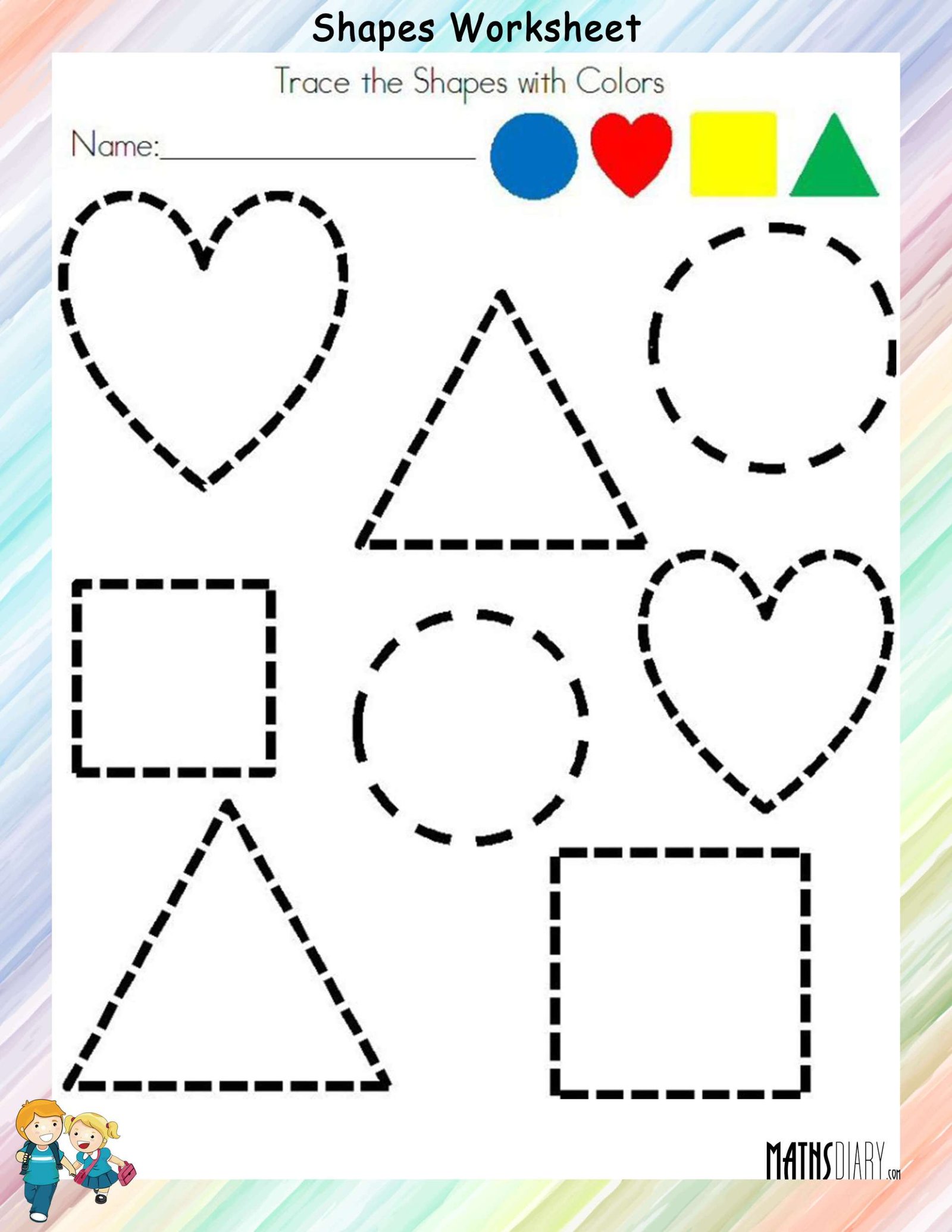
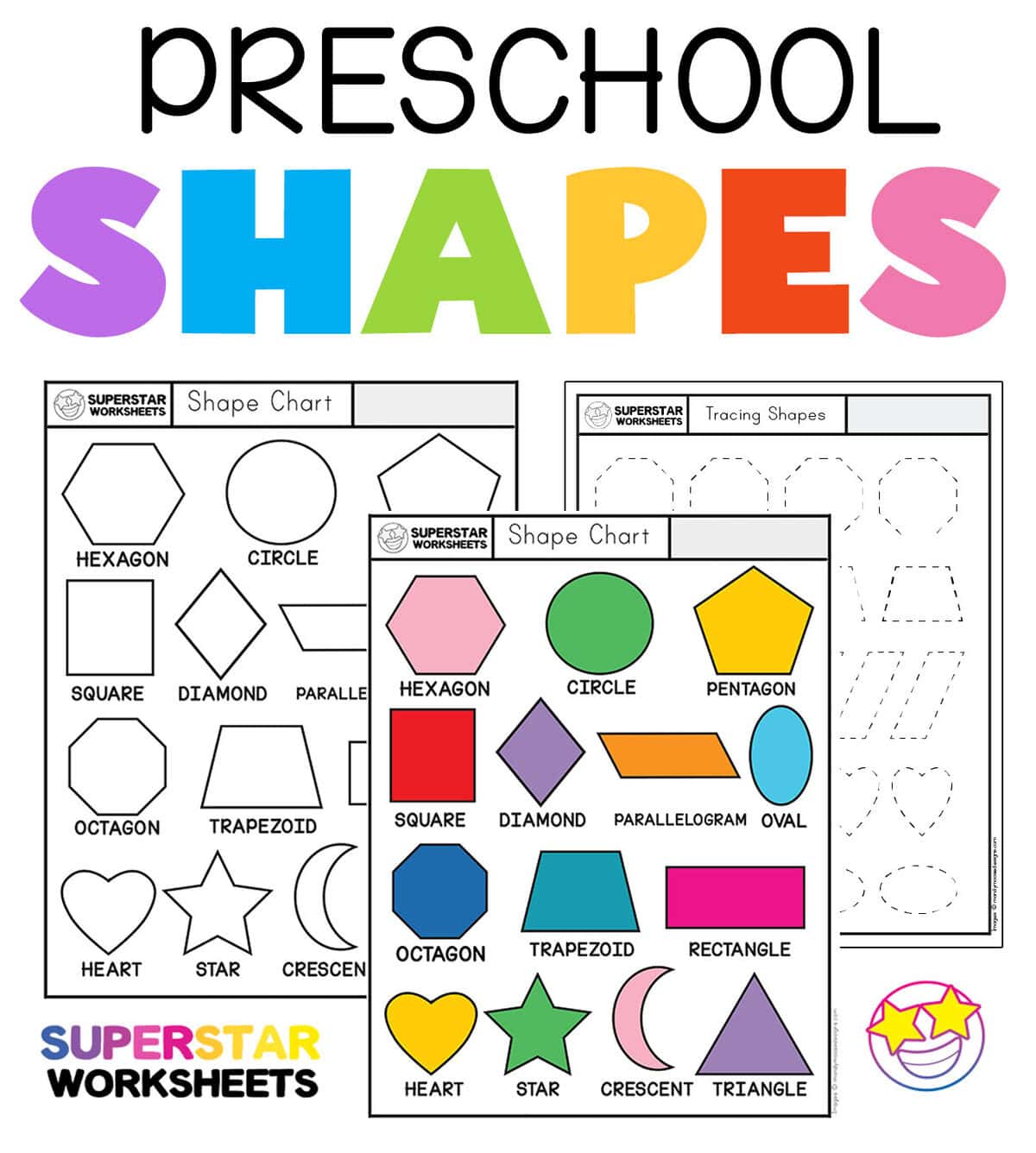
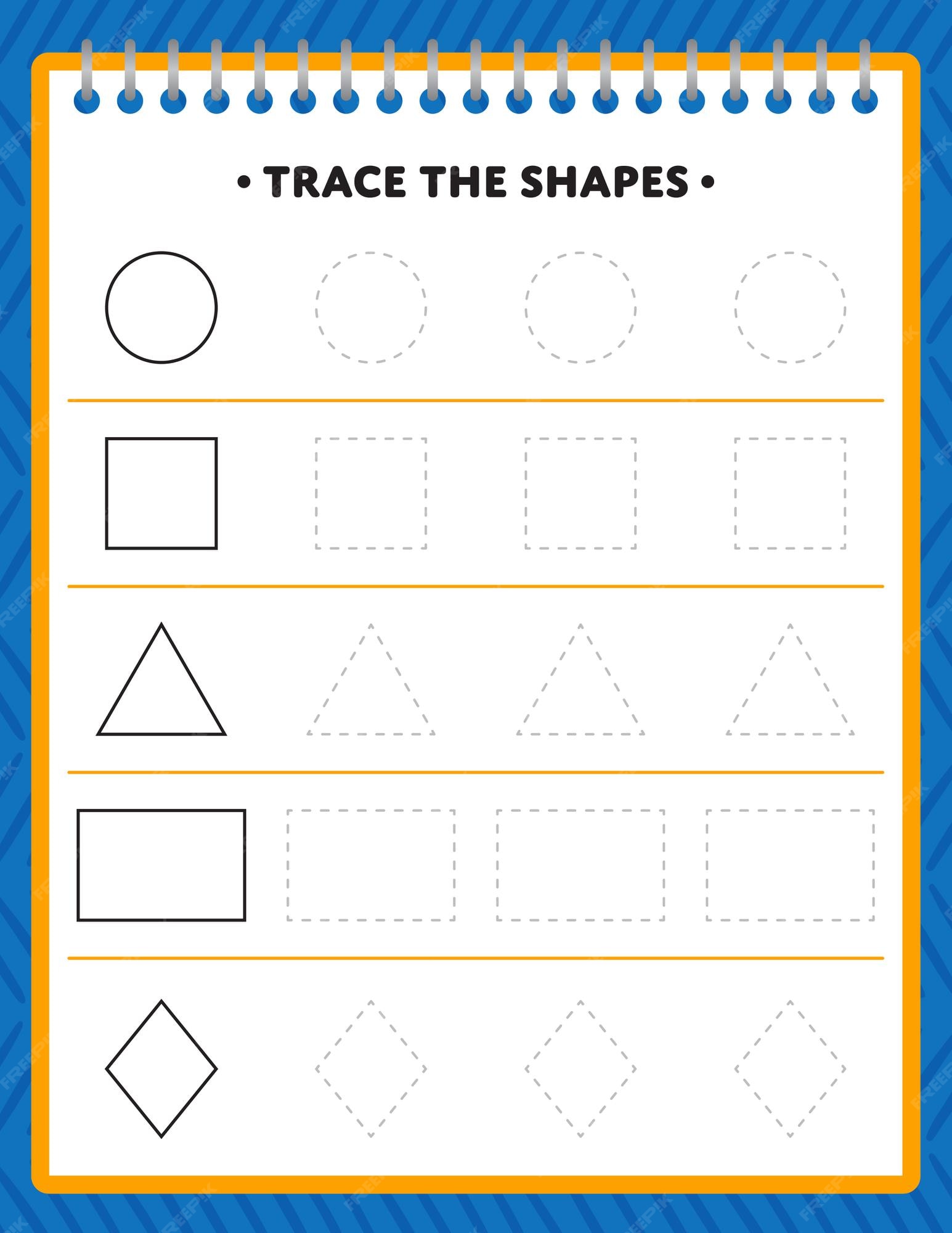
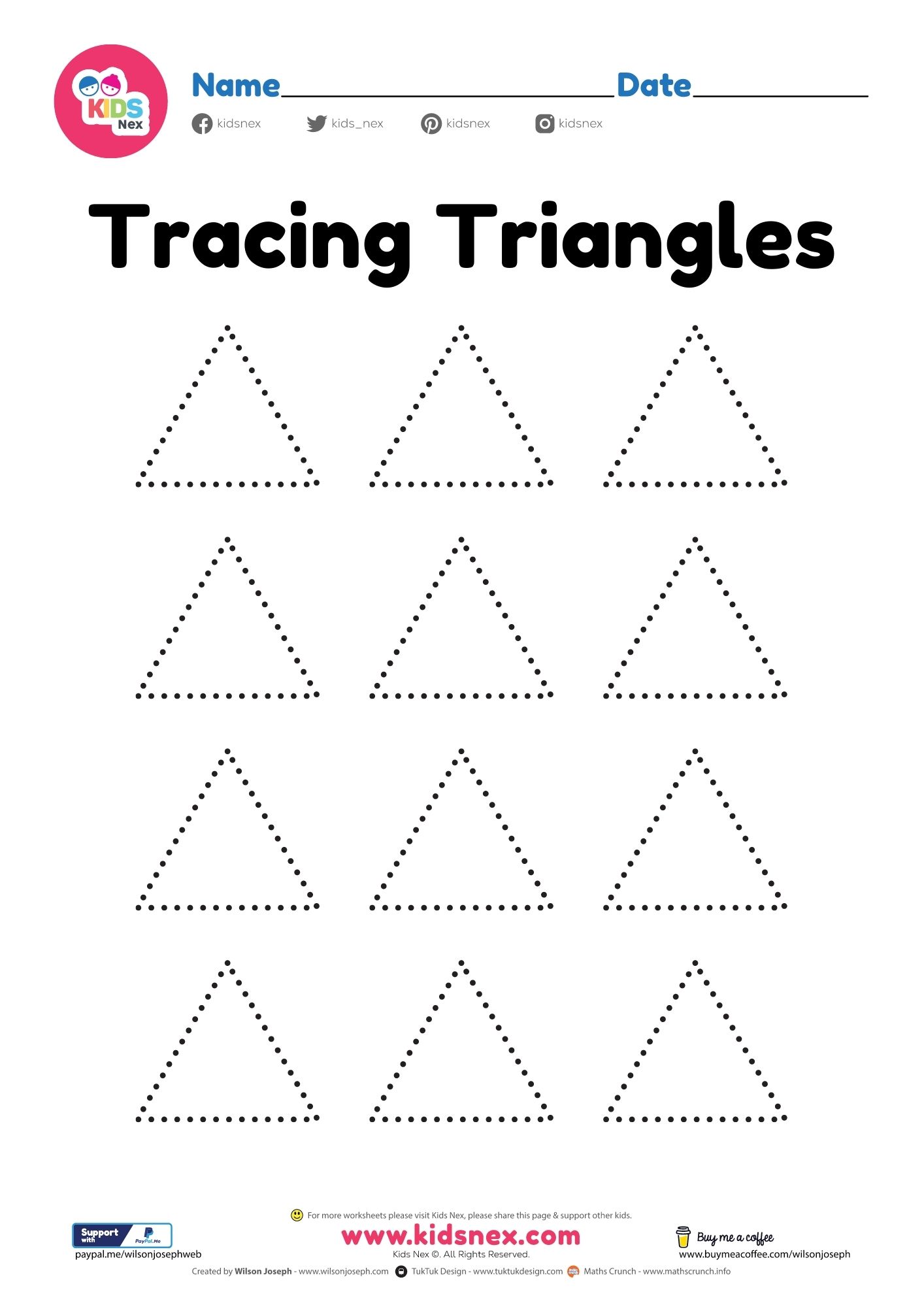
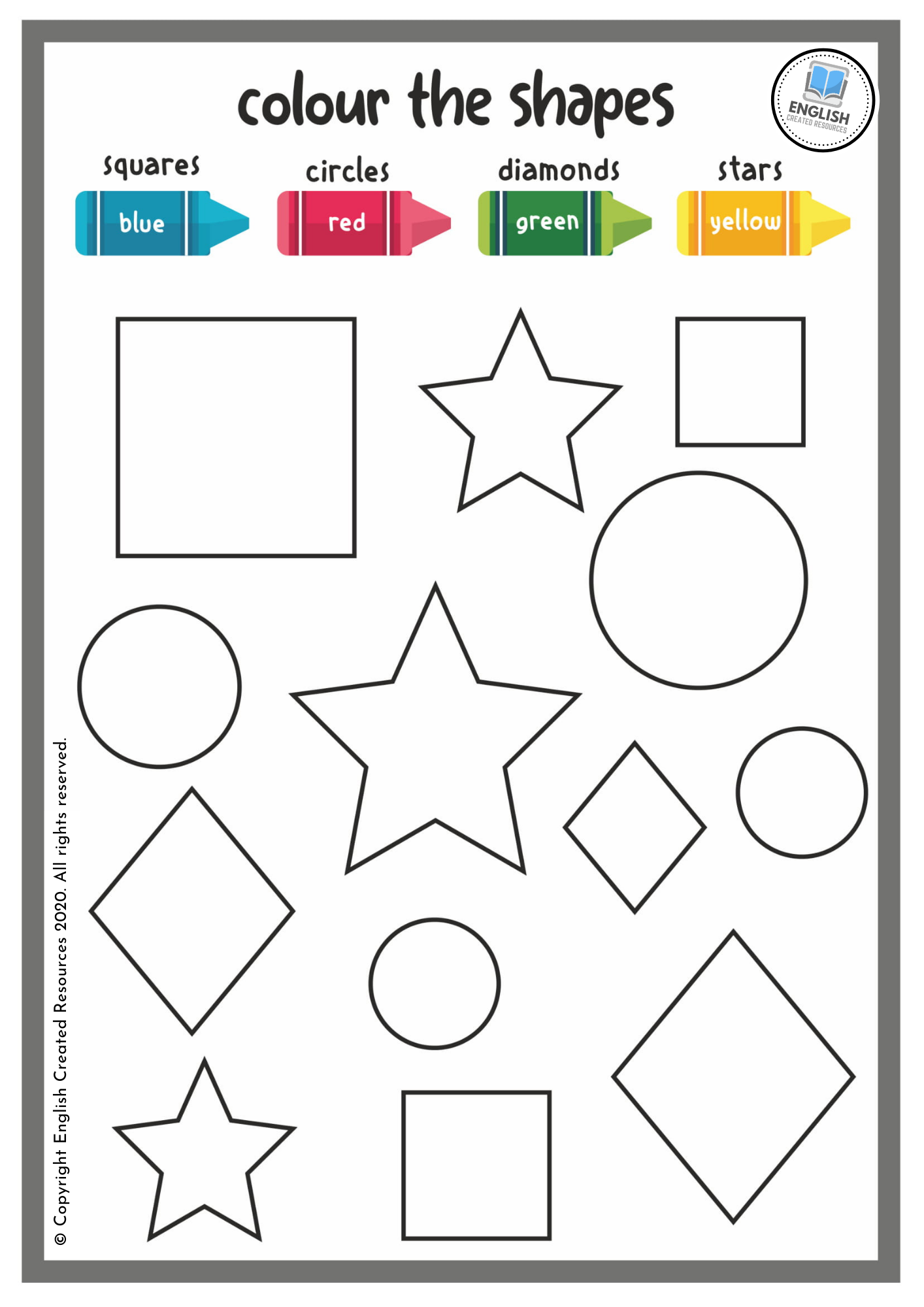
These specialized tracing pages focus on foundational visual-motor shapes that lay the groundwork for formal writing. Children encounter circles, squares, triangles, and intersecting lines, which form the structural components of both letters and numbers. Working through these templates challenges hand muscles to maintain continuous contact with the writing surface. It sounds simple, and that is the point. Mastery of a simple curve or straight line reduces the cognitive load later when children must remember spelling while simultaneously forming letters. Beyond basic geometry, these pages build spatial awareness on a flat sheet of paper. Practitioners often notice that children who struggle with open versus closed shapes experience greater difficulty with letter formation later. That is why targeted practice with shapes is so vital during the preschool years. More foundational resources are available within the broader collection of Shape and Line Tracing activities designed to strengthen pencil control.
Key Learning Outcomes
Children engaging with these pages build core competencies in visual-motor integration and bilateral coordination. Hand strength improves steadily as fingers learn to apply consistent downward pressure without fatiguing. Visual tracking abilities sharpen as eyes guide the hand smoothly along dotted paths from left to right and top to bottom. Spatial planning develops naturally as little learners anticipate corners and curves before their pencil reaches them. These foundational strokes align closely with broader developmental goals found throughout Fine Motor and Pre-Writing Skills programs, ensuring every stroke serves a greater developmental purpose.
How to Use This Worksheet
Success with early tracing materials depends heavily on the initial setup and environmental approach. Placing the paper on a flat, non-slip surface prevents unnecessary frustration caused by shifting sheets. Adults should encourage a functional grasp without forcing an unnatural grip too early, keeping in mind that hand muscles are still maturing. It helps to invite children to trace the shapes first with an index finger before picking up a writing utensil. This multisensory approach activates tactile pathways in the brain. For continuous practice across multiple sessions, slipping the pages into heavy-duty plastic sleeves and using dry-erase markers works wonderfully. When children make mistakes, gentle redirection helps them notice where the pencil drifted off the path. Additional inspiration for engaging young learners can be found by browsing through Tracing Worksheets to find complementary skill-building tasks.
Practical Tips for Parents and Teachers
Scaffolding instruction means starting with large, bold strokes and gradually moving toward more intricate designs as control improves. Short, frequent sessions lasting five to ten minutes yield better results than long, exhausting practice blocks. Modeling correct stroke directionality helps prevent bad habits that become difficult to break later in elementary school. Adults can make the experience tactile by having children trace textured outlines made from yarn or glue before using a pencil. Praising effort and pencil control rather than perfection keeps motivation high during early childhood development.
Age-Appropriate Expectations
According to the National Association for the Education of Young Children guidelines for developmentally appropriate practice, toddlers aged two to three typically master vertical lines, horizontal lines, and simple circular motions. Four-year-olds progress toward drawing crosses, diagonal lines, and recognizable shapes with intersecting points. Pushing children beyond their current neurological and physical readiness often leads to a strong aversion to writing tasks. Respecting this natural developmental timeline ensures that pre-writing remains a positive, confidence-building experience for every growing child.
Children typically achieve the ability to imitate a vertical line and a circular stroke by age two, progressing to intersecting lines and complex shapes by age four — Centers for Disease Control and Prevention Developmental Milestones
Frequently Asked Questions
Navigating early childhood education tools raises common questions among educators and caregivers. The answers below address the most frequent inquiries regarding printing, skill development, and developmental milestones.
Explore More Free Printable Tracing Worksheets
Supporting a young learner involves offering a rich variety of engaging practice materials over time. Exploring the full library at KidTraces.com opens up countless opportunities to nurture early literacy and fine motor control. Every printable resource is crafted with child development principles in mind, ensuring a smooth transition from playful scribbles to confident, independent writing.
Developmental Milestone & Activity Table
| Development Stage | Recommended Daily Duration | Primary Learning Objective |
|---|---|---|
| Preschool & Pre-K | 10 – 15 Minutes | Pencil grip development & basic pre-stroke lines |
| Kindergarten | 15 – 20 Minutes | Letter/number formation & spatial line awareness |
| Early Elementary (Grade 1–2) | 20 – 30 Minutes | Fluency, sentence construction & neatness |
Images References