Introduction
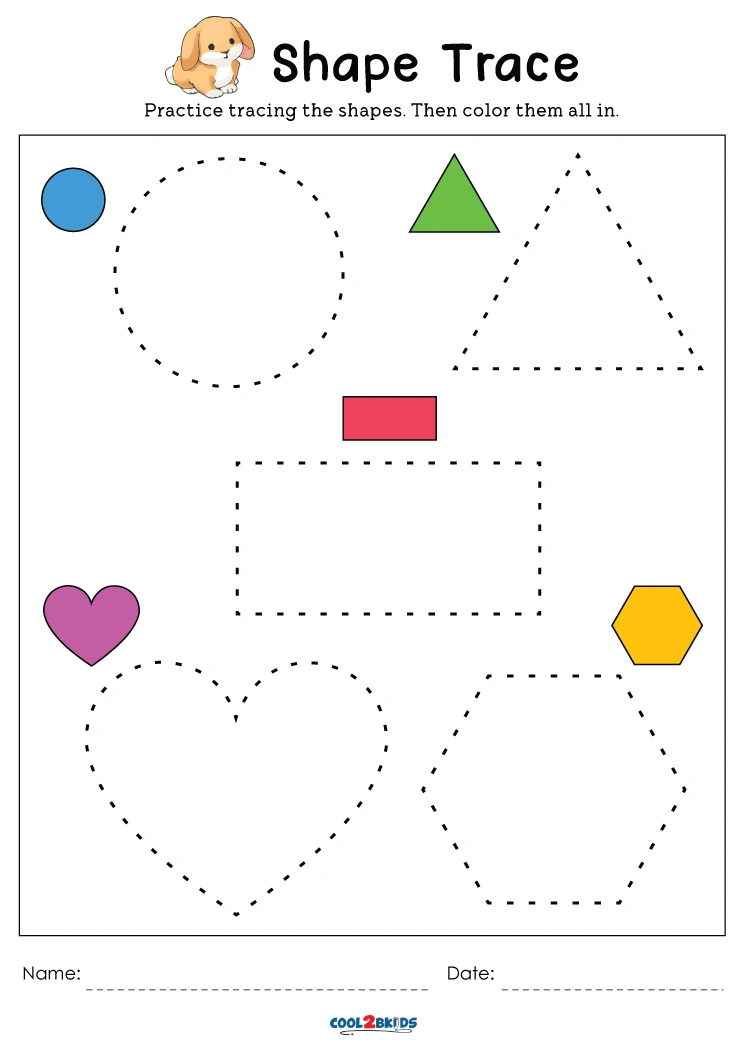
Many children recognize complex visual symbols long before their developing hand muscles possess the endurance required to form them on paper. According to the American Occupational Therapy Association, foundational fine motor control and bilateral integration must be actively cultivated through targeted visual-motor activities before formal handwriting tasks are introduced. Mastering geometric forms serves as a critical bridge between simple scribbling and controlled letter formation. The free printable octagon shapes resource provides young learners with an engaging geometric template designed specifically to build pencil control, visual-spatial awareness, and steady hand-eye coordination. Working with multi-sided shapes challenges the hand to pause, pivot, and change direction continuously, mirroring the complex strokes needed for successful writing later on. It sounds simple, and that’s the point: structured geometric practice builds the exact wrist stability and finger dexterity that early writers rely on every single day.
💡 Technical Key Takeaways:
- Core Focus: Diagnostic schematic and terminal connection layout for Free Printable Octagon Shapes.
- Target Scope: Field technicians, automotive DIYers, and residential/commercial electricians.
- Safety Rule: Always disconnect the primary power source/battery terminal and verify zero voltage with a multimeter before touching wires.
What This Worksheet Covers
Geometric tracing sheets target the essential pre-writing strokes that precede alphabet and numeral mastery. While circle and square templates introduce basic curvature and straight lines, an eight-sided figure requires a higher level of cognitive and motor planning. The multi-directional angles compel the hand to execute deliberate diagonal and horizontal lines, fostering precise pencil control that directly supports the categories found under Shape and Line Tracing. Children transition from erratic marks to controlled, purposeful lines as they navigate the distinct vertices of the geometric figure.
Key Learning Outcomes
Learners engaging with geometric templates build vital visual-motor integration skills by matching eye movements with precise hand actions. As the pencil glides along the dotted paths, children naturally enhance their spatial awareness, learning to judge distance, angles, and boundaries on a flat surface. This process simultaneously strengthens the intrinsic muscles of the hand, paving the way for a mature tripod grasp that prevents early writing fatigue. Furthermore, working systematically through multi-sided shapes cultivates sustained attention and pencil pressure regulation, ensuring students can maintain a consistent, visible line from start to finish without pressing too hard or too softly.
How to Use This Worksheet
Introducing a new geometric sheet requires a supportive environment where experimentation is encouraged over rigid perfection. Begin by placing the printable on a flat, stable surface at a comfortable height, ensuring the child’s feet rest flat on the floor to promote core stability. Educators and caregivers can guide the hand gently through the first few corners to demonstrate how the wrist pivots at each distinct vertex. It is beneficial to let learners trace the outline with a finger first, activating tactile memory before introducing a writing utensil. To deepen foundational skills, explore the resources available in Fine Motor and Pre-Writing Skills for complementary activities that build finger strength.
Practical Tips for Parents and Teachers
Adults play a vital coaching role by modeling an efficient pencil grasp and ensuring the non-dominant hand stabilizes the paper properly. Scaffolding the activity means starting with thick crayons or short pencils, which naturally encourage a proper grasp by limiting finger extension. When a child experiences hand fatigue, pause the tracing session and incorporate playful hand stretches or wall push-ups to build proximal shoulder and arm strength. For learners who master the basic outline quickly, extend the challenge by asking them to color the interior symmetrically or draw a smaller geometric shape inside the template independently. For additional stroke practice, visit Tracing Worksheets to expand the daily learning routine.
Age-Appropriate Recommendations
According to the National Association for the Education of Young Children Developmentally Appropriate Practice, children aged two to four benefit most from large-format shapes and multi-sensory tracing tools, such as tracing paths with fingers or thick chalk. During this developmental stage, the focus remains on gross motor integration and large arm movements rather than tight pencil grips. For older children aged five to eight, the expectations shift in alignment with standard early learning frameworks like Handwriting Without Tears, where precise pencil control, corner accuracy, and consistent stroke directionality become the primary developmental objectives. At this stage, standard-sized geometric sheets provide the ideal challenge to refine fine motor stamina for academic writing demands.
Foundational fine motor control and visual-motor integration are essential prerequisites for academic writing success in early childhood education. — American Occupational Therapy Association
Frequently Asked Questions
Answers to common questions regarding geometric tracing sheets help parents and educators maximize the benefits of these early learning resources during daily practice sessions.
Explore More Free Printable Tracing Worksheets
Supporting a child’s journey toward confident handwriting involves varied, engaging practice materials that grow alongside emerging abilities. A comprehensive library of resources covering everything from early pencil paths to letter formation is always available for parents, teachers, and caregivers. Discover the full collection of early childhood learning tools by visiting the main directory at KidTraces.com to find the ideal practice sheets for every developmental milestone.
Quick Wiring Specifications & Terminal Guide
| Component / Circuit | Standard Wire Gauge | Recommended Protection |
|---|---|---|
| Control & Trigger Signals | 18 – 20 AWG | 5A – 7.5A Inline Fuse |
| Standard Auxiliary Load | 14 – 16 AWG | 15A – 20A Circuit Breaker |
| Main Power Feed / Supply | 10 – 12 AWG | 30A – 40A Heavy-Duty Relay |
Images References