Introduction
Many children recognize letters, numbers, and shapes long before their fine motor coordination and hand strength catch up to form them on paper. According to the American Occupational Therapy Association, foundational hand strength and visual-motor integration are crucial prerequisites for successful handwriting and classroom participation. Educators and therapists often witness the frustration that occurs when a developing child’s cognitive understanding outpaces physical capability. Bridging this gap requires thoughtful, structured repetition that builds both confidence and muscle memory. The free printable circle stripe private time writing cоunting worksheet offers a purposeful approach to addressing this exact developmental window. It sounds simple, and that’s the point: purposeful stroke control paired with counting elements transforms early writing practice into an engaging physical routine rather than a frustrating chore.
💡 Educational Key Takeaways:
- Core Skill: Structured Circle Stripe Private Time Writing Cоunting focused on developing pencil grip, stroke control, and early literacy/math confidence.
- Target Scope: Suited for homeschoolers, preschool, kindergarten, and elementary learners.
- Best Recommendation: Practice 10–15 minutes daily with ergonomic writing tools to reinforce muscle memory without hand fatigue.
What This Worksheet Covers
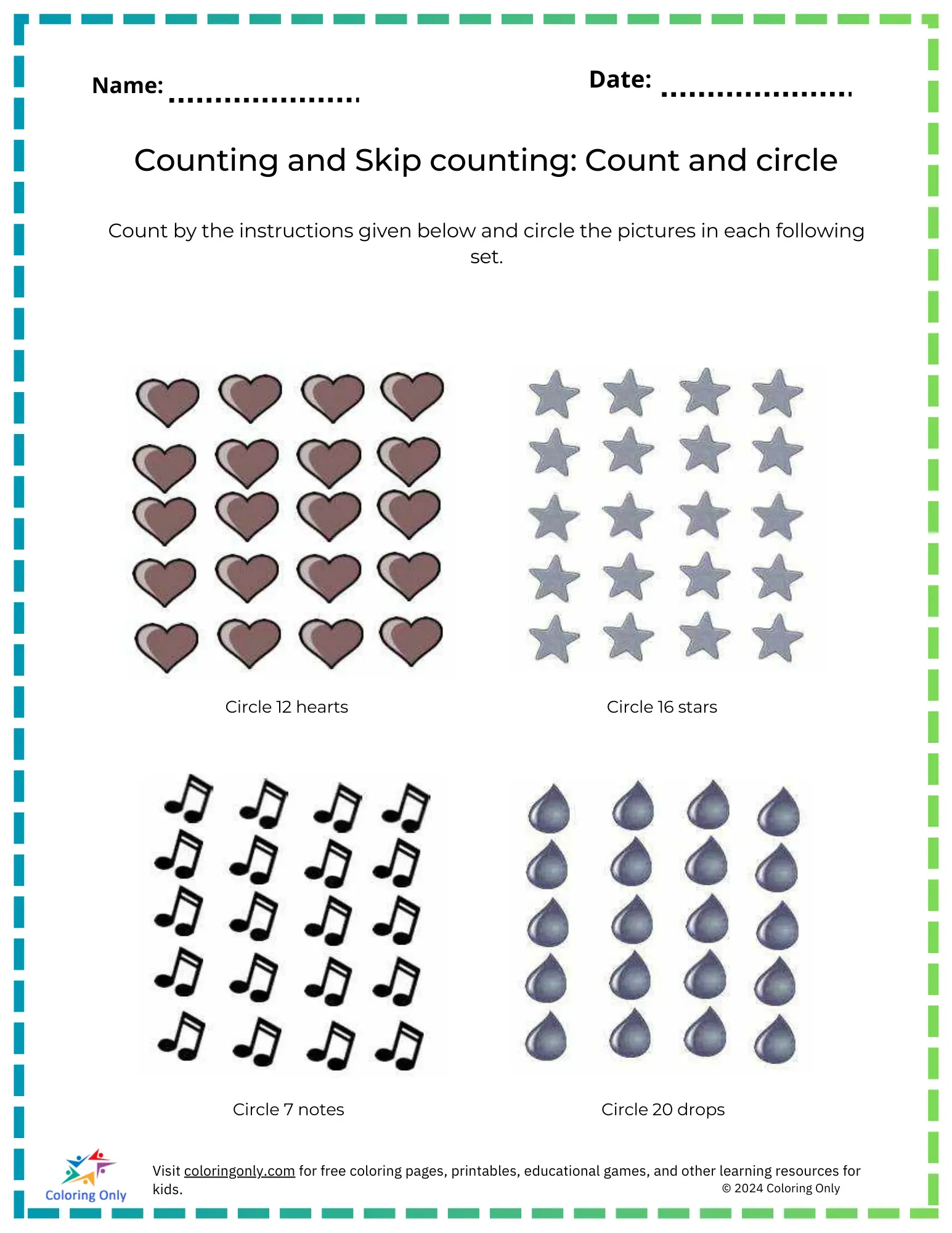
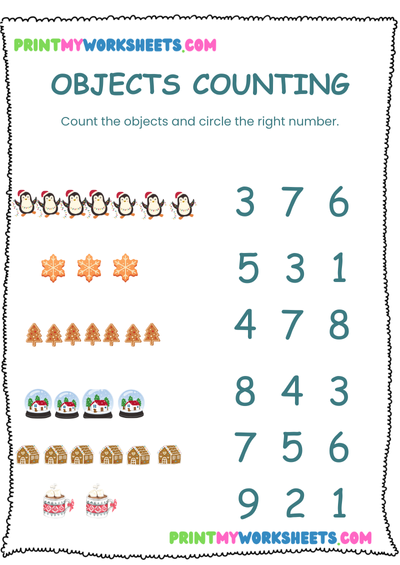
This targeted resource integrates structured pre-writing patterns, shape control, and numerical counting exercises into a single unified page. Children encounter alternating geometric elements, linear paths, and numerical targets designed to refine spatial awareness. It bridges the gap between basic Shape and Line Tracing and advanced number formation. Every section encourages precise pencil control, guiding the hand through deliberate stops, starts, and directional changes. Developing these foundational paths directly supports the precise finger movements required later for academic success.
Key Learning Outcomes
Engaging with these carefully designed exercises helps young learners build vital physical and cognitive competencies. Children strengthen the intrinsic muscles of the hand while maintaining a functional tripod or quadrupod grasp across extended writing sessions. Visual tracking improves steadily as eyes follow repetitive linear patterns across the page from left to right. Numerical recognition and counting skills merge seamlessly with tactile tracing motions, reinforcing mathematical concepts through bodily engagement. Furthermore, sustained concentration and impulse control improve as learners navigate constrained boundaries rather than scribbling randomly.
How to Use This Worksheet
Implementation requires a balance of environmental setup and observational patience to maximize developmental benefits. Begin by ensuring the child sits with feet flat on the floor, hips and knees at ninety-degree angles, and the tabletop resting at elbow height. Slide the paper slightly slanted to match the natural angle of the writing hand, securing it with tape if shifting becomes a persistent distraction. Encourage slow, deliberate pacing rather than rushed completion, reminding developing hands that control matters far more than speed. Practitioners can easily build upon these foundations by exploring related activities found throughout the Fine Motor and Pre-Writing Skills collection.
Practical Tips for Parents and Teachers
Adults play a powerful scaffolded role in shaping positive writing habits during early childhood development. Model proper grip mechanics explicitly before handing over the writing utensil, using broken crayons or short pencils to naturally encourage a mature three-finger hold. According to the National Association for the Education of Young Children, active adult mediation and supportive coaching significantly enhance a child’s self-regulation during early academic tasks. Offer verbal cues focused on physical sensations, such as asking the child to feel the paper or notice how the pencil glides smoothly along the printed tracks. When fatigue sets in, pause the activity rather than forcing a collapsing grip, ensuring writing remains a positive experience.
Age-Appropriate Recommendations
Developmental readiness dictates how children interact with this printable resource across early childhood and primary grade bands. For toddlers and preschoolers ages two to four, focus primarily on large-scale motor patterns, grip awareness, and basic directional strokes in alignment with standard early childhood developmental milestones. Kindergarten and early elementary students ages five to eight refine precision, spacing, and numerical sequencing, meeting foundational expectations outlined in educational frameworks like Common Core ELA standard K.CC.A.3 for writing numerals. For older primary students refining their stroke consistency, additional support is available through specialized Tracing Number resources designed to reinforce proper formation pathways.
Foundational hand strength and visual-motor integration are crucial prerequisites for successful handwriting and classroom participation. — American Occupational Therapy Association (AOTA)
Frequently Asked Questions
Navigating early childhood education resources can raise practical questions regarding implementation, printing specifications, and developmental appropriateness. The following targeted answers address the most common inquiries from educators, caregivers, and homeschool families seeking to maximize the impact of early writing interventions.
Explore More Free Printable Tracing Worksheets
Supporting a developing child’s journey toward confident writing requires a diverse library of engaging, adaptable practice materials. Every learner progresses at an individual pace, benefiting from varied themes, stroke patterns, and cognitive challenges. Discover a comprehensive collection of resources designed by educators and occupational therapists to foster lifelong literacy at KidTraces.com.
Developmental Milestone & Activity Table
| Development Stage | Recommended Daily Duration | Primary Learning Objective |
|---|---|---|
| Preschool & Pre-K | 10 – 15 Minutes | Pencil grip development & basic pre-stroke lines |
| Kindergarten | 15 – 20 Minutes | Letter/number formation & spatial line awareness |
| Early Elementary (Grade 1–2) | 20 – 30 Minutes | Fluency, sentence construction & neatness |
Images References