Introduction
Many children recognize letters, trace lines in the air, and tell elaborate stories long before their hands possess the intrinsic strength required to form legible characters on paper. According to Reading Rockets, early handwriting instruction builds foundational neural pathways that support both letter recognition and overall cognitive development during the early childhood years. Observing a child struggle to maintain a functional pencil grasp while trying to master letter formation highlights a common disconnect between cognitive readiness and physical stamina. Alphabet line tracing bridges that precise gap by translating cognitive literacy skills into guided, physical movements. Here’s what makes this worksheet different: it treats writing not as a rote copying exercise, but as a developmental progression built on spatial awareness, visual-motor integration, and stroke control. Free printables provide accessible, low-stakes opportunities for children to practice letter and numeral formation, stroke order, and directional flow at a customized pace. Providing targeted tracing practice helps young learners build the muscle memory required for confident, fluid handwriting.
💡 Educational Key Takeaways:
- Core Skill: Structured Alphabet Line Tracing focused on developing pencil grip, stroke control, and early literacy/math confidence.
- Target Scope: Suited for homeschoolers, preschool, kindergarten, and elementary learners.
- Best Recommendation: Practice 10–15 minutes daily with ergonomic writing tools to reinforce muscle memory without hand fatigue.
What This Worksheet Covers
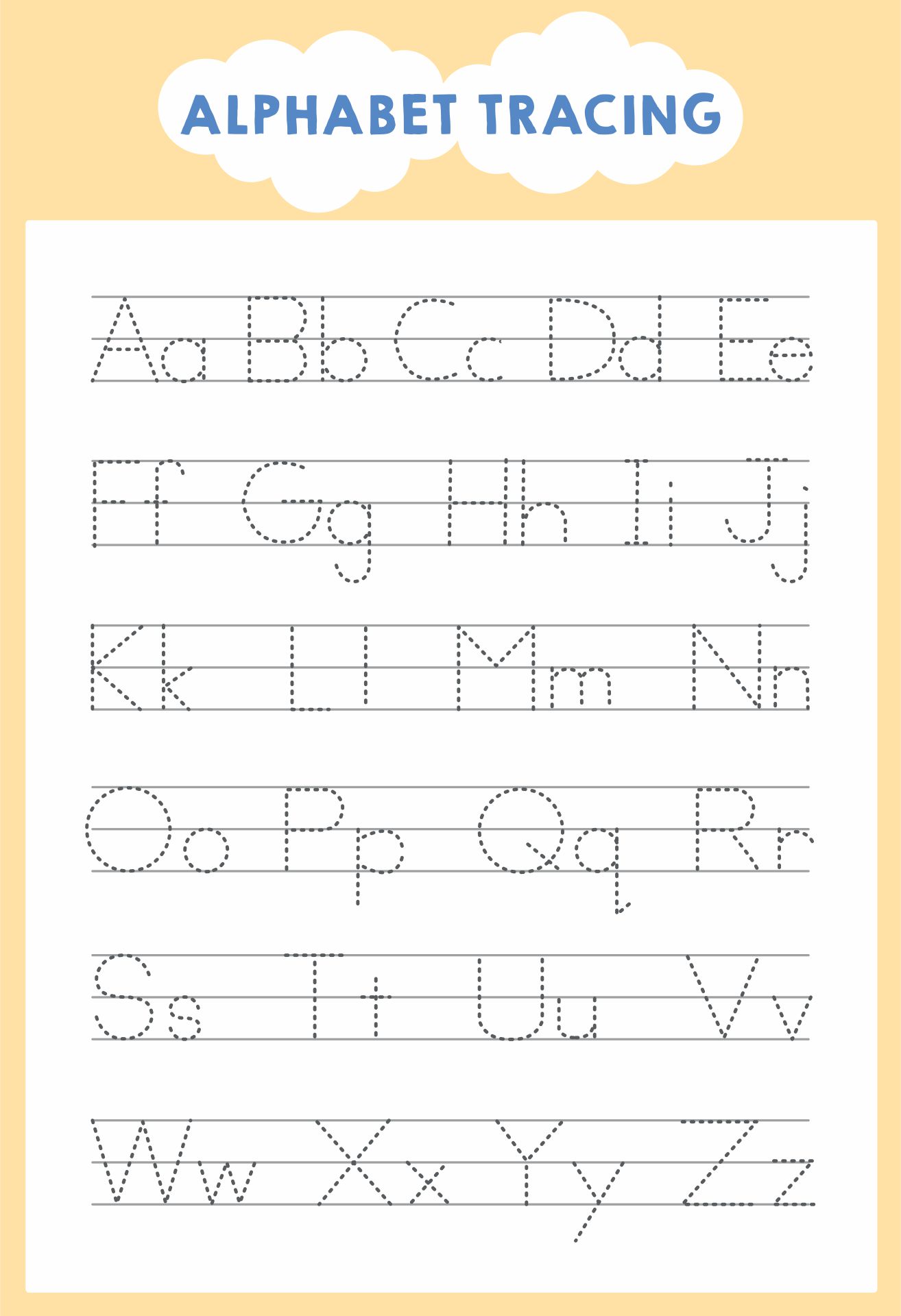
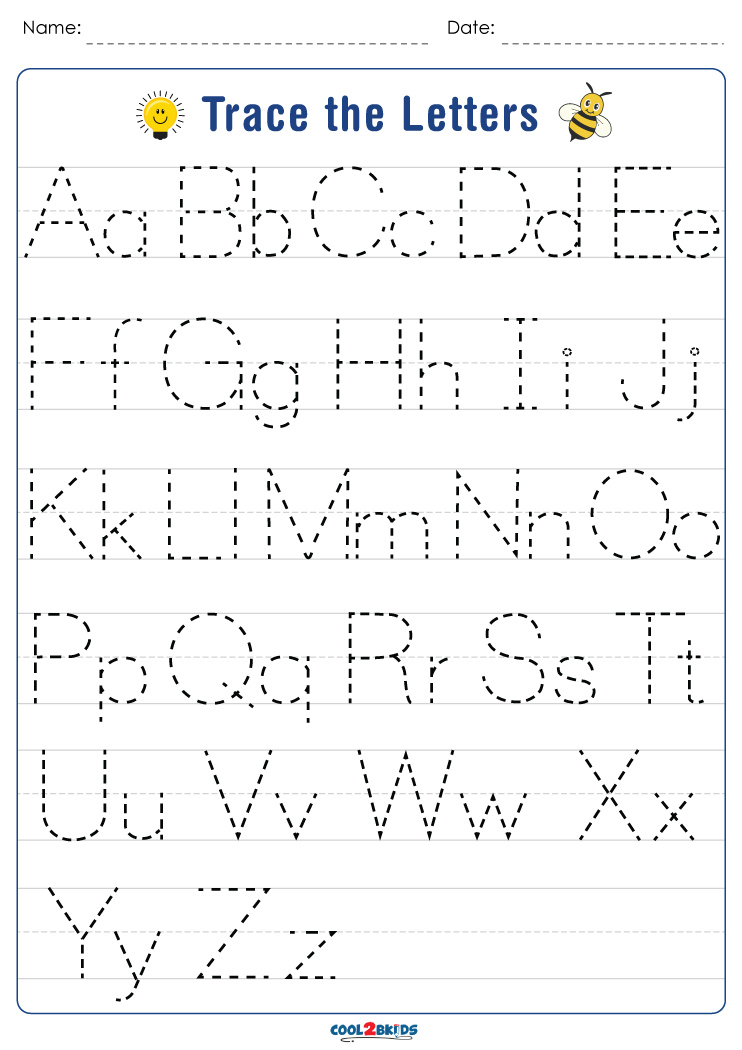
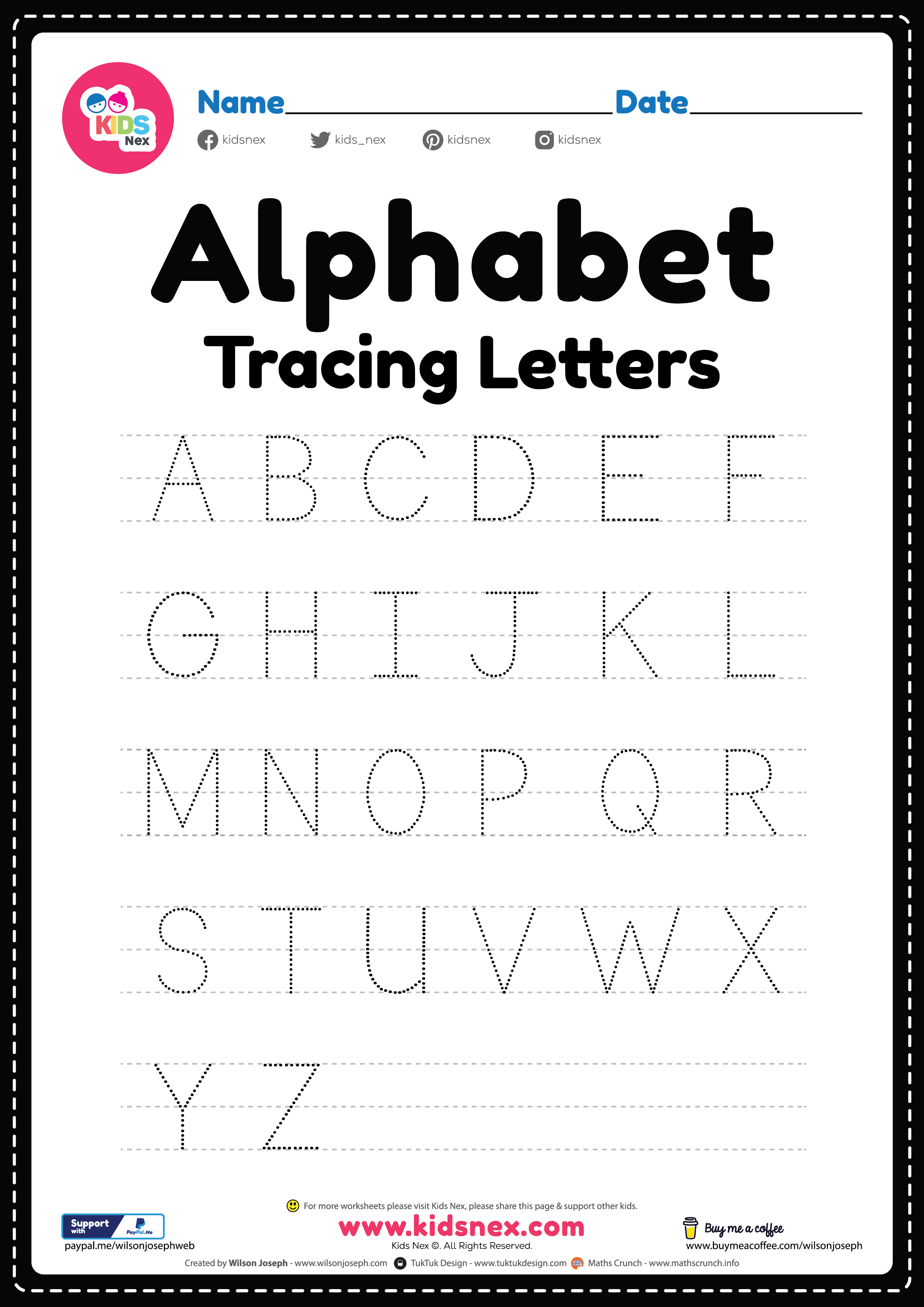
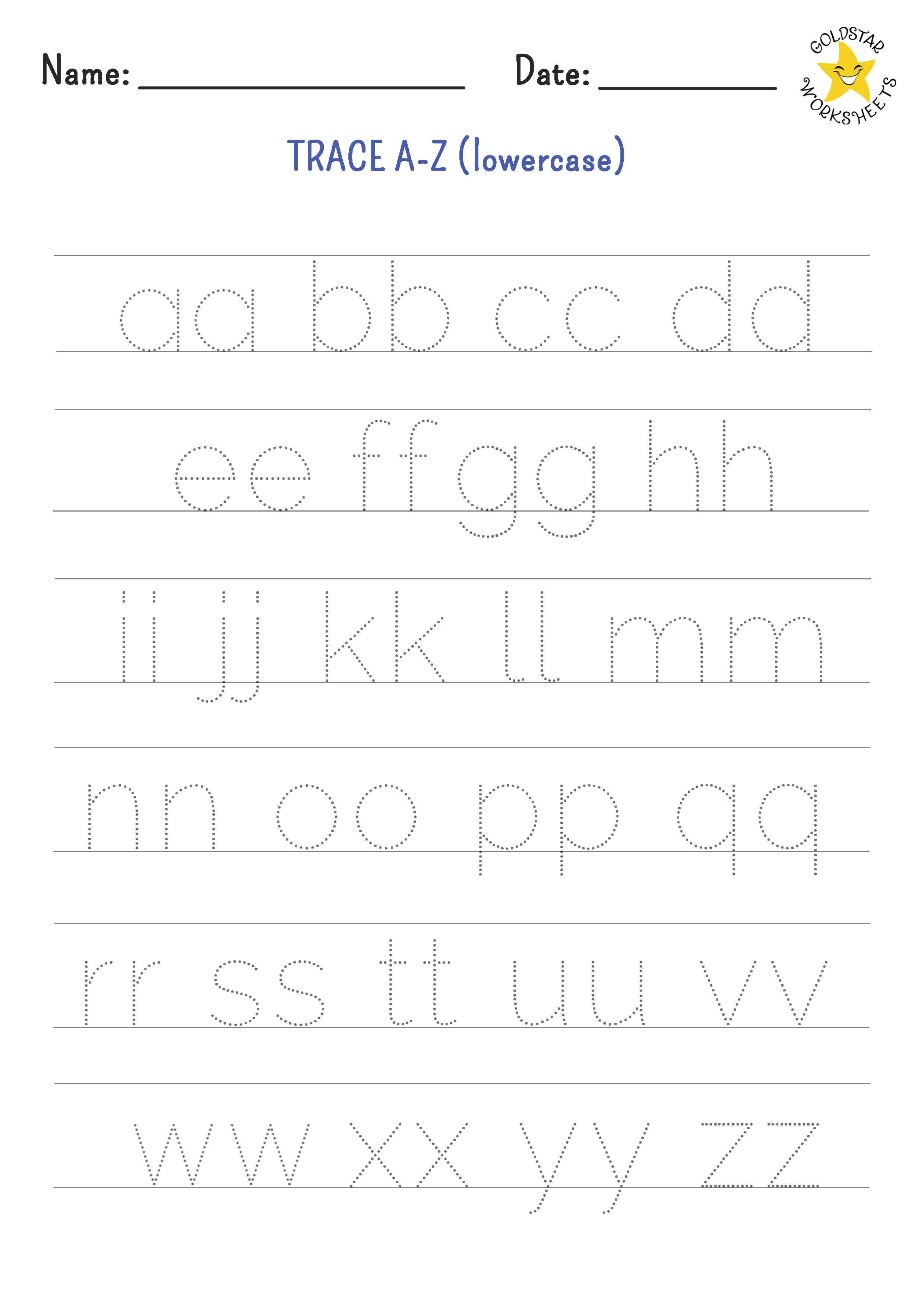
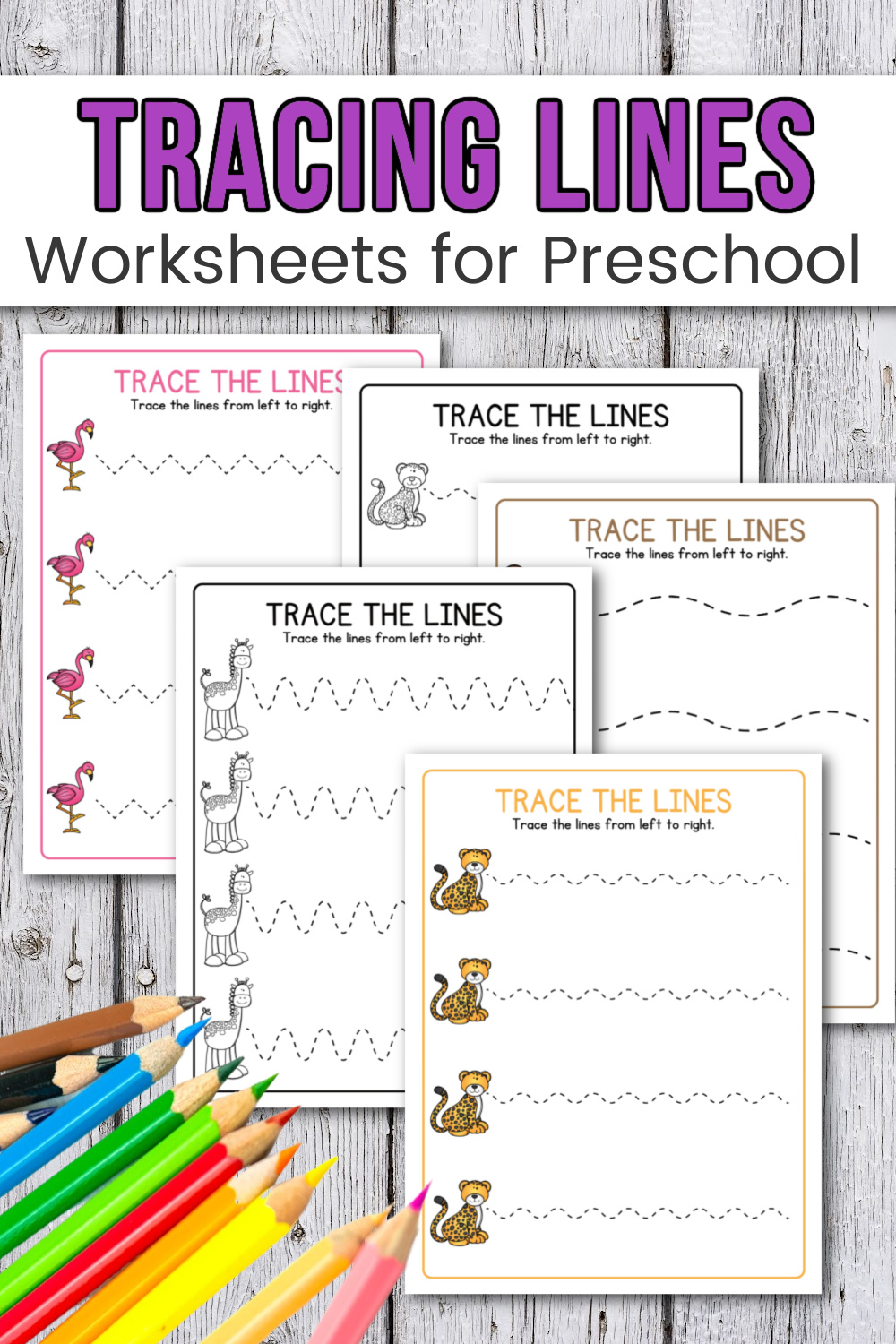
Mastering the mechanics of writing requires more than just holding a pencil and staring at a blank page. Structured tracing sheets isolate the fundamental building blocks of letter and number construction, breaking down complex visual symbols into manageable segments. Directional arrows, visual starting points, and dotted letter formations guide the hand along precise paths, teaching children where to begin and where to end every single stroke. This intentional design prevents poor habits, such as starting letters from the bottom up or drawing circles clockwise instead of counterclockwise. Alongside letter mastery, these sheets reinforce essential foundations found within comprehensive collections of Alphabet And Numbers Tracing materials, ensuring that alphabetic sequence and numerical order develop simultaneously. Children also encounter targeted line control exercises that mimic the vertical, horizontal, diagonal, and curved strokes required for all uppercase and lowercase letters. Utilizing specialized sheets such as Dotted Letters For Tracing further refines precision by encouraging slow, deliberate pencil movements that foster hand-eye coordination.
Key Learning Outcomes
Engaging consistently with structured tracing pages yields measurable growth across multiple developmental domains. Children cultivate superior pencil control, learning how to regulate downward pressure and maintain smooth, continuous lines without fracturing their strokes. Visual-motor integration improves significantly as young eyes guide nimble hands to follow distinct paths, curves, and angles without veering off target. Additionally, learners internalize correct stroke sequence and letter formation, which directly translates to increased legibility and writing speed as academic demands grow in later elementary grades. Spatial awareness deepens as children navigate baseline constraints, spacing between characters, and the directional orientation of tricky, easily confused letters like b, d, p, and q. Finally, foundational hand strength and endurance expand naturally, transforming what might initially feel like a fatiguing physical chore into an enjoyable, accessible daily routine.
How to Use This Worksheet
Maximizing the benefits of any printable requires moving beyond passive repetition and focusing instead on active, engaged support. Establishing a comfortable physical workspace represents the crucial first step, ensuring feet rest flat on the floor, hips and knees bend at ninety-degree angles, and the writing surface sits at a comfortable height. Adults can introduce the page by having children trace the primary lines with their index fingers first, activating kinesthetic pathways before introducing the pencil. According to the American Occupational Therapy Association (AOTA), supporting children with meaningful, multi-sensory pre-writing tasks significantly enhances fine motor skill acquisition and functional hand use. Keeping writing sessions brief, positive, and playful prevents hand fatigue and emotional frustration, turning practice into a welcome daily ritual rather than an exhausting chore.
Practical Tips for Parents and Teachers
Adults play an instrumental role in scaffolding the tracing experience to match individual developmental needs. Modeling an efficient functional pencil grasp—such as a tripod or quadrupod grip—ensures fingers retain optimal mobility and visibility while reducing hand strain. Scaffolding the activity can involve fading support over time, moving from hand-over-hand assistance to verbal prompts and eventually independent execution. Extending the learning beyond the paper adds valuable multi-sensory depth; children can practice forming the target letters in shaving cream, salt trays, or with chunky playdough snakes. Offering a variety of tools, from standard pencils to short golf pencils or colorful markers, naturally builds intrinsic motivation and strengthens the intrinsic hand muscles responsible for long-term writing success. Exploring broader resources like Fine Motor and Pre-Writing Skills helps educators and caregivers discover complementary exercises that target hand strength and dexterity outside of standard paper tasks.
Age-Appropriate Expectations
Child development unfolds along a predictable continuum, and expectations for writing readiness must align directly with chronological age and physical maturity. For children ages two to four, the focus centers on gross motor control, imitation of horizontal and vertical strokes, grasping thick crayons, and exploring general pre-writing patterns in line with early childhood milestones. According to the National Association for the Education of Young Children (NAEYC) guidelines for developmentally appropriate practice, preschool writing experiences should prioritize sensory exploration, playful mark-making, and foundational hand strength over rigid letter perfection. As children reach ages five to eight, expectations shift toward formal letter and number formation, proper proportional sizing, baseline adherence, and increased writing stamina required for early elementary school success. Recognizing these distinct developmental stages prevents undue pressure, ensuring that tracing activities remain supportive, engaging, and appropriately challenging for every learner.
Early handwriting instruction builds foundational neural pathways that support both letter recognition and overall cognitive development during the early childhood years. — Reading Rockets
Frequently Asked Questions
Explore More Free Printable Tracing Worksheets
Supporting a young writer’s journey involves offering a diverse array of engaging practice materials that grow alongside changing skill levels. Exploring supplementary categories allows educators, parents, and therapists to target specific developmental milestones, whether a child needs extra practice with curved lines, numerical sequencing, or seasonal motifs. Every child moves at an individual pace, and having access to a broad selection of targeted printables ensures learning remains fresh, challenging, and fun. Discover the complete collection of free resources by visiting KidTraces.com to find the ideal tools for every stage of early writing development.
Developmental Milestone & Activity Table
| Development Stage | Recommended Daily Duration | Primary Learning Objective |
|---|---|---|
| Preschool & Pre-K | 10 – 15 Minutes | Pencil grip development & basic pre-stroke lines |
| Kindergarten | 15 – 20 Minutes | Letter/number formation & spatial line awareness |
| Early Elementary (Grade 1–2) | 20 – 30 Minutes | Fluency, sentence construction & neatness |
Images References