Introduction
Many children recognize numerals long before their developing hand muscles and neural pathways possess the precise coordination required to form them on paper. According to the American Occupational Therapy Association, foundational fine motor control and visual-motor integration are essential prerequisites for functional handwriting and numerical mastery in early childhood. Mastering numeral formation bridges the gap between cognitive mathematical understanding and physical expression. Introducing a structured tracing numbers 1-100 free printable provides the scaffolded practice young learners need to transition from recognizing quantities to confidently writing digits. It sounds simple, and that’s the point. Children thrive when given clear visual boundaries and consistent directional cues that eliminate the guesswork of pencil movement.
💡 Educational Key Takeaways:
- Core Skill: Structured Tracing Numbers 1-100 Free Printable focused on developing pencil grip, stroke control, and early literacy/math confidence.
- Target Scope: Suited for homeschoolers, preschool, kindergarten, and elementary learners.
- Best Recommendation: Practice 10–15 minutes daily with ergonomic writing tools to reinforce muscle memory without hand fatigue.
What This Worksheet Covers
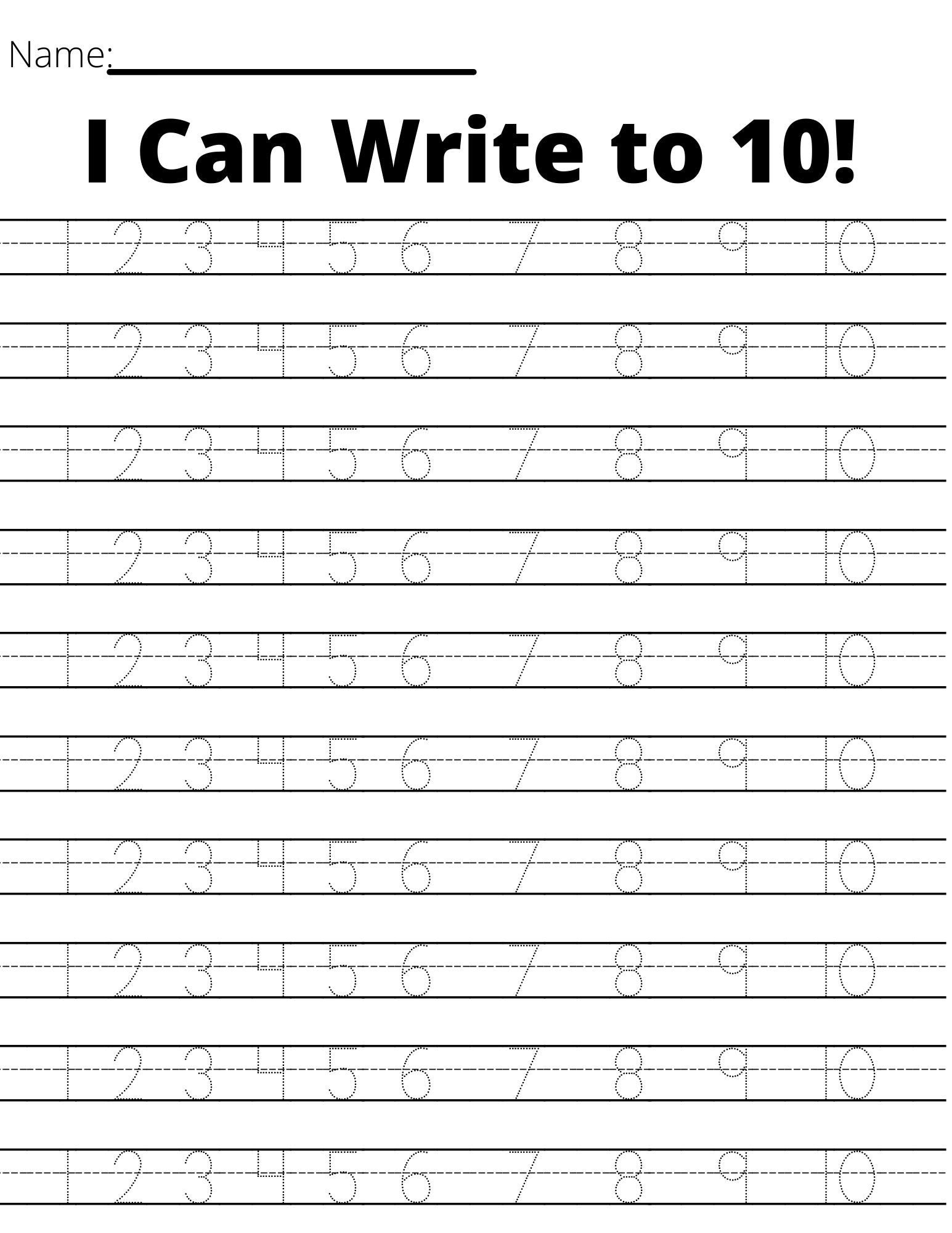
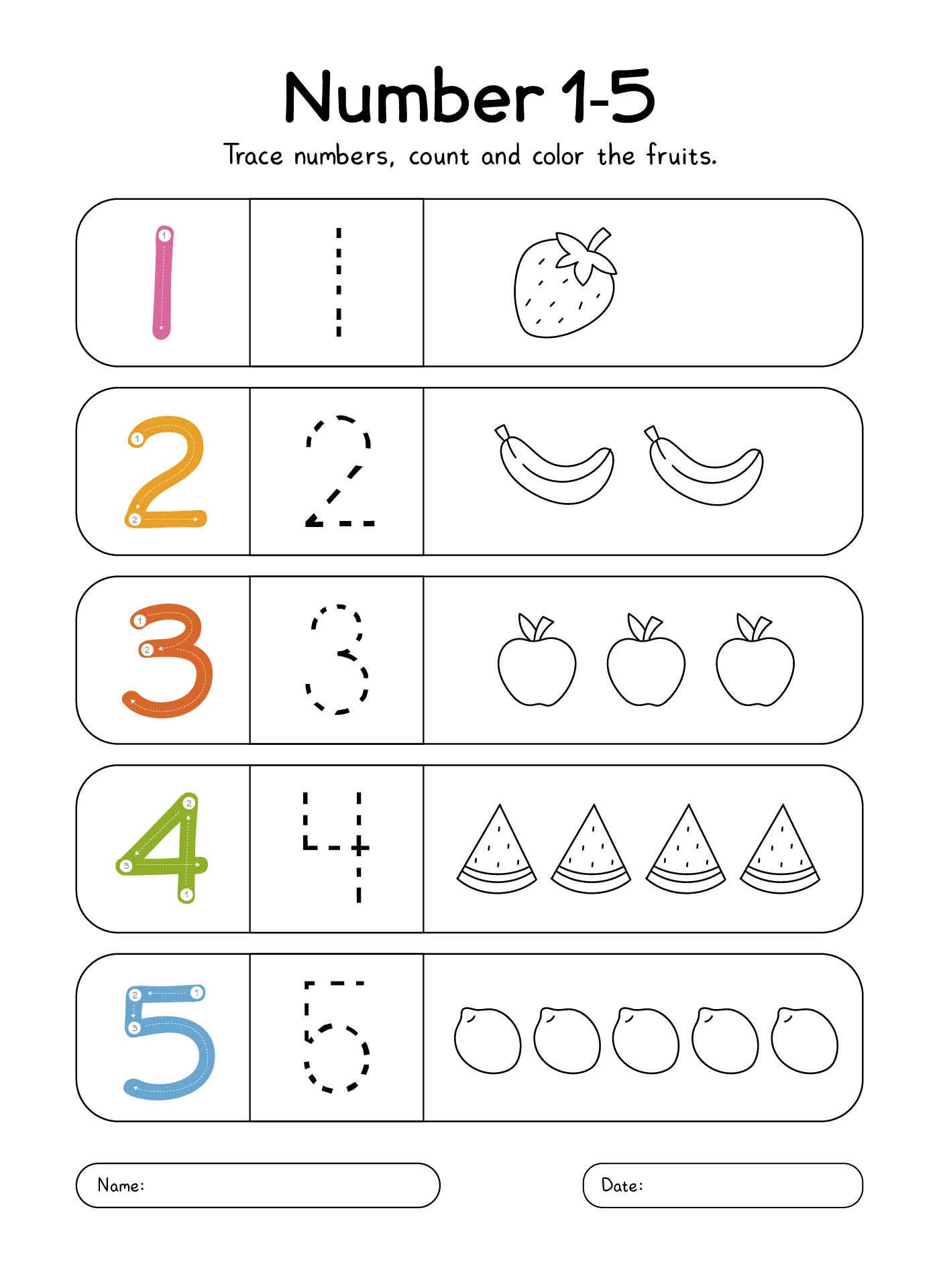
This comprehensive resource systematically guides young learners through the entire sequence of counting symbols from the foundational single digits up to the milestone of one hundred. Each individual numeral features precise stroke directionality indicators, starting dots, and faded guiding lines that gradually fade to promote independent muscle memory. Numerals are arranged in clean, structured grids to support visual tracking from left to right and top to bottom, reinforcing essential pre-reading scanning patterns alongside mathematical concepts. Children encounter clear typography designed specifically to minimize visual clutter, allowing developing eyes and hands to focus entirely on stroke execution, spatial awareness, and proportional sizing within the writing lines. For more related activities, check out our Number To Letters To Make Sentences For Kids Printable.
Key Learning Outcomes
Using these structured pages systematically fosters proper numeral formation, correct stroke order, and consistent pencil control across all one hundred counting symbols. Learners build critical hand-eye coordination as their fingers navigate loops, straight vertical lines, and diagonal slants required for complex digits like fours, sevens, and eights. Furthermore, the repetitive tracing action strengthens intrinsic hand muscles and refines the pincer grasp necessary for sustained writing endurance without fatigue. Consistent practice also solidifies the visual-spatial memory needed to distinguish easily confused numbers, such as reversing a three or a five, by embedding the correct physical motion into procedural memory over time.
How to Use This Worksheet
Success with numeral tracing relies heavily on establishing a calm, inviting environment and ensuring the child is seated with feet flat and posture upright to support arm stability. Begin by introducing just a few numbers at a time rather than overwhelming the learner with the entire sequence in a single sitting. Adults can model the correct starting point and directional stroke on a separate piece of paper while verbalizing the motion, such as “start at the top, curve around, and slide across.” Encouraging the use of broken crayons, short pencils, or specialized writing tools naturally nudges little fingers into a functional tripod grasp without turning practice into a frustrating battle over hand posture.
Practical Tips for Parents and Teachers
Scaffolding the learning process makes a tremendous difference for children who struggle with fine motor stamina or visual attention spans. Slide sheets inside heavy-duty plastic dry-erase pockets to allow limitless practice with vibrant markers before transitioning to traditional pencils on paper. Verbalizing the rhythm of each stroke adds an auditory layer that reinforces visual memory, helping restless learners stay engaged through tactile feedback. When fatigue sets in—often signaled by a clenched fist or slumped shoulders—pause the session immediately and pick up the sequence later, because quality of movement always outweighs the sheer volume of completed pages.
Age-Appropriate Recommendations
For younger children ages two through four, focus primarily on larger single-digit exploration, sensory-rich tracing methods, and gross motor arm movements that align with the National Association for the Education of Young Children Developmentally Appropriate Practice guidelines. During this initial stage, perfection in sizing matters far less than discovering the natural flow of lines and curves. As children advance into ages five through eight, expectations shift toward proper proportional sizing, staying strictly within writing boundaries, and working independently through multi-digit sequences up to one hundred as outlined in early elementary mathematics milestones.
Proficient handwriting and numerical fluency rely heavily on early visual-motor integration and sustained fine motor skill development. — American Occupational Therapy Association
Frequently Asked Questions
Navigating early numeracy and writing resources is simple when adults understand how to access and implement these tools effectively. Below are answers to common questions regarding downloading, printing, and the developmental benefits of guided numeral practice.
Explore More Free Printable Tracing Worksheets
Expanding a child’s pencil control toolkit requires a diverse variety of engaging practice materials tailored to every developmental milestone and seasonal interest. Explore specialized exercises focusing on Tracing Number pages or build fundamental pencil grip through Fine Motor and Pre-Writing Skills activities. Educators and parents can also discover letter formation guides via Dotted Letters For Tracing or browse holiday-themed practice through Seasonal and Fun Themes. Access the entire organized collection of educational resources by visiting the complete library at KidTraces.com today.
Developmental Milestone & Activity Table
| Development Stage | Recommended Daily Duration | Primary Learning Objective |
|---|---|---|
| Preschool & Pre-K | 10 – 15 Minutes | Pencil grip development & basic pre-stroke lines |
| Kindergarten | 15 – 20 Minutes | Letter/number formation & spatial line awareness |
| Early Elementary (Grade 1–2) | 20 – 30 Minutes | Fluency, sentence construction & neatness |
Images References