Introduction
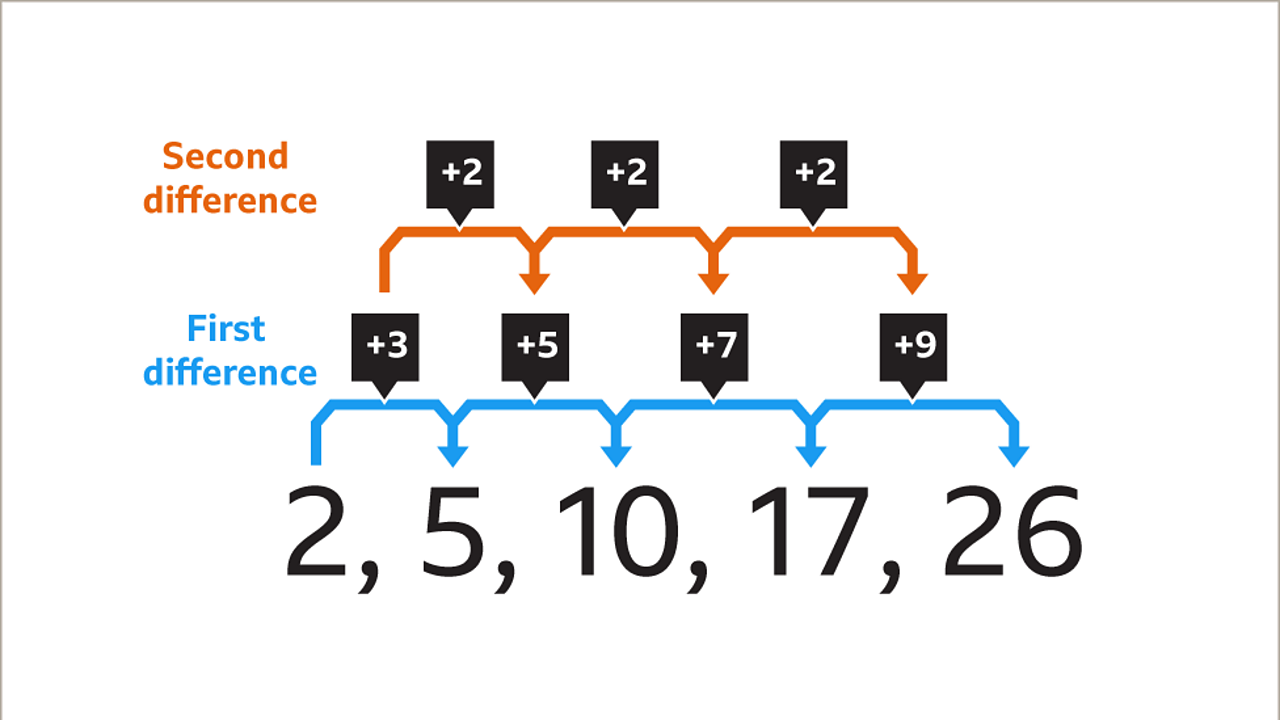
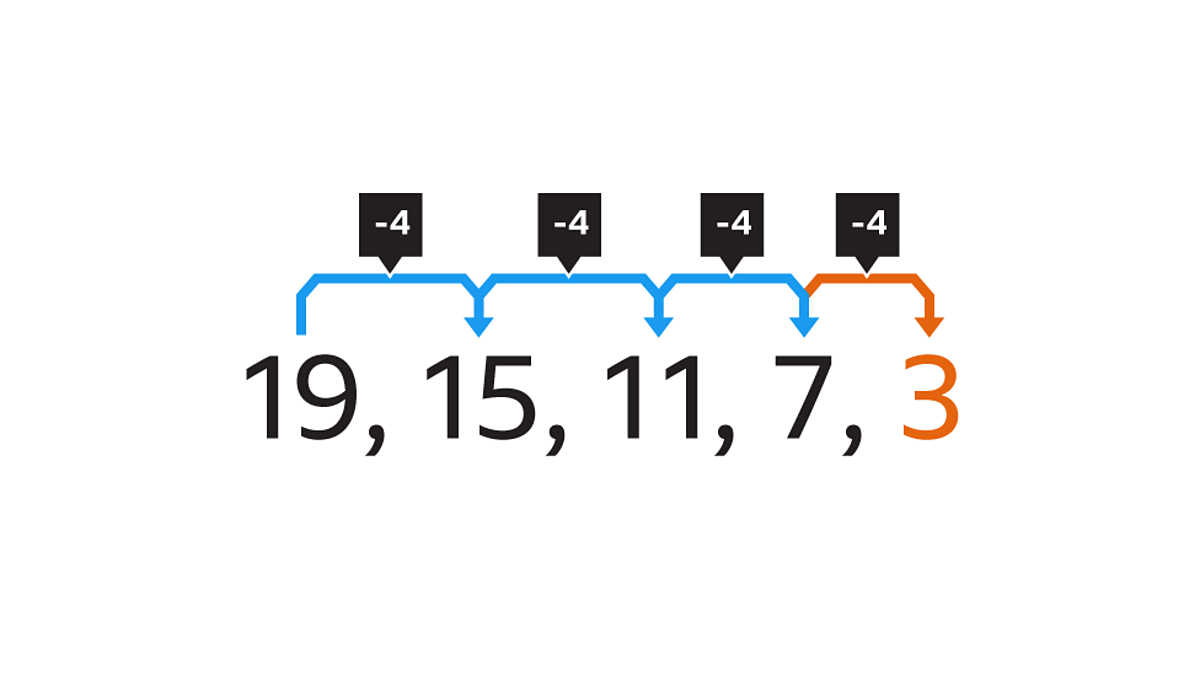
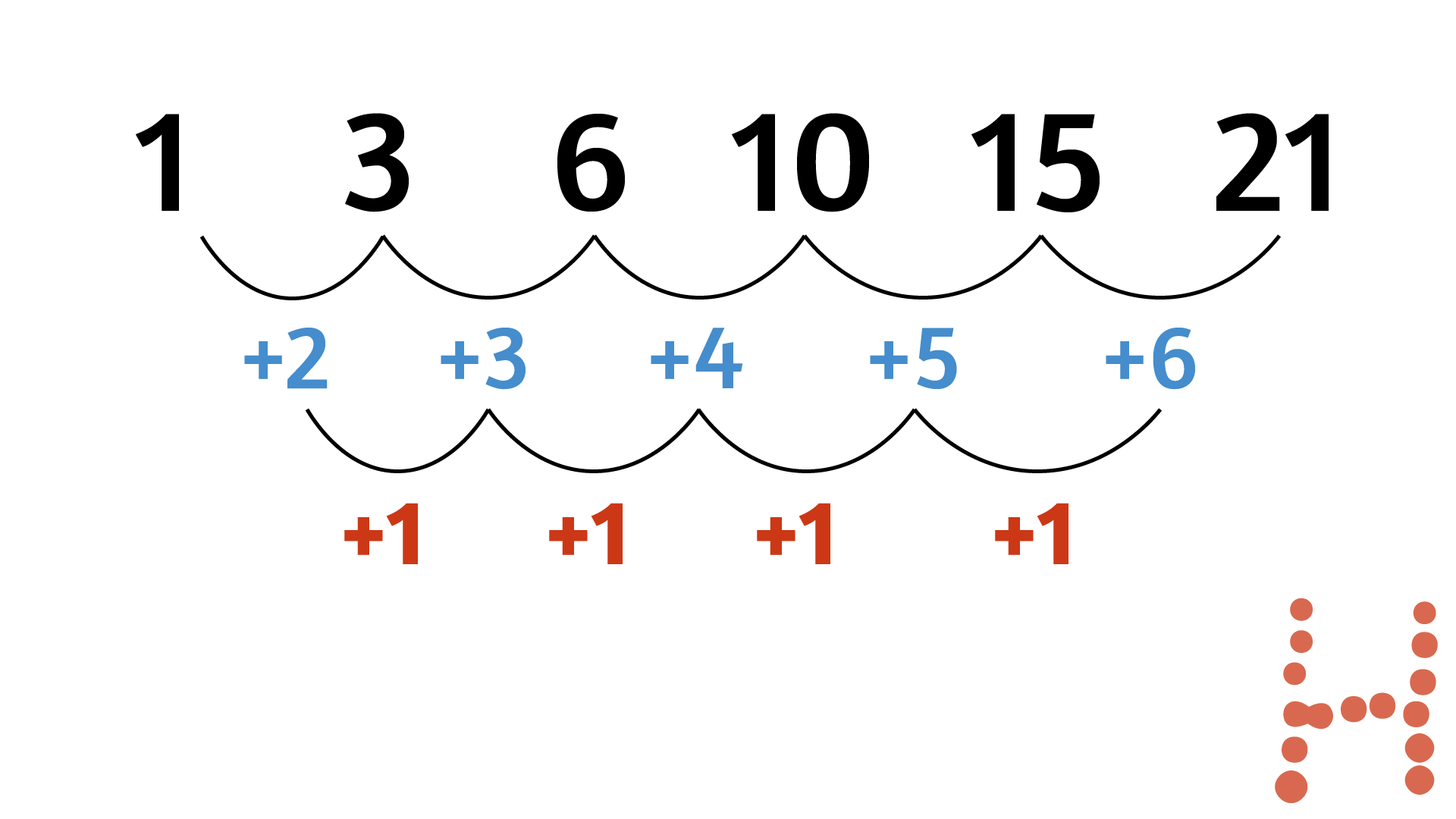
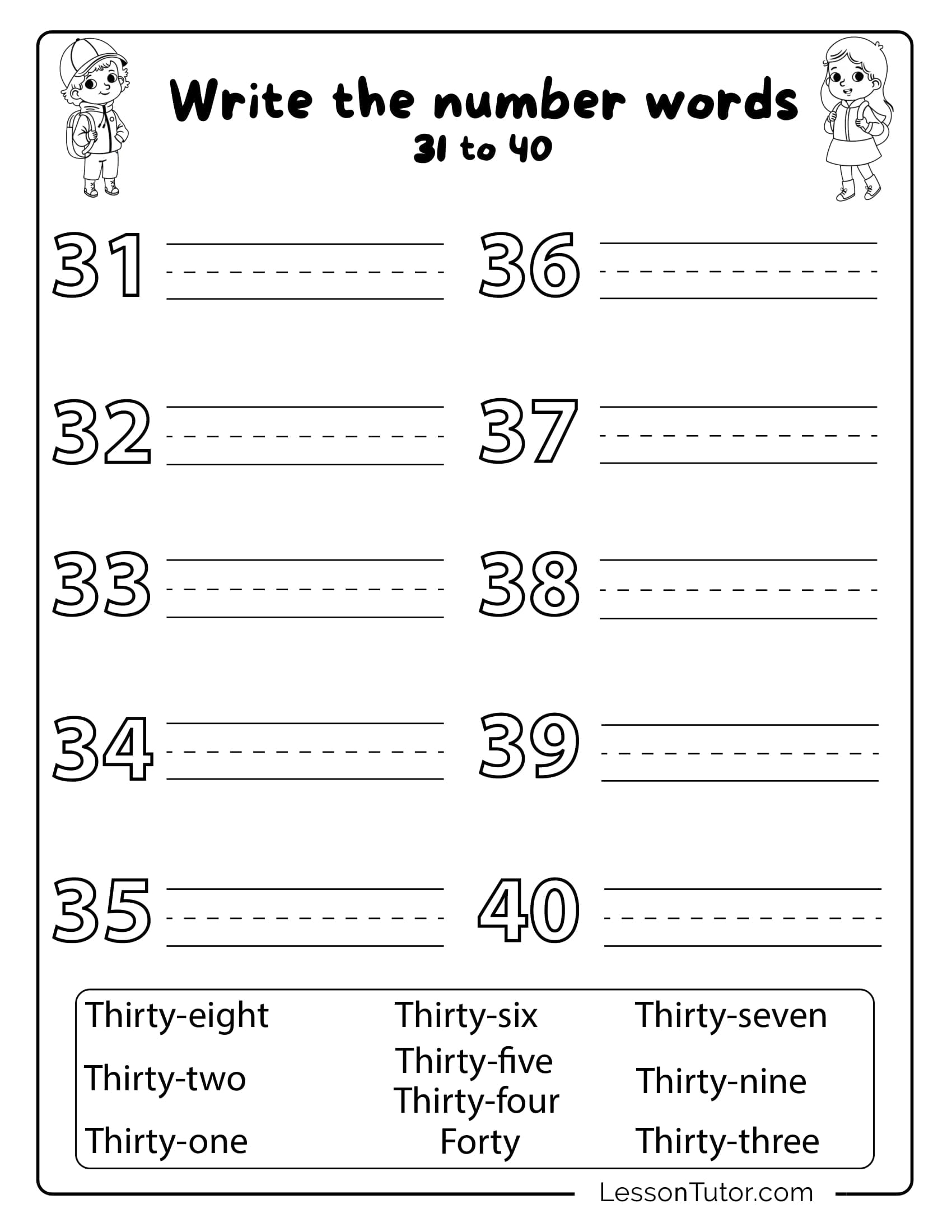
Many children recognize numerals and letters long before their fine motor coordination allows them to form those same symbols on paper. According to the American Occupational Therapy Association, foundational visual-motor and graphomotor skills are critical precursors to academic success, influencing everything from math execution to written expression. Young learners often struggle with numeral formation not because of cognitive gaps, but due to unfamiliarity with directional stroke flow. Mastering numerical sequences requires both cognitive tracking and precise spatial awareness. The free printable how can i track number sequence with arrow bridges this gap by offering structured visual cues that guide little hands through correct formation paths. It sounds simple, and that’s the point: clear directional markers eliminate guesswork and establish strong muscle memory from the very first stroke.
💡 Technical Key Takeaways:
- Core Focus: Diagnostic schematic and terminal connection layout for How Can I Track Number Sequence With Arrow.
- Target Scope: Field technicians, automotive DIYers, and residential/commercial electricians.
- Safety Rule: Always disconnect the primary power source/battery terminal and verify zero voltage with a multimeter before touching wires.
What This Worksheet Covers
Directionality remains one of the trickiest hurdles in early childhood education. When children write numbers, starting at the correct point and moving in the intended direction prevents reversals and builds fluid writing habits. This specific resource focuses heavily on guided formation, starting points, and sequential tracking. Built with deliberate visual anchors, the layout transforms abstract numerical counting into a physical, hands-on journey. Children do not merely copy a symbol; they follow a mapped trajectory that teaches the mechanical rhythm of each digit from zero through nine. Practicing these paths regularly ensures that pencil control meets numerical literacy in a seamless developmental progression. Related guide: &th Grade Shrinking Worksheets.
Key Learning Outcomes
Engaging with structured sequence tracing yields measurable gains across multiple developmental domains. Learners develop superior pencil control as they navigate tight curves, vertical descents, and horizontal lines inherent in digits like 2, 5, and 8. Hand-eye coordination improves dramatically because the eyes must anticipate the next segment of the arrow pathway before the hand executes the movement. Additionally, visual-spatial processing is strengthened through repeated exposure to left-to-right progression and numerical order. According to the National Association for the Education of Young Children, intentional experiences that integrate physical movement with cognitive tasks significantly enhance retention and self-regulation in early learners. Finally, working through these pathways instills profound confidence, transforming a frustrating writing session into an empowering achievement.
How to Use This Worksheet
Introducing a new tracing page works best when adults model the exact physical process first. Begin by placing a finger over the starting point of the arrow, tracing the path in the air or directly on the paper while verbalizing the motion. Phrases like “start at the top dot, slide down the arrow, and jump across” turn abstract lines into memorable physical scripts. Encourage a relaxed, functional pencil grasp, ensuring fingers stay roughly one inch away from the paper to maintain clear line visibility. Scaffolding is essential; if a child fatigues quickly, limit the session to a single row rather than forcing completion of the entire sheet. Over time, reducing adult support allows learners to independently utilize the directional arrows as silent guides.
Practical Tips for Parents and Teachers
Environmental setup drastically influences a child’s success with fine motor tasks. Ensure the seating arrangement features a flat surface where feet rest flat on the floor and elbows bend at a comfortable ninety-degree angle. For children struggling with pencil grip, using shorter crayons or golf pencils naturally encourages a tripod grasp by limiting finger real estate. Laminating the worksheet or sliding it into a clear plastic sleeve transforms it into a reusable dry-erase board, which relieves the pressure of making permanent mistakes. Extending the activity by having children trace the arrows with tactile materials, such as rolling playdough into thin snakes to lay over the pathways, bridges sensory input with visual learning. Flexibility and patience remain the ultimate tools for building positive associations with writing.
Age-Appropriate Recommendations
Developmental readiness dictates how children interact with numerical tracing activities. For toddlers and preschoolers ages two through four, aligned with the Handwriting Without Tears developmental progression, the focus rests on large muscle movements, vertical and horizontal line imitation, and basic counting concepts. At this stage, adults should prioritize finger-tracing over pencil work if fine motor strength is still emerging. For older children ages five through eight, aligned with Kindergarten and first-grade standards, the emphasis shifts toward precise pencil control, proper sizing, and fluid sequencing without relying entirely on physical hand-over-hand assistance. Recognizing these distinct developmental windows ensures that expectations match current neurological and physical capabilities, preventing unnecessary frustration.
Foundational visual-motor skills predict long-term academic success in writing and mathematics. — American Occupational Therapy Association
Frequently Asked Questions
Explore More Free Printable Tracing Worksheets
Supporting a child’s early writing journey involves exploring a wide variety of engaging resources tailored to different developmental stages. Discover endless opportunities for growth by exploring our comprehensive collection of Tracing Number pages and specialized Fine Motor and Pre-Writing Skills exercises. Whether preparing for kindergarten or refining pencil grip at home, structured practice makes all the difference. Browse the complete library of resources available on KidTraces.com to find activities that inspire confidence and joy in every young learner.
Quick Wiring Specifications & Terminal Guide
| Component / Circuit | Standard Wire Gauge | Recommended Protection |
|---|---|---|
| Control & Trigger Signals | 18 – 20 AWG | 5A – 7.5A Inline Fuse |
| Standard Auxiliary Load | 14 – 16 AWG | 15A – 20A Circuit Breaker |
| Main Power Feed / Supply | 10 – 12 AWG | 30A – 40A Heavy-Duty Relay |
Images References