Introduction
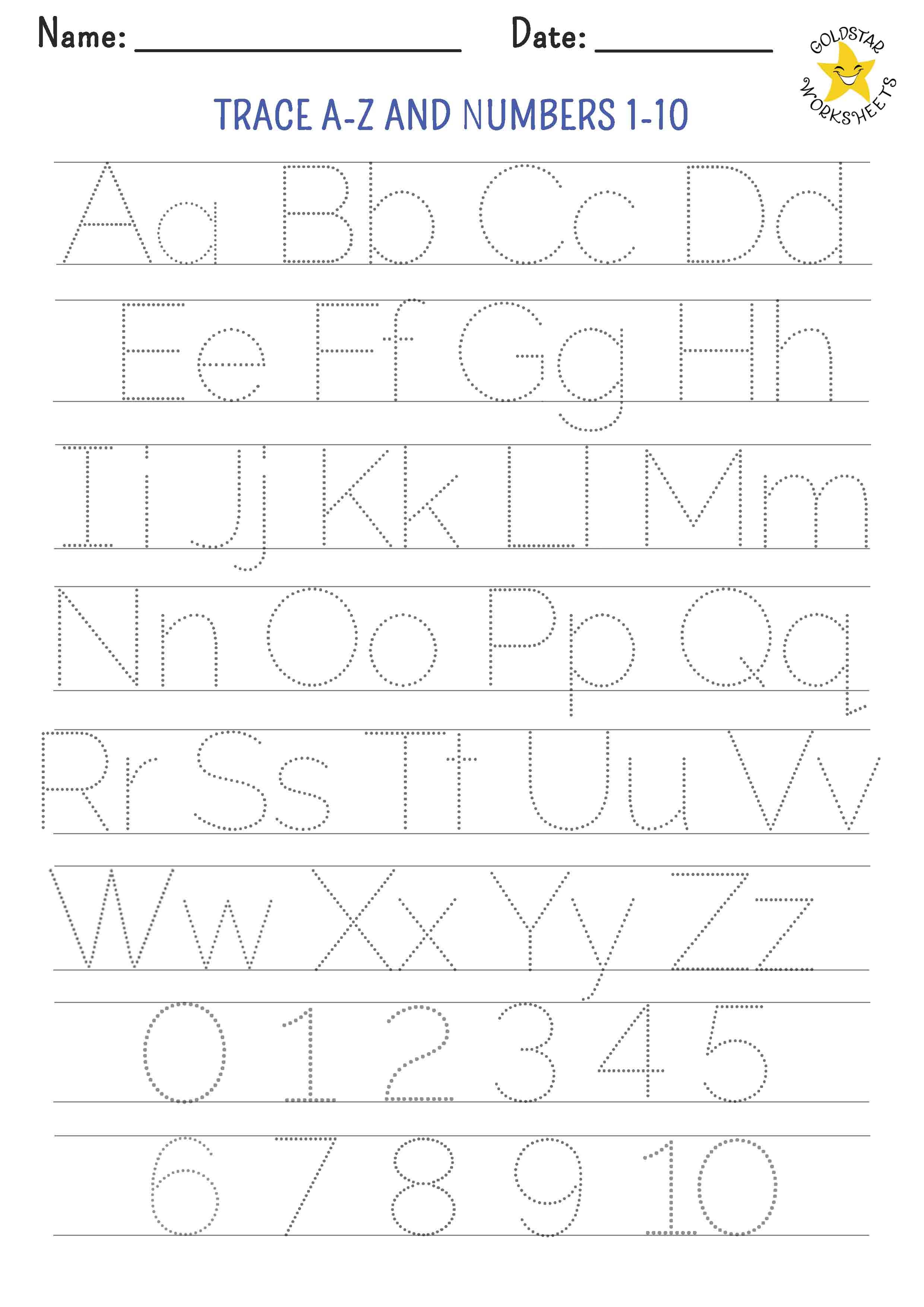
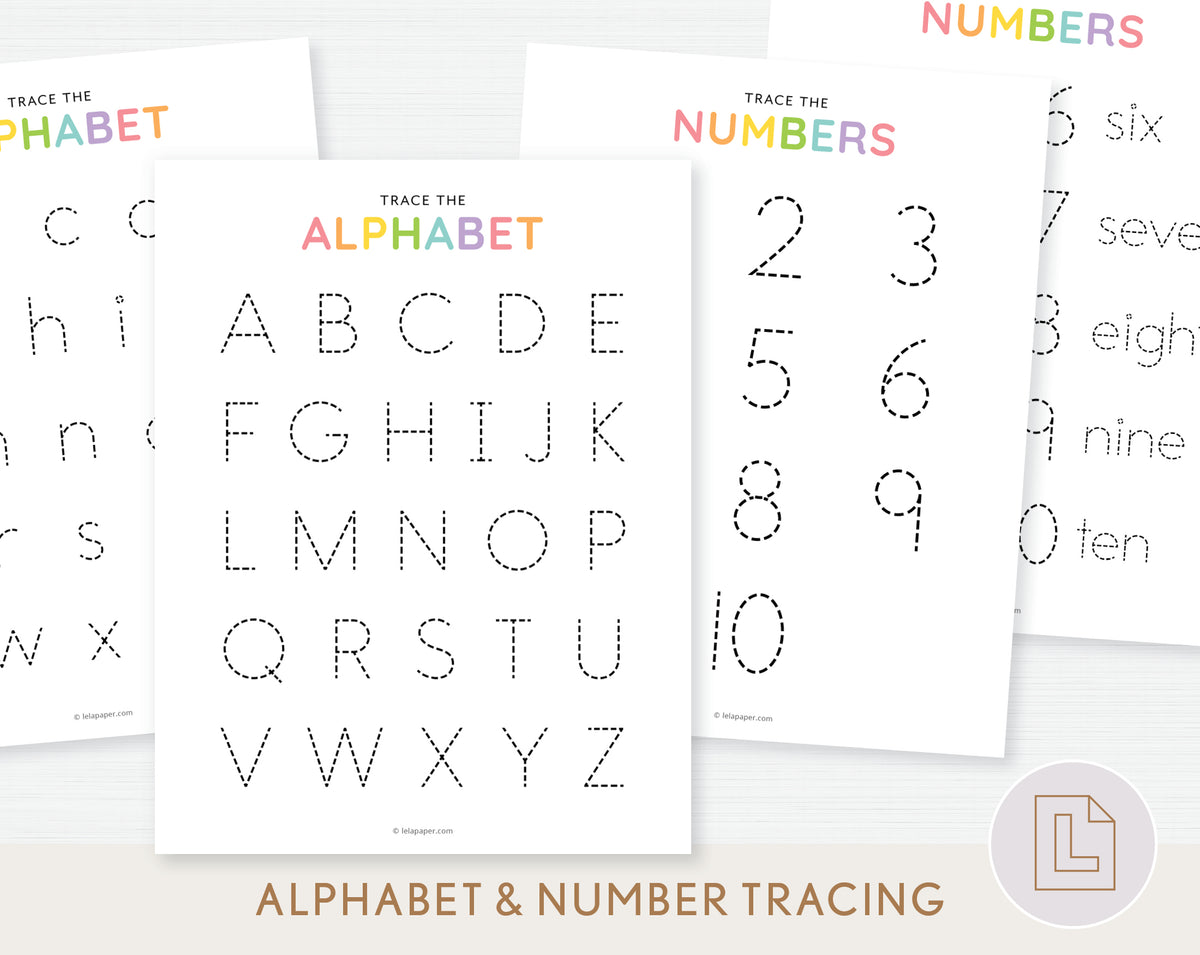
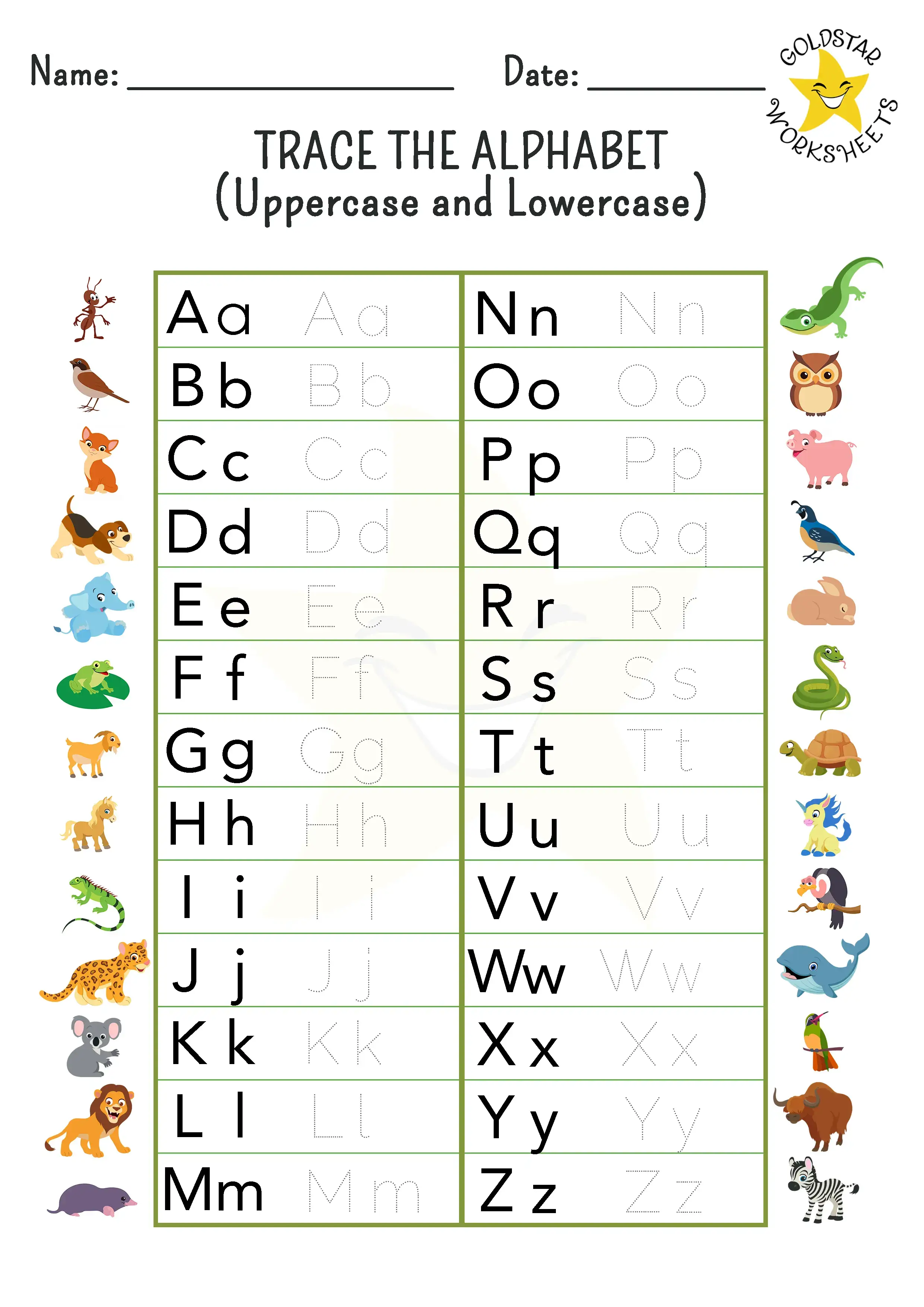
Many children recognize letters, shapes, and numbers long before their fine motor muscles possess the endurance or dexterity to form them on paper. According to the American Occupational Therapy Association, foundational hand strength and visual-motor integration must develop steadily before a child can master legible handwriting. Watching a young learner grip a pencil with a clenched fist highlights the gap between cognitive understanding and physical execution. Bridging that gap requires purposeful practice that gently conditions the hand while reinforcing early literacy. Utilizing structured abc and number tracing worksheets offers a direct pathway to connect cognitive letter recognition with precise physical execution. Explore more in our Tracing Number collection.
💡 Educational Key Takeaways:
- Core Skill: Structured Abc And Number Tracing Worksheets focused on developing pencil grip, stroke control, and early literacy/math confidence.
- Target Scope: Suited for homeschoolers, preschool, kindergarten, and elementary learners.
- Best Recommendation: Practice 10–15 minutes daily with ergonomic writing tools to reinforce muscle memory without hand fatigue.
What This Worksheet Covers
Mastering the mechanics of writing involves understanding letter and numeral formation, correct stroke order, and spatial awareness on a blank page. The provided materials target these precise mechanics by breaking down complex characters into manageable strokes. Instead of asking a child to draw a complete letter from memory, these guides supply visual boundaries and directional arrows. Children learn where each stroke begins and ends, establishing muscle memory that prevents bad habits like drawing letters from the bottom up. It sounds simple, and that is the point. When stroke patterns become automatic, cognitive energy shifts from physical pencil control to spelling, composition, and creative expression.
Key Learning Outcomes
Consistent interaction with these pages yields measurable gains across multiple developmental domains. First, learners refine visual-motor integration by tracking pencil movement with the eyes while guiding the hand along the dotted path. Second, directional stability improves as children internalize left-to-right progression and top-to-bottom orientation, which are essential prerequisites for fluent reading and writing. Third, intrinsic hand muscle strength increases through sustained, controlled pressure applied during pencil tracing. Finally, spatial organization develops naturally as letters stay properly aligned on the baseline rather than floating randomly across the page.
How to Use This Worksheet
Success with tracing activities depends heavily on the physical setup and the adult scaffolding provided during the session. Begin by ensuring the seating arrangement places feet flat on the floor and the table at elbow height, which stabilizes the core and frees the fingers for fluid movement. Slide the page into a dry-erase sleeve for low-pressure practice, or use regular paper with a well-sharpened primary pencil to provide tactile feedback. Here is what makes this practice effective: consistency beats volume. Completing a single row with intense focus builds better neural pathways than rushing through three pages of sloppy scribbles.
Practical Tips for Parents and Teachers
Adults play a vital role as dynamic facilitators during early writing sessions. Model the correct tripod grasp explicitly, and use playful imagery like hiding a small object in the palm to keep the ring and pinky fingers tucked away. Scaffolding the activity means starting with larger directional paths before moving to standard primary lines. If a child shows hand fatigue or frustration, pause the session immediately; pushing through physical exhaustion only reinforces awkward, painful grips. Celebrate small victories, such as a correctly formed starting point or a steady curved line, to maintain high intrinsic motivation.
Age-Appropriate Recommendations
Developmental readiness dictates the appropriate approach for different age groups across early childhood. According to the National Association for the Education of Young Children guidelines for developmentally appropriate practice, toddlers and young preschoolers benefit most from gross-motor pre-writing strokes, vertical lines, and large geometric shapes using thick crayons or finger paints. As children progress into kindergarten and early elementary grades, fine motor control matures enough to manage the precise constraints found within structured alphabet and number guides. Educators and caregivers can explore specialized options like Alphabet And Numbers Tracing to target these specific developmental stages effectively.
According to the American Occupational Therapy Association, foundational hand strength and visual-motor integration must develop steadily before a child can master legible handwriting. — American Occupational Therapy Association (AOTA)
Frequently Asked Questions
Navigating early writing development brings up common questions regarding materials, technique, and developmental timelines. Below are direct answers designed to help parents and educators support young writers with confidence.
According to Reading Rockets, early literacy and writing skills develop concurrently as children connect the sounds of language with the physical symbols on the page. — Reading Rockets
Explore More Free Printable Tracing Worksheets
Supporting a holistic writing journey requires access to a diverse array of targeted practice materials. Beyond foundational letters and numbers, young learners benefit from exploring Shape and Line Tracing to build foundational pencil control. To encourage engagement through changing seasons and varied interests, browse through Seasonal and Fun Themes for motivating practice. Caregivers seeking specialized practice for hand strength can utilize Fine Motor and Pre-Writing Skills to prepare small hands for formal writing. Discover the complete collection of resources designed for every stage of development by visiting the full library at KidTraces.com.
Developmental Milestone & Activity Table
| Development Stage | Recommended Daily Duration | Primary Learning Objective |
|---|---|---|
| Preschool & Pre-K | 10 – 15 Minutes | Pencil grip development & basic pre-stroke lines |
| Kindergarten | 15 – 20 Minutes | Letter/number formation & spatial line awareness |
| Early Elementary (Grade 1–2) | 20 – 30 Minutes | Fluency, sentence construction & neatness |
Images References