Introduction
Most early childhood classrooms reveal a fascinating gap between cognitive understanding and physical ability: children often recognize and name numbers long before their small hand muscles possess the endurance and dexterity to form those digits on paper. According to the American Occupational Therapy Association, foundational fine motor control and visual-motor integration must develop concurrently to support successful handwriting. Bridging this gap requires structured, repetitive practice that respects developmental timelines without inducing frustration. The free printable tracing numbers 1-50 worksheet provides a targeted bridge, allowing young learners to transition from recognizing numerical symbols to executing precise, controlled pencil strokes. Scaffolded practice transforms abstract math concepts into concrete muscle memory.
💡 Educational Key Takeaways:
- Core Skill: Structured Tracing Numbers 1-50 focused on developing pencil grip, stroke control, and early literacy/math confidence.
- Target Scope: Suited for homeschoolers, preschool, kindergarten, and elementary learners.
- Best Recommendation: Practice 10–15 minutes daily with ergonomic writing tools to reinforce muscle memory without hand fatigue.
What This Worksheet Covers
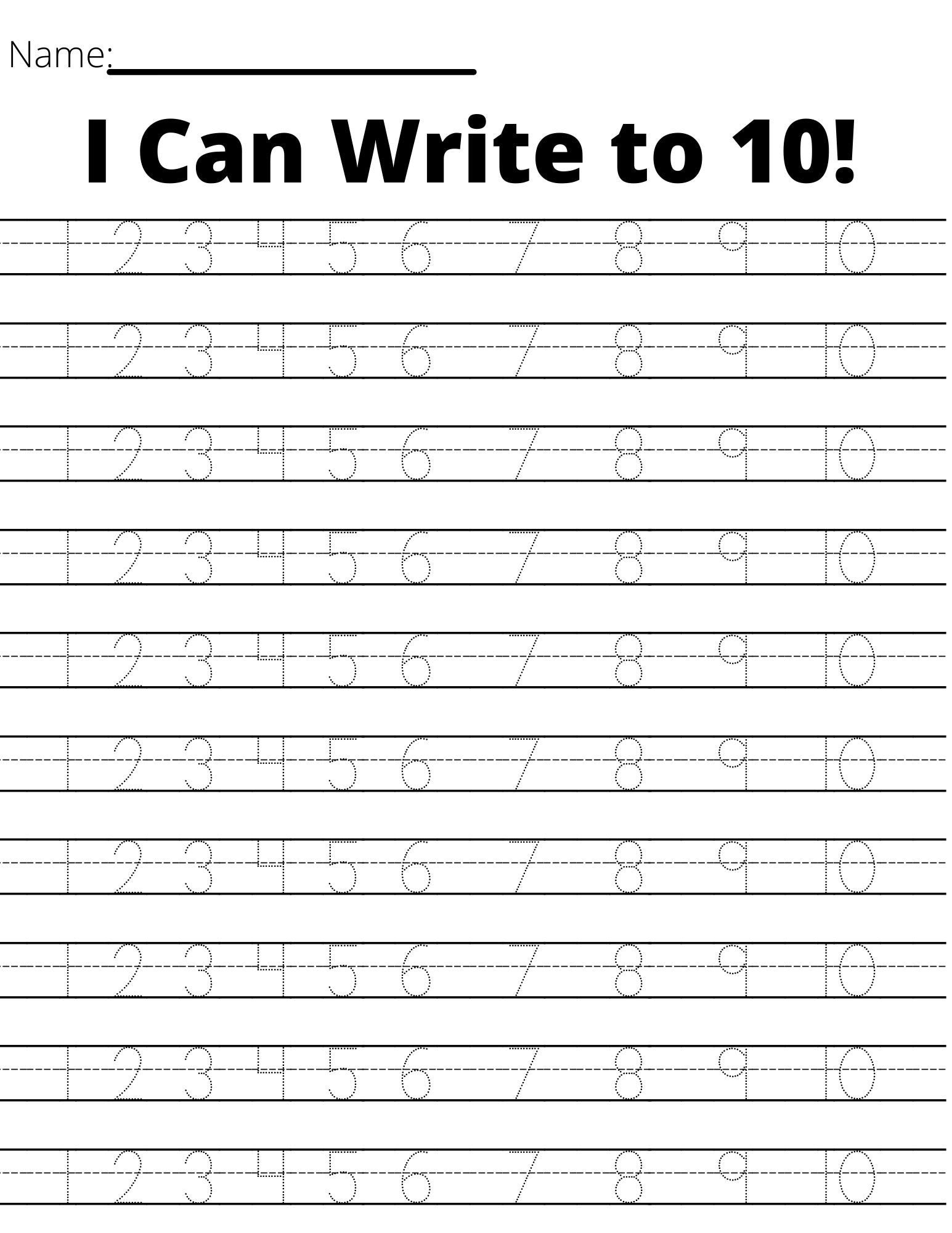
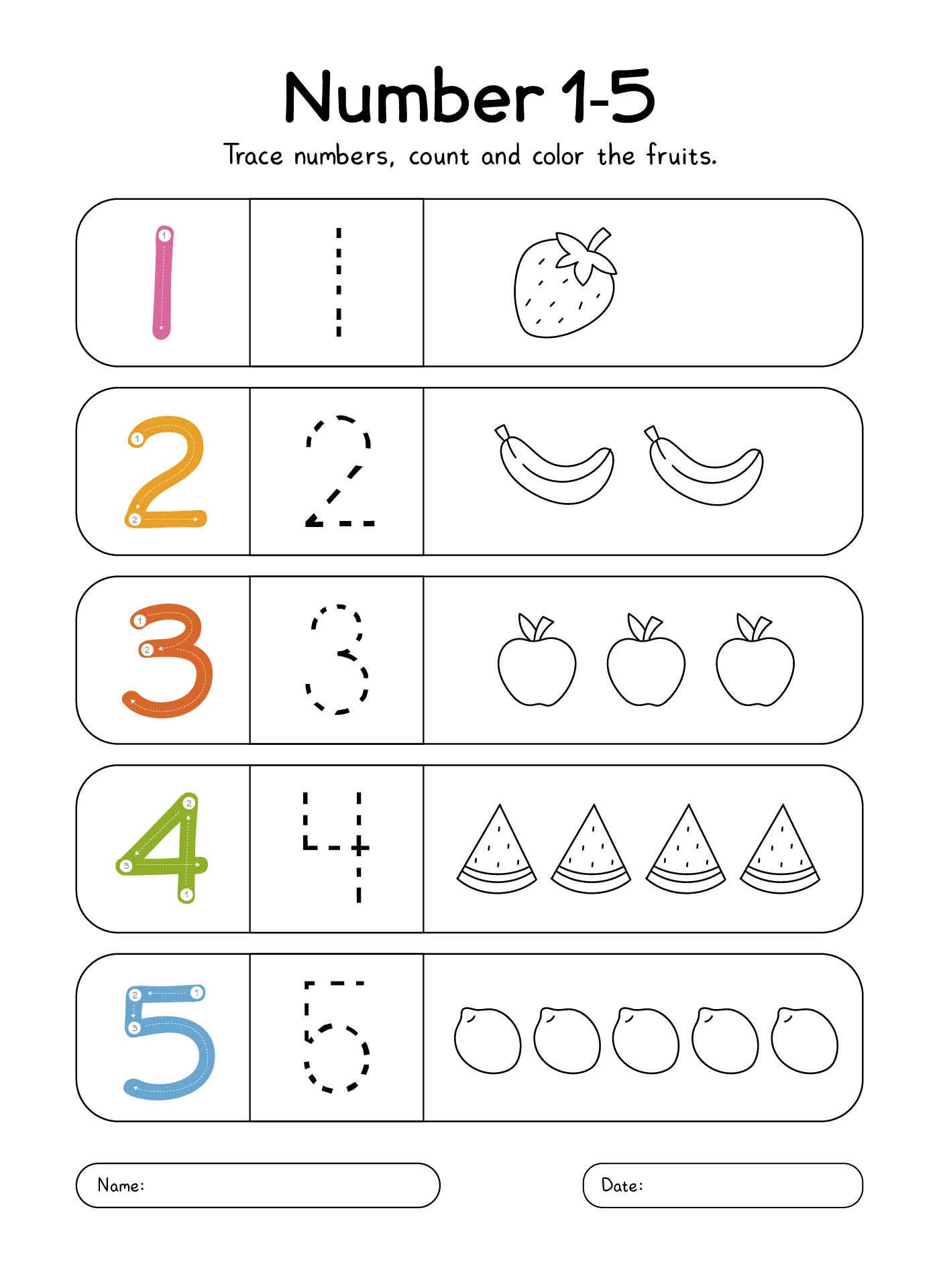
Developing numeral formation requires more than simply connecting dots on a page; it demands an understanding of spatial awareness, starting points, and continuous directional flow. The layout systematically guides learners from foundational digits up to the fifty milestone, ensuring progressive skill acquisition. Each row introduces purposeful spacing, directional arrows, and light guidelines that support visual tracking and pencil control. By repeating numbers across varied contexts, learners master the subtle curves of digits like three and five alongside the straight, deliberate lines of one and four. Mastering these individual strokes builds the core endurance necessary for longer writing tasks later on. For more related activities, check out our Number To Letters To Make Sentences For Kids Printable.
Key Learning Outcomes
Working through these pages cultivates consistent stroke order, which remains vital for speed and legibility as writing demands increase. Children internalize proper pencil grip and appropriate pressure regulation because the dotted formations naturally invite a steady, deliberate pace. Spatial orientation improves significantly as learners navigate grids, manage margins, and keep digits aligned within designated writing spaces. Furthermore, numerical recognition deepens through multisensory reinforcement, connecting the visual shape of the numeral directly to its physical creation. According to the National Association for the Education of Young Children, purposeful fine motor activities directly enhance cognitive processing and pre-writing competence in early childhood settings.
How to Use This Worksheet
Implementation requires a balance of supportive structure and autonomous exploration, avoiding the trap of rushed completion. Printing the sheets on slightly heavier cardstock or sliding them into transparent dry-erase pockets allows for repeated attempts without paper tear anxiety. Adults should encourage children to trace the numbers with a finger first to experience the kinetic flow before introducing a writing utensil. Establishing a consistent rhythm, such as completing a single row per session, prevents hand fatigue and maintains enthusiasm. Praise should focus on effort, correct starting points, and steady line control rather than flawless final products.
Practical Tips for Parents and Teachers
Adults play a crucial role in modeling appropriate pencil grasp, ensuring fingers remain relaxed rather than clenched in a tight, white-knuckle fist. Using short, stubby writing tools like broken crayons or golf pencils naturally encourages a functional tripod or quadrupod grasp by limiting space for improper finger wrapping. Scaffolding the activity means initially guiding a hand through the first few strokes before gradually fading assistance as confidence builds. Integrating playful elements, such as pretending the pencil is a race car navigating a numerical track, transforms repetitive drills into engaging play. Providing breaks for hand-strengthening exercises, like squeezing dough or playing with clay, keeps small muscles loose and responsive.
Age-Appropriate Recommendations
For younger children approaching tasks from a developmental standpoint aligned with CDC milestones, focusing on numbers one through ten with larger, more forgiving guidelines works best. As children transition into the five to eight age bracket, expectations shift toward independent execution, refined pencil control, and stamina across the full numerical sequence up to fifty. Within this older cohort, adhering to the expectations outlined in Handwriting Without Tears helps ensure that children utilize correct starting habits instead of drawing numbers from the bottom up. Adjusting the complexity of the activity to match current developmental readiness prevents burnout and fosters genuine academic confidence.
Foundational fine motor control and visual-motor integration must develop concurrently to support successful handwriting. — American Occupational Therapy Association
Frequently Asked Questions
Clear guidance helps caregivers maximize the benefits of daily writing practice while addressing common technical and developmental questions regarding early numeracy and pencil skills.
Explore More Free Printable Tracing Worksheets
Expanding a child’s early learning journey involves exploring diverse formats that target different aspects of foundational readiness. Beyond numerical sequences, young learners benefit greatly from practicing letter formation found within the Alphabet And Numbers Tracing collection. Strengthening pencil control through targeted patterns is equally important, making resources in Fine Motor and Pre-Writing Skills an invaluable addition to daily routines. Caregivers seeking specialized practice for specific letter shapes will find targeted support via Dotted Letters For Tracing. To discover a comprehensive array of resources tailored to every developmental stage, visit the main library at KidTraces.com for tools designed to inspire young learners.
Developmental Milestone & Activity Table
| Development Stage | Recommended Daily Duration | Primary Learning Objective |
|---|---|---|
| Preschool & Pre-K | 10 – 15 Minutes | Pencil grip development & basic pre-stroke lines |
| Kindergarten | 15 – 20 Minutes | Letter/number formation & spatial line awareness |
| Early Elementary (Grade 1–2) | 20 – 30 Minutes | Fluency, sentence construction & neatness |
Images References