Introduction
Many young children recognize numerals and can count aloud long before their hands possess the intrinsic muscle strength required to form those digits on paper. According to the American Occupational Therapy Association, foundational fine motor control and visual-motor integration must develop concurrently with cognitive understanding to support functional handwriting skills. Bridging this gap between mind and hand often requires targeted, repetitive practice with proper visual cues. That is precisely where free printable traceable numbers serve as an invaluable tool in early childhood classrooms and home learning environments, transforming abstract mathematical concepts into tactile muscle memory through structured stroke patterns.
💡 Technical Key Takeaways:
- Core Focus: Diagnostic schematic and terminal connection layout for Free Printable Traceable Numbers.
- Target Scope: Field technicians, automotive DIYers, and residential/commercial electricians.
- Safety Rule: Always disconnect the primary power source/battery terminal and verify zero voltage with a multimeter before touching wires.
What This Worksheet Covers
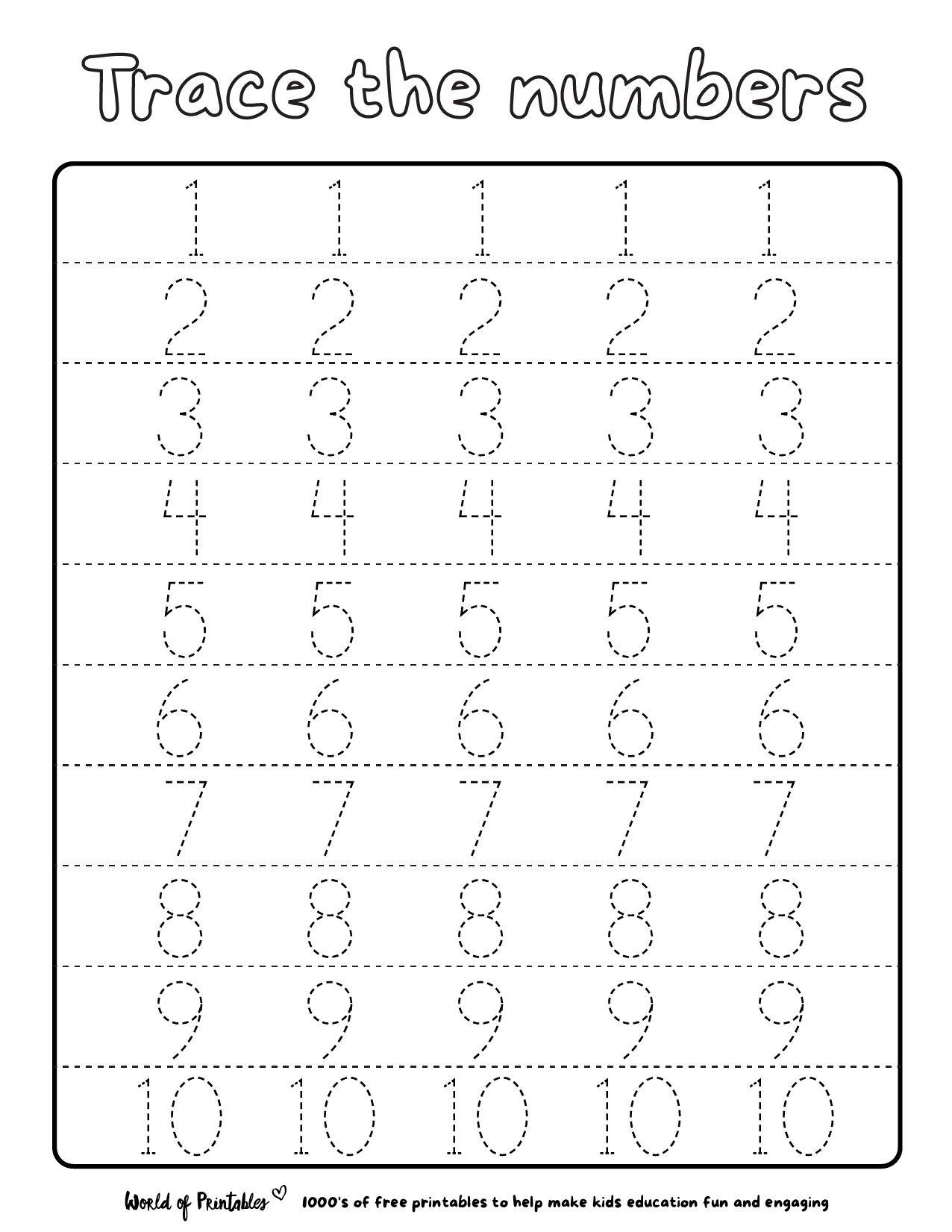
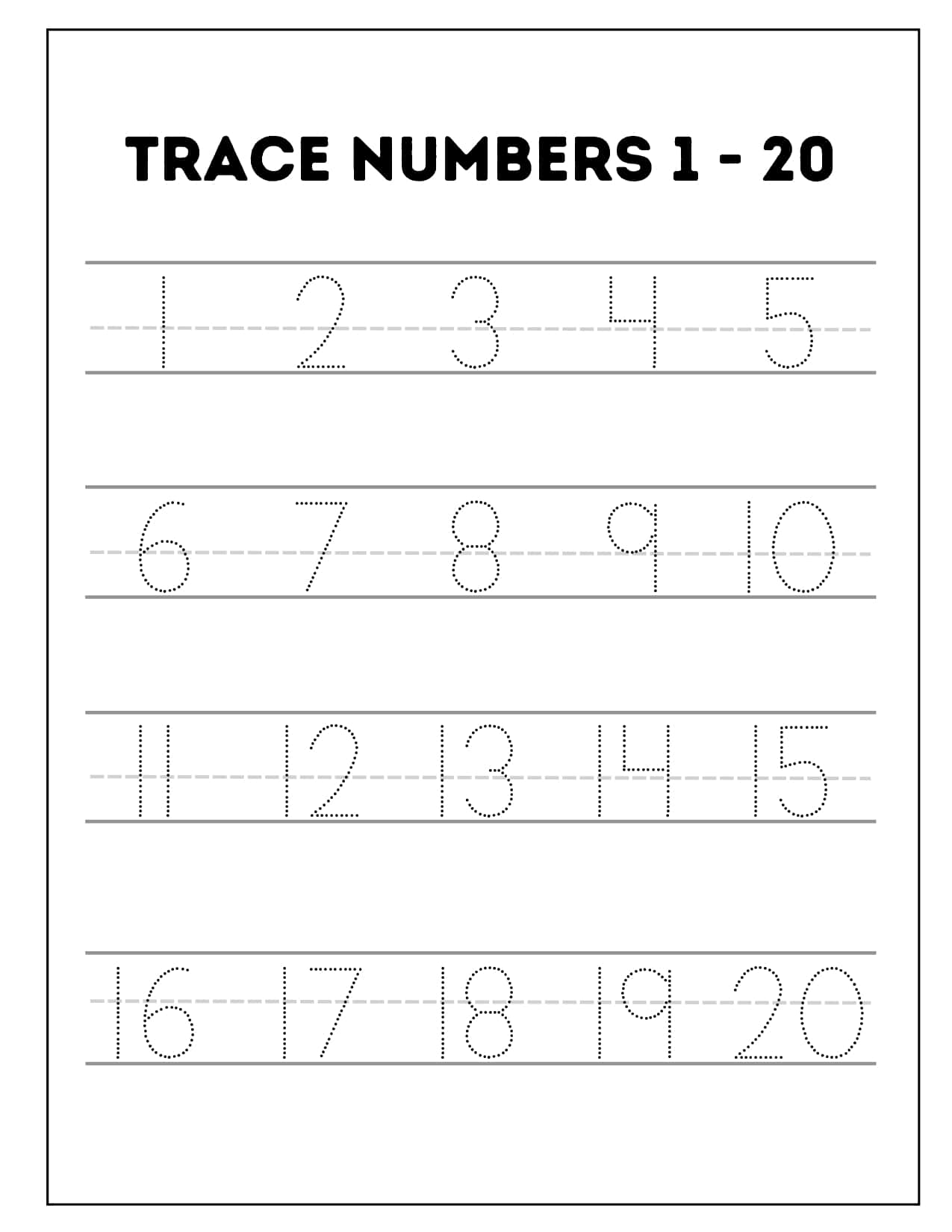
Numeral formation demands a specific sequence of strokes, starting points, and directional arrows that prevent the formation of inefficient writing habits. This particular printable provides clean, legible digits featuring directional dots and directional arrows that guide pencil movement from the initial touchpoint to the final stroke. Each digit is presented at an optimal scale for small hands transitioning away from gross motor scribbling toward controlled, precise lines. Children encounter both isolated numeral practice and sequential counting rows, allowing them to connect individual digit formation to broader mathematical counting principles. The visual layout minimizes extraneous distractions, keeping focus squarely on pencil control, line awareness, and spatial orientation across the writing surface.
Key Learning Outcomes
Mastering numerical symbols yields benefits that extend far beyond simple math worksheets. Learners build consistent stroke order and directional habits that prevent letter and number reversals later in elementary school. Fine motor precision improves significantly as fingers learn to regulate pressure and maintain continuous contact along dotted pathways. Visual-motor integration strengthens when eyes accurately track pencil tips while staying inside designated boundary lines. Additionally, children develop patience, self-regulation, and task persistence as they successfully complete each row of digits from zero to nine.
How to Use This Worksheet
Introducing these pages effectively requires an understanding of physical readiness and proper writing ergonomics. Adults should ensure the working surface allows the child’s feet to rest flat on the floor with hips and knees at ninety-degree angles. Starting with a warm-up activity, such as air-tracing the numbers with an index finger, helps activate the kinesthetic memory before the pencil ever touches the paper. It sounds simple, and that is the point: multisensory preparation builds confidence and reduces frustration during the actual writing process. Adults can pair these sheets with multisensory materials like salt trays or playdough snakes to reinforce digit shapes before moving to pencil and paper. Discover additional resources for early numeracy development by browsing the dedicated Tracing Number section.
Practical Tips for Parents and Teachers
Pencil grip matters immensely during early writing attempts, so gentle guidance toward a functional tripod grasp prevents hand fatigue during longer sessions. Adults should model correct stroke sequences on a whiteboard before letting the child tackle the worksheet independently, providing a clear visual demonstration of where each number begins. Scaffolding the activity by having the child trace only the first two numbers in a row before taking a movement break keeps frustration levels low and engagement high. Extending the learning naturally occurs when children count physical objects, such as blocks or buttons, and then trace the corresponding numeral on the page. For broader foundational stroke practice, explore the options available under Fine Motor and Pre-Writing Skills.
Age-Appropriate Recommendations
Aligning expectations with developmental timelines prevents burnout and fosters genuine enjoyment of writing. According to the National Association for the Education of Young Children Developmentally Appropriate Practice, children aged two to four typically engage with pre-writing strokes, vertical lines, and large-scale tracing using thick writing utensils. By ages five through eight, children transition to standard pencil control, mastering letter and numeral formation within structured lines as outlined in foundational educational frameworks. During the younger years, larger printouts and thick crayons support developing hand muscles, while older children transition to standard pencils and standard-sized tracing grids.
According to the Centers for Disease Control and Prevention developmental milestones, most children can copy a circle and begin tracing basic lines or shapes by age four, paving the way for structured numeral and letter formation in subsequent years. — CDC
Frequently Asked Questions
Answers to common inquiries regarding implementation and developmental benefits of numerical tracing sheets clarify best practices for educators and caregivers alike.
According to the National Institutes of Health, engaging children in structured tracing and fine motor tasks helps wire neural connections in the brain that support both visual processing and motor planning. — NIH
Explore More Free Printable Tracing Worksheets
Expanding a child’s collection of practice materials keeps engagement fresh and addresses diverse developmental needs across different subjects. Whether preparing for kindergarten handwriting standards or reinforcing letter recognition, a wide variety of no-prep printables can support learning goals at home or in the classroom. Browse the full library of resources at KidTraces.com to discover supplementary tools like Tracing Worksheets designed to make early skill-building enjoyable and accessible.
Quick Wiring Specifications & Terminal Guide
| Component / Circuit | Standard Wire Gauge | Recommended Protection |
|---|---|---|
| Control & Trigger Signals | 18 – 20 AWG | 5A – 7.5A Inline Fuse |
| Standard Auxiliary Load | 14 – 16 AWG | 15A – 20A Circuit Breaker |
| Main Power Feed / Supply | 10 – 12 AWG | 30A – 40A Heavy-Duty Relay |
Images References