Introduction
Many children recognize numerals and point to objects while counting long before their tiny hands possess the muscle endurance required to form those digits on paper. According to the National Association for the Education of Young Children, purposeful early writing experiences help children connect spoken language to written symbols through developmentally appropriate practice. When adults introduce the free printable write the numbers 1 to 5 numbers, learners bridge the gap between abstract mathematical concepts and concrete physical control. It sounds simple, and that is precisely the point. Early numeracy paired with targeted Tracing Number pages builds the foundational confidence necessary for lifelong academic success without overwhelming developing fingers.
💡 Technical Key Takeaways:
- Core Focus: Diagnostic schematic and terminal connection layout for Write The Numbers 1 To 5 Numbers.
- Target Scope: Field technicians, automotive DIYers, and residential/commercial electricians.
- Safety Rule: Always disconnect the primary power source/battery terminal and verify zero voltage with a multimeter before touching wires.
What This Worksheet Covers
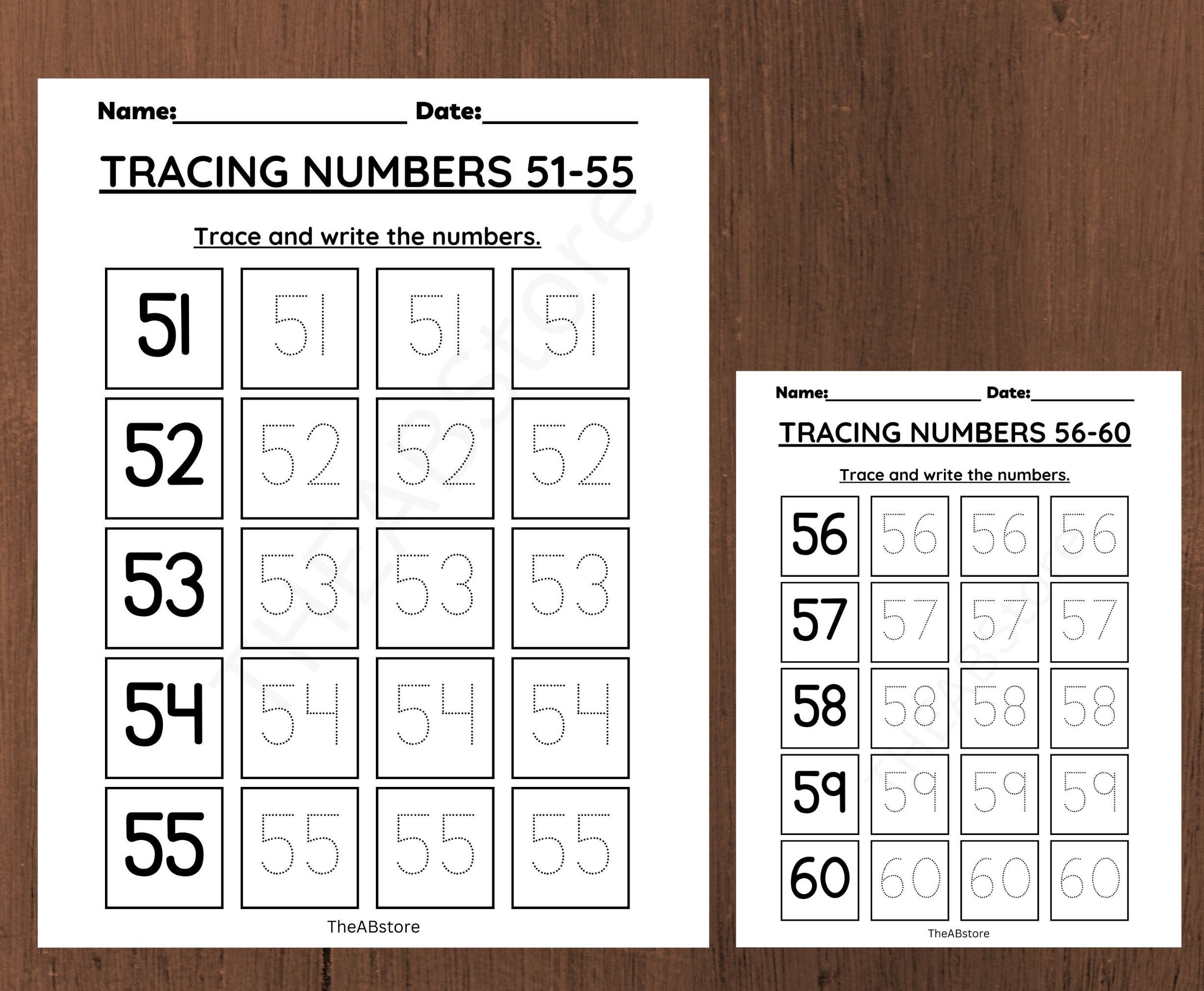
The primary focus centers on proper numeral formation, correct stroke order, and directional awareness for the digits one through five. Every single digit presents unique biomechanical challenges, from the diagonal slant of the numeral one to the curved loops of the number three. Children interact with structured dotted models that clearly display starting points and directional arrows, reducing the cognitive load associated with guessing where a stroke begins. Additionally, visual spacing boundaries help young writers understand size consistency, proportional scaling, and baseline adherence. These core elements transform a basic counting exercise into a comprehensive pre-writing powerhouse.
Key Learning Outcomes
Learners master correct stroke sequencing by tracing directional lines that prevent messy habits like starting numbers from the bottom up. Hand-eye coordination improves dramatically as pencils follow precise dotted paths from left to right across the page. Fine motor precision sharpens as tiny finger muscles learn to execute controlled stops, sharp angles, and smooth curves within defined visual boundaries. Furthermore, numeral recognition solidifies deeply because tactile movement reinforces visual memory far better than passive observation alone. Children also develop crucial postural stability and pencil control, paving the way for fluid handwriting skills as academic demands increase over time.
How to Use This Worksheet
Setting the stage for successful writing begins with a distraction-free environment and a comfortable seating arrangement where feet rest flat on the floor. Adults can introduce the page by having the child trace the numbers first with an index finger to feel the movement kinesthetically before touching a writing utensil. Pairing the visual tracing with tactile elements, such as forming the numbers in a small tray of salt or playdough beforehand, dramatically enhances muscle memory. Once the pencil touches the paper, encourage slow, deliberate movements rather than hurried completion. Praise effort and correct grip adjustments gently whenever fatigue causes fingers to slip backward.
Practical Tips for Parents and Teachers
Model the correct pencil grip by positioning the thumb, index, and middle fingers in a tripod grasp before the child attempts independent work. Scaffold the experience by covering parts of the page with a blank sheet of paper to reduce visual clutter for learners who feel easily overwhelmed. Extend the activity naturally by having children count out physical objects like blocks or buttons that match the numeral they just practiced tracing. If hand fatigue sets in early, switch to a shorter, thicker crayon or pencil to provide better leverage and tactile feedback. According to the American Occupational Therapy Association, strengthening intrinsic hand muscles through multi-sensory tasks significantly improves pencil control and endurance during extended writing activities.
Age-Appropriate Recommendations
For toddlers and preschoolers aged two to four, the focus should remain on large, gross motor movements, finger plays, and exploring early Fine Motor and Pre-Writing Skills before expecting precise numeral formation. Children in this younger bracket benefit immensely from using thick markers or finger paints directly on oversized templates that align with the developmental expectations outlined in the Head Start Early Learning Outcomes Framework. By ages five to eight, kindergarten and early elementary students refine their pencil pressure, master proper lowercase letter and numeral alignment, and consistently apply standard stroke sequences. During these older years, the focus shifts toward automaticity, speed, and maintaining legibility across unlined or dotted grid paper without constant adult prompting.
Purposeful early writing experiences help children connect spoken language to written symbols through developmentally appropriate practice. — National Association for the Education of Young Children (NAEYC)
Frequently Asked Questions
Getting started with printable resources is straightforward, and understanding the underlying mechanics helps adults maximize every learning session.
Explore More Free Printable Tracing Worksheets
Supporting a child through the journey of early literacy and numeracy requires a diverse toolkit of engaging, low-stress practice materials. Adults and educators can discover a vast array of supplementary activities by browsing the complete collection at KidTraces.com. Whether the daily lesson plan calls for whimsical seasonal designs found in Seasonal and Fun Themes or structured stroke practice available under Shape and Line Tracing, every learner finds resources tailored to individual developmental needs. Consistency and joy remain the true cornerstones of lasting educational progress.
Quick Wiring Specifications & Terminal Guide
| Component / Circuit | Standard Wire Gauge | Recommended Protection |
|---|---|---|
| Control & Trigger Signals | 18 – 20 AWG | 5A – 7.5A Inline Fuse |
| Standard Auxiliary Load | 14 – 16 AWG | 15A – 20A Circuit Breaker |
| Main Power Feed / Supply | 10 – 12 AWG | 30A – 40A Heavy-Duty Relay |
Images References