Introduction
Many children recognize letters and numbers long before their fine motor skills can actually form them on paper. According to the National Association for the Education of Young Children (NAEYC), meaningful early learning experiences must align with a child’s developmental readiness rather than rigid academic timelines. Watching a child struggle to grip a pencil with a clenched fist highlights the gap between cognitive understanding and physical capability. Scaffolding this transition requires tools that respect neurological and muscular development alike. The count down numbers for special education students free printable bridges this exact gap by offering structured, accessible practice that honors diverse learning profiles. It sounds simple, and that’s the point: removing visual clutter allows learners to focus entirely on numeral formation and stroke execution. Exploring resources found within Alphabet And Numbers Tracing categories reveals how thoughtful design transforms frustration into successful mark-making experiences for every developing hand.
💡 Technical Key Takeaways:
- Core Focus: Diagnostic schematic and terminal connection layout for Count Down Numbers For Special Education Students Free Printable.
- Target Scope: Field technicians, automotive DIYers, and residential/commercial electricians.
- Safety Rule: Always disconnect the primary power source/battery terminal and verify zero voltage with a multimeter before touching wires.
What This Worksheet Covers
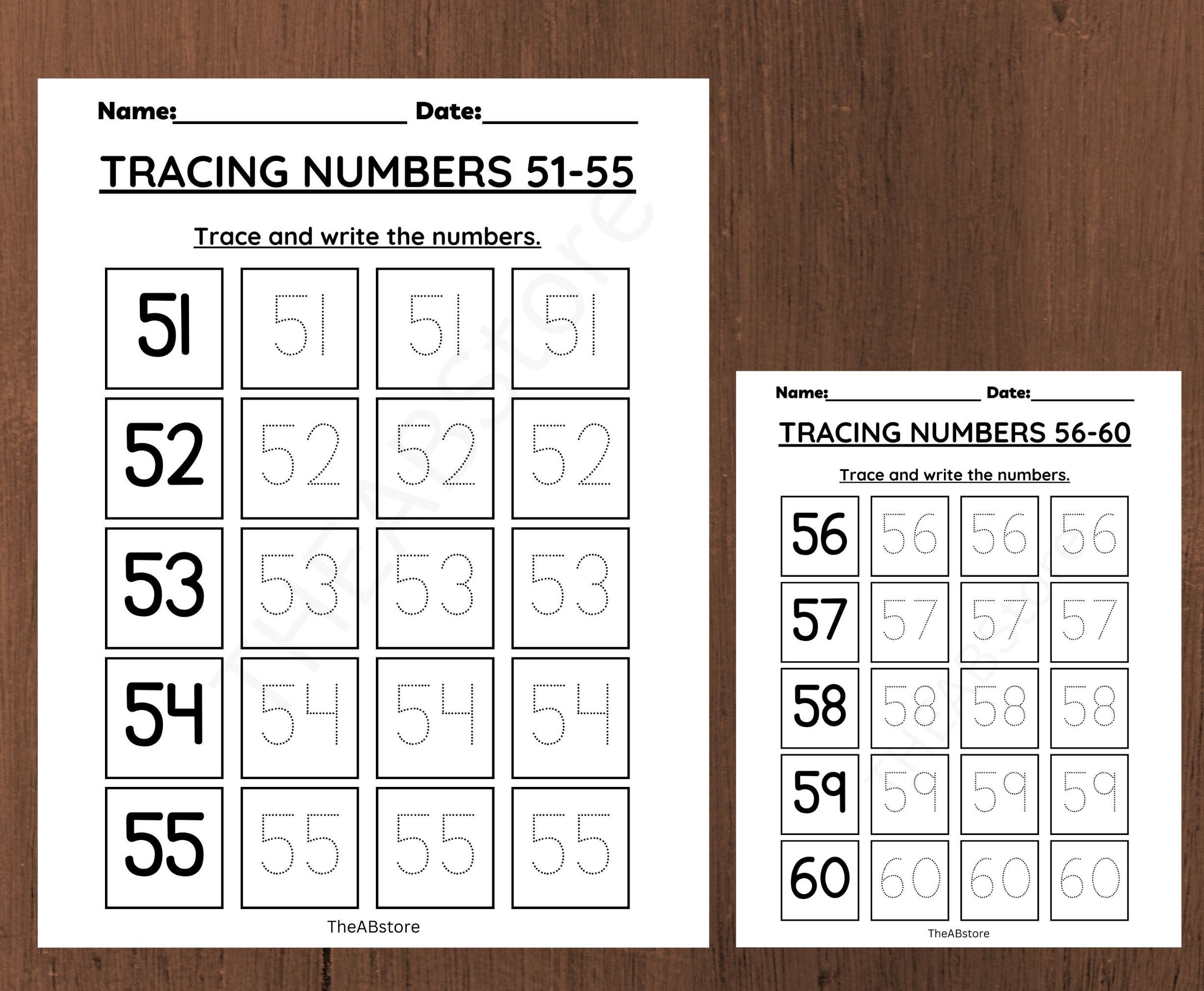
This specialized resource focuses on descending numerical sequences, guiding learners through the physical steps required to form each digit accurately. Descending order offers a unique cognitive rhythm, shifting focus from progressive accumulation to purposeful reduction, which naturally engages young minds. Each numeral features clear starting dots and directional arrows that remove the guesswork from pencil movement. Occupational therapy observations show that tactile cues significantly improve motor planning in children with special learning needs. When practicing numeral formation, learners engage with consistent stroke sequences that build muscle memory over time. Furthermore, the layout accommodates varying visual-perceptual processing speeds by maintaining generous spacing and high-contrast lines. Integrating tools from Tracing Number collections provides additional reinforcement for learners mastering early mathematical concepts alongside pencil control.
Key Learning Outcomes
Engaging with these targeted sheets fosters robust hand-eye coordination through deliberate, controlled pencil movements along guided paths. Learners build foundational finger strength and stability by sustaining an efficient grasp across repetitive stroke patterns. Spatial awareness improves significantly as children navigate within defined boundaries, understanding where digits begin and end on the page. Numerical sequencing solidifies naturally as tracing reinforces the correct order of descending values from ten down to one. Finally, the repetitive nature of these exercises cultivates patience and self-regulation, transforming abstract numerical symbols into deeply ingrained physical movements.
How to Use This Worksheet
Implementation succeeds best when sessions remain short, supportive, and tailored to the individual energy levels of the learner. Begin by observing how the child approaches the page, noting any tension in the hand, wrist, or shoulder girdle. Placing the paper on a slight slant often encourages a natural wrist position, making downward strokes much easier to execute. Encouraging finger isolation through playful warm-ups prepares the intrinsic hand muscles before a single mark touches the paper. Adults can guide the child’s hand gently through the first few strokes to provide kinesthetic feedback before letting the learner try independently. Exploring materials within the broader Tracing Worksheets selection ensures a rich variety of practice options for growing skill sets.
Practical Tips for Parents and Teachers
Modeling correct grip technique right alongside the child establishes a visual and physical standard without imposing unnecessary pressure. Scaffolding the activity by fading adult physical assistance gradually empowers the learner to take full ownership of the pencil. Utilizing thick, triangular crayons or short stubby pencils can instantly correct awkward grasps by naturally positioning little fingers into an appropriate tripod hold. Celebrating small victories, such as successfully completing a single numeral with fluid motion, builds intrinsic motivation and sustained engagement. Incorporating sensory elements like tracing numerals in salt trays or textured mats before moving to paper solidifies the motor plan in a deeply engaging way.
Age-Appropriate Recommendations
For children ages two to four, the focus centers primarily on gross motor control, sensory exploration, and basic pre-writing strokes rather than perfect numeral formation. According to the CDC developmental milestones, toddlers typically develop the ability to imitate vertical and horizontal lines between ages two and three, laying the physical groundwork for complex writing tasks. During these early years, structural expectations should remain flexible, prioritizing engagement and positive associations with writing tools. As children transition into the five to eight age bracket, expectations shift toward directional consistency and pencil control aligned with framework guidelines like Handwriting Without Tears. At this stage, specialized learners benefit immensely from structured templates that isolate difficult digits, helping them refine proportional sizing and baseline adherence.
Young children develop fine motor control through gradual muscle strengthening and progressive visual-motor integration — NAEYC Developmental Guidelines
Frequently Asked Questions
Navigating specialized educational printables involves understanding both technical access and developmental benefits. The answers below address common inquiries regarding downloading, developmental impacts, and institutional standards for early writing support.
Explore More Free Printable Tracing Worksheets
Discovering additional resources to support every stage of early childhood development becomes effortless when utilizing curated educational directories. The complete library available at KidTraces.com offers hundreds of specialized printables designed by educators and therapists to foster confidence and skill acquisition. Exploring categories focused on Fine Motor and Pre-Writing Skills provides targeted exercises that strengthen hand muscles and improve pencil grip. Every child deserves access to engaging, developmentally appropriate materials that turn learning challenges into joyful milestones.
Quick Wiring Specifications & Terminal Guide
| Component / Circuit | Standard Wire Gauge | Recommended Protection |
|---|---|---|
| Control & Trigger Signals | 18 – 20 AWG | 5A – 7.5A Inline Fuse |
| Standard Auxiliary Load | 14 – 16 AWG | 15A – 20A Circuit Breaker |
| Main Power Feed / Supply | 10 – 12 AWG | 30A – 40A Heavy-Duty Relay |
Images References