Introduction
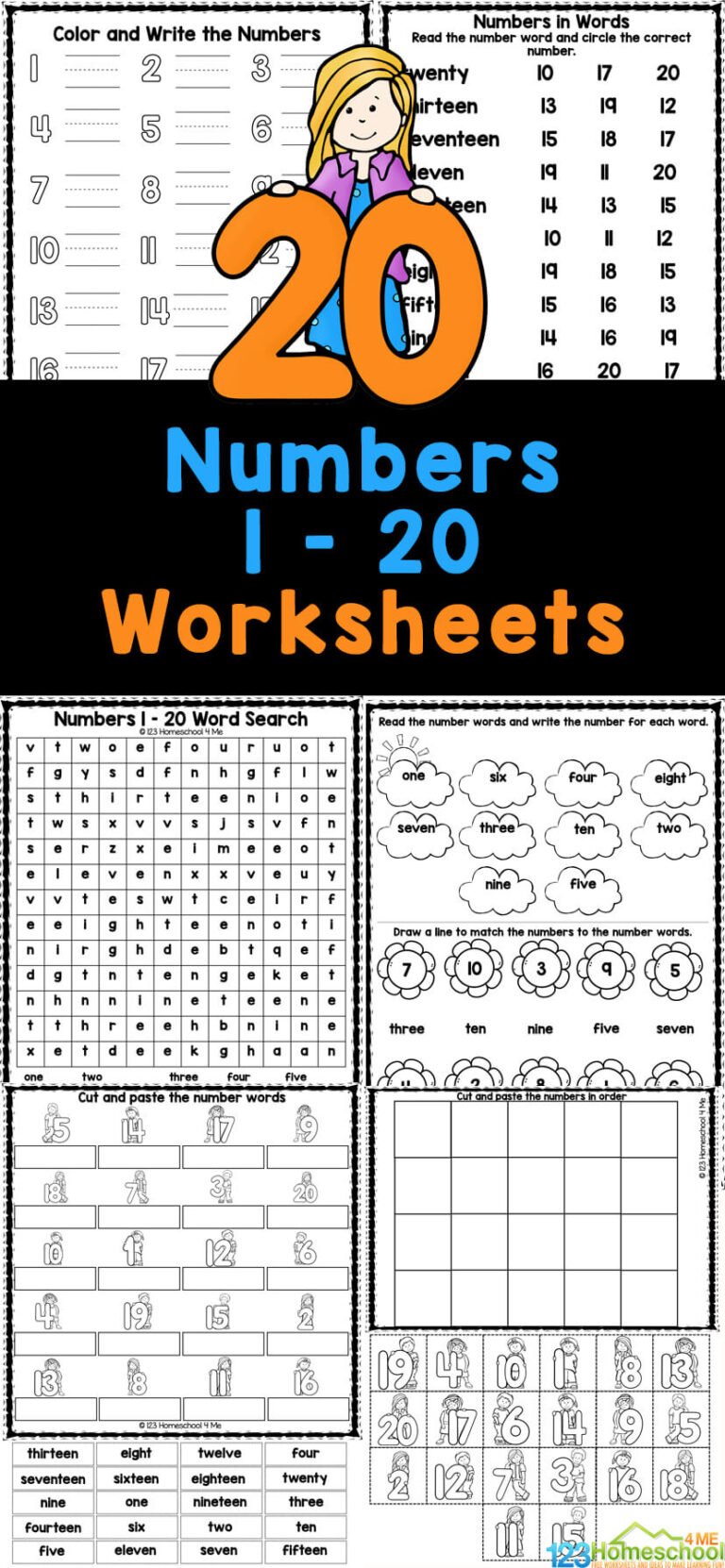
Many children recognize letters, signs, and numbers long before their fine motor coordination allows them to form those same symbols on paper. According to the National Association for the Education of Young Children (NAEYC), developmentally appropriate practice requires balancing intentional instruction with play-based learning to support physical and cognitive growth. Sitting down with a pencil often frustrates a young learner whose intrinsic hand strength has not yet caught up to mental curiosity. Bridging this gap requires scaffolding that feels approachable rather than overwhelming. The free printable trace the word the number 1 to 20 offers a structured avenue for young learners to connect early literacy with foundational math concepts through guided pencil control. It sounds simple, and that’s the point. By focusing on explicit stroke order and letter sequencing, learners build the muscle memory required for lifelong writing fluency.
💡 Technical Key Takeaways:
- Core Focus: Diagnostic schematic and terminal connection layout for Trace The Word The Number 1 To 20.
- Target Scope: Field technicians, automotive DIYers, and residential/commercial electricians.
- Safety Rule: Always disconnect the primary power source/battery terminal and verify zero voltage with a multimeter before touching wires.
What This Worksheet Covers
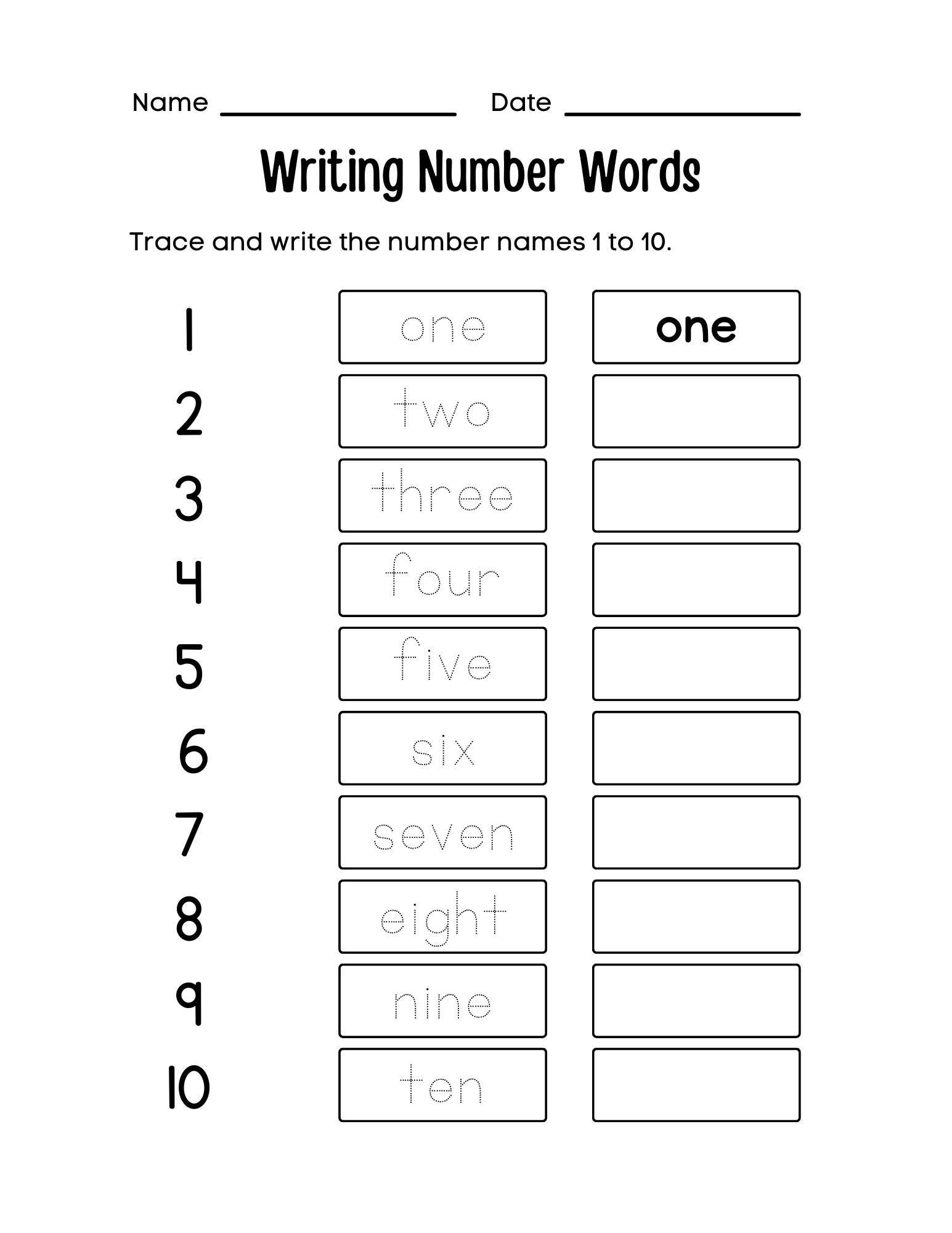
This specific tracing resource merges linguistic development with numerical literacy by guiding children through spelling out number words alongside the numerals themselves. Each line introduces targeted repetition, moving sequentially from one through twenty. Dotted formations provide visual boundaries, training the hand to regulate pressure, maintain continuous contact, and anticipate directional shifts. According to the American Occupational Therapist Association (AOTA), functional handwriting relies on integrated visual-motor skills, proprioceptive feedback, and postural stability. Working through this sequence challenges children to adjust their pencil grip continuously as they transition from tall letters like ‘h’ and ‘t’ to looped descenders or circular curves found in numbers like zero, six, and nine.
Key Learning Outcomes
Engaging with this printable directly strengthens numeral recognition and early spelling simultaneously. Learners reinforce correct stroke sequence by following directional arrows and starting points embedded directly into the layout. Spatial awareness improves naturally as children practice left-to-right progression and spacing between words and numerals. Hand-eye coordination sharpens with every repeated curve, vertical stroke, and diagonal line. Ultimately, the resource transforms abstract mathematical values and sight words into tangible physical movements, cementing both spelling patterns and numerical order in long-term memory.
How to Use This Worksheet
Success with early writing tools depends heavily on the physical environment and the immediate support provided by adults. Begin by ensuring the child sits with feet flat on the floor and elbows resting comfortably at a ninety-degree angle on the table. It is helpful to introduce a small break after every five numbers to prevent hand fatigue and cramping. Encourage the child to verbalize the number word aloud while tracing to build a multisensory bridge between auditory, visual, and kinesthetic pathways. Pairing these sheets with exploratory Fine Motor and Pre-Writing Skills activities ensures hand muscles stay loose and ready.
Practical Tips for Parents and Teachers
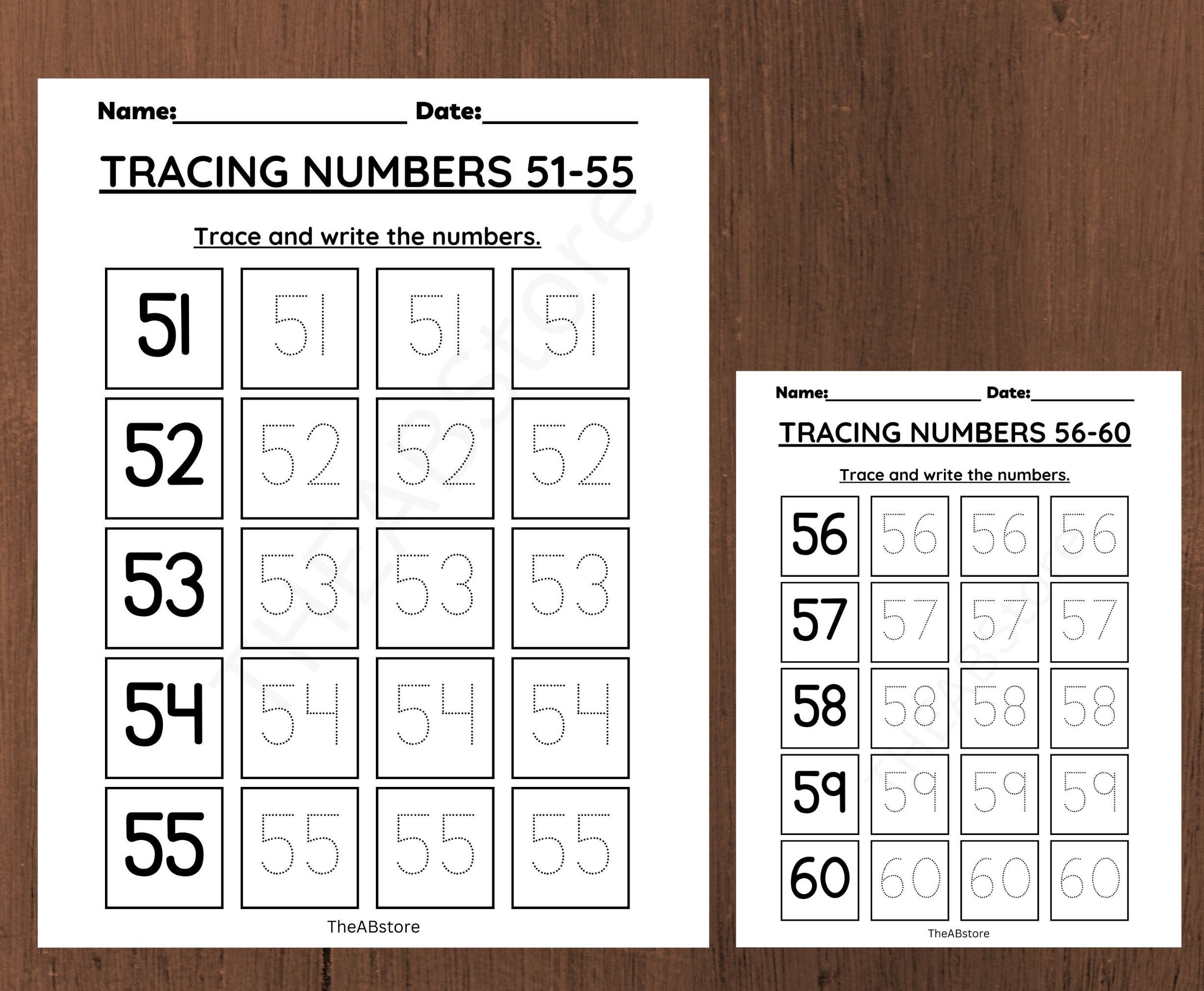
Adults play a vital role in scaffolding these early attempts without taking over the pencil. Model the proper tripod grasp by placing the thumb, index, and middle fingers in position before letting the child try independently. Utilize broken crayons or short golf pencils to naturally encourage a correct pinch grasp instead of a heavy-fisted grip. Scaffolding might involve hand-over-hand guidance for the first few rows, gradually fading physical support as confidence grows. For children mastering specific numerical formations, supplementing with Tracing Number pages provides extra targeted practice without overwhelming the working memory.
Age-Appropriate Recommendations
For younger children aged two to four, the focus remains primarily on sensory exploration, large muscle control, and basic line awareness. Aligning with early childhood developmental milestones, toddlers benefit more from tracing oversized figures in sand or finger paint before tackling standard paper worksheets. Children aged five to eight, operating within early elementary frameworks such as the Common Core ELA standard CCSS.ELA-LITERACY.L.K.1.A, are ready for formal letter and numeral formation. At this stage, integrating comprehensive Word and Name Tracing exercises helps solidify spelling patterns while refining precision and pencil control.
Functional handwriting relies on integrated visual-motor skills, proprioceptive feedback, and postural stability. — American Occupational Therapy Association (AOTA)
Frequently Asked Questions
Answers to common questions regarding this resource and early writing development are outlined below to help caregivers guide children effectively.
Explore More Free Printable Tracing Worksheets
Supporting a young writer involves offering a wide variety of engaging practice materials tailored to evolving interests and skill levels. Exploring the broader collection at KidTraces.com reveals numerous categories designed to make pencil control fun and rewarding. Educators and families can discover everything from seasonal challenges found in Seasonal and Fun Themes to foundational strokes featured in Shape and Line Tracing. Every printable aims to build confidence, foster independence, and prepare children for a lifetime of successful writing.
Quick Wiring Specifications & Terminal Guide
| Component / Circuit | Standard Wire Gauge | Recommended Protection |
|---|---|---|
| Control & Trigger Signals | 18 – 20 AWG | 5A – 7.5A Inline Fuse |
| Standard Auxiliary Load | 14 – 16 AWG | 15A – 20A Circuit Breaker |
| Main Power Feed / Supply | 10 – 12 AWG | 30A – 40A Heavy-Duty Relay |
Images References