Introduction
Many children recognize letters, shapes, and numbers long before their fine motor coordination allows them to comfortably form them on paper. According to the National Association for the Education of Young Children (NAEYC), early writing emerges naturally through play, exploration, and purposeful marking, rather than through rigid rote drilling. Adults often notice a gap between a child’s cognitive understanding and their physical ability to control a writing tool. Bridging this gap requires careful scaffolding, gentle hand-strengthening, and visual guidance. The free printable trace numbers and letters worksheet provides an accessible, structured path for developing essential pre-writing strokes, stroke order, and spatial awareness.
💡 Educational Key Takeaways:
- Core Skill: Structured Trace Numbers And Letters Worksheet focused on developing pencil grip, stroke control, and early literacy/math confidence.
- Target Scope: Suited for homeschoolers, preschool, kindergarten, and elementary learners.
- Best Recommendation: Practice 10–15 minutes daily with ergonomic writing tools to reinforce muscle memory without hand fatigue.
What This Worksheet Covers
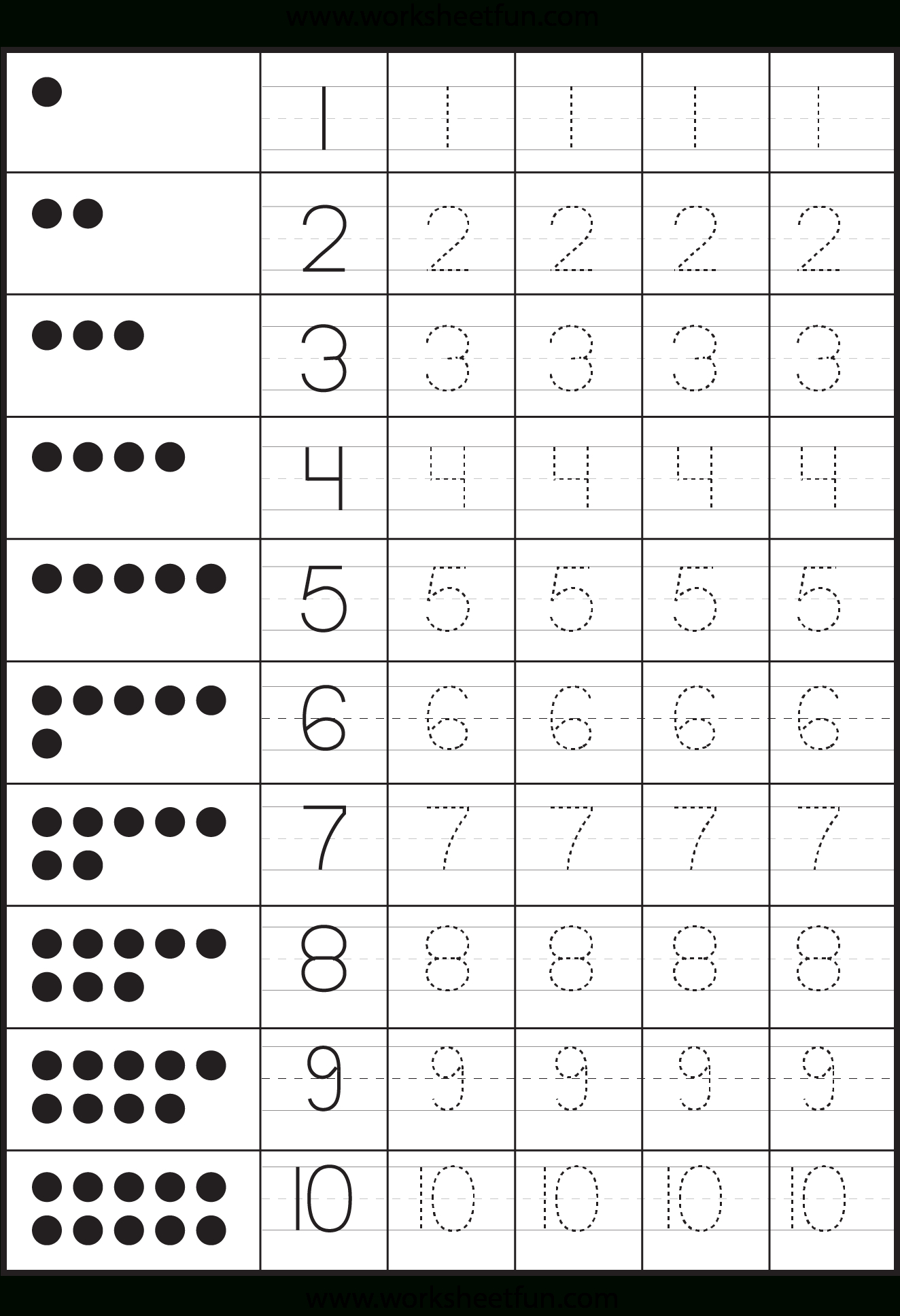
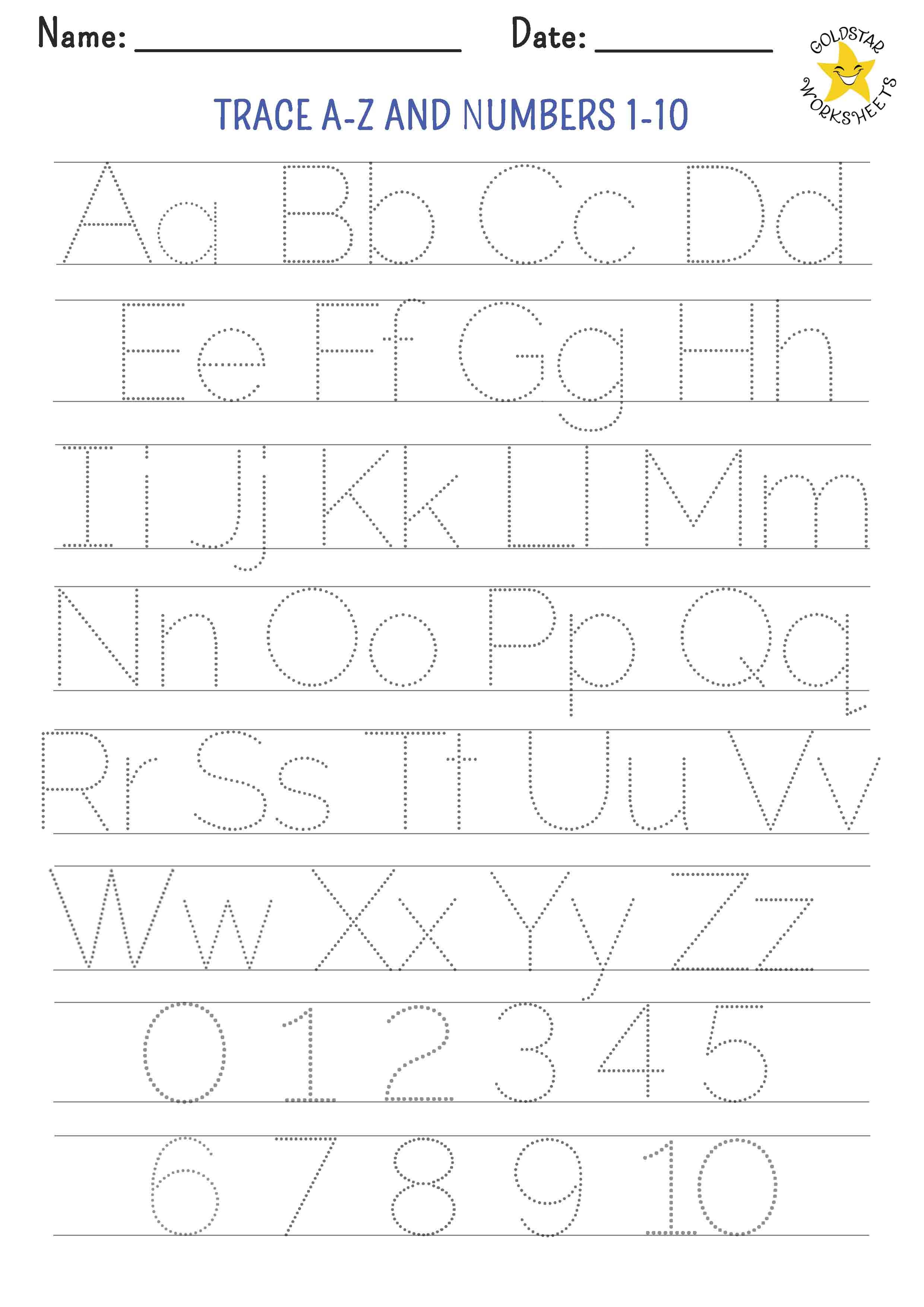
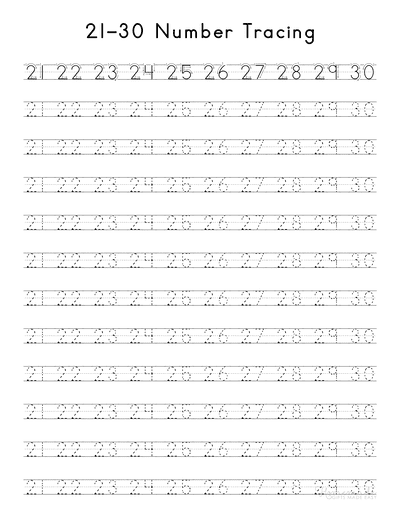
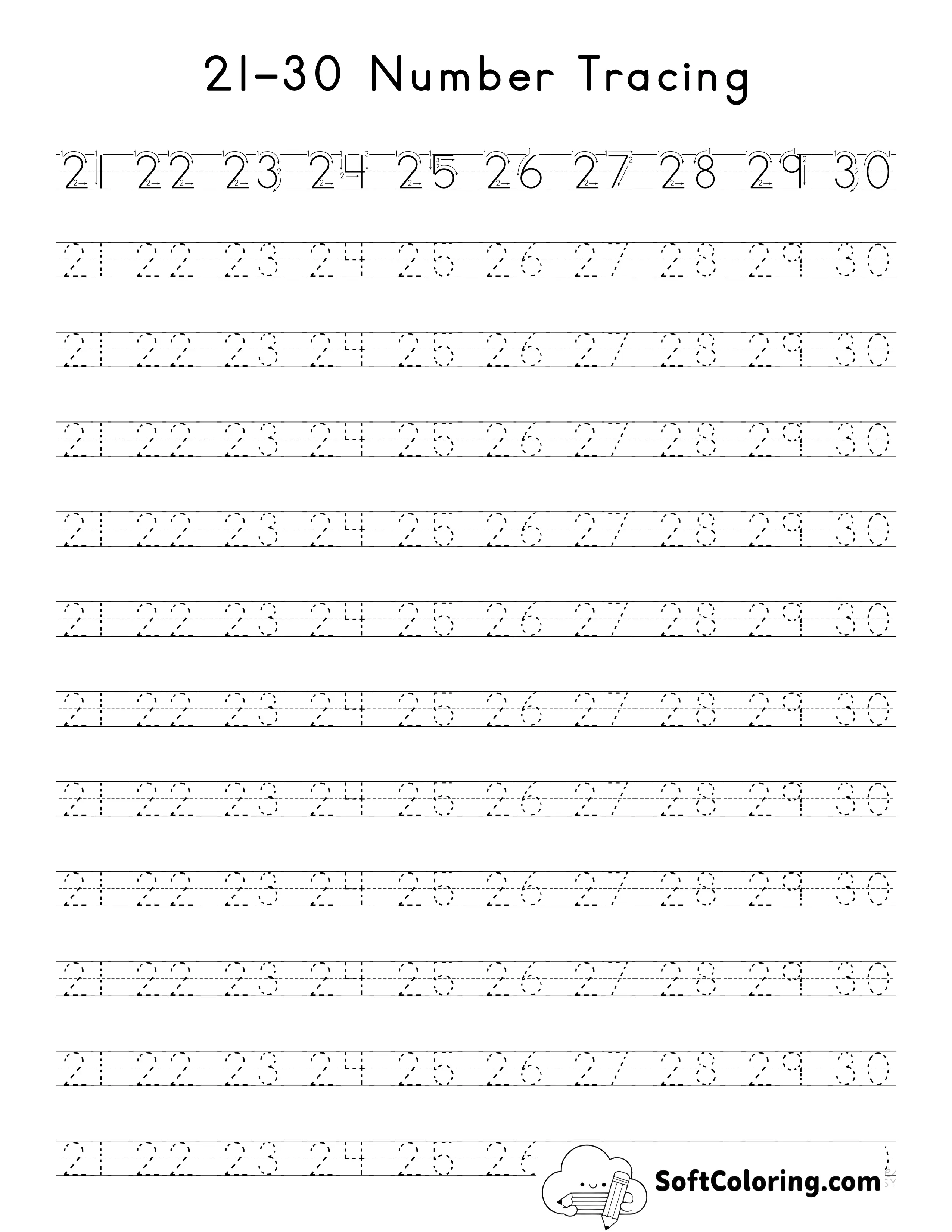
Mastering pencil control involves breaking down complex symbols into manageable visual-motor components. This specific tracing resource combines foundational pre-writing lines, continuous curved shapes, precise numeral formations, and standard alphabet characters onto clean, distraction-free pages. Children encounter carefully measured dotted formations that encourage correct starting points and directional arrows. Rather than overwhelming learners with dense blocks of text, the layout presents targeted practice strips that isolate individual movements. Such deliberate design minimizes visual clutter, helping young learners focus entirely on the physical feedback of the pencil gliding across the page. It sounds simple, and that is precisely the point; stripping away distractions allows the nervous system to focus on motor memory and spatial planning.
Key Learning Outcomes
Working through these guided tracing pages nurtures several foundational academic and developmental milestones simultaneously. Learners build robust bilateral coordination by holding the paper steady with one hand while the dominant hand executes controlled marks. Proper finger positioning and intrinsic hand muscle endurance improve as children maintain a functional tripod or modified grasp across repeated strokes. Additionally, consistent exposure to structured letter and numeral paths reinforces visual memory, directional tracking from left to right, and precise pencil pressure regulation. Children transition from erratic scribbles to intentional, bounded strokes that respect baseline boundaries and directional cues, laying the vital groundwork for legible, fluent handwriting.
How to Use This Worksheet
Maximizing the benefits of any tracing activity requires moving past passive repetition and focusing on engaged, mindful practice. Adults should introduce the resource during calm moments when energy levels support seated focus, keeping sessions brief to prevent hand fatigue. Placing the paper on a flat, stable surface ensures the hand experiences uniform resistance. Some children benefit from slipping the sheet inside a dry-erase pocket sleeve for initial, low-pressure explorations with thick markers, which builds confidence before transitioning to standard pencils and crayons on traditional paper. According to the American Occupational Therapy Association (AOTA), addressing foundational postural stability and proximal shoulder strength significantly enhances distal hand control during fine motor tasks. Observing posture and hand position during these exercises helps adults identify when a child needs a break or a supportive seating adjustment.
Practical Tips for Parents and Teachers
Supporting a developing writer involves careful observation, patience, and strategic intervention. Modeling correct pencil grip explicitly gives children a visual target to imitate, while short verbal cues help anchor directional strokes in memory, such as starting at the top and pulling straight down. Scaffolding the activity means stepping in with hand-over-hand assistance when a child shows frustration, then gradually fading that support as confidence grows. Teachers and caregivers can extend the learning by having children trace raised tactile outlines, write letters in sensory trays filled with sand or salt, or air-write giant shapes with their entire arm before touching pen to paper. Keeping the environment encouraging transforms handwriting practice from a frustrating chore into a satisfying, empowering achievement.
Age-Appropriate Recommendations
Developmental readiness dictates how children interact with tracing materials across different age brackets. For toddlers and preschoolers ages two through four, aligned with standard early childhood milestones, the emphasis rests heavily on Fine Motor and Pre-Writing Skills, focusing on vertical lines, horizontal sweeps, and simple Shape and Line Tracing rather than perfect letter proportions. As children progress into kindergarten and early elementary school ages five through eight, following structured developmental frameworks like Handwriting Without Tears, expectations shift toward letter-specific proportional sizing, consistent baseline placement, and proper Alphabet And Numbers Tracing using explicit Dotted Letters For Tracing. Tailoring expectations to match current neurological and muscular development prevents unnecessary frustration and protects long-term writing confidence.
Early writing development relies heavily on proximal shoulder and core stability to support precise distal hand and finger control. — American Occupational Therapy Association (AOTA)
Frequently Asked Questions
Clear guidance on implementing educational printables ensures a smooth experience for both adults and young learners. The answers below address common inquiries regarding downloading procedures, fine motor benefits, and expert organizational insights.
Explore More Free Printable Tracing Worksheets
Supporting a young writer’s journey involves offering a wide variety of engaging, developmentally appropriate practice materials tailored to changing interests and skill levels. Exploring the complete library of resources available across KidTraces.com provides educators and families with endless opportunities to foster pencil control, numeral mastery, and alphabet fluency. From Tracing Number pages and Word and Name Tracing exercises to engaging Seasonal and Fun Themes, every collection is crafted to make learning joyful and effective. Discover new tools, print specialized practice pages, and keep the momentum of early literacy thriving every single day by browsing the full catalog at Tracing Worksheets and exploring General Kidtraces.
Developmental Milestone & Activity Table
| Development Stage | Recommended Daily Duration | Primary Learning Objective |
|---|---|---|
| Preschool & Pre-K | 10 – 15 Minutes | Pencil grip development & basic pre-stroke lines |
| Kindergarten | 15 – 20 Minutes | Letter/number formation & spatial line awareness |
| Early Elementary (Grade 1–2) | 20 – 30 Minutes | Fluency, sentence construction & neatness |
Images References