Introduction
Many children recognize numerals and letters long before their fine motor skills can actually form them on paper. This common gap between cognitive understanding and physical capability often frustrates young learners when pencil meets paper. According to the American Occupational Therapy Association, foundational fine motor control and bilateral coordination are essential prerequisites for functional handwriting and classroom success. Bridging this developmental gap requires engaging materials that connect abstract mathematical concepts with tangible physical movements. The free printable trace numbers to the count of animals worksheet transforms standard numeral practice into a multi-sensory counting experience. Children interact directly with playful illustrations while building the precise muscle control needed for early academic achievement.
💡 Educational Key Takeaways:
- Core Skill: Structured Trace Numbers To The Count Of Animals Worksheet focused on developing pencil grip, stroke control, and early literacy/math confidence.
- Target Scope: Suited for homeschoolers, preschool, kindergarten, and elementary learners.
- Best Recommendation: Practice 10–15 minutes daily with ergonomic writing tools to reinforce muscle memory without hand fatigue.
What This Worksheet Covers
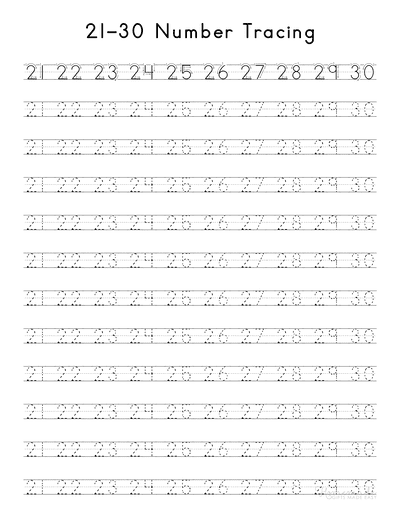
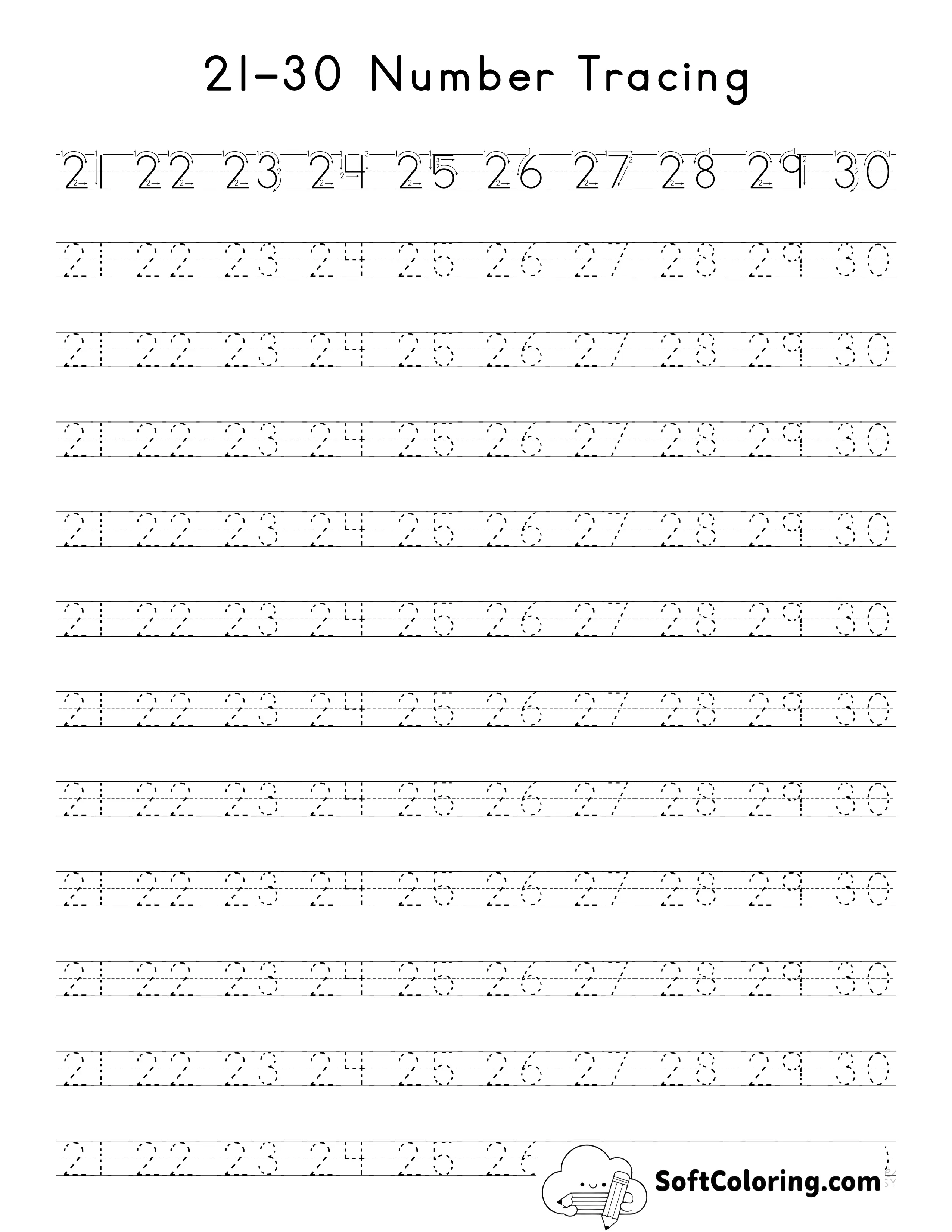
Learning to write numbers involves much more than simply copying lines; it requires strict adherence to stroke order, spatial awareness, and directional consistency. This resource integrates early numeracy with purposeful pencil control by pairing specific numeral formation tasks with corresponding animal quantities. Each section guides the hand through deliberate paths, teaching little learners where to start, which direction to travel, and where to finish every digit. Through repeated exposure, learners internalize the distinct shapes of numbers zero through nine. The presence of friendly animal illustrations keeps engagement high, turning what could be a tedious drill into a joyful game of counting and tracing. It sounds simple, and that’s the point. When cognitive load is reduced through familiar themes, children can focus entirely on refining their pencil grip and stroke fluidity, supporting broader Tracing Number proficiencies.
Key Learning Outcomes
Working through these guided exercises fosters robust neural pathways dedicated to visual-motor integration and numerical literacy. Children naturally develop correct numeral formation and stroke sequence as they trace over distinct dotted pathways. Counting the accompanying animals reinforces one-to-one correspondence, anchoring abstract numeric symbols to concrete physical quantities. Hand-eye coordination improves significantly as little fingers maneuver pencils along curved and straight pre-writing lines. Furthermore, completing the page builds sustained attention span and task persistence, preparing young minds for more advanced writing demands found within Tracing Worksheets collections.
How to Use This Worksheet
Facilitating a successful tracing session relies heavily on establishing a supportive physical environment and a relaxed posture. Ensure the table sits at elbow height and the feet rest flat on the floor to provide adequate core stability for the upper body. Encourage the dominant hand to grasp the writing utensil using a functional tripod or quadrupod grip, allowing for fluid finger movements rather than rigid wrist pushing. Begin the activity by having the child count the animals aloud, connecting the spoken number word to the visual symbol before any tracing begins. Adults can gently guide a hand through the first stroke to model proper starting points and directional flow.
Practical Tips for Parents and Teachers
Here’s what makes this worksheet different: it invites tactile exploration before the pencil ever touches the page. Invite learners to trace the giant numerals with their index fingers or colorful cotton swabs dipped in paint to build muscle memory safely. Scaffolding the experience means stepping in with hand-over-hand assistance for early attempts, then gradually fading support as confidence grows. Extend the learning by asking children to find matching quantities of real objects around the room, such as counting five blocks or lining up three toy cars. Laminating the sheet or slipping it inside a clear dry-erase sleeve allows for endless repetition, which is vital for children refining their Fine Motor and Pre-Writing Skills without paper fatigue.
Age-Appropriate Recommendations
Developmental readiness dictates how children interact with early writing tasks, shifting dramatically between toddlerhood and early elementary school. According to the National Association for the Education of Young Children, developmentally appropriate practice for two- and three-year-olds emphasizes gross motor engagement, large arm movements, and sensory exploration rather than rigid pencil drills. At this stage, children enjoy pointing to the animals and making animal sounds while an adult traces the numbers. For children ages four to eight, aligned with the Common Core kindergarten mathematics standards for counting and cardinality (CCSS.MATH.CONTENT.K.CC.A.3), learners should independently write numbers from zero to twenty while matching quantities. This printable bridges both stages by offering large, accessible tracing paths for preschoolers alongside accurate counting challenges for kindergarteners and first graders.
Foundational fine motor control and bilateral coordination are essential prerequisites for functional handwriting and classroom success. — American Occupational Therapy Association (AOTA)
Frequently Asked Questions
Clear guidance helps educators and families maximize the benefits of everyday learning materials.
Young children master gross motor movements and large visual tracking long before developing the intrinsic hand muscles required for precise pencil control. — Centers for Disease Control and Prevention (CDC)
Explore More Free Printable Tracing Worksheets
Extending your child’s learning journey involves exploring a wide variety of engaging subjects and seasonal motifs. Discover additional resources tailored to every developmental milestone by visiting the complete library at KidTraces.com. Whether you need structured alphabet practice or playful holiday designs, every family can find wonderful tools to support growth. Browse through Alphabet And Numbers Tracing options to build comprehensive early literacy foundations today.
Developmental Milestone & Activity Table
| Development Stage | Recommended Daily Duration | Primary Learning Objective |
|---|---|---|
| Preschool & Pre-K | 10 – 15 Minutes | Pencil grip development & basic pre-stroke lines |
| Kindergarten | 15 – 20 Minutes | Letter/number formation & spatial line awareness |
| Early Elementary (Grade 1–2) | 20 – 30 Minutes | Fluency, sentence construction & neatness |
Images References