Introduction
Watch any group of preschoolers, and a fascinating developmental gap quickly emerges. Many children recognize numerals and letters long before their fine motor control and muscle strength are developed enough to form them on paper. According to the American Academy of Pediatrics, foundational fine motor tasks like manipulating small objects and controlling a writing utensil require significant hand-eye coordination and core stability that develop progressively through early childhood. Bridging that gap takes patience, consistency, and the right tools. Structured numeral practice helps young learners connect cognitive recognition with physical execution, turning abstract mathematical symbols into familiar, repeatable hand movements. The top marks number tracing resource provides a reliable, scaffolded pathway for children mastering pencil control, ensuring proper stroke habits take root from the very first session.
💡 Educational Key Takeaways:
- Core Skill: Structured Top Marks Number Tracing focused on developing pencil grip, stroke control, and early literacy/math confidence.
- Target Scope: Suited for homeschoolers, preschool, kindergarten, and elementary learners.
- Best Recommendation: Practice 10–15 minutes daily with ergonomic writing tools to reinforce muscle memory without hand fatigue.
What This Worksheet Covers
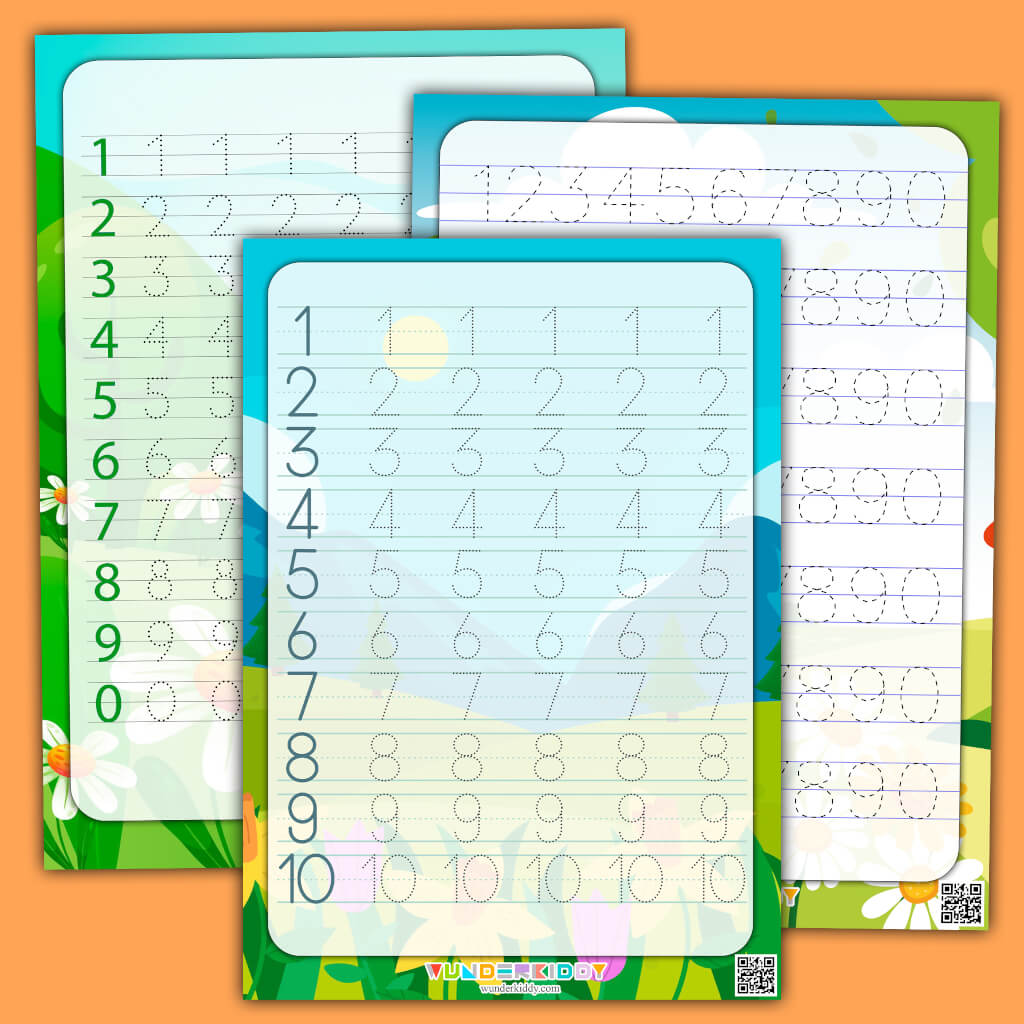
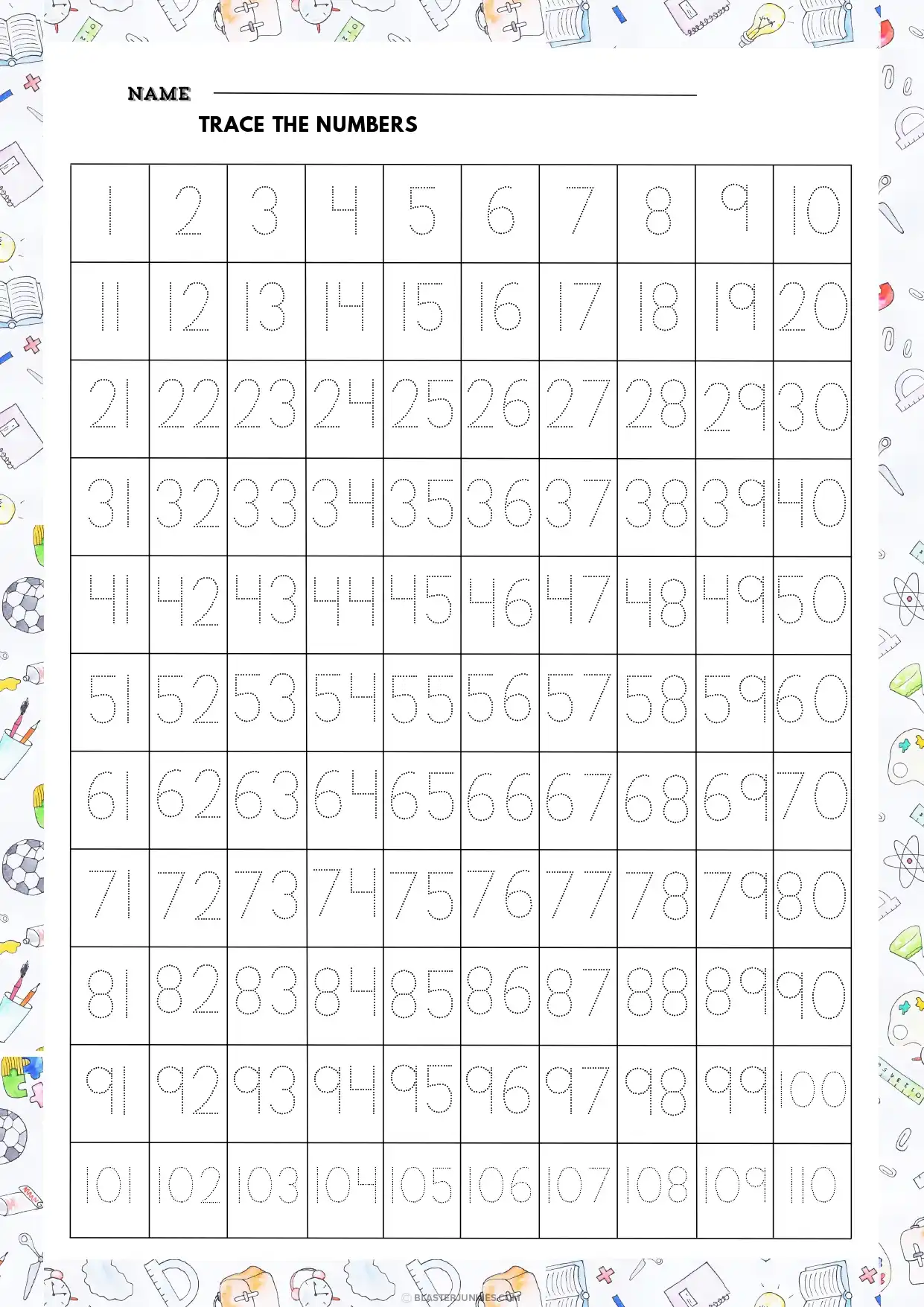
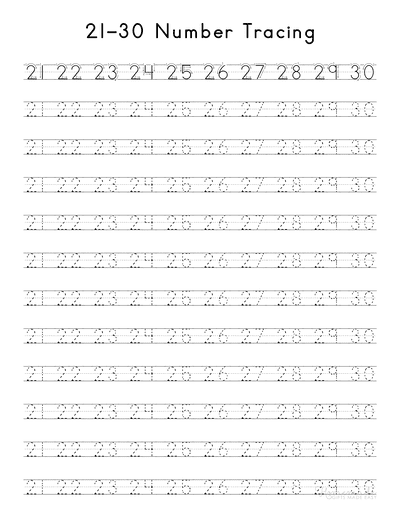
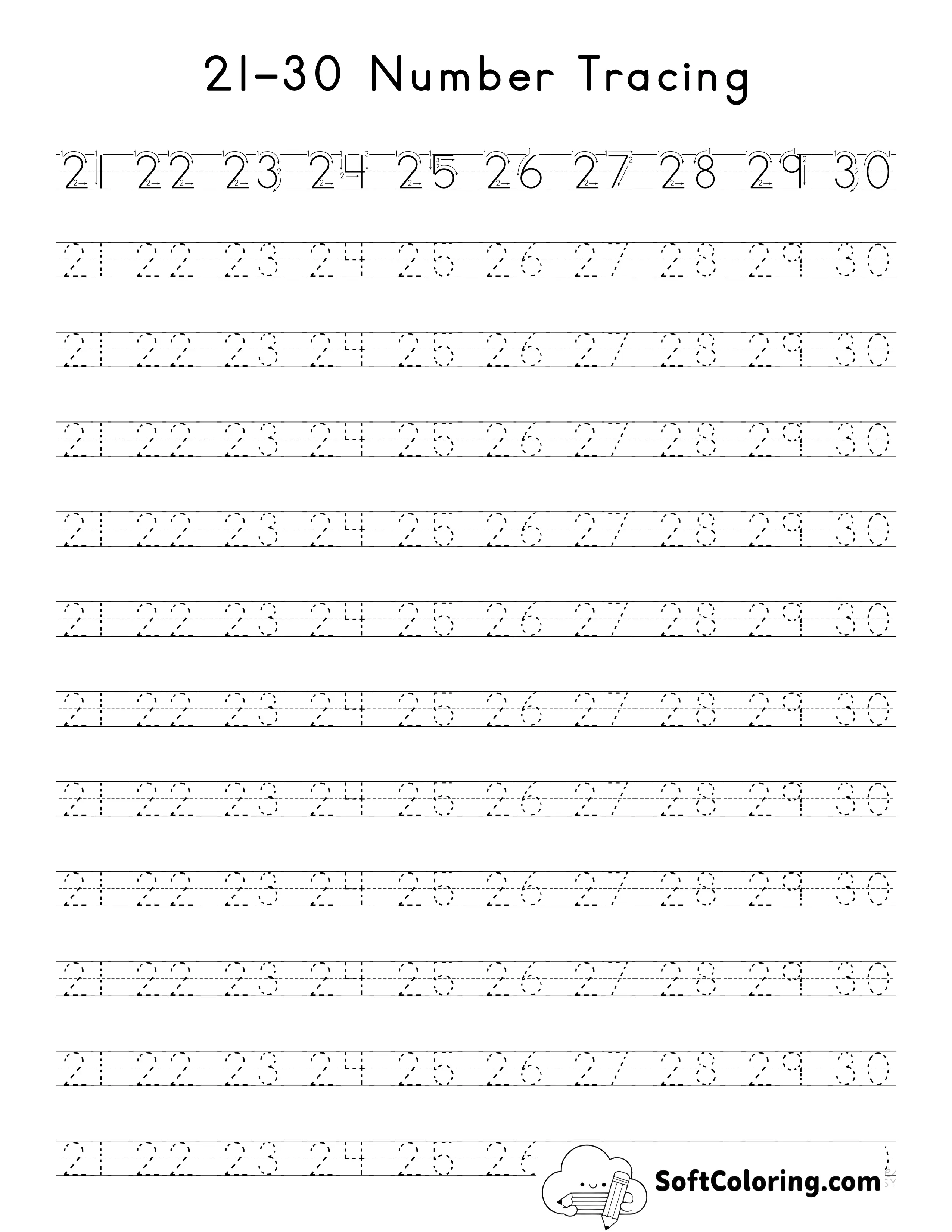
Mastering numerical formation requires more than just connecting random dots on a page. This specific printable focuses heavily on correct stroke order, directional arrows, and spatial orientation to prevent the formation of awkward habits that become difficult to break later. Every numeral from zero through nine receives dedicated space, featuring clear starting points, directional cues, and ghosted lines that gradually fade to encourage independent confidence. Children engage with both large-format guides and smaller practice boxes, building the visual-motor integration necessary to transition from tracing to freehand writing. Furthermore, the layout deliberately avoids visual clutter, keeping attention squarely on pencil control, line precision, and the cognitive sequence of each digit.
Key Learning Outcomes
Children engaging consistently with these exercises develop reliable numeral formation and automatic stroke sequencing. Proper pencil pressure naturally improves as little fingers learn to regulate the delicate balance between hard grips and loose control. Visual tracking skills sharpen significantly as eyes learn to follow directional paths from top to bottom and left to right across the page. Spatial awareness also expands because learners must judge box boundaries and keep their sizing consistent relative to the baseline. Ultimately, this foundational practice supports mathematical readiness by cementing number recognition through a powerful kinesthetic pathway.
How to Use This Worksheet
Success with early writing tasks depends heavily on the environment and the physical approach used during practice. Begin by verifying that seating is ergonomic, meaning feet rest flat on the floor and the table sits at a comfortable elbow height. Introduce the Tracing Number selection before diving into independent writing, allowing the hand to warm up with guided stroke practice. Encourage a functional tripod grasp without forcing an unnatural hand position that causes premature fatigue. Adults should sit alongside the child to observe stroke directions closely, offering gentle redirection whenever a pencil starts at the bottom of a numeral instead of the top.
Practical Tips for Parents and Teachers
Scaffolding makes all the difference when a child feels overwhelmed by a full page of digits. Cover parts of the page with a blank sheet of paper to reveal only one line at a time, minimizing visual distraction and anxiety. For tactile learners, use a finger to trace the large header numeral in a tray of salt or sand before putting pencil to paper. Celebrate small victories, such as a single numeral formed with correct top-to-bottom directionality, rather than focusing on absolute perfection across the entire sheet. When fatigue sets in, stop immediately; forcing practice with a tired hand only reinforces poor pencil mechanics and builds negative associations with writing.
Age-Appropriate Recommendations
Developmental expectations must shift according to chronological age and individual readiness. According to the National Association for the Education of Young Children (NAEYC) guidelines on developmentally appropriate practice, toddlers and young preschoolers aged two to four benefit most from large, gross-motor tracing experiences like drawing numerals in the air or on sensory boards, eventually moving to thick crayons on oversized templates. Children aged five to eight are ready for refined pencil control, standard-sized lines, and independent stroke sequencing. For older kindergarteners and early elementary students refining their pencil mechanics, exploring the Fine Motor and Pre-Writing Skills category provides wonderful supplemental support for hand strength.
Proficiency in early handwriting and numeral formation correlates strongly with long-term academic success and working memory development. — National Institutes of Health
Frequently Asked Questions
How do adults download and print this resource? Accessing the materials takes only a few seconds by clicking the direct download button on the page, saving the PDF file to a device, and printing it on standard letter-sized paper using any home or classroom printer. How does number tracing support fine motor development? Tracing strengthens intrinsic hand muscles, improves finger dexterity, and builds the visual-motor integration needed for precise pencil control. What does the American Occupational Therapy Association recommend for pencil grip readiness? The American Occupational Therapy Association notes that children typically develop a functional grasp, such as a modified tripod grasp, between ages four and six through play and natural hand-strengthening activities.
Explore More Free Printable Tracing Worksheets
Expanding a child’s early writing toolkit requires variety, engagement, and consistent practice across different domains. Educators and caregivers can discover a vast array of supplementary printables by exploring the complete collection at KidTraces.com. Whether focusing on letter formation through Alphabet And Numbers Tracing or adding creative engagement with Seasonal and Fun Themes, every resource aims to build lifelong confidence in young learners. Consistent, joyful practice lays the groundwork for academic success, transforming early struggles into proud milestones.
Developmental Milestone & Activity Table
| Development Stage | Recommended Daily Duration | Primary Learning Objective |
|---|---|---|
| Preschool & Pre-K | 10 – 15 Minutes | Pencil grip development & basic pre-stroke lines |
| Kindergarten | 15 – 20 Minutes | Letter/number formation & spatial line awareness |
| Early Elementary (Grade 1–2) | 20 – 30 Minutes | Fluency, sentence construction & neatness |
Images References