Introduction
Young children frequently possess an urgent desire to write long before their hands possess the intrinsic muscle strength to control a writing utensil. According to the American Occupational Therapy Association, foundational fine motor control develops sequentially from the shoulder down to the fingers, requiring deliberate practice with purposeful tasks. Mastering pencil control involves navigating space, pressure regulation, and visual-motor integration. Within this developmental landscape, learning vital personal information serves as a remarkably motivating context for early literacy practice. The tracing worksheet blank for phone number bridges the gap between essential safety knowledge and foundational handwriting mechanics. It sounds simple, and that’s the point: meaningful, functional text transforms abstract penmanship exercises into empowering real-world skills.
💡 Educational Key Takeaways:
- Core Skill: Structured Tracing Worksheet Blank For Phone Number focused on developing pencil grip, stroke control, and early literacy/math confidence.
- Target Scope: Suited for homeschoolers, preschool, kindergarten, and elementary learners.
- Best Recommendation: Practice 10–15 minutes daily with ergonomic writing tools to reinforce muscle memory without hand fatigue.
What This Worksheet Covers
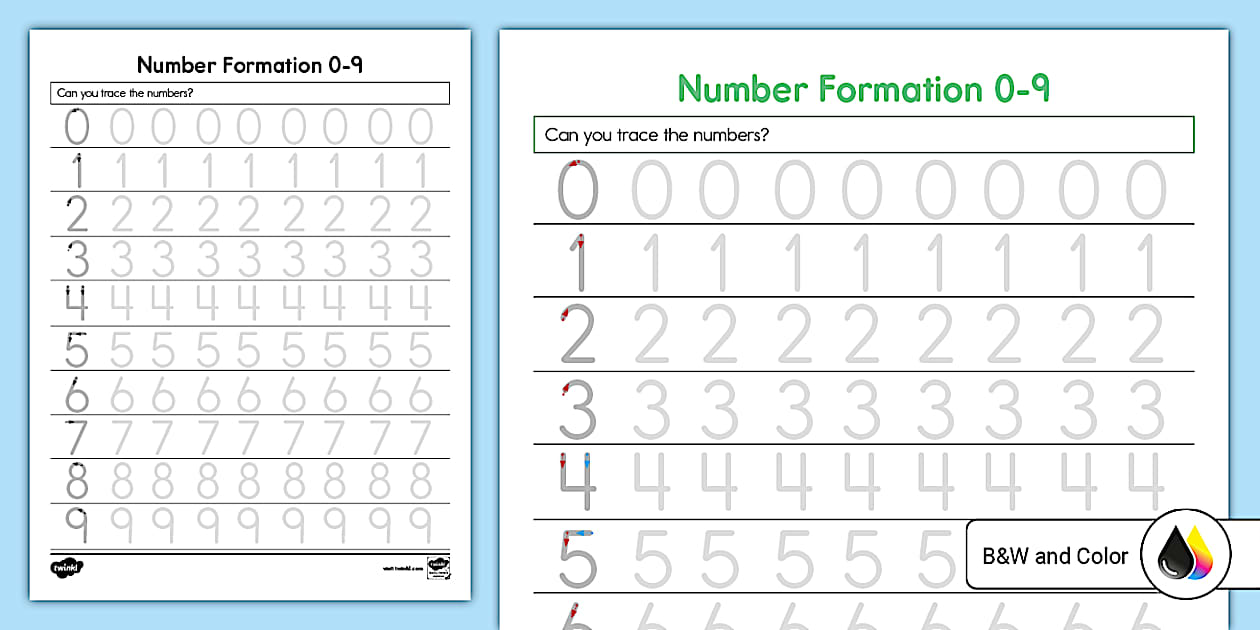
This specialized resource focuses on numeral formation, digit sequencing, and spatial awareness across a structured grid format. Children encounter the specific challenge of writing numbers zero through nine within defined visual boundaries, mirroring the cognitive demands found in standard Tracing Number exercises. Unlike generic counting sheets, a phone number template introduces a high-stakes sequence where exact digit order matters immensely. The dotted lines provide reliable scaffolding, guiding pencil tips through proper stroke starts and directional flow. Many educators notice that children recognize familiar sequences long before their hands can accurately form the digits, making this layout an ideal bridge for visual-motor translation.
Key Learning Outcomes
Working through this layout strengthens numeral formation, precise visual tracking, and directional consistency. Learners practice maintaining appropriate sizing and spacing as they progress across the ten-digit sequence. Hand-eye coordination improves significantly as little fingers maneuver pencils to stay precisely on top of the dotted paths. Furthermore, committing a caregiver’s phone number to memory through repeated tactile writing reinforces auditory and visual recall. These combined benefits support broader cognitive and motor milestones detailed across broader Fine Motor and Pre-Writing Skills frameworks, establishing a solid foundation for future academic tasks.
How to Use This Worksheet
Begin by discussing the practical importance of the numbers being traced, ensuring the child understands that this sequence represents a way to reach a trusted adult in an emergency. Introduce the activity during calm, focused periods when hand fatigue is minimal. Encourage the child to point to each digit first, saying the number aloud before attempting to write it down. Slide the sheet inside a clear dry-erase pocket to allow multiple low-stress attempts if the pencil strays outside the guided lines. According to the National Association for the Education of Young Children, active scaffolding during early writing tasks promotes confidence and self-regulation.
Practical Tips for Parents and Teachers
Observe how the child grasps the pencil, gently encouraging a functional tripod grasp without creating frustration if hand muscles tire quickly. Short, five-minute sessions yield far better results than prolonged practice that leads to slumped posture or heavy-handed scribbling. Model proper stroke order on a separate piece of paper so the learner can watch where the pencil starts and stops for tricky numerals like threes, fives, and eights. Extend the learning process by having the child trace the digits using a textured medium like a finger in colored sand before transitioning back to standard writing tools. For additional practice with letter forms and foundational lines, explore resources found within Tracing Worksheets.
Age-Appropriate Recommendations
For children ages two to four, the focus remains primarily on sensory engagement, large pre-writing strokes, and simple tactile exploration aligned with early developmental milestones outlined by the Centers for Disease Control and Prevention. At this stage, adults may hand-over-hand guide the child to trace just the first few digits of the phone number sequence. Children ages five to eight are typically ready for independent handwriting practice, refining their pencil pressure and spatial alignment within structured lines. During these early elementary years, tracing tasks support the fine motor endurance necessary to meet kindergarten and first-grade handwriting expectations.
Foundational fine motor control develops sequentially from the gross motor movements of the shoulder down to the intrinsic muscles of the fingers. — American Occupational Therapy Association
Frequently Asked Questions
Answers to common questions regarding downloading, printing, and utilizing this targeted developmental resource follow below.
Explore More Free Printable Tracing Worksheets
Supporting a child’s journey toward confident writing involves offering a diverse variety of engaging, low-pressure practice materials. Whether focusing on early strokes, alphabet mastery, or seasonal motifs, consistent repetition helps solidify neural pathways responsible for muscle memory. Caregivers and educators are encouraged to browse the full library of resources available at KidTraces.com to find additional tools tailored to every stage of early childhood development.
Developmental Milestone & Activity Table
| Development Stage | Recommended Daily Duration | Primary Learning Objective |
|---|---|---|
| Preschool & Pre-K | 10 – 15 Minutes | Pencil grip development & basic pre-stroke lines |
| Kindergarten | 15 – 20 Minutes | Letter/number formation & spatial line awareness |
| Early Elementary (Grade 1–2) | 20 – 30 Minutes | Fluency, sentence construction & neatness |
Images References