Introduction
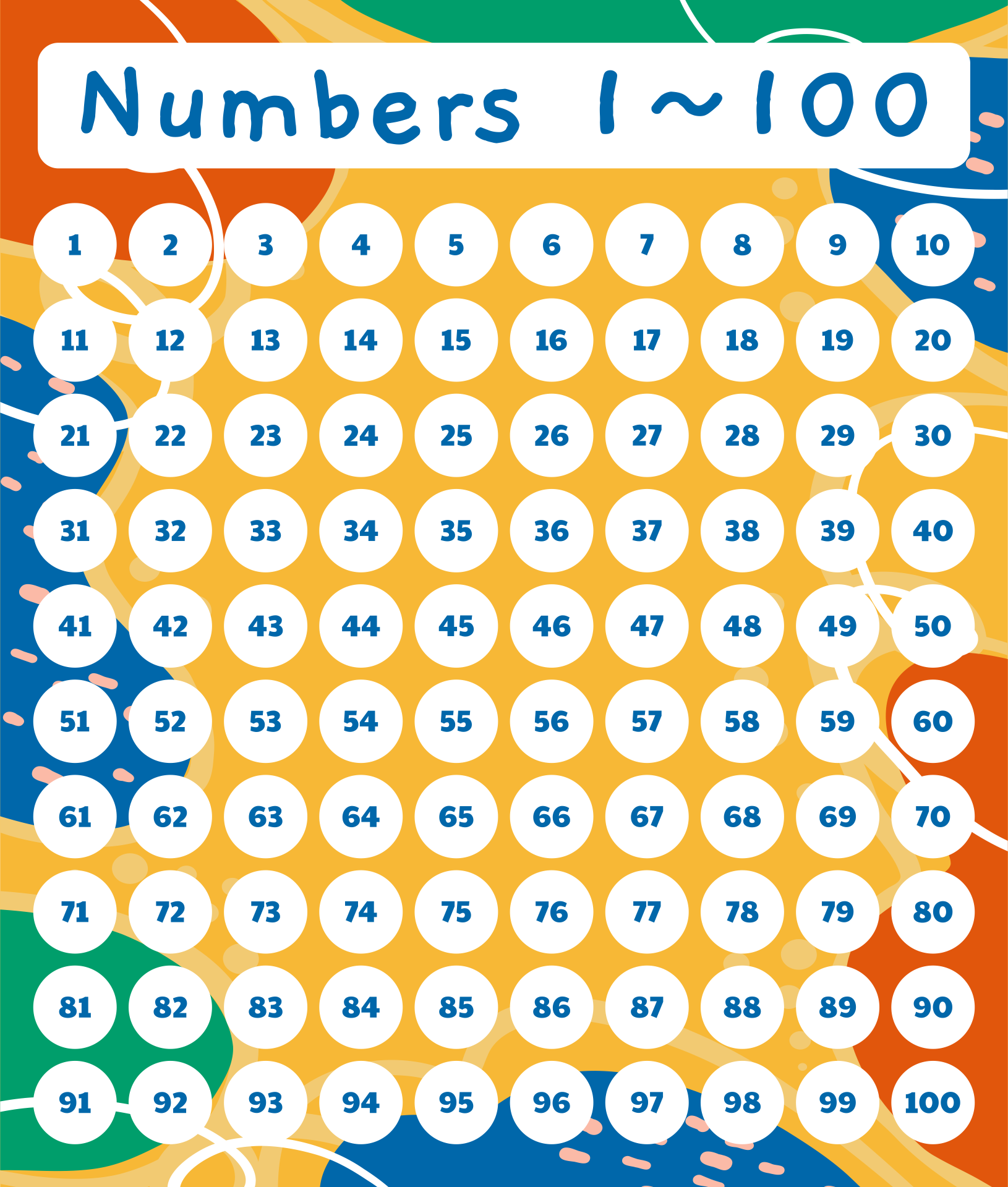
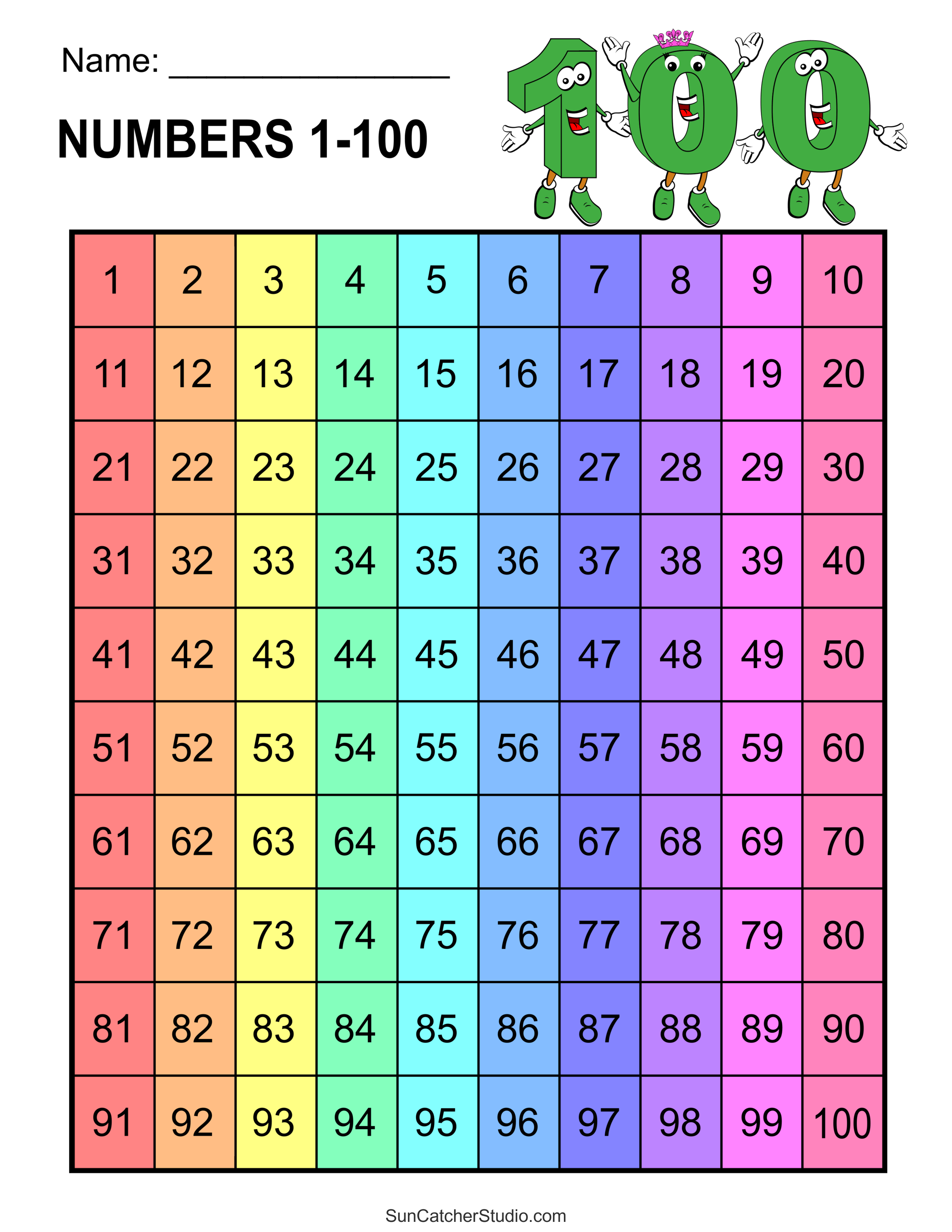
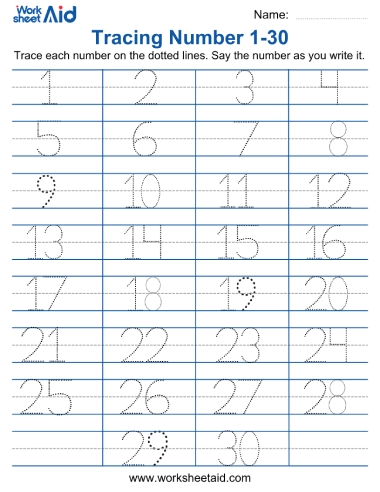
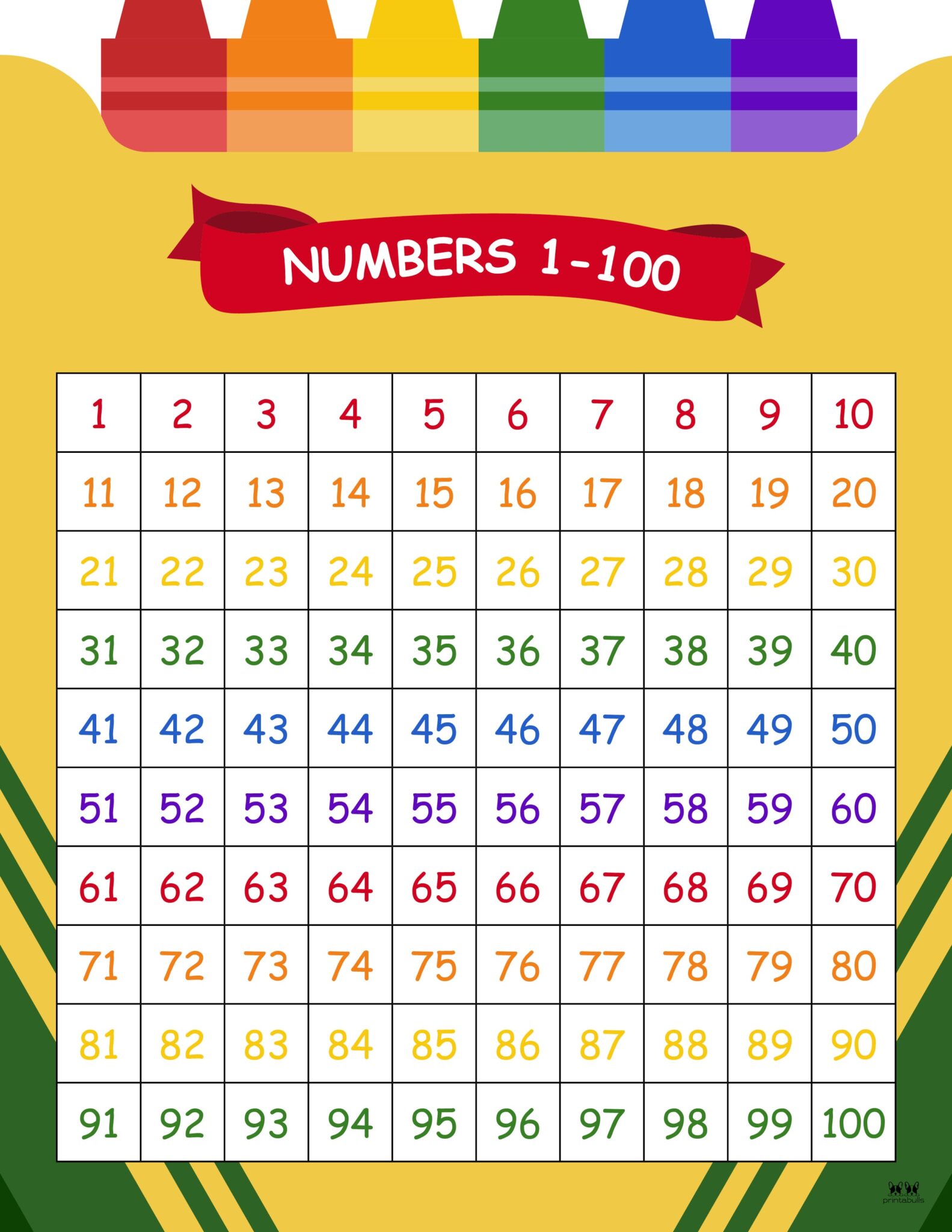
Many children recognize numerals long before their fine motor control allows them to form those same digits on paper. According to the National Association for the Education of Young Children (NAEYC), early childhood writing experiences should focus on purposeful communication and developing physical control rather than rigid perfection. Mastering numerical symbols requires precise visual-motor integration, spatial awareness, and consistent stroke directionality. The number formation to 100 printables provide a structured, progressive pathway for young learners to build these foundational skills. Through systematic repetition and visual cues, children transition from recognizing basic digits to fluidly writing numbers up to one hundred. Exploring resources like Tracing Number pages helps bridge the gap between cognitive understanding and physical execution, turning abstract mathematical concepts into concrete muscle memory.
💡 Technical Key Takeaways:
- Core Focus: Diagnostic schematic and terminal connection layout for Number Formation To 100 Printables.
- Target Scope: Field technicians, automotive DIYers, and residential/commercial electricians.
- Safety Rule: Always disconnect the primary power source/battery terminal and verify zero voltage with a multimeter before touching wires.
What This Worksheet Covers
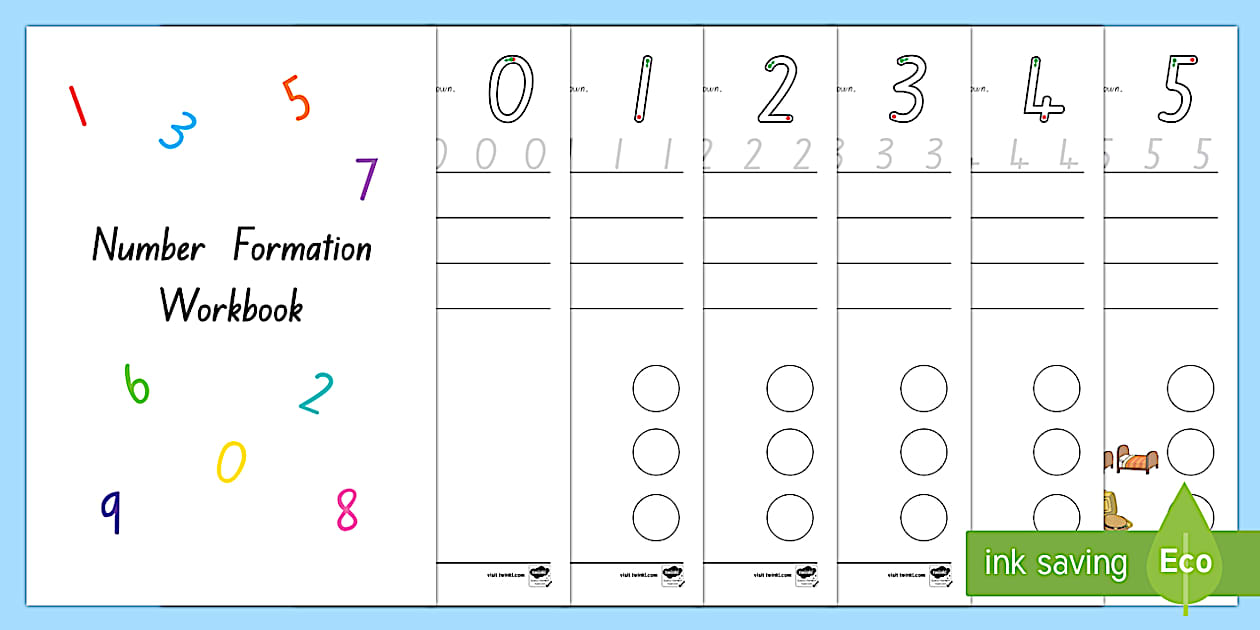
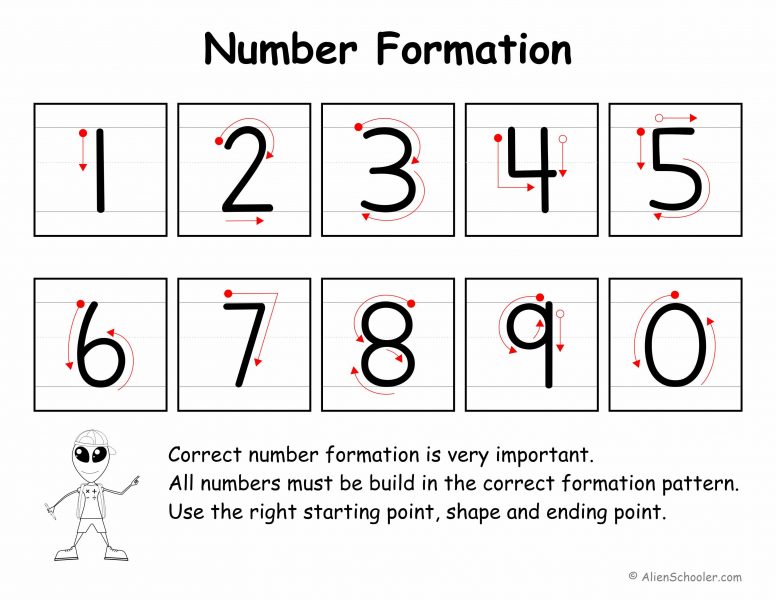
Building numerical fluency demands more than simply copying a symbol from a board. These sheets are specifically designed to target number formation, stroke order, and proportional sizing across the entire numerical spectrum up to one hundred. Each page offers guided pathways that show precisely where pencil tips should begin and how lines should flow to form each digit correctly. It sounds simple, and that’s the point: removing guesswork allows the brain to focus entirely on motor planning. Children encounter both large-format numerals for gross motor integration and smaller grids that refine hand-eye coordination. By breaking down complex multi-digit numbers into sequential strokes, the layout prevents common reversals and confusion between similar digits like threes, fives, and eights. Additional foundational practice can be found by exploring Alphabet And Numbers Tracing collections to reinforce overall symbol mastery.
Key Learning Outcomes
Working consistently with these sheets builds several critical academic and physical milestones. Learners develop reliable directional habits, starting at the correct orientation point every single time a pencil touches the page. Fine motor precision improves significantly as tiny hand muscles adapt to the controlled curves and straight lines required for digits like six, nine, and zero. Spatial awareness expands naturally as children learn to keep their numbers within designated lines and maintain appropriate spacing between tens and units. According to the American Occupational Therapy Association (AOTA), building foundational hand strength and dexterity through structured tracing activities directly supports long-term handwriting endurance and legibility. Finally, numerical confidence surges as children master the sequence from one to one hundred, laying a robust framework for future mathematical operations.
How to Use This Worksheet
Success with numerical tracing depends heavily on the physical environment and the timing of practice sessions. Short, highly focused bursts lasting five to ten minutes yield far better results than lengthy, frustrating marathons. Adults should encourage a functional grasp, ensuring fingers remain relaxed and the pencil rests comfortably against the side of the index finger. It often helps to slide the paper slightly upward and angle it to match the natural downward slant of the child’s dominant hand. Using varied writing instruments, such as short colored pencils or broken wax crayons, naturally encourages a tighter, more mature grip by restricting the space available for improper finger placement. When children struggle with multi-digit numbers, breaking the page into smaller, manageable sections prevents cognitive overload and keeps frustration levels low.
Practical Tips for Parents and Teachers
Adult guidance should focus on scaffolding rather than rushing toward a finished page. Begin by modeling the correct stroke order in the air or on a small whiteboard before the child attempts the paper version. Verbalizing the motion helps anchor the motor plan, using descriptive phrases like “pull straight down and curve around.” If a learner makes a mistake, avoid erasing the error completely; instead, guide the hand to trace over the correct formation directly adjacent to the mishap. Celebrate small victories, such as a perfectly formed zero or consistent spacing within a row of tens. To diversify tactile engagement, transition occasionally to the Fine Motor and Pre-Writing Skills section for alternative ways to build finger strength.
Age-Appropriate Recommendations
Writing development follows a predictable, age-based progression rooted in developmental frameworks like the CDC milestones. For children ages two to four, the focus remains primarily on pre-writing strokes, large arm movements, and basic vertical or horizontal lines using thick writing utensils. During this early stage, expecting accurate formation of numbers up to one hundred is developmentally inappropriate; instead, toddlers benefit from general exposure and sensory exploration. For children ages five to eight, aligned with Kindergarten and early elementary standards, formal instruction in stroke order and proportional numeral sizing takes center stage. At this older stage, the number formation to 100 printables serve as an ideal daily warm-up or independent center activity, reinforcing pencil control alongside early math sequencing.
Mastery of numeral formation by age six correlates strongly with improved mathematical fluency and reduced cognitive fatigue during complex multi-digit calculations. — American Occupational Therapy Association (AOTA)
Frequently Asked Questions
Explore More Free Printable Tracing Worksheets
Supporting a child’s journey toward fluent handwriting requires a diverse toolkit of engaging, accessible resources. Beyond numerical practice, exploring different tracing styles helps maintain high motivation and prevents practice from feeling repetitive. The full library available across KidTraces.com offers countless ways to blend fine motor skill building with academic readiness. Educators and caregivers can easily find materials tailored to every developmental stage by visiting the central hubs for Tracing Worksheets.
Quick Wiring Specifications & Terminal Guide
| Component / Circuit | Standard Wire Gauge | Recommended Protection |
|---|---|---|
| Control & Trigger Signals | 18 – 20 AWG | 5A – 7.5A Inline Fuse |
| Standard Auxiliary Load | 14 – 16 AWG | 15A – 20A Circuit Breaker |
| Main Power Feed / Supply | 10 – 12 AWG | 30A – 40A Heavy-Duty Relay |
Images References