Introduction
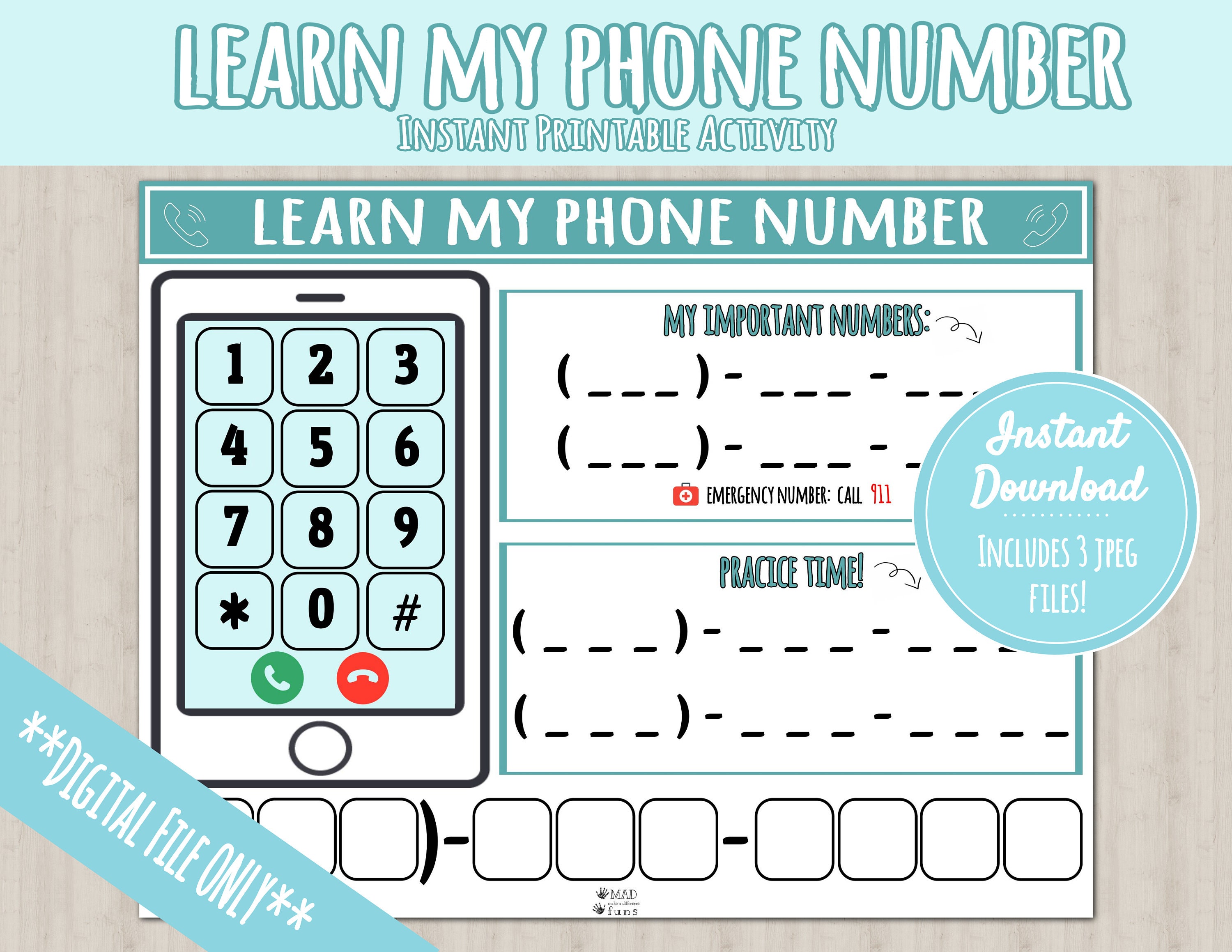
Many children recognize letters, numbers, and symbols long before their fine motor control allows them to form those marks independently. Pencil control, finger dexterity, and spatial awareness require targeted muscle development that takes time and thoughtful repetition. According to Reading Rockets, early writing and tracing activities help children bridge the gap between recognizing visual symbols and successfully executing physical strokes on paper. Translating abstract numbers into physical muscle memory is a foundational step in early childhood education. One practical, highly motivating tool for this stage is the traceable phone number for kids. This resource transforms a crucial piece of safety information into a meaningful, hands-on writing exercise that builds confidence alongside fine motor skills.
💡 Technical Key Takeaways:
- Core Focus: Diagnostic schematic and terminal connection layout for Traceable Phone Number For Kids.
- Target Scope: Field technicians, automotive DIYers, and residential/commercial electricians.
- Safety Rule: Always disconnect the primary power source/battery terminal and verify zero voltage with a multimeter before touching wires.
What This Worksheet Covers
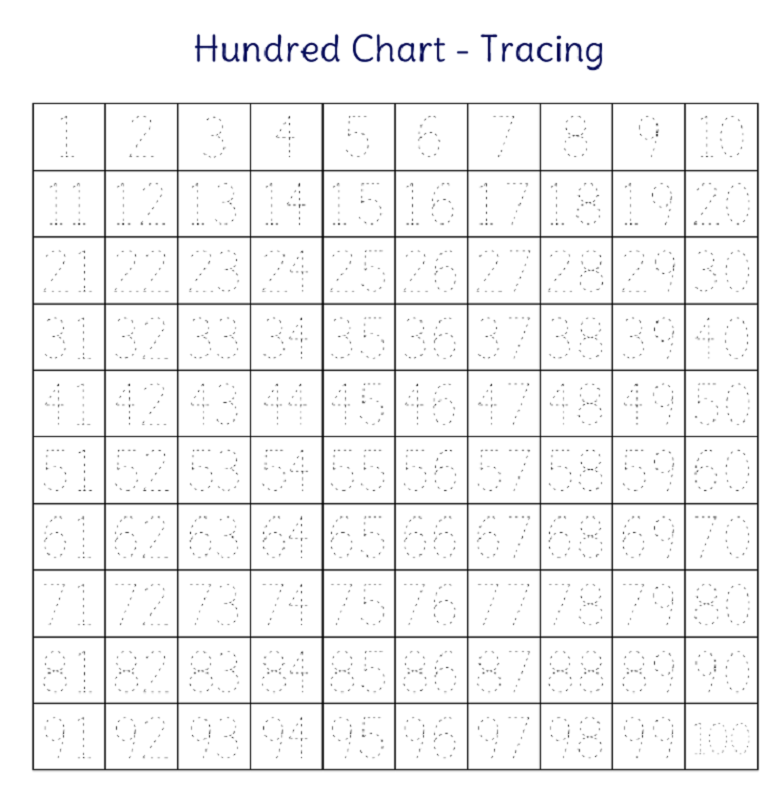
Mastering numerical formation is about much more than memorizing digits. This specialized page guides young learners through the exact stroke order required to form every numeral from zero through nine. Each digit is presented in a large, clear format with visible starting points and directional arrows. Beyond basic number formation, the worksheet focuses heavily on spatial awareness, sequencing, and pencil pressure regulation. Children learn to maintain a steady line across the page, keeping digits properly spaced and aligned. This careful progression supports the foundational skills explored across Tracing Number exercises, turning a safety drill into a purposeful handwriting lesson.
Key Learning Outcomes
Engaging with this printable directly reinforces accurate numeral formation, correct stroke sequencing, and directional consistency from top to bottom and left to right. As children trace each digit repeatedly, they build essential muscle memory in the small intrinsic muscles of the hand and fingers. This physical repetition enhances bilateral coordination, requiring one hand to stabilize the paper while the dominant hand grips the writing utensil with control. Furthermore, repeated exposure helps children commit their family’s emergency contact information to memory, blending functional literacy with vital life safety skills in a developmentally appropriate manner.
How to Use This Worksheet
Successful integration begins with setting up an ergonomic workspace where the child’s feet flatly touch the floor and the table sits at elbow height. Introduce the page by discussing why knowing this specific number matters, grounding the writing practice in real-world relevance. Adults should guide the child’s finger along the directional arrows before letting pencils touch the paper, ensuring the brain registers the correct tactile pathway first. It sounds simple, and that is the point: multi-sensory preparation prevents frustration and builds immediate success. For even broader skill-building, pairing this activity with resources found in Fine Motor and Pre-Writing Skills helps strengthen hand arches before pencil work begins.
Practical Tips for Parents and Teachers
Observe how the child grasps the crayon or pencil, gently encouraging a functional tripod grasp without forcing rigid positions that cause hand fatigue. Scaffolding is essential during early attempts; adults can gently hand-over-hand guide the initial stroke, then fade assistance as the child gains momentum. Limit tracing sessions to short, five-minute intervals to protect developing hand muscles from cramping and to maintain high engagement. If a child struggles with visual tracking across a long string of digits, use a blank index card to isolate one number at a time. To diversify practice types throughout the week, incorporate elements from Tracing Worksheets to keep enthusiasm high.
Age-Appropriate Recommendations
For children ages two to four, the focus should remain on large-scale motor control, using thick crayons or markers while focusing heavily on finger isolation and sensory awareness. According to the National Association for the Education of Young Children (NAEYC) Developmentally Appropriate Practice guidelines, young preschoolers learn best through meaningful contexts rather than rote drill exercises. Children ages five to eight are typically ready for finer writing instruments like standard pencils, refining their stroke precision, pencil pressure, and digit alignment to meet foundational kindergarten and first-grade handwriting standards.
Early writing instruction yields the strongest results when paired with purposeful, real-world applications that foster both cognitive recall and fine motor precision. — Reading Rockets
Frequently Asked Questions
How do I download and print the traceable phone number worksheet?
Click the download link on the resource page to save the PDF file directly to a device, then open and print it using standard letter-sized paper.
How does number tracing support fine motor development?
Tracing requires sustained hand-eye coordination, precise grip control, and isolated finger movements that strengthen the small muscles required for legible handwriting.
What does the American Occupational Therapy Association say about pencil grip?
According to the American Occupational Therapy Association (AOTA), functional grasps evolve naturally as hand strength, stability, and dexterity mature through varied play and writing experiences.
Explore More Free Printable Tracing Worksheets
Supporting a young learner’s journey from early pre-writing lines to fluent handwriting requires a diverse library of engaging, high-quality materials. Every child progresses at an individual pace, benefiting from targeted practice that addresses specific grip strengths, visual tracking abilities, and directional habits. Exploring a wide variety of themed activities helps maintain motivation and enthusiasm during daily practice sessions. Families and educators can discover a comprehensive collection of resources designed to nurture these foundational abilities by visiting the main hub at KidTraces.com.
Quick Wiring Specifications & Terminal Guide
| Component / Circuit | Standard Wire Gauge | Recommended Protection |
|---|---|---|
| Control & Trigger Signals | 18 – 20 AWG | 5A – 7.5A Inline Fuse |
| Standard Auxiliary Load | 14 – 16 AWG | 15A – 20A Circuit Breaker |
| Main Power Feed / Supply | 10 – 12 AWG | 30A – 40A Heavy-Duty Relay |
Images References