Introduction
Children often recognize and speak numbers well before their hands possess the muscle maturity required to form them on paper. According to the American Occupational Therapy Association, foundational fine motor control and visual-motor integration must develop collaboratively to support successful handwriting. Witnessing a child struggle to bridge this gap between cognitive understanding and physical execution is common in early education settings. Targeted practice sheets provide a bridge, translating abstract mathematical concepts into tactile muscle memory. The tracing number 21-30 printable serves this exact purpose, guiding young learners through the transition into double-digit numeral formation.
💡 Educational Key Takeaways:
- Core Skill: Structured Tracing Number 21-30 focused on developing pencil grip, stroke control, and early literacy/math confidence.
- Target Scope: Suited for homeschoolers, preschool, kindergarten, and elementary learners.
- Best Recommendation: Practice 10–15 minutes daily with ergonomic writing tools to reinforce muscle memory without hand fatigue.
What This Worksheet Covers
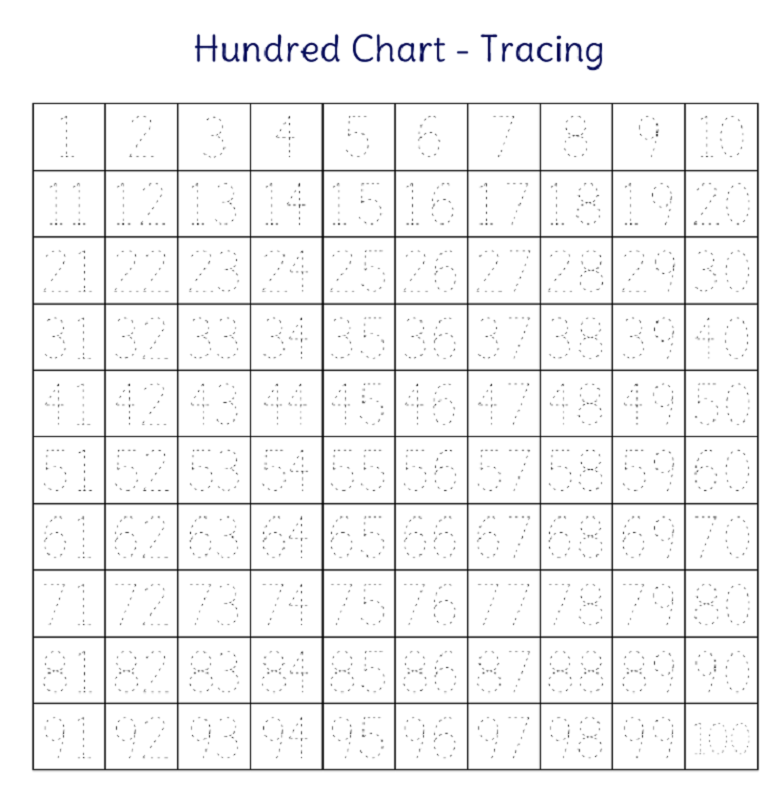
Mastering numbers beyond twenty requires a shift from single digits to understanding spatial sequencing and multi-stroke combinations. Each row on the sheet focuses on numbers from twenty-one to thirty, breaking down the complex curves of the number two and the looping structures of higher digits into manageable visual steps. Dotted lines establish clear starting points, encouraging proper stroke directionality rather than haphazard drawing. Children encounter both the numeral representation and the visual space needed to build confidence, moving systematically through a sequence that reinforces numerical order alongside pen control. It sounds simple, and that’s the point: removing extraneous visual clutter lets the focus fall entirely on pencil precision and digit formation.
Key Learning Outcomes
Learners using these pages experience measurable growth across multiple developmental domains. Consistent engagement refines pencil pressure regulation, transforming heavy, fatigued grips into fluid, controlled movements. Proper stroke order becomes second nature as children follow the guided dots for each digit, establishing habits that prevent reversal tendencies later on. Hand-eye coordination improves significantly as little fingers learn to steer graphite along narrow, dotted pathways. Furthermore, number recognition and sequential counting solidify concurrently, anchoring math literacy deeply into physical memory through the Tracing Number collection.
How to Use This Worksheet
Introducing multi-digit worksheets works best when approached as a collaborative, low-pressure activity rather than a rigid test. Adults can begin by air-tracing the numbers together, using large arm movements to help children feel the shape of the curves and straight lines before touching a pencil. Placing the printed sheet inside a heavy-duty plastic sleeve with a dry-erase marker offers a forgiving, reusable medium that reduces the frustration of permanent mistakes. Observing hand placement during the session ensures that minor adjustments can be made early, keeping the hand relaxed and mobile across the page.
Practical Tips for Parents and Teachers
Here’s what makes this worksheet different: it emphasizes the physical process over the final aesthetic outcome. Adults should actively model correct tripod grips while talking through the strokes aloud, using descriptive cues like “start at the top, curve around, and slide across.” Scaffolding the activity by completing every other line together prevents fatigue, while extending the challenge involves asking the child to write the numbers independently on a blank sheet afterward. Integrating resources from the broader “Alphabet And Numbers Tracing” suite ensures a balanced, comprehensive approach to early academic motor skills.
Age-Appropriate Recommendations
For children aged two to four, the focus remains primarily on gross motor lines and sensory exploration, aligning with foundational National Association for the Education of Young Children Developmentally Appropriate Practice guidelines. By ages five through eight, children possess the intrinsic hand strength and cognitive readiness to tackle complex double-digit sequences like twenty-one through thirty with precision. According to the National Center for Learning Disabilities, explicit instruction in multi-stroke formation during early elementary years significantly reduces long-term handwriting fatigue. Matching the child’s current motor capabilities to the appropriate level of scaffolding guarantees steady progress without unnecessary burnout.
Foundational fine motor control and visual-motor integration must develop collaboratively to support successful handwriting. — American Occupational Therapy Association (AOTA)
Frequently Asked Questions
Clear answers to common questions help educators and families maximize the benefits of tracing practice at home or in the classroom.
Explicit instruction in multi-stroke formation during early elementary years significantly reduces long-term handwriting fatigue. — National Center for Learning Disabilities (NCLD)
Explore More Free Printable Tracing Worksheets
Supporting a child’s early educational journey involves providing a diverse array of engaging, skill-building materials tailored to every developmental stage. Exploring beyond numbers can significantly enhance overall dexterity and cognitive readiness. Families and educators can discover a vast assortment of guided exercises, from foundational Fine Motor and Pre-Writing Skills to creative Seasonal and Fun Themes designed to keep learners motivated. Every printable resource is thoughtfully organized to make learning accessible, enjoyable, and effective. The complete library of supplementary materials remains available anytime at KidTraces.com.
Developmental Milestone & Activity Table
| Development Stage | Recommended Daily Duration | Primary Learning Objective |
|---|---|---|
| Preschool & Pre-K | 10 – 15 Minutes | Pencil grip development & basic pre-stroke lines |
| Kindergarten | 15 – 20 Minutes | Letter/number formation & spatial line awareness |
| Early Elementary (Grade 1–2) | 20 – 30 Minutes | Fluency, sentence construction & neatness |
Images References