Introduction
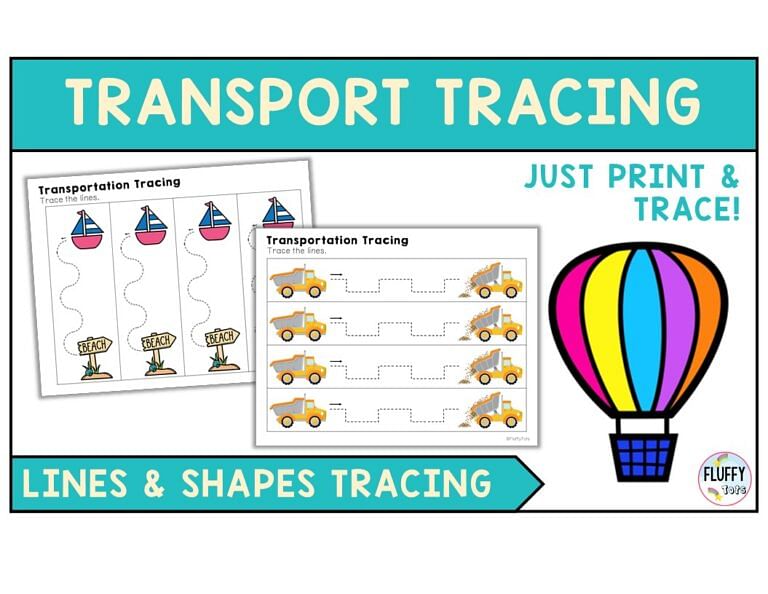
Many children recognize letters, numbers, and geometric forms long before their fine motor skills can consistently form them on paper. According to the American Occupational Therapy Association, foundational hand strength, bilateral coordination, and visual-motor integration must develop collaboratively before a child can successfully execute sustained writing tasks. This developmental gap often frustrates eager learners who want to write but lack the precise muscle control needed for standard pencil strokes. Bridging that gap requires engaging, purposeful practice that feels more like play than physical therapy. That is where targeted shape practice enters the daily routine. The free printable tracing shapes with different transportation worksheets transform standard pre-writing lines into dynamic journeys, connecting a child’s natural fascination with cars, trains, and planes directly to essential pencil control milestones.
💡 Educational Key Takeaways:
- Core Skill: Structured Tracing Shapes With Different Transportation focused on developing pencil grip, stroke control, and early literacy/math confidence.
- Target Scope: Suited for homeschoolers, preschool, kindergarten, and elementary learners.
- Best Recommendation: Practice 10–15 minutes daily with ergonomic writing tools to reinforce muscle memory without hand fatigue.
What This Worksheet Covers
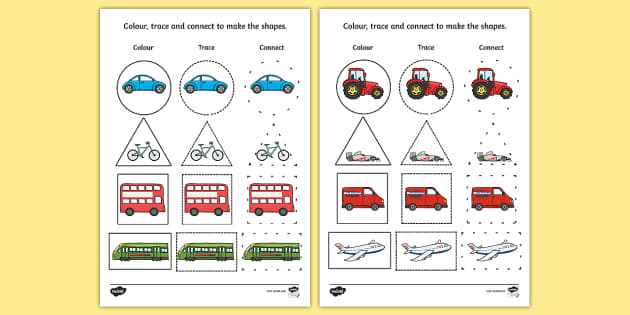
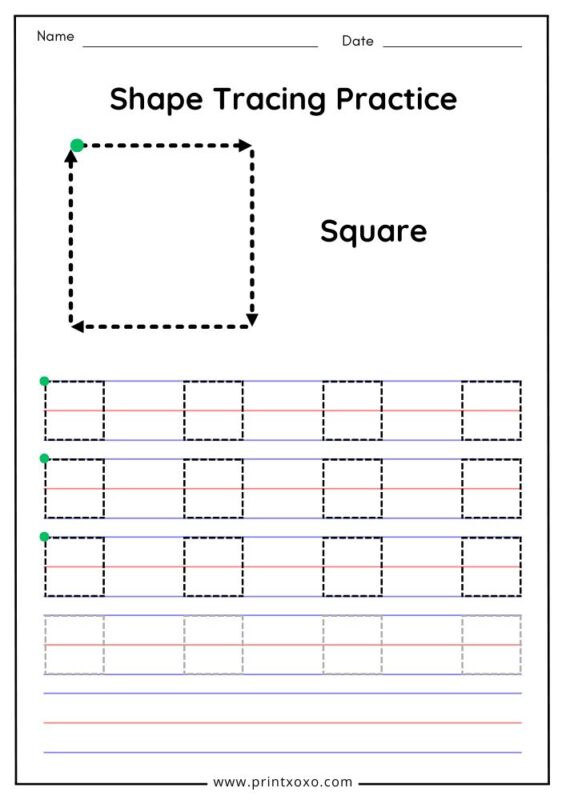
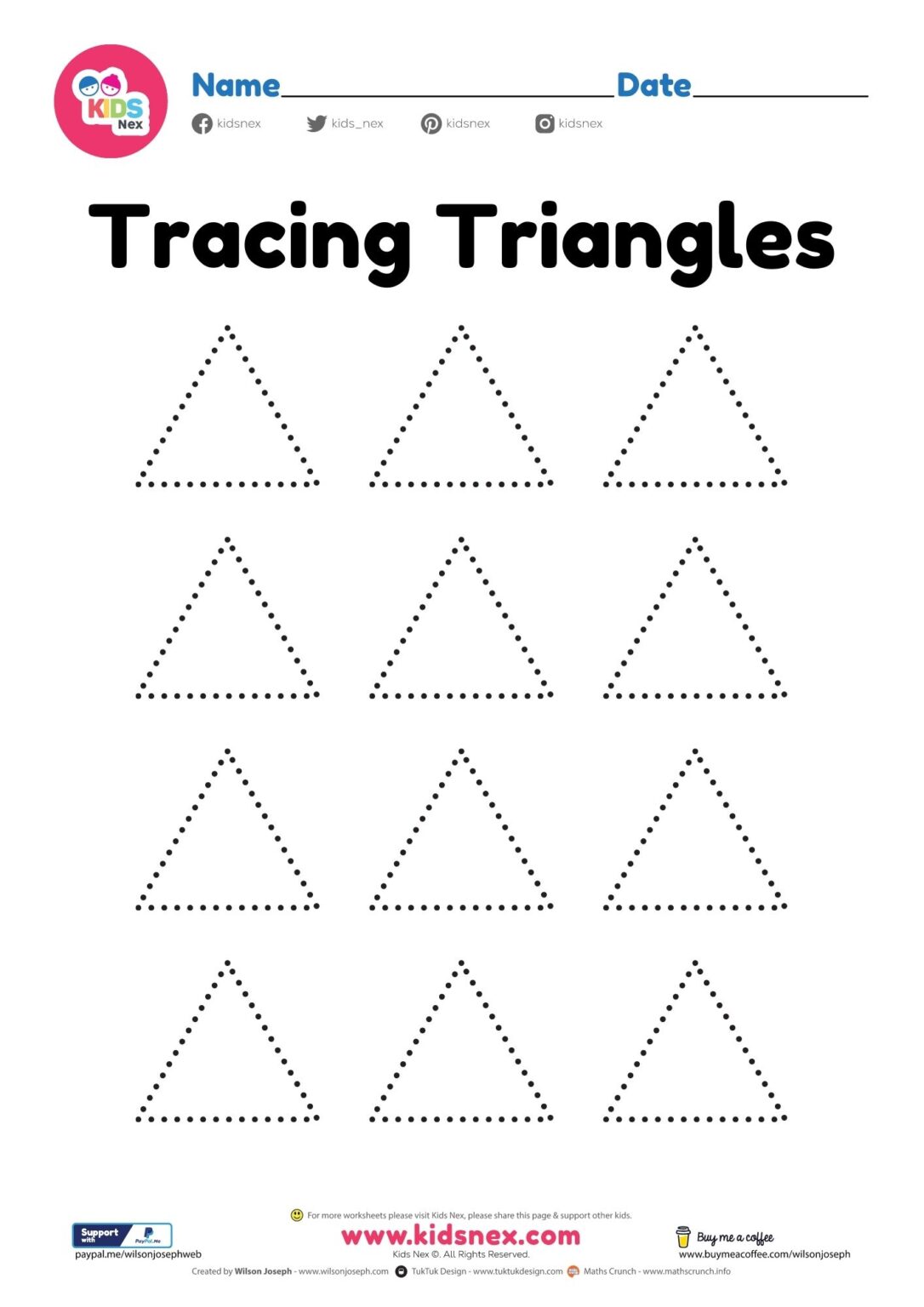
Visual-motor integration relies heavily on the ability to perceive a shape and guide the hand along a precise trajectory without losing visual focus or grip stability. This specific resource utilizes thematic vehicle graphics to encourage children to drive toy cars, airplanes, or boats along structured geometric paths, including circles, triangles, squares, and complex intersecting lines. Each route challenges the hand to negotiate sharp corners, continuous curves, and directional shifts, which mirror the exact motor patterns required for letters and numerals later on. It sounds simple, and that is the point. When children focus on helping a firetruck reach a burning building or an airplane land on a designated runway, the cognitive load shifts away from the mechanical dread of writing practice and toward imaginative execution, resulting in longer attention spans and reduced hand fatigue. For more related activities, check out our Learning Shapes Pentagon Eyfs.
Key Learning Outcomes
Engaging with these transportation-themed paths builds foundational spatial awareness, allowing young learners to understand boundaries, margins, and directional flow on a flat surface. According to the National Association for the Education of Young Children, active manipulation of drawing tools during the preschool years directly predicts later reading and writing proficiency by fostering essential hand-eye coordination. Learners naturally master continuous stroke production, learning how to regulate pressure so the pencil tip does not tear the paper during tight corners. Furthermore, crossing the midline occurs organically as children pull lines horizontally across the page, an essential neurological milestone for reading left to right and processing complex visual information in the classroom environment.
How to Use This Worksheet
Successful implementation begins long before the pencil touches the paper, focusing heavily on posture, seating alignment, and optimal body mechanics. Flat surfaces work best when the child’s feet rest flat on the floor and hips form a comfortable ninety-degree angle, providing the stable core foundation needed for distal hand movements. Adults can introduce the theme by discussing the different vehicles depicted on the page, building oral language skills while simultaneously priming the visual cortex for the upcoming tracing path. Encourage slow, deliberate pacing rather than rushed completion, reminding learners that the goal is staying on the road rather than winning a race across the page.
Practical Tips for Parents and Teachers
Here’s what makes this worksheet different: it serves as an open invitation to incorporate multisensory learning strategies into traditional desk work. Adults should model proper tripod grasp explicitly, ensuring the thumb and index finger pinch the pencil barrel while resting comfortably on the middle finger, while offering thicker writing tools like broken crayons or short markers if finger strength remains immature. Scaffolding the activity is simple when adults physically guide the child’s hand for the first few loops to build muscle memory before fading assistance entirely. For advanced learners, extending the activity involves timing the vehicle journeys or asking the child to describe the geometric properties of each track out loud, combining motor control with early mathematical vocabulary development.
Age-Appropriate Expectations
Developmental readiness dictates how children interact with pre-writing materials across different age brackets. For toddlers and preschoolers aged two to four, the focus aligns closely with the Centers for Disease Control and Prevention developmental milestones, emphasizing basic vertical and horizontal stroke imitation, large circular motions, and foundational grasp patterns. Children in this stage benefit from larger format pages and thick writing utensils that compensate for developing intrinsic hand muscles. For older children aged five to eight, the expectations shift toward precision, closed-shape mastery, and controlled directional transitions that support the standards outlined in the Common Core ELA framework for handwriting fluency and fine motor control. During these early elementary years, tracing serves as a warm-up exercise or a targeted intervention tool to correct persistent reversals and erratic pencil pressure.
Foundational hand strength, bilateral coordination, and visual-motor integration must develop collaboratively before a child can successfully execute sustained writing tasks. — American Occupational Therapy Association
Frequently Asked Questions
Clear guidance helps caregivers maximize the benefits of these printable resources at home and in the classroom environment.
Explore More Free Printable Tracing Worksheets
Supporting a young writer requires a diverse toolkit of engaging activities that adapt to changing skill levels and evolving interests throughout the school year. Exploring options across Shape and Line Tracing helps reinforce spatial awareness and pencil control through structured geometric paths. Transitioning toward letter formation becomes seamless with resources found in Alphabet And Numbers Tracing, which target exact stroke orders. For children refining their pencil grip and spatial boundaries, specialized practice is available within Fine Motor and Pre-Writing Skills. Educators looking to celebrate changing seasons can integrate fun concepts from Seasonal and Fun Themes to maintain high student motivation. Every child’s learning journey is unique, and finding the right combination of engaging printables makes all the difference. Discover the entire collection of free resources by visiting KidTraces.com today.
Developmental Milestone & Activity Table
| Development Stage | Recommended Daily Duration | Primary Learning Objective |
|---|---|---|
| Preschool & Pre-K | 10 – 15 Minutes | Pencil grip development & basic pre-stroke lines |
| Kindergarten | 15 – 20 Minutes | Letter/number formation & spatial line awareness |
| Early Elementary (Grade 1–2) | 20 – 30 Minutes | Fluency, sentence construction & neatness |
Images References