Introduction
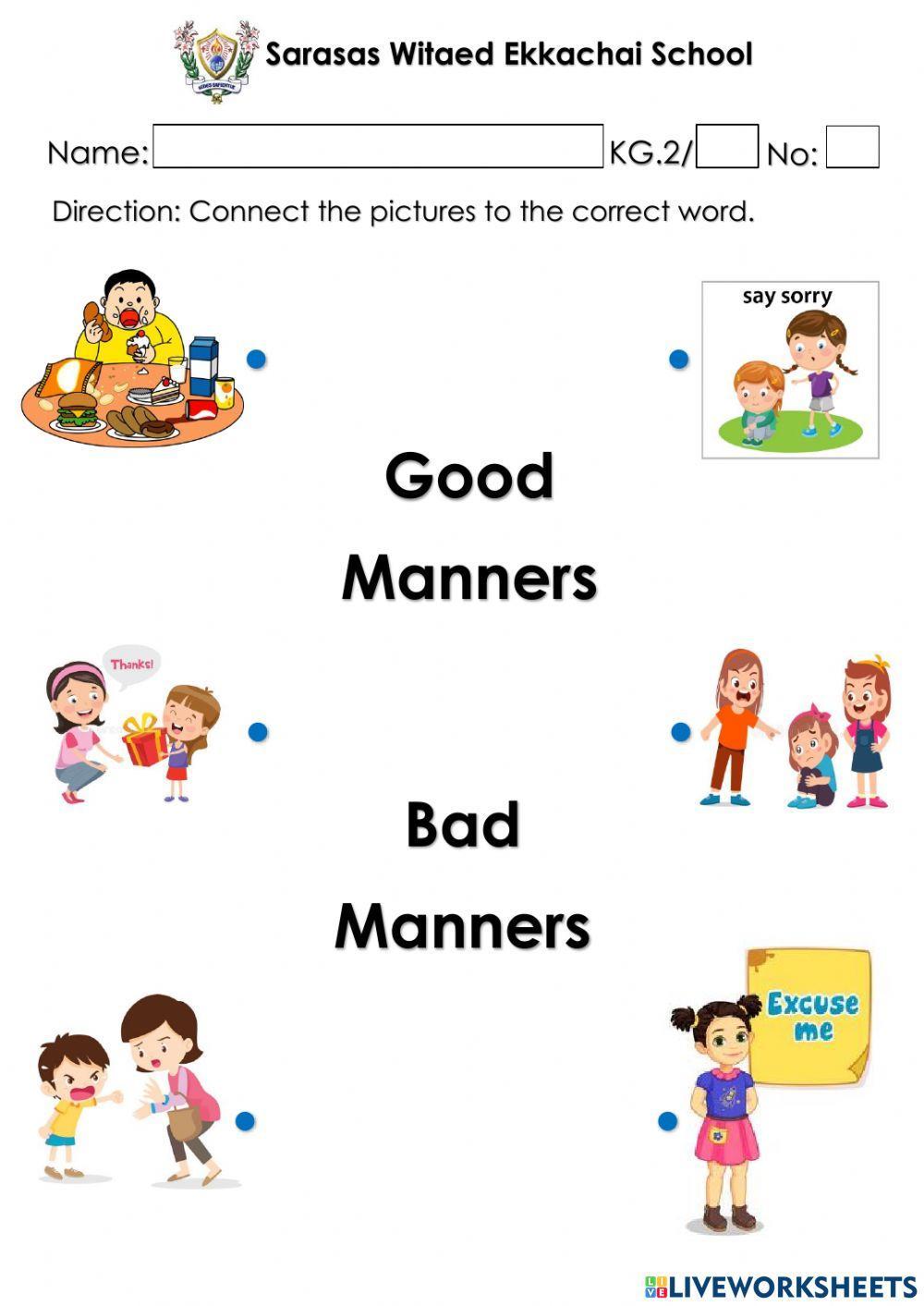
Watch any group of young children attempting to write, and a familiar pattern emerges immediately: many children recognize letters and social concepts long before their fine motor control can physically form them on paper. According to the American Academy of Pediatrics, foundational fine motor milestones develop steadily as children gain hand strength and bilateral coordination through purposeful daily activities. Bridging this gap between cognitive understanding and physical execution requires targeted, engaging practice tools that hold a child’s interest. The kindergarten tracing lines for manners worksheet successfully merges essential social-emotional learning with fundamental pre-writing stroke control. It sounds simple, and that is precisely the point. By transforming abstract concepts like sharing, listening, and polite greetings into visual paths, young learners engage both mind and hand simultaneously.
💡 Educational Key Takeaways:
- Core Skill: Structured Kindergarten Tracing Lines For Manners focused on developing pencil grip, stroke control, and early literacy/math confidence.
- Target Scope: Suited for homeschoolers, preschool, kindergarten, and elementary learners.
- Best Recommendation: Practice 10–15 minutes daily with ergonomic writing tools to reinforce muscle memory without hand fatigue.
What This Worksheet Covers
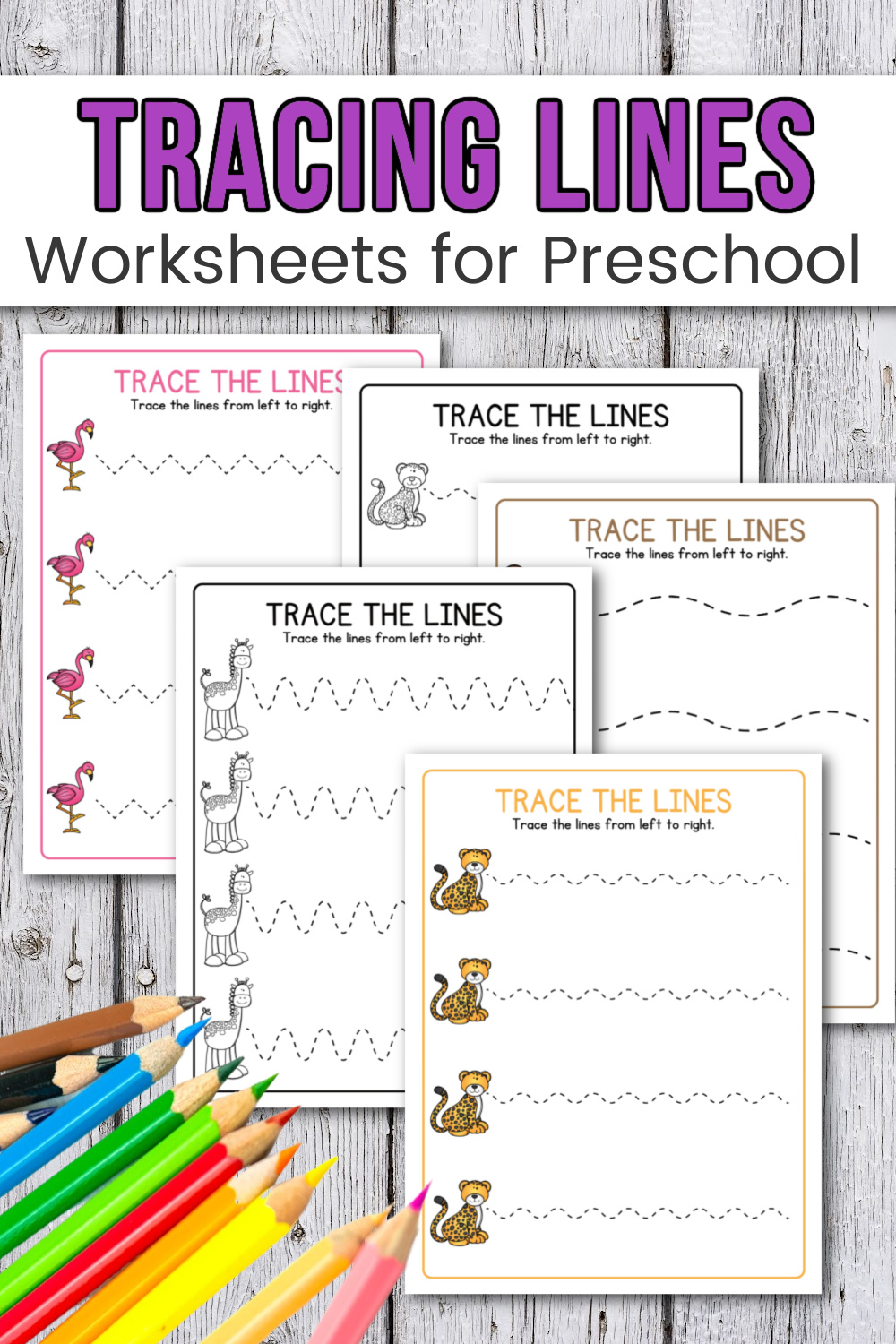
This specialized printable focuses on foundational pre-writing strokes paired with positive behavioral concepts, encouraging children to trace vertical, horizontal, curved, and diagonal lines that connect polite actions to cheerful outcomes. Children guide pencils or crayons along dotted pathways representing daily courtesies, such as saying please, taking turns, and offering a comforting wave. According to the National Association for the Education of Young Children, integrating physical skill-building with character development supports holistic growth during the crucial early childhood years. Instead of drilling rote memorization, the layout invites young learners to practice visual tracking, spatial awareness, and directional control while reflecting on positive social interactions. Here is what makes this worksheet different: it addresses pencil control not as an isolated mechanical task, but as a meaningful exercise in communication and empathy. For more related activities, check out our Free Tracing Lines Worksheets For 3 Year Olds.
Key Learning Outcomes
Engaging with these guided paths strengthens intrinsic hand muscles, improves visual-motor integration, and reinforces proper stroke sequencing necessary for future handwriting success. Children naturally refine their pencil grip stability as they navigate gentle curves and sharp angles without lifting the writing utensil. Furthermore, the activity supports cognitive flexibility by asking young minds to connect behavioral themes with physical movements, enhancing memory retention for both motor patterns and classroom expectations. Consistent practice with these foundational shapes builds the physical stamina required for longer writing sessions, reducing hand fatigue and frustration during formal academic instruction.
How to Use This Worksheet
Adults can introduce the material by discussing the specific manner illustrated on the page, encouraging the child to verbalize the concept before touching a writing tool to the paper. Setting a relaxed, low-stress environment allows the child to focus on fluid motion rather than rigid perfection, which prevents the development of tense, fatiguing grip habits. Placing the paper on a slight slant matching the natural angle of the child’s forearm promotes better posture and wrist alignment. Allowing children to trace the paths first with an index finger helps establish a mental map of the movement before adding the cognitive load of holding a pencil.
Practical Tips for Parents and Teachers
Observe how the child grasps the crayon or pencil, gently encouraging a functional tripod or quadrupod grip rather than a restrictive fist grasp. Scaffolding the activity means starting with thicker writing utensils like short crayons or broken chalk, which naturally encourage finger manipulation over whole-arm movements. Extending the learning can be as simple as acting out the specific manner shown on the page after completing the tracing route, solidifying the lesson through kinesthetic movement. When a child encounters a tricky curve, guide their hand gently through the motion once, then invite them to try the path independently to build a strong sense of competence.
Age-Appropriate Recommendations
For younger children aged two to four, the focus remains primarily on gross motor control, thick lines, and basic sensory awareness aligned with developmental frameworks outlined by the Fine Motor and Pre-Writing Skills collection. At this stage, adults should prioritize large, sweeping hand motions over precise letter formation, utilizing thicker markers and larger tracing sheets. For children aged five to eight, expectations shift toward refined pencil control, proper line orientation, and consistent letter sizing in alignment with Handwriting Without Tears developmental progressions. Exploring resources found within Shape and Line Tracing helps older kindergarteners bridge basic strokes into legible, controlled handwriting.
Fine motor competence in early childhood strongly predicts subsequent academic engagement and successful pencil manipulation in primary school. — National Association for the Education of Young Children
Frequently Asked Questions
Parents and educators often have specific questions regarding how to best utilize tracing sheets for optimal developmental growth, ensuring that practice sessions remain both beneficial and enjoyable for the child.
Explore More Free Printable Tracing Worksheets
Expanding a child’s skill set requires access to a diverse array of practice materials that grow alongside their developing abilities. Discovering new concepts becomes an exciting adventure when children can choose from a wide variety of engaging practice sheets tailored to their unique interests and developmental stages. Exploring the comprehensive resource library at KidTraces.com provides endless opportunities to support early learners. Additional options can be found by browsing through Alphabet And Numbers Tracing, checking out themed practice via Seasonal and Fun Themes, or reviewing foundational exercises in Tracing Worksheets.
Developmental Milestone & Activity Table
| Development Stage | Recommended Daily Duration | Primary Learning Objective |
|---|---|---|
| Preschool & Pre-K | 10 – 15 Minutes | Pencil grip development & basic pre-stroke lines |
| Kindergarten | 15 – 20 Minutes | Letter/number formation & spatial line awareness |
| Early Elementary (Grade 1–2) | 20 – 30 Minutes | Fluency, sentence construction & neatness |
Images References