Introduction
Young children frequently recognize letters and shapes long before their fine motor control and intrinsic hand strength can comfortably form them on paper. According to the American Occupational Therapy Association, foundational hand skills and controlled pencil manipulation are critical precursors to academic success and functional independence in the classroom. Many educators notice that children eager to write often become frustrated when their hands tire quickly during early writing tasks. Engaging printables bridge this gap by transforming repetitive pencil control drills into playful, motivating exercises. The pet theme tracing lines free resource offers a wonderful pathway to build this essential dexterity through charming animal-inspired pathways.
💡 Educational Key Takeaways:
- Core Skill: Structured Pet Theme Tracing Lines Free focused on developing pencil grip, stroke control, and early literacy/math confidence.
- Target Scope: Suited for homeschoolers, preschool, kindergarten, and elementary learners.
- Best Recommendation: Practice 10–15 minutes daily with ergonomic writing tools to reinforce muscle memory without hand fatigue.
What This Worksheet Covers
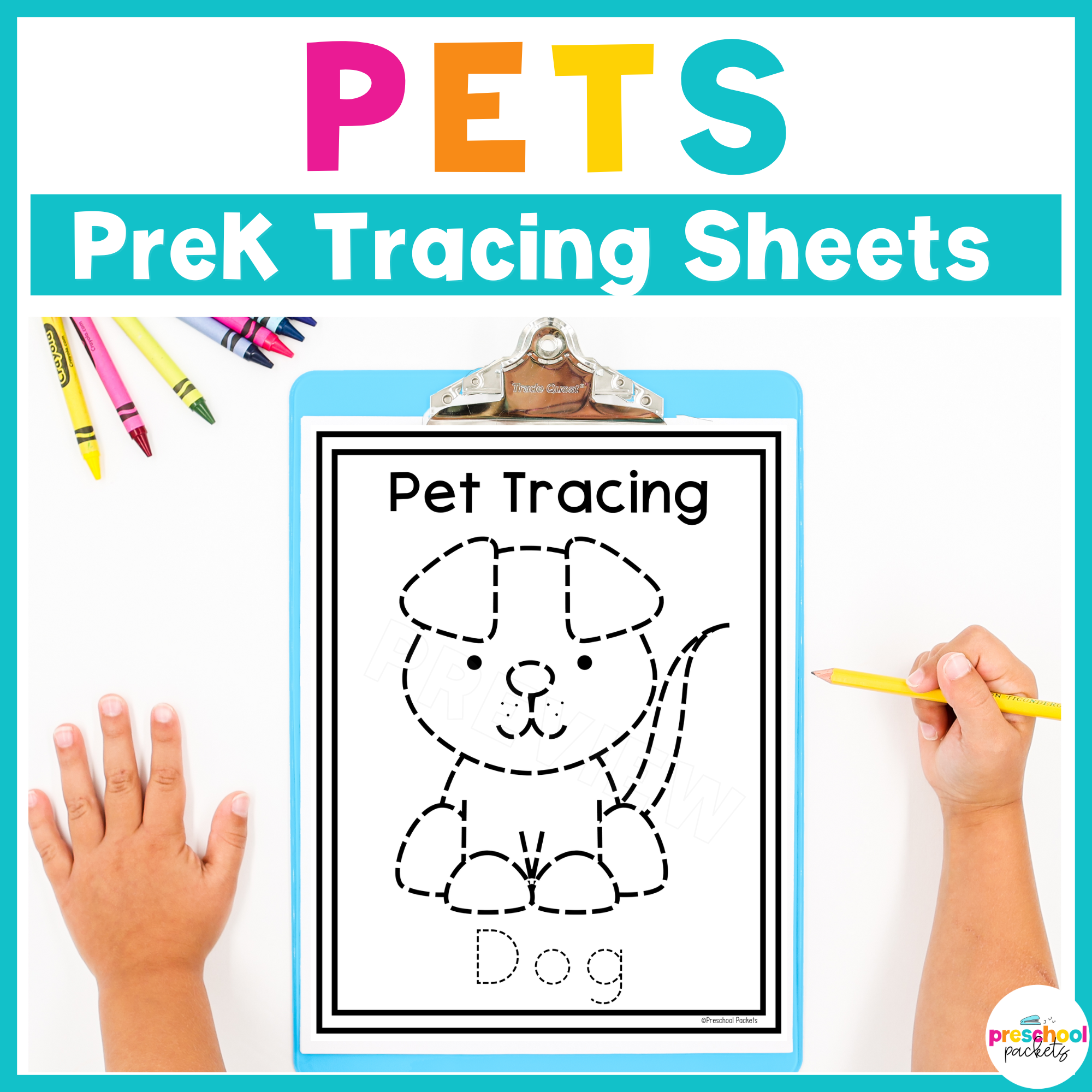
Pencil control is not something that develops overnight; it requires a systematic progression through various strokes, curves, and angles. This specific layout guides children through horizontal lines, vertical pathways, gentle wave patterns, and sharp zigzag tracks. Every stroke mimics a fun scenario, such as helping a puppy reach a bone or guiding a kitten toward a ball of yarn. By embedding these foundational pre-writing strokes within an engaging context, the activity encourages children to sustain attention and refine visual-motor integration. Exploring these pathways supports the development of precise spatial awareness on the page. Practitioners often pair these exercises with resources found within the broader Shape and Line Tracing collection to reinforce consistent pencil control across different formats.
Key Learning Outcomes
Children engaging with these guided pathways experience measurable growth in several developmental domains simultaneously. Hand-eye coordination improves significantly as little eyes track the line ahead while small hands steer the writing tool. Bilateral coordination also gets a gentle workout, as one hand stabilizes the paper while the dominant hand executes the tracing movement. Furthermore, the activity strengthens the intrinsic muscles of the hand, paving the way for a mature, efficient tripod grasp. Early learners simultaneously build directional tracking skills that move naturally from left to right, laying vital groundwork for future reading and writing fluency. Additional dexterity challenges can be discovered by browsing the varied selections under Fine Motor and Pre-Writing Skills for continued skill expansion.
How to Use This Worksheet
Successful implementation relies on keeping the experience low-pressure and intrinsically motivating for the child. Setting up a comfortable workspace with appropriately sized chairs and tables ensures the child’s feet rest flat and core muscles remain supported. Starting with thicker writing utensils like crayons or short colored pencils often provides better resistance and feedback for tiny fingers than standard skinny pencils. Encouraging the child to trace the pet pathways slowly, focusing on accuracy rather than speed, prevents the formation of poor stroke habits. For classrooms or busy households seeking supplementary options, exploring the diverse resources housed in Seasonal and Fun Themes maintains high engagement throughout the changing school year.
Practical Tips for Parents and Teachers
Adults play a crucial scaffolding role by modeling proper grip technique and demonstrating how to start each line at the correct anchor point. If a child shows signs of hand fatigue, shaking out the hands or squeezing a soft stress ball offers a wonderful sensory break before returning to the page. Teachers can laminate these sheets for repeated use with dry-erase markers, which adds a fun sensory element and reduces anxiety around making mistakes. Providing verbal encouragement that focuses on effort and steady control rather than perfection builds lasting self-efficacy. When children master basic line navigation, educators can introduce parallel challenges found within the Tracing Worksheets index to maintain steady developmental momentum.
Age-Appropriate Recommendations
According to the National Association for the Education of Young Children Developmentally Appropriate Practice guidelines, young learners thrive when tasks match their current neurological and physical capabilities. For two-to-four-year-olds, the focus remains primarily on vertical and horizontal lines, gentle curves, and building overall hand strength through thick, tactile crayons. Five-to-eight-year-olds can tackle more complex diagonal tracks, intersecting lines, and tighter zigzag formations that require refined visual-motor precision and sustained attention. Matching the complexity of the line to the child’s developmental stage ensures that practice sessions remain successful, confidence-building experiences rather than frustrating chores.
According to the Centers for Disease Control and Prevention, most children develop the fine motor coordination required to draw basic shapes and lines between the ages of three and four years old. — CDC Developmental Milestones
Frequently Asked Questions
Explore More Free Printable Tracing Worksheets
Supporting a young writer involves offering a rich variety of engaging, developmentally sound practice materials that grow alongside the child. Educators, parents, and therapists are invited to explore the complete library of resources available at KidTraces.com to find everything needed for purposeful writing instruction. From foundational strokes to complex letter formations, every printable is designed to make learning joyful and accessible for all children.
Developmental Milestone & Activity Table
| Development Stage | Recommended Daily Duration | Primary Learning Objective |
|---|---|---|
| Preschool & Pre-K | 10 – 15 Minutes | Pencil grip development & basic pre-stroke lines |
| Kindergarten | 15 – 20 Minutes | Letter/number formation & spatial line awareness |
| Early Elementary (Grade 1–2) | 20 – 30 Minutes | Fluency, sentence construction & neatness |
Images References