Introduction
Watch any group of preschoolers attempt their first independent drawings, and a fascinating developmental truth emerges immediately. Many children recognize letters, numbers, and geometric forms long before their fine motor skills can accurately form them on paper. According to the American Occupational Therapy Association, foundational hand strength, bilateral coordination, and precise visual-motor integration must develop simultaneously to support functional writing endurance. That physical gap between cognitive recognition and physical execution often leads to frustration during early literacy instruction. Fortunately, targeted visual-motor practice bridges that divide reliably. Utilizing structured hexagon tracing sheets online provides young learners with the exact geometric scaffolding required to master directional control, pencil pressure regulation, and spatial awareness without the cognitive overload of complex letter formation.
💡 Educational Key Takeaways:
- Core Skill: Structured Hexagon Tracing Sheets Online focused on developing pencil grip, stroke control, and early literacy/math confidence.
- Target Scope: Suited for homeschoolers, preschool, kindergarten, and elementary learners.
- Best Recommendation: Practice 10–15 minutes daily with ergonomic writing tools to reinforce muscle memory without hand fatigue.
What This Worksheet Covers
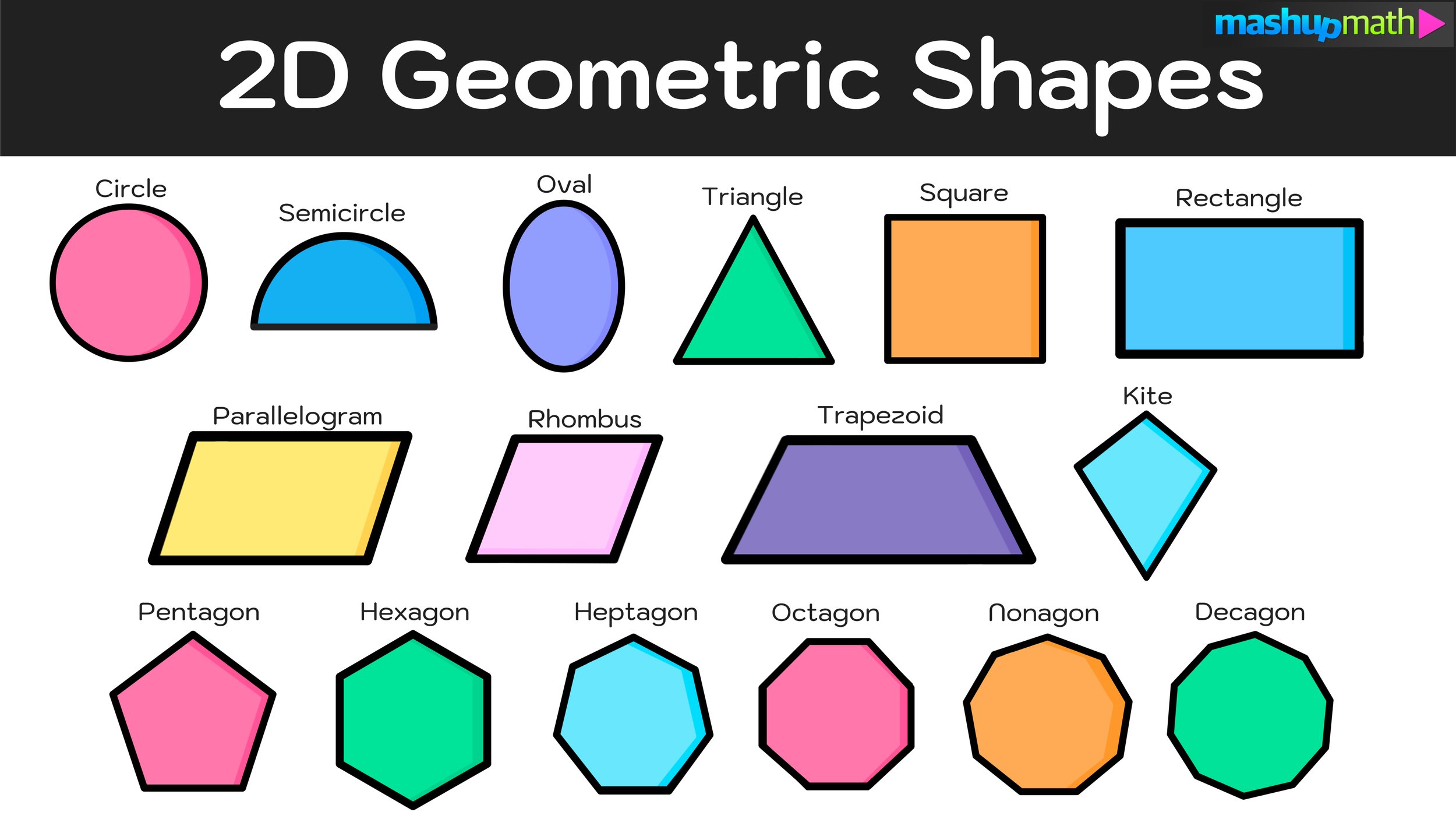
Hexagons present a unique bridge between curved pre-writing loops and rigid square corners, making them an ideal bridge for visual-motor mastery. Each geometric template introduces continuous line control, sharp directional changes, and precise visual tracking across multiple intersecting angles. Children manipulate writing tools through distinct, controlled segments while maintaining proper pencil grip and arm stabilization. Furthermore, these specific patterns prepare hands for the complex slant lines required in traditional manuscript handwriting. Exploring options within the broader collection of Shape and Line Tracing resources offers children diverse geometric challenges that systematically build upper limb stability and finger dexterity.
Key Learning Outcomes
Working through geometric tracing activities yields noticeable improvements across several core developmental domains. Hand-eye coordination sharpens significantly as visual paths guide continuous pencil strokes from corner to corner. Finger isolation and intrinsic hand muscle strength develop naturally through the sustained pressure needed to trace crisp, unbroken lines. Additionally, children cultivate crucial spatial awareness by navigating inside specific boundaries and learning to anticipate directional turns before reaching them. These combined benefits form the bedrock for subsequent skill sets found in comprehensive Fine Motor and Pre-Writing Skills programs, ensuring learners approach future literacy tasks with confidence and physical readiness.
How to Use This Worksheet
Success with geometric tracing relies heavily on environment, posture, and supportive adult facilitation during practice sessions. Positioning the writing surface flat on a properly fitted child-sized table ensures both feet rest flat on the floor, establishing the core stability necessary for distal hand control. Adults should encourage a functional grasp—such as a tripod or quadrupod grip—while allowing flexibility for developing hand muscles. Starting with thicker writing utensils like crayons or short colored pencils can also provide proprioceptive feedback that helps weaker hands gauge pressure. When children need additional variety in their practice routines, integrating materials from Tracing Worksheets collections keeps engagement high and boredom at bay.
Practical Tips for Parents and Teachers
Scaffolding these tracing activities effectively requires patience and close observation of individual fatigue levels. Adults should model proper starting points and directional strokes in real-time, demonstrating how the pencil glides smoothly from one vertex to the next. Transitioning from thick, high-contrast dotted lines to finer outlines allows learners to gradually decrease their reliance on visual prompts. To prevent hand cramping, limit active tracing sessions to short, five-to-ten-minute bursts followed by active heavy-work hand movements like wall pushes or clay manipulation. Finally, celebrating precision rather than sheer speed reinforces careful visual tracking over rushed scribbling.
Age-Appropriate Recommendations
Developmental readiness dictates how children interact with geometric tracing materials across early childhood. According to the National Association for the Education of Young Children guidelines on developmentally appropriate practice, toddlers and young preschoolers ages two through four benefit most from large-format shapes that encourage whole-arm movements and gross motor control. Children ages five through eight transition naturally toward smaller, more precise geometric templates that refine intrinsic hand movements in alignment with the Handwriting Without Tears developmental progression. Introducing these sheets at the correct developmental window prevents undue frustration and fosters genuine enjoyment of early writing tasks.
Developmental progression in visual-motor integration shows that children master horizontal and vertical lines before successfully executing intersecting diagonals and complex geometric shapes. — American Occupational Therapy Association
Frequently Asked Questions
Navigating digital resources for early education often brings practical questions regarding printing formats, optimal paper weights, and seamless integration into daily learning routines. Reviewing these targeted answers helps educators and parents maximize the utility of every printed sheet.
Structured pencil-control exercises directly correlate with improved letter formation speed and reduced writing fatigue in early elementary school students. — Centers for Disease Control and Prevention
Explore More Free Printable Tracing Worksheets
Supporting a well-rounded early education curriculum requires access to a diverse array of reliable, teacher-approved printables. Exploring the full library of resources at KidTraces.com offers parents and educators unlimited opportunities to target specific developmental milestones without unnecessary preparation time. Whether refining foundational finger movements or advancing toward independent sentence composition, maintaining a consistent supply of engaging tracing materials ensures every child builds a strong, confident foundation for lifelong academic success.
Developmental Milestone & Activity Table
| Development Stage | Recommended Daily Duration | Primary Learning Objective |
|---|---|---|
| Preschool & Pre-K | 10 – 15 Minutes | Pencil grip development & basic pre-stroke lines |
| Kindergarten | 15 – 20 Minutes | Letter/number formation & spatial line awareness |
| Early Elementary (Grade 1–2) | 20 – 30 Minutes | Fluency, sentence construction & neatness |
Images References