Introduction
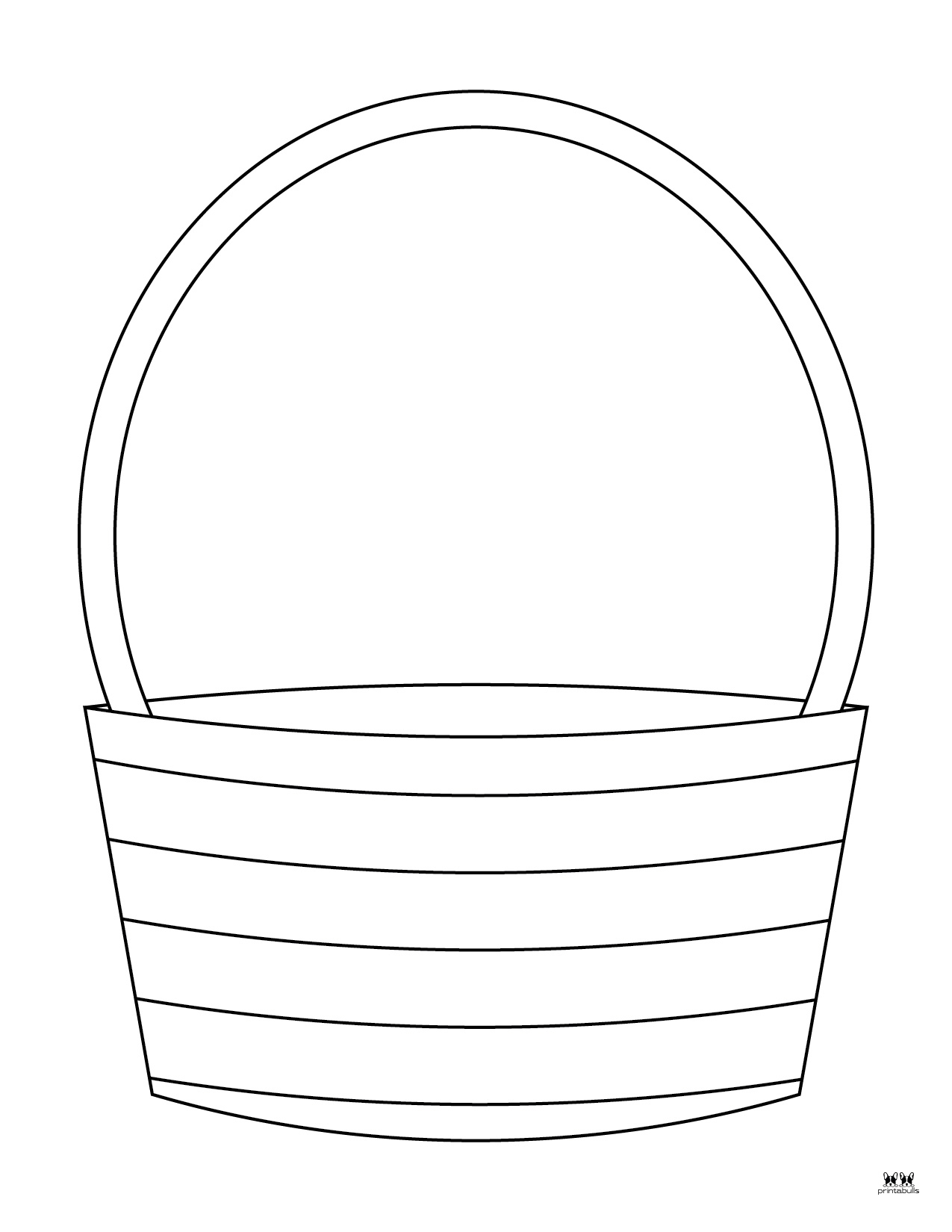
Many children recognize letters, shapes, and numbers long before their fine motor skills can actually form them on paper. This common disconnect often leads to early frustration if adults push directly into rigorous handwriting without preparing the hands first. According to the National Association for the Education of Young Children (NAEYC), meaningful early literacy and writing development relies heavily on active, hands-on exploration that builds physical control alongside cognitive understanding. Scaffolded pre-writing experiences bridge this exact gap by turning abstract strokes into playful, manageable motions. The free printable basket shapes tracing worksheet introduces purposeful line control through an engaging seasonal and thematic format, preparing small hands for the complex demands of formal writing.
💡 Educational Key Takeaways:
- Core Skill: Structured Basket Shapes Tracing focused on developing pencil grip, stroke control, and early literacy/math confidence.
- Target Scope: Suited for homeschoolers, preschool, kindergarten, and elementary learners.
- Best Recommendation: Practice 10–15 minutes daily with ergonomic writing tools to reinforce muscle memory without hand fatigue.
What This Worksheet Covers
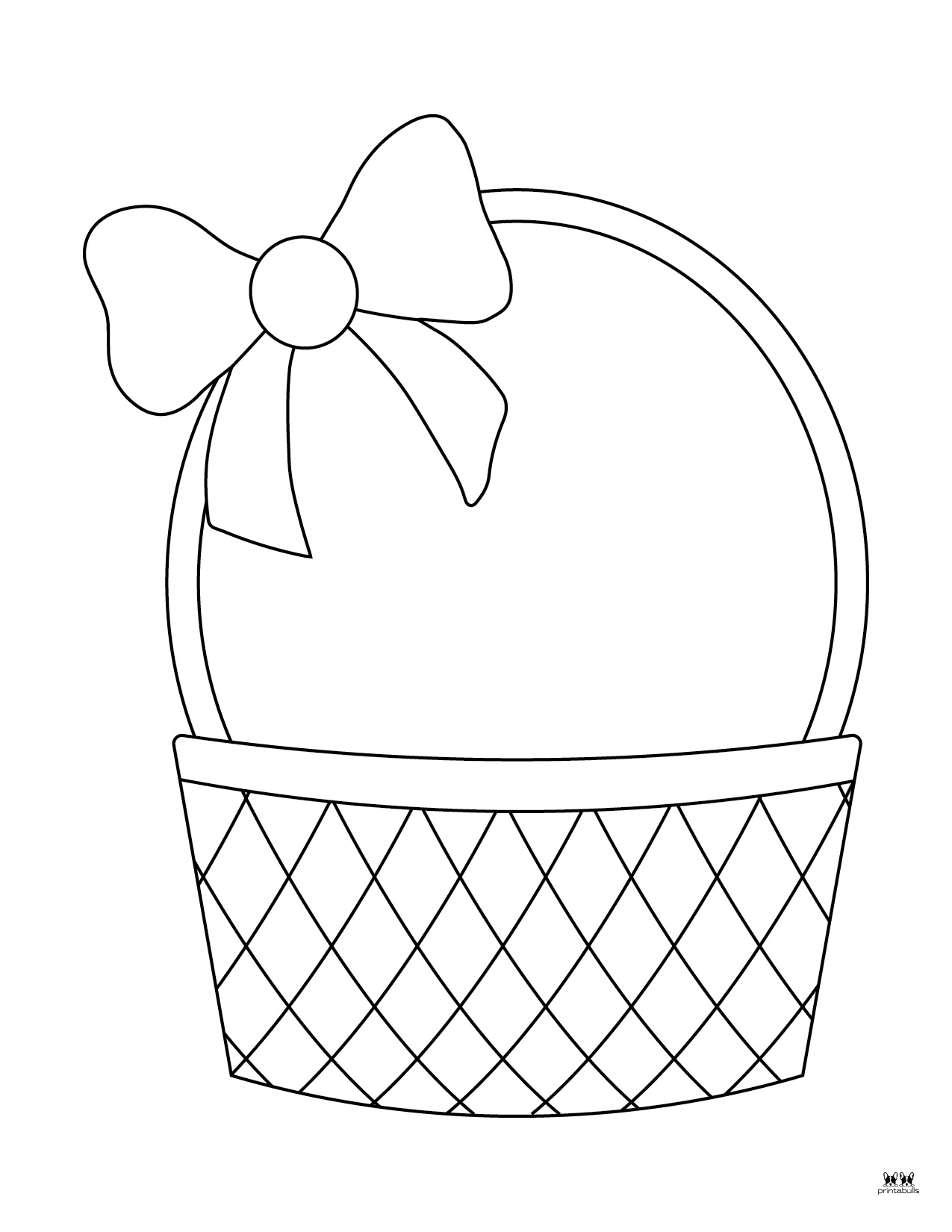
The basket shapes tracing resource focuses squarely on developing foundational pencil control by combining structured geometric boundaries with fluid, rhythmic lines. Children navigate vertical, horizontal, diagonal, and curved paths that replicate the woven texture of a basket, which requires continuous wrist movement and refined finger dexterity. Unlike standard vertical worksheets, this activity guides young learners through intersecting lines and repeating patterns that demand sustained visual-motor integration. According to the American Occupational Therapy Association (AOTA), mastering these foundational pre-writing strokes is a vital predictor of future handwriting legibility and speed. By isolating these specific movements within a delightful container theme, the worksheet helps learners build the intrinsic hand strength needed for lifelong writing success.
Key Learning Outcomes
Targeted skill acquisition happens when children interact with purposeful design elements like those found in Shape and Line Tracing activities. Learners refine their bilateral coordination by stabilizing the paper with one hand while the dominant hand maneuvers the writing tool. Visual tracking improves significantly as eyes scan ahead to anticipate the curves and intersections of the woven basket pattern. Furthermore, children strengthen the small muscles of the hand—specifically the lumbricals and interossei—which control the delicate pinches and adjustments required for a mature grip. Spatial awareness deepens organically as pencils stay within structured pathways, reinforcing the boundary control that later translates to proper spacing between letters and words.
How to Use This Worksheet
Introducing a new tracing exercise works best when integrated into a low-stress, pressure-free daily routine. Adults can begin by laying the printed sheet flat on a well-lit surface, ensuring the child’s feet rest flat on the floor to provide proximal body stability. It sounds simple, and that is the point: posture dictates proximal control, which directly influences distal finger dexterity. Invite the learner to use a favorite writing tool, whether a short stubby crayon to encourage an automatic tripod grasp, or a classic pencil. Encourage tracing from top to bottom and left to right, subtly reinforcing directional habits that will later support reading and writing fluency across broader categories like Fine Motor and Pre-Writing Skills.
Practical Tips for Parents and Teachers
Here is what makes this worksheet different: it allows for flexible scaffolding depending on where the child sits developmentally. For learners who struggle with pencil pressure, placing the sheet over a textured board provides immediate tactile feedback that guides the hand along the lines. Adults should model proper grip explicitly, gently correcting thumb wraps or white-knuckle fist grasps before tension sets into the hand. If a child fatigues quickly, break the activity into shorter, bite-sized sessions rather than demanding completion of the entire page in one sitting. For advanced learners, encourage them to trace the basket shapes using alternative tools like paintbrushes dipped in water or dry-erase markers inside protective sleeves, connecting these exercises to broader lessons found within Seasonal and Fun Themes.
Age-Appropriate Recommendations
Developmental readiness spans a wide spectrum between toddlerhood and early elementary school. For children ages two to four, NAEYC Developmentally Appropriate Practice suggests focusing primarily on gross motor lines, circular motions, and sensory exploration before demanding precision. At this stage, the basket tracing sheet serves as a sensory-rich playground for random scribbles that eventually organize into intentional strokes. For children ages five to eight, the expectations shift toward precision, correct starting points, and controlled stroke redirection, aligning with foundational handwriting milestones. Older children benefit from timing their tracing to build fluidity or attempting the pattern with their non-dominant hand to challenge bilateral integration pathways.
Early fine motor manipulation and visual-motor integration are strong predictors of academic success, particularly in early literacy and mathematical graphomotor tasks — American Occupational Therapy Association (AOTA)
Frequently Asked Questions
Explore More Free Printable Tracing Worksheets
Building a robust foundation in pencil control requires ongoing variety and continuous practice across multiple developmental domains. Adults can effortlessly expand their teaching toolkits by exploring the full library available at KidTraces.com. Whether transitioning into alphabet mastery through Alphabet And Numbers Tracing or refining specific letter shapes with Dotted Letters For Tracing, every printable is crafted to support growing hands with patience, joy, and developmental precision.
Developmental Milestone & Activity Table
| Development Stage | Recommended Daily Duration | Primary Learning Objective |
|---|---|---|
| Preschool & Pre-K | 10 – 15 Minutes | Pencil grip development & basic pre-stroke lines |
| Kindergarten | 15 – 20 Minutes | Letter/number formation & spatial line awareness |
| Early Elementary (Grade 1–2) | 20 – 30 Minutes | Fluency, sentence construction & neatness |
Images References