Introduction
Many children recognize letters, numbers, and geometric shapes long before their fine motor muscles possess the maturity to form them consistently on paper. According to the American Occupational Therapy Association, foundational visual-motor and fine motor skills are essential precursors for academic success and functional participation in the classroom. This developmental gap often creates frustration during early writing instruction. Bridging the divide requires engaging, targeted pencil control activities that strengthen small hand muscles while building spatial awareness. The free printable diamond shape child worksheet provides a structured medium for young learners to master complex diagonal strokes, directional tracking, and visual-motor integration.
💡 Technical Key Takeaways:
- Core Focus: Diagnostic schematic and terminal connection layout for Diamond Shape Child.
- Target Scope: Field technicians, automotive DIYers, and residential/commercial electricians.
- Safety Rule: Always disconnect the primary power source/battery terminal and verify zero voltage with a multimeter before touching wires.
What This Worksheet Covers
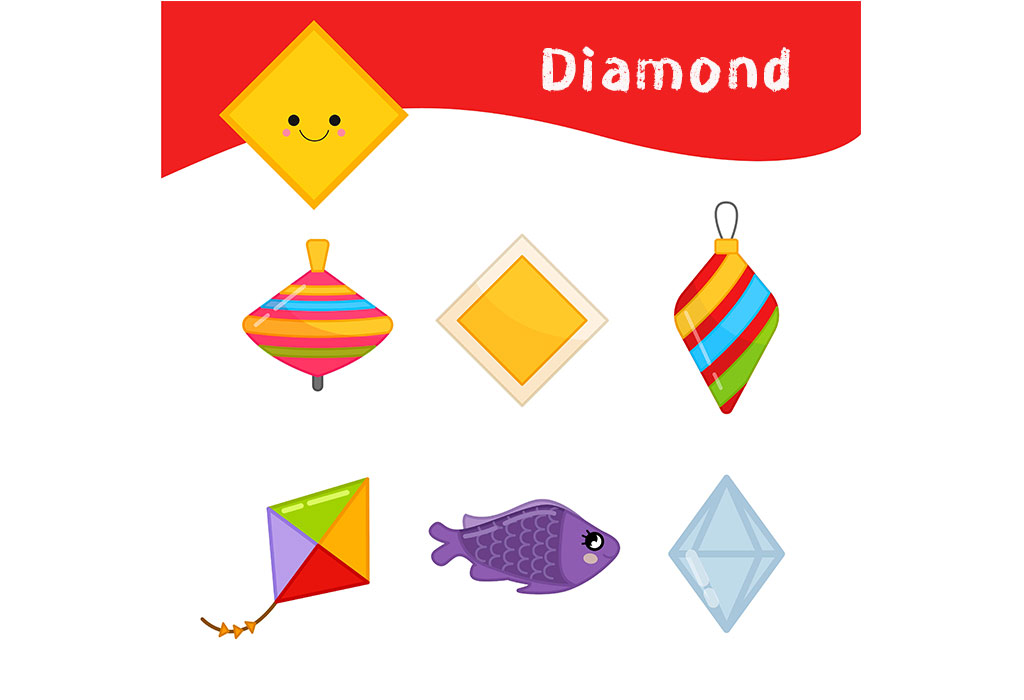
Mastering a diamond shape demands precise control over diagonal lines, sharp vertex turns, and bilateral hand coordination. Unlike vertical and horizontal lines learned during toddlerhood, diagonals require sophisticated visual-spatial processing and sustained pencil pressure. The worksheet guides children through tracing interconnected slanted lines that form the classic rhombus geometry. It sounds simple, and that’s the point. By focusing intensely on a single geometric motif, the printable isolates the specific motor challenge of changing direction mid-stroke without the cognitive overload of simultaneously processing alphabet letters or counting sequences. Children build confidence as they navigate starting points, maintain continuous contact with the paper, and control pencil speed around tricky corners. For more related activities, check out our Tracing In Sand Circles.
Key Learning Outcomes
Repeated engagement with shape tracing yields profound improvements in overall dexterity and pre-writing readiness. Learners develop enhanced visual-spatial perception by analyzing how slanted lines intersect to create a closed geometric figure. Hand-eye coordination improves dramatically as little eyes guide little hands to stay meticulously on the dotted pathways. Furthermore, this practice fosters sustained attention span and task persistence, two critical non-cognitive factors in early childhood development. Children also refine their pencil grasp patterns, naturally shifting from clumsy palmar grasps to more functional transitional and mature three-point grips as they maneuver around the sharp angles of the shape.
How to Use This Worksheet
Successful implementation begins with establishing an optimal physical setup that supports proximal stability, which is the core strength needed for distal finger control. Feet should rest flat on the floor, and the table surface ought to sit just below resting elbow height. Before allowing any marking utensils to touch the paper, adults should encourage children to trace the diamond outline using an index finger to build tactile and kinesthetic memory of the movement path. Transitioning to writing tools requires mindful selection of appropriate instruments. Shorter crayons, golf pencils, or broken chalk pieces naturally encourage a functional tripod grasp by naturally preventing fingers from wrapping too tightly around the shaft.
Practical Tips for Parents and Teachers
Scaffolding instruction effectively means meeting children exactly where their current motor skills lie without inducing frustration. Adults can model the correct starting point at the top apex of the diamond, verbally reinforcing directional cues such as “slant down to the left, then slant down to the right.” For learners struggling with light pressure, placing a textured surface like a piece of craft foam or sandpaper underneath the printable provides crucial sensory feedback. Extending the activity involves having children cut out their completed diamond along the outer borders, seamlessly integrating scissors skills into the geometry lesson. It is helpful to remember that messy lines indicate developing neuromuscular pathways, so celebrating effort and steady improvement yields far better outcomes than demanding immediate perfection.
Age-Appropriate Recommendations
According to the National Association for the Education of Young Children guidelines for developmentally appropriate practice, toddlers and early preschoolers aged two to four benefit most from large-scale pre-writing experiences. For this younger cohort, printing the diamond template enlarged to ledger size and placing it vertically on an easel or wall encourages optimal wrist extension and shoulder stability. Children aged five to eight are ready to tackle standard-sized worksheets at a flat desk, refining precision and stroke accuracy in alignment with foundational geometry expectations. During these early elementary years, tracing complex shapes reinforces the spatial planning necessary for advanced letter formation, spacing, and legible handwriting across all subjects.
Proficiency in visual-motor integration tasks strongly correlates with early academic achievement and pencil control development. — American Occupational Therapy Association
Frequently Asked Questions
Navigating early childhood printables is straightforward when utilizing trusted resources designed specifically for young learners and educators.
Explore More Free Printable Tracing Worksheets
Supporting a child’s developmental journey requires a diverse array of engaging, high-quality practice materials that grow alongside their expanding capabilities. Whether a young learner needs targeted practice with Alphabet And Numbers Tracing or foundational work on Fine Motor and Pre-Writing Skills, accessing the right tools makes all the difference. Explore additional geometry challenges within the Shape and Line Tracing category to further refine visual-motor skills. Discover the complete collection of learning resources available at KidTraces.com to support continuous growth from toddlerhood through early elementary school.
Quick Wiring Specifications & Terminal Guide
| Component / Circuit | Standard Wire Gauge | Recommended Protection |
|---|---|---|
| Control & Trigger Signals | 18 – 20 AWG | 5A – 7.5A Inline Fuse |
| Standard Auxiliary Load | 14 – 16 AWG | 15A – 20A Circuit Breaker |
| Main Power Feed / Supply | 10 – 12 AWG | 30A – 40A Heavy-Duty Relay |
Images References