Introduction
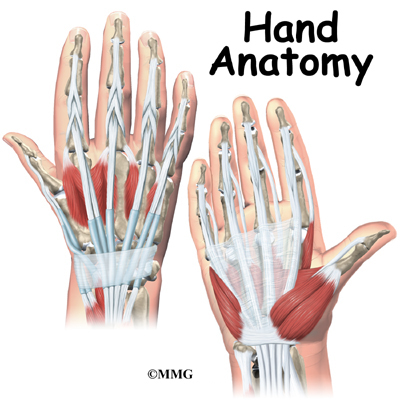
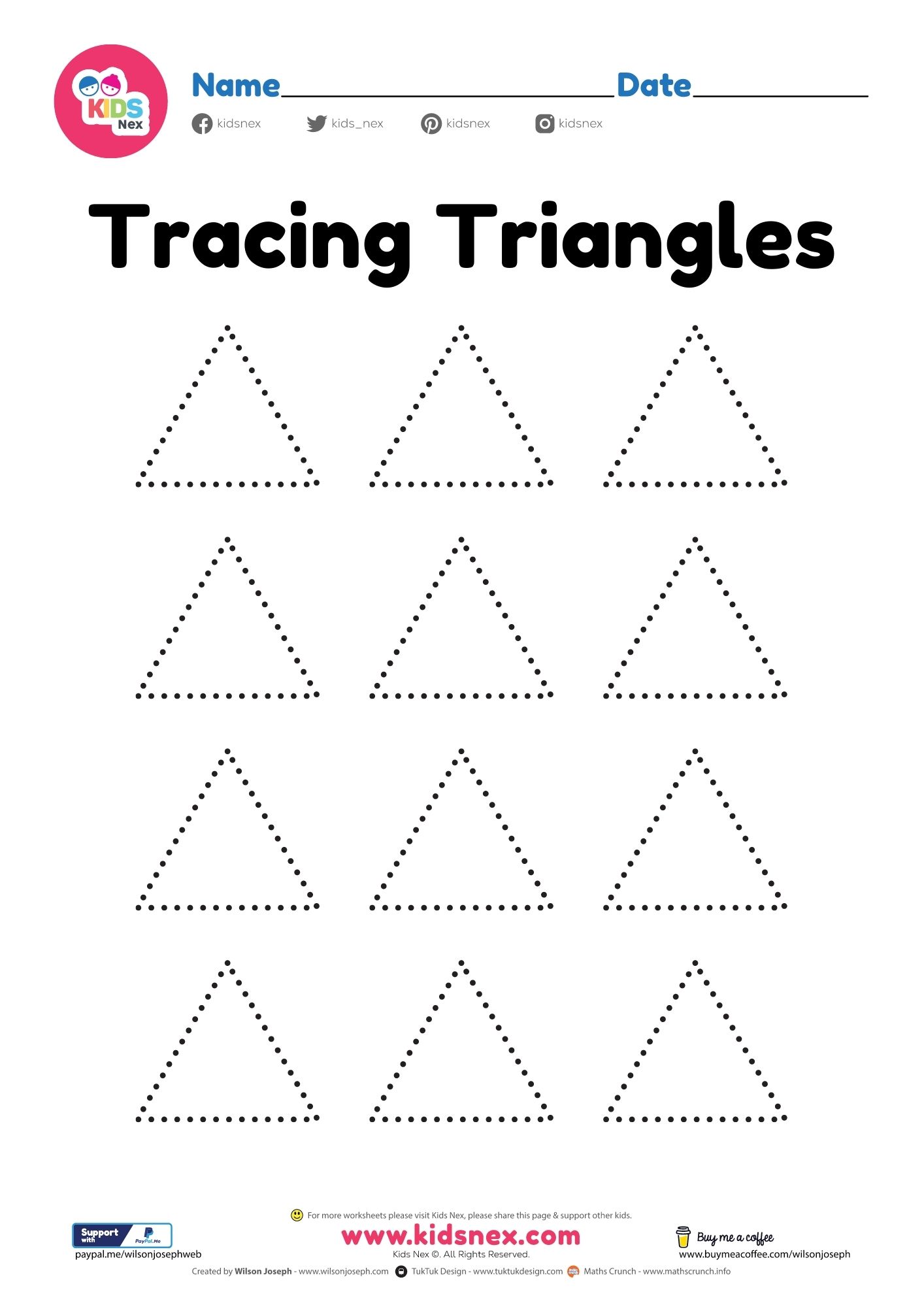
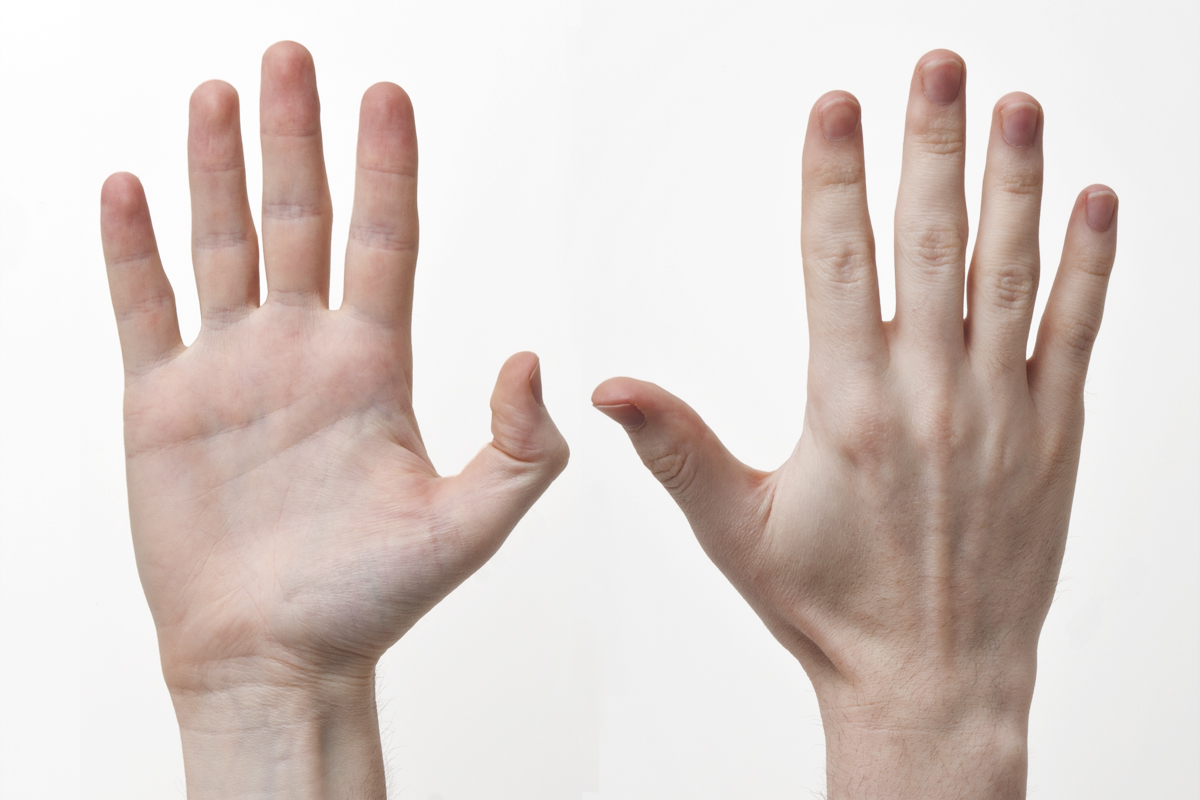
Watch any group of preschoolers attempt to write their names, and a familiar pattern emerges instantly. Many children recognize letters long before their fine motor coordination and hand strength are physically ready to form those complex shapes on paper. According to the American Occupational Therapy Association, foundational fine motor control and bilateral hand coordination are essential prerequisites for functional classroom participation and academic success. Bridging that gap requires purposeful practice that targets the small muscles of the hands while building spatial awareness. The hand and circle template for coordination games for kids- free printables offers a practical, engaging solution designed to strengthen hand muscles, improve visual-motor integration, and lay the groundwork for fluid handwriting through targeted tracing practice.
💡 Technical Key Takeaways:
- Core Focus: Diagnostic schematic and terminal connection layout for Hand And Circle Template For Coordination Games For Kids- Free Printables.
- Target Scope: Field technicians, automotive DIYers, and residential/commercial electricians.
- Safety Rule: Always disconnect the primary power source/battery terminal and verify zero voltage with a multimeter before touching wires.
What This Worksheet Covers
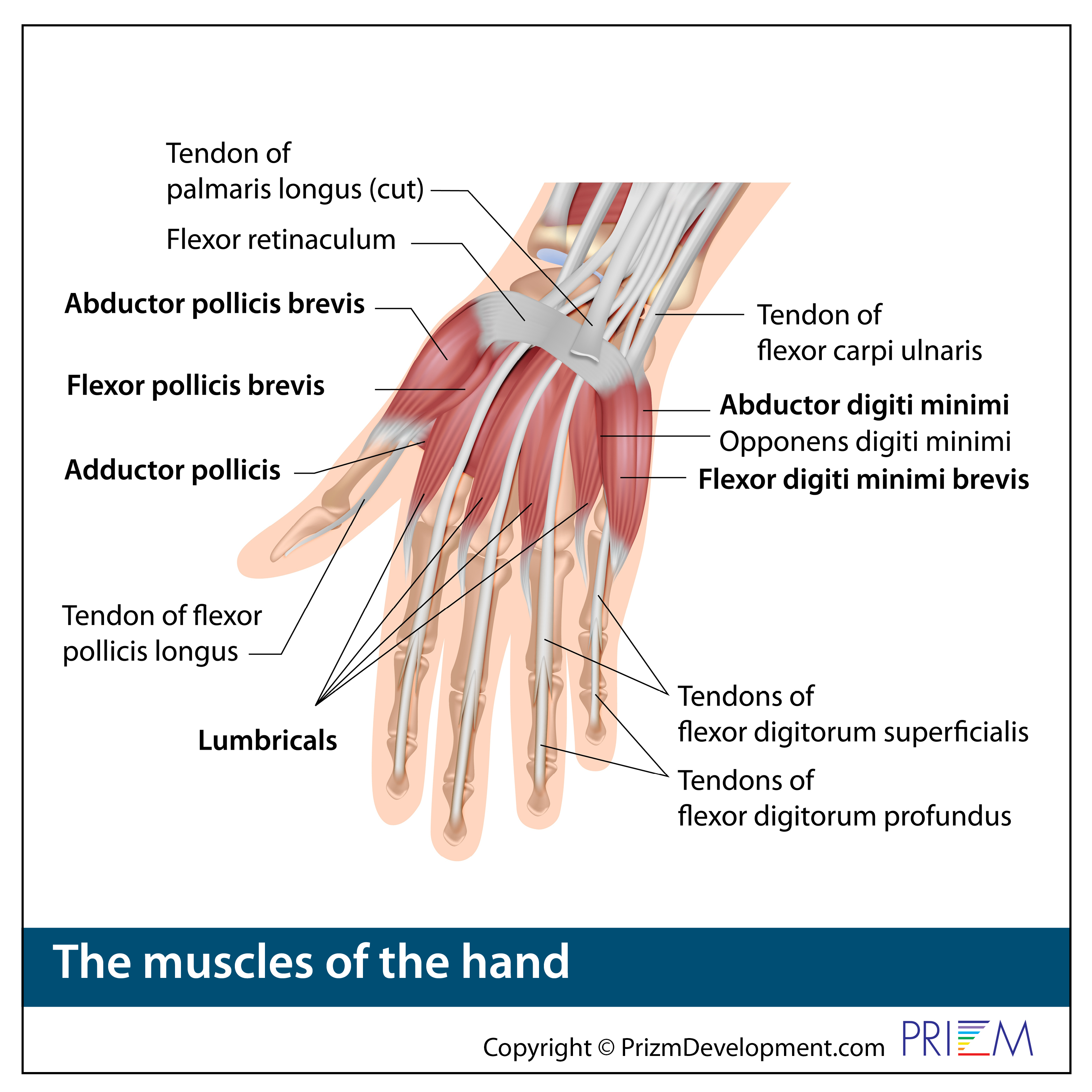
This specialized template moves beyond traditional paper-and-pencil drills by integrating purposeful hand outlines and concentric circles designed to challenge bilateral hand use and visual-motor control. Children navigate continuous curves, alternating directions, and structured paths that demand precise pencil pressure and sustained attention. Unlike standard worksheets that only focus on linear marks, this tool trains the eyes and hands to work in tandem across curved trajectories. It targets intrinsic hand muscle activation, teaching young learners how to stabilize the paper with one hand while manipulating a writing tool smoothly with the other. Exploring resources within Fine Motor and Pre-Writing Skills helps educators and caregivers find complementary exercises that reinforce these exact mechanical foundations.
Key Learning Outcomes
Working through these coordination templates yields measurable growth across several developmental domains. Children naturally refine their pencil grip stability as they navigate the curved boundaries of the hand and circle layouts. Visual-motor integration improves significantly as the eyes track ahead of the hand to anticipate changes in curve direction. Additionally, students build foundational endurance in the small intrinsic muscles of the hand, reducing early writing fatigue. Crossing the midline also occurs naturally during these tracing tasks, which strongly supports lateral brain development and spatial awareness essential for reading and writing.
How to Use This Worksheet
Success with these coordination templates depends heavily on setup and environmental encouragement. Begin by placing the worksheet on a flat, stable surface at a comfortable height where the child’s feet rest flat on the floor for core stability. Encourage a functional tripod grasp, but allow for adaptive tools or thicker writing instruments if hand fatigue sets in early. Turning the page slightly to match the natural arc of the child’s forearm can also dramatically improve line quality and reduce wrist strain. For broader developmental stroke exploration, pairing this tool with options found under Shape and Line Tracing keeps children motivated and eager to practice.
Practical Tips for Parents and Teachers
Scaffolding the experience ensures frustration remains low and confidence stays high. Model the correct starting point and directional flow before handing the pencil over to the child, using verbal cues like “sweep around the curve” to anchor the movement in their minds. If a child struggles with continuous control, slip the template into a dry-erase sleeve and let them trace the paths with thick markers first to build tactile confidence. For advanced learners, challenge them to trace the patterns using alternating hands or non-dominant fingers to stimulate bilateral coordination. Checking out the variety available in General Kidtraces provides additional ways to keep practice fresh and dynamic across different learning environments.
Age-Appropriate Recommendations
Developmental expectations must guide how these templates are introduced to different age groups. According to the National Association for the Education of Young Children guidelines on developmentally appropriate practice, toddlers and young preschoolers benefit most from large, gross-motor arm movements and thick sensory tracing, whereas older children refine precision and pencil control. For ages two through four, focus on finger tracing, sensory tray exploration, and large-scale circular motions before demanding pencil accuracy on paper. For ages five through eight, emphasize sustained grip endurance, precise curve adherence, and smooth transitions between lines and circles as children master formal handwriting strokes.
Foundational fine motor control and bilateral hand coordination are essential prerequisites for functional classroom participation and academic success. — American Occupational Therapy Association
Frequently Asked Questions
Understanding how to implement these printable resources effectively ensures maximum benefit for developing hands and minds. Below are answers to common questions regarding downloading, developmental impact, and professional guidelines.
Explore More Free Printable Tracing Worksheets
Supporting a child’s journey toward confident writing requires a diverse toolkit of engaging, developmentally sound exercises. Whether preparing a toddler for their first pencil strokes or helping an early elementary student refine their letter formation, having access to varied practice materials makes all the difference. Explore the full library of resources available at KidTraces.com to discover tools tailored to every stage of early childhood development.
Quick Wiring Specifications & Terminal Guide
| Component / Circuit | Standard Wire Gauge | Recommended Protection |
|---|---|---|
| Control & Trigger Signals | 18 – 20 AWG | 5A – 7.5A Inline Fuse |
| Standard Auxiliary Load | 14 – 16 AWG | 15A – 20A Circuit Breaker |
| Main Power Feed / Supply | 10 – 12 AWG | 30A – 40A Heavy-Duty Relay |
Images References