Introduction
Watch any group of preschoolers, and a fascinating developmental truth becomes clear almost immediately: children recognize letters, numbers, and symbols long before their hand and finger muscles possess the endurance or dexterity to form them on paper. According to Reading Rockets, early literacy development relies heavily on building a solid foundation of visual familiarity and pencil control before expecting formal handwriting mastery. Many adults hand a child a pencil and expect immediate perfection, forgetting that pencil control is a complex physical feat requiring coordination between the eyes, hands, and brain. The tracing dinosaurs print out bridges this exact gap by turning essential pre-writing practice into a captivating prehistoric adventure. By channeling enthusiasm for T-Rexes and triceratops into pencil control exercises, young learners willingly engage in the repetitive motions needed to build neural pathways and hand strength. It sounds simple, and that’s the point: playful motivation transforms a chore into an engaging physical exercise.
💡 Educational Key Takeaways:
- Core Skill: Structured Tracing Dinosaurs Print Out focused on developing pencil grip, stroke control, and early literacy/math confidence.
- Target Scope: Suited for homeschoolers, preschool, kindergarten, and elementary learners.
- Best Recommendation: Practice 10–15 minutes daily with ergonomic writing tools to reinforce muscle memory without hand fatigue.
What This Worksheet Covers
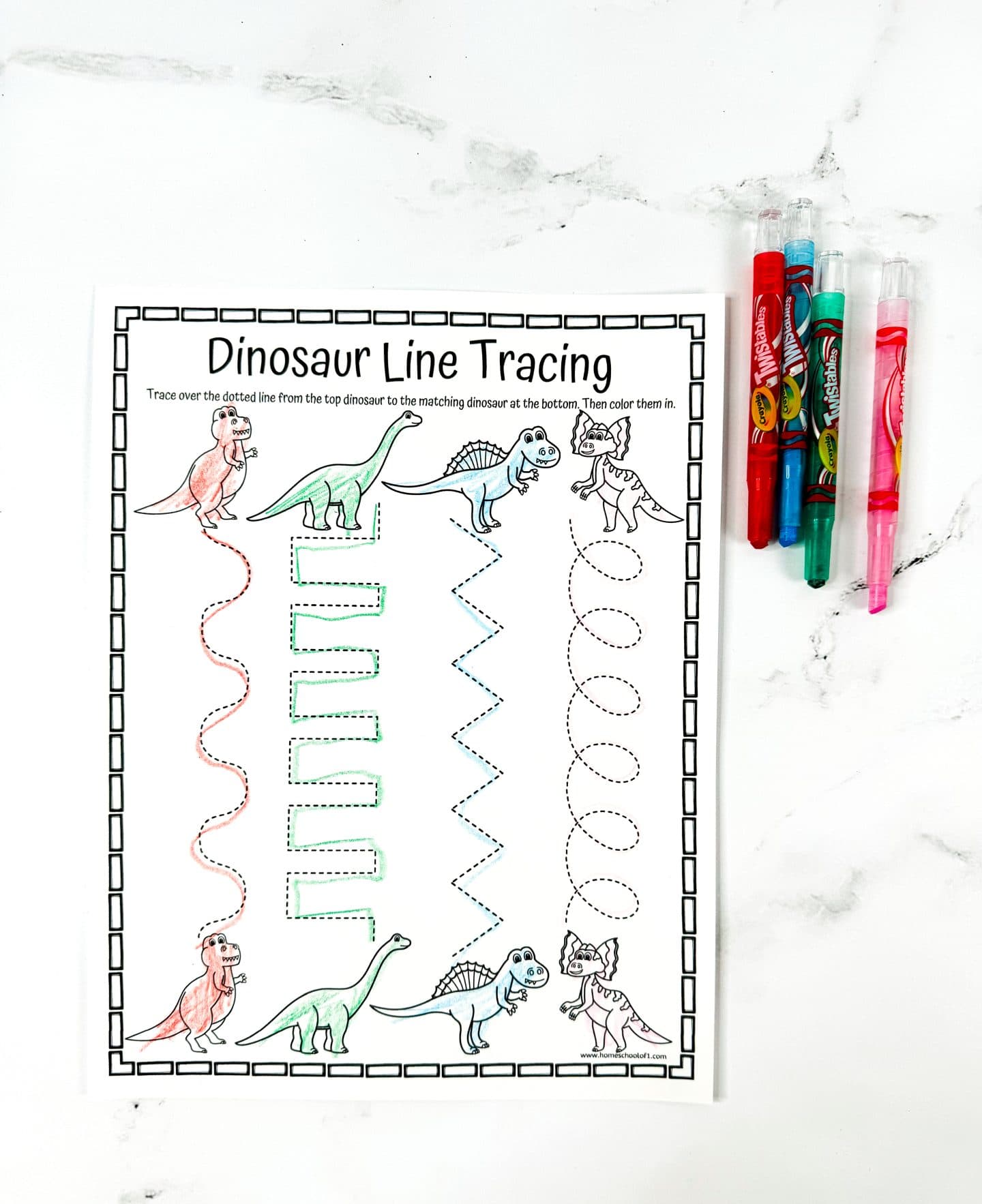
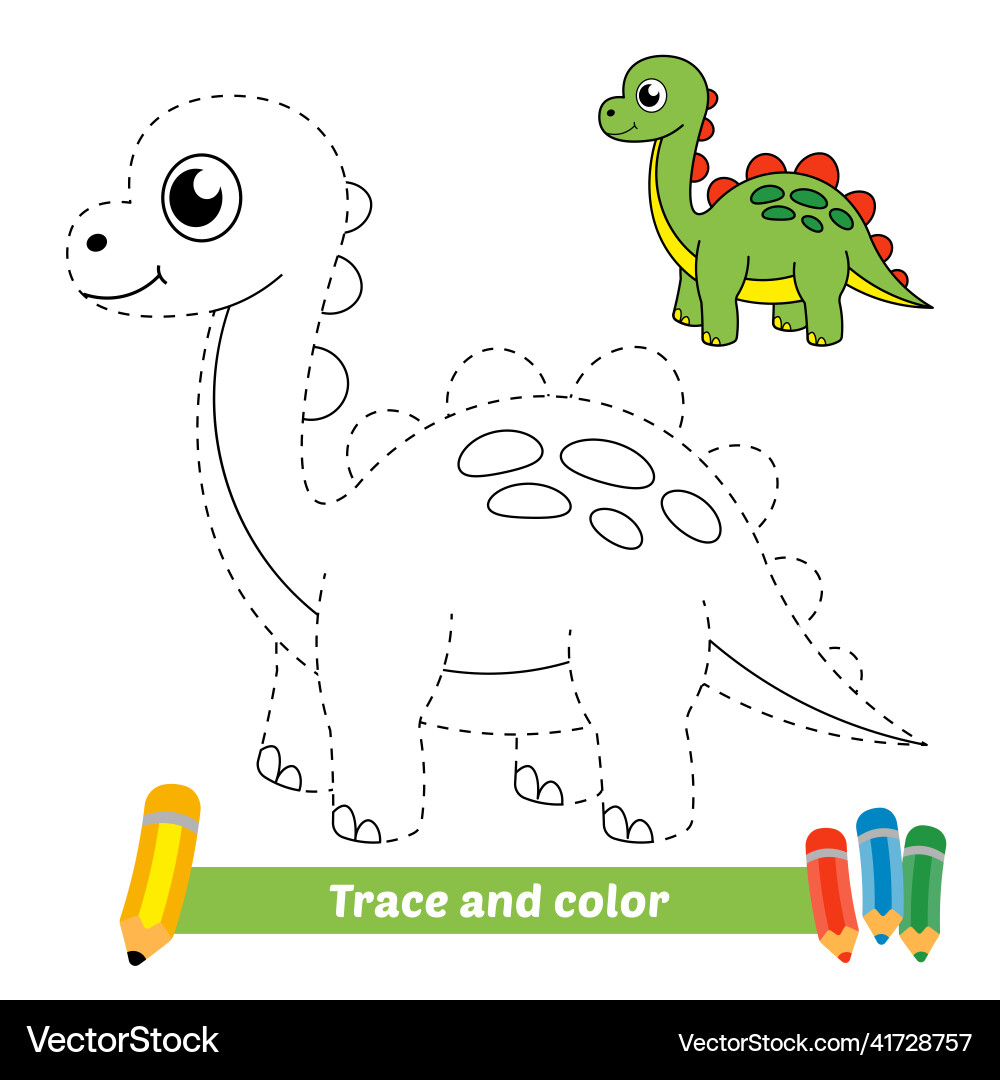
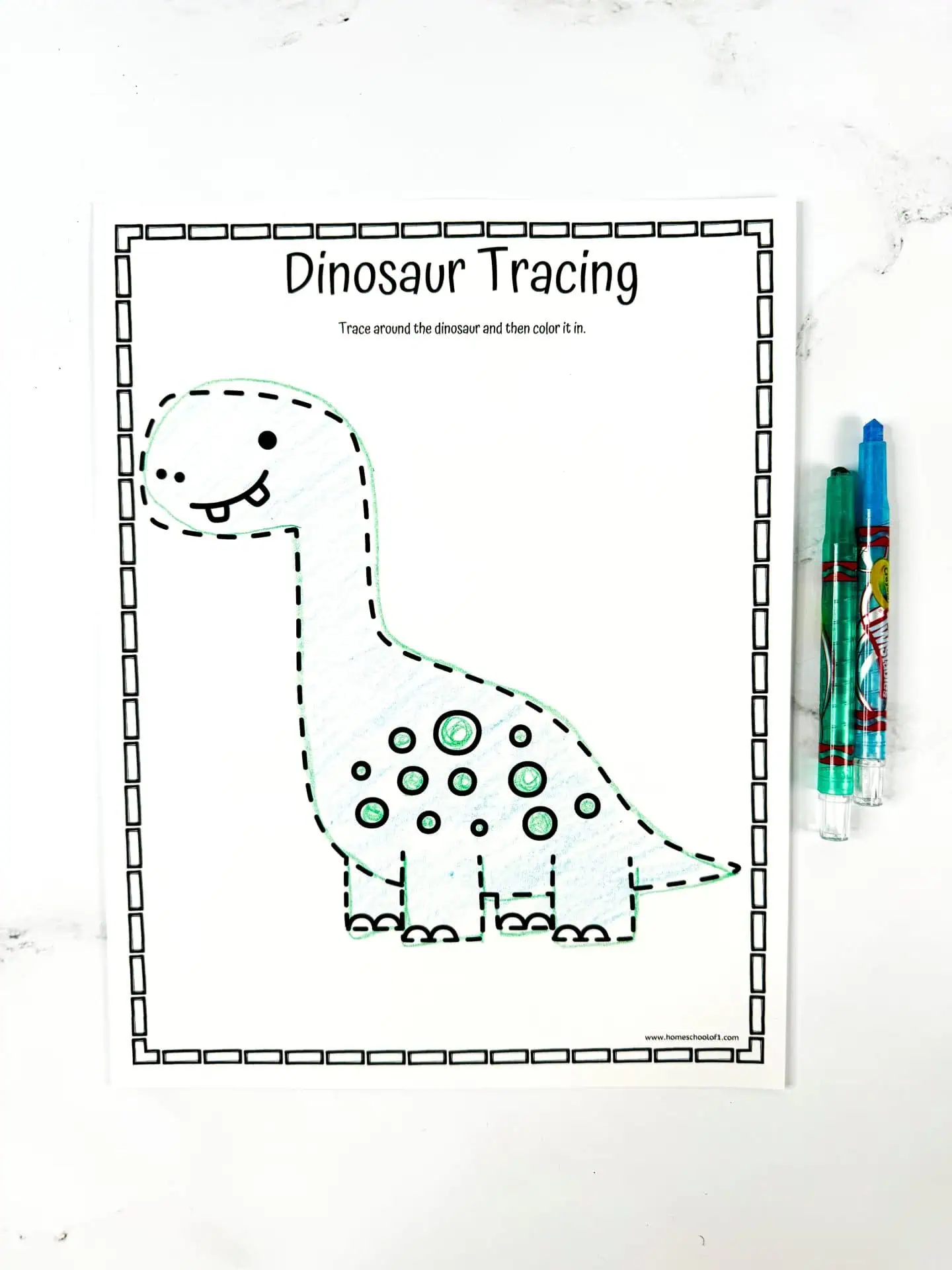
Prehistoric-themed tracing sheets offer far more than simple coloring entertainment. These specialized pages guide children through a rich landscape of curves, zigzags, loops, and diagonal lines designed to mimic the exact motor patterns required for letters and numbers later on. When children trace the spiny back of a stegosaurus or follow the looping trail of a pterodactyl, they practice starting points, directional push, and pencil stopping control. The printable features diverse line weights and path complexities tailored to different stages of physical maturity. Exploring Seasonal and Fun Themes demonstrates how thematic engagement dramatically increases attention span during fine motor skill work. Here’s what makes this worksheet different: it marries high-interest visual hooks with evidence-based occupational therapy principles, ensuring every stroke serves a clear developmental purpose.
Key Learning Outcomes
Young learners engaging with prehistoric line work experience measurable growth across multiple developmental domains. Fine motor precision improves as tiny hand muscles coordinate to keep the writing utensil within designated paths. Visual-motor integration sharpens as the eyes track across the page to guide hand movements in real time. Directional awareness develops naturally through tracking top-to-bottom and left-to-right trajectories inherent in the layout. Furthermore, children build crucial hand endurance, reducing writing fatigue during longer academic tasks. For broader foundational skill practice, integrating resources like Fine Motor and Pre-Writing Skills helps reinforce these exact physical capabilities.
How to Use This Worksheet
Implementation requires thoughtfulness regarding physical posture, writing tools, and adult support. Begin by ensuring the child sits with feet flat on the floor and hips at a ninety-degree angle to provide core stability. Tape the paper to the table surface if sliding frustrates early learners who lack secondary hand stabilization skills. Encourage a functional grasp, whether standard tripod or quadrupod, but prioritize fluid movement over rigid perfection. Introduce playful narratives, such as helping the baby dinosaur find its way home through the jagged mountain paths. When children struggle with curved sections, model the stroke slowly in the air before putting marker to paper. Pairing these exercises with materials from Shape and Line Tracing creates a comprehensive pathway for progressive pencil control mastery.
Practical Tips for Parents and Teachers
Scaffolding instruction effectively prevents frustration and builds lasting confidence in developing writers. Start with thicker markers or crayons that provide sensory feedback and require less downward pressure than standard pencils. If a child drifts off the path, gently guide their hand through the initial curves while talking through the motion together. Extend the activity by having children trace paths using toy dinosaur feet dipped in washable paint before moving to pencils. Avoid erasing mistakes or demanding perfection, as early tracing focuses entirely on fluid motion and spatial awareness rather than flawless execution. Celebrate small victories, such as maintaining steady contact from the dinosaur’s head to its tail.
Age-Appropriate Recommendations
Developmental expectations shift dramatically between toddlerhood and the early elementary years. According to the National Association for the Education of Young Children (NAEYC) guidelines for developmentally appropriate practice, children aged two to four benefit most from large, gross-motor-style lines, horizontal strokes, and simple vertical paths using chunky writing tools. For this younger group, the prehistoric printout works best when enlarged and laminated for finger-tracing or dry-erase marker play. Conversely, children aged five to eight are ready for refined pencil control, complex intersecting lines, and directional path planning aligned with early handwriting milestones. Older preschoolers and kindergartners refine their pencil grip and spatial boundaries, preparing them to transition smoothly into structured letter formation found within Tracing Worksheets.
Children demonstrate significant improvements in visual-motor integration and pencil control when engaging in theme-based fine motor activities for just ten minutes daily. — American Occupational Therapy Association
Frequently Asked Questions
Answers to common inquiries regarding the implementation and developmental benefits of prehistoric tracing printouts assist caregivers in maximizing learning outcomes.
Explore More Free Printable Tracing Worksheets
Supporting a young writer’s journey requires a diverse array of engaging resources that adapt as skills evolve and grow. Exploring the complete library at KidTraces.com reveals thousands of carefully crafted printables designed to make early literacy and motor skill development joyful. Discover alphabet adventures, seasonal challenges, and targeted line control activities waiting to inspire the next generation of confident, capable learners.
Developmental Milestone & Activity Table
| Development Stage | Recommended Daily Duration | Primary Learning Objective |
|---|---|---|
| Preschool & Pre-K | 10 – 15 Minutes | Pencil grip development & basic pre-stroke lines |
| Kindergarten | 15 – 20 Minutes | Letter/number formation & spatial line awareness |
| Early Elementary (Grade 1–2) | 20 – 30 Minutes | Fluency, sentence construction & neatness |
Images References