Introduction
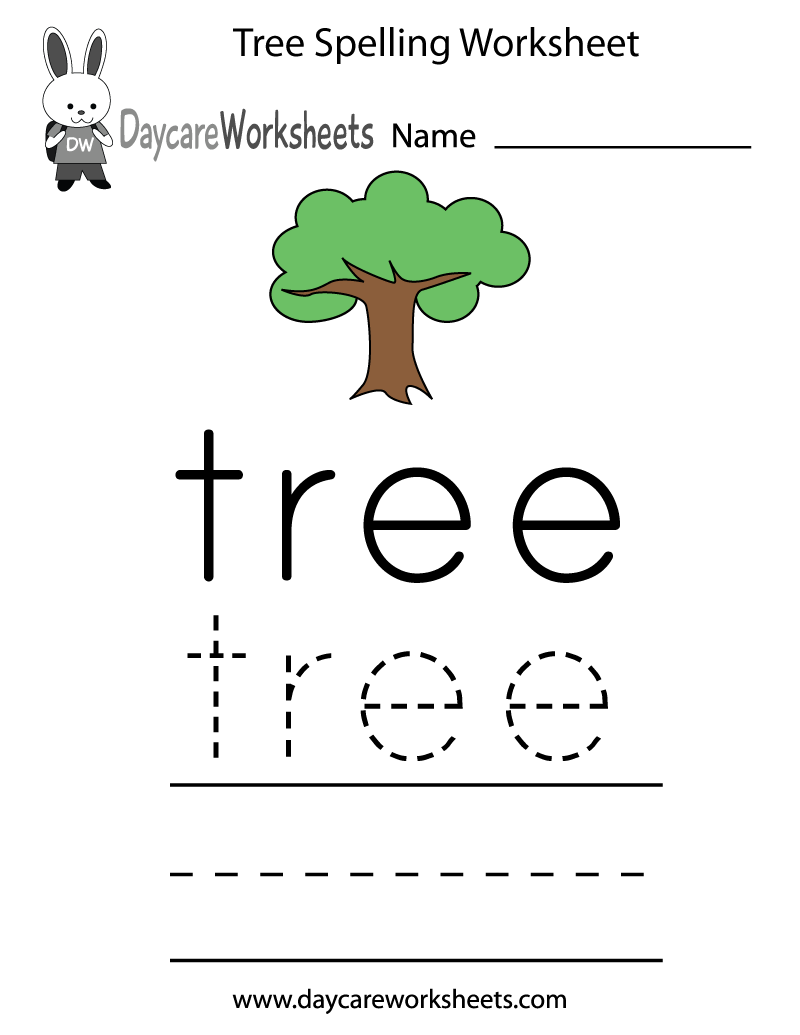
According to the American Occupational Therapy Association, foundational fine motor control and bilateral hand coordination are essential prerequisites for functional academic tasks like handwriting. Children often recognize letters and symbols long before their developing intrinsic hand muscles possess the endurance and dexterity required to form them on paper. This developmental gap frequently leads to early frustration if adults push directly into rigid letter formation too soon. Bridging this gap requires playful, engaging pre-writing experiences that build visual-motor integration without inducing fatigue. The tree tracing lines worksheet preschool resource offers a natural, visually engaging pathway to strengthen hand muscles while teaching directional control.
💡 Educational Key Takeaways:
- Core Skill: Structured Tree Tracing Lines Worksheet Preschool focused on developing pencil grip, stroke control, and early literacy/math confidence.
- Target Scope: Suited for homeschoolers, preschool, kindergarten, and elementary learners.
- Best Recommendation: Practice 10–15 minutes daily with ergonomic writing tools to reinforce muscle memory without hand fatigue.
What This Worksheet Covers
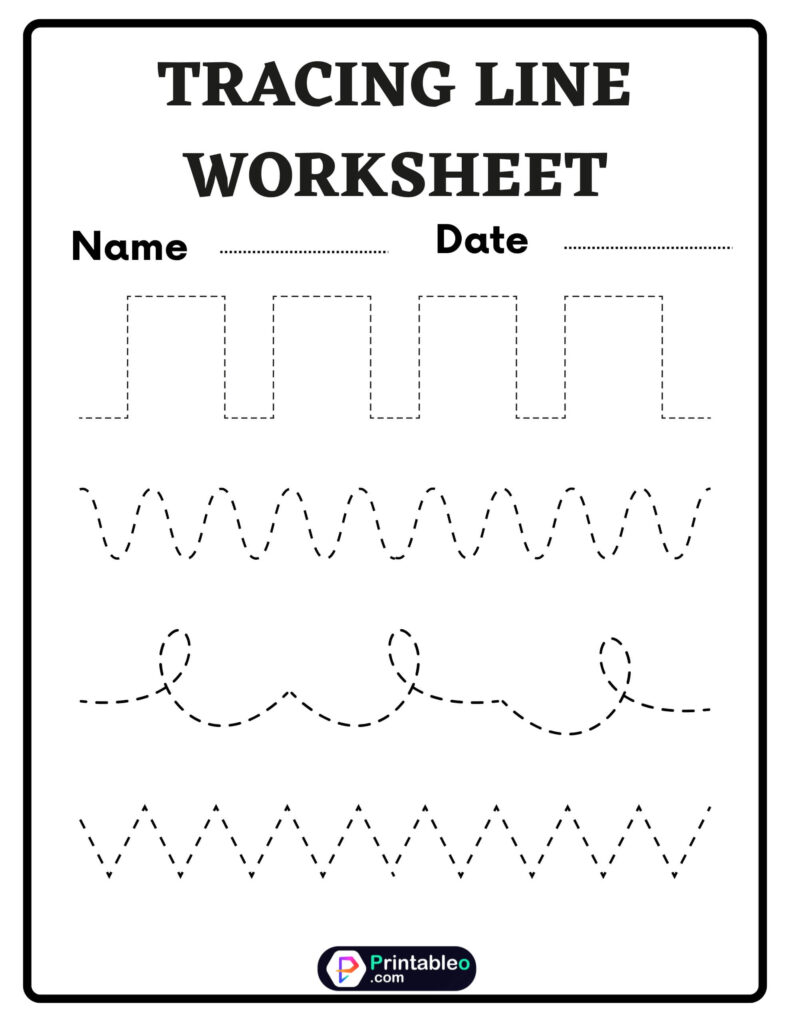
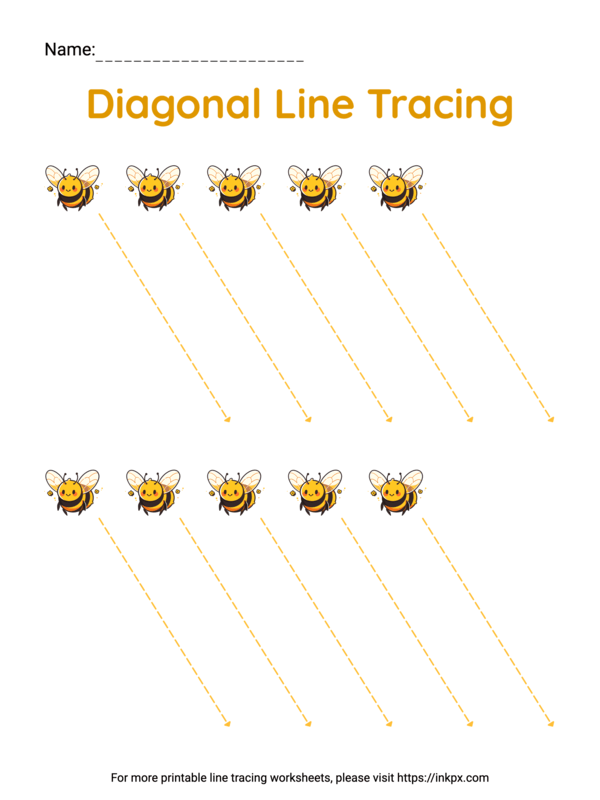
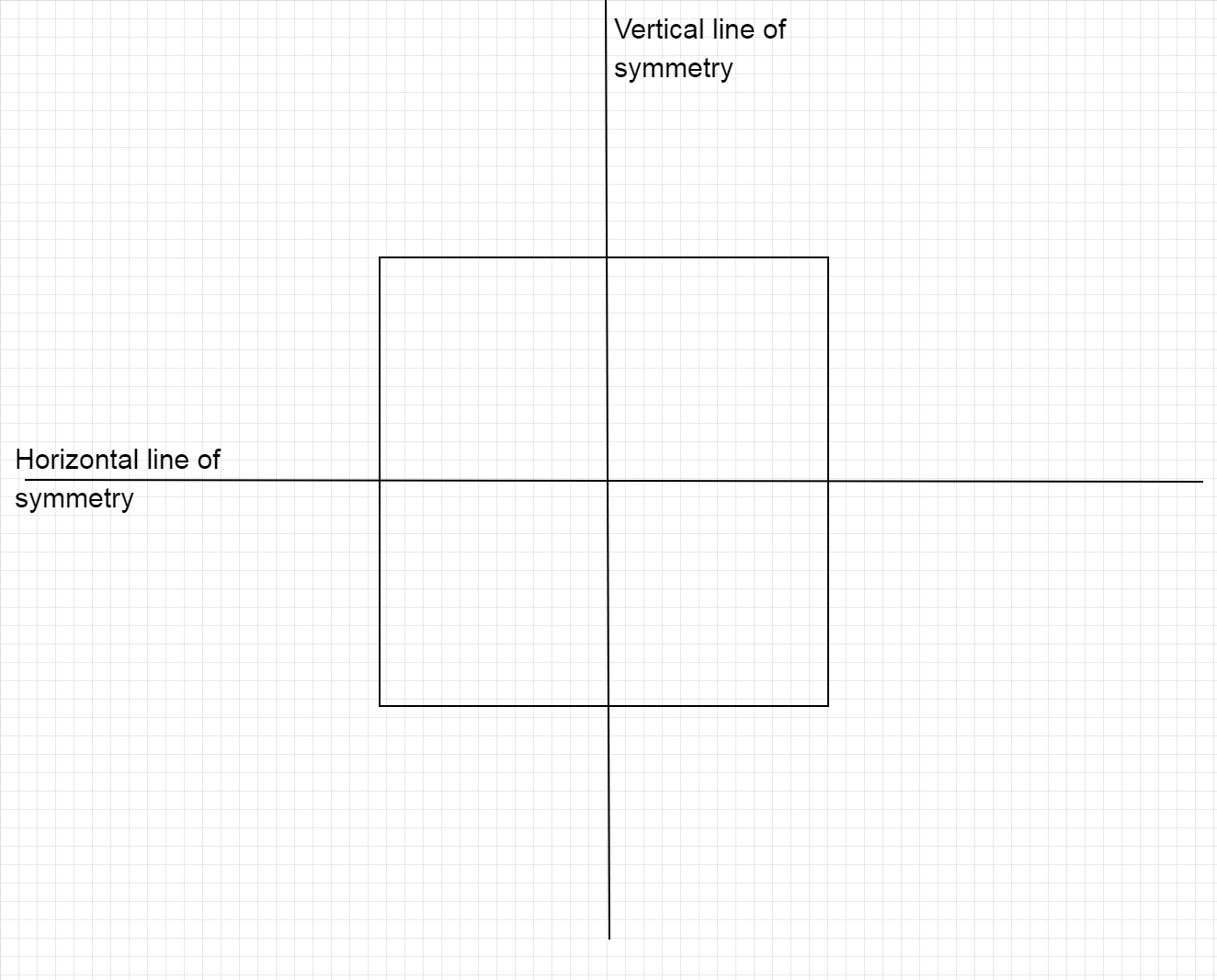
Tree-themed tracing sheets provide structured practice by transforming abstract lines into relatable natural elements like falling leaves, winding roots, and branching canopy paths. Learners encounter a variety of fundamental strokes, including horizontal, vertical, diagonal, zigzag, and looping paths. These geometric configurations mimic the exact visual-motor trajectories needed later for uppercase and lowercase alphabet mastery. Instead of staring at a blank page, children follow pathways that guide the hand from left to right, naturally reinforcing directional habits crucial for future reading and writing fluency. It sounds simple, and that’s the point: reducing visual clutter allows the brain to focus entirely on pencil control and fluid movement. For more related activities, check out our Square Shape Horizontal Vertical Lines.
Key Learning Outcomes
Working consistently with these themed tracing pathways yields measurable developmental gains across multiple domains. Visual-motor integration improves as the eyes guide the hand to stay precisely within narrow, dotted boundaries. Hand-eye coordination deepens organically when learners visually anticipate upcoming curves and adjust their pencil pressure accordingly. Intrinsic hand strength increases due to the sustained tripod or quadripod grasp required to execute smooth, continuous lines from top to bottom. Bilateral coordination also gets a subtle workout as the non-dominant hand stabilizes the paper while the dominant hand executes the tracing stroke. Finally, spatial awareness blossoms as children learn to respect boundaries, understand spatial orientation, and judge the distance between starting and ending points on the page.
How to Use This Worksheet
Maximizing the benefits of any tracing sheet starts with understanding that posture and material selection matter just as much as the activity itself. Placing the paper on a flat, stable surface ensures the child maintains an upright posture with feet flat on the floor, which stabilizes the core and frees the shoulder and arm for fluid movement. Writing tools should be chosen intentionally based on current developmental stages; short, broken crayons or golf pencils naturally encourage a functional grasp by preventing over-extension of the fingers. Adults can introduce the page as a storytelling adventure, inviting the child to help a squirrel find its way up the tree trunk or catch falling leaves along a curved path.
Practical Tips for Parents and Teachers
Scaffolding the experience properly prevents discouragement and builds lasting confidence in young learners. Adults should model correct pencil grip proactively, sitting beside the child and demonstrating how the thumb and index finger pinch the tool while it rests comfortably on the middle finger. For children who struggle with pencil control initially, tracing over thick marker lines with a finger before introducing a pencil provides valuable tactile feedback. Teachers and caregivers can easily scaffold the difficulty by sliding the worksheet inside a dry-erase pocket sleeve, allowing children to practice the same strokes multiple times without the permanence and pressure of traditional paper. When fatigue sets in, which often happens within just a few minutes for toddlers and preschoolers, gently pausing the activity preserves a positive emotional association with writing.
Age-Appropriate Recommendations
Developmental readiness dictates how children interact with tracing activities across the early childhood span. According to the National Association for the Education of Young Children (NAEYC) guidelines on developmentally appropriate practice, children ages two to four benefit most from large, continuous vertical and horizontal lines that utilize shoulder and elbow movements rather than isolated finger control. During this stage, thick crayons and finger-tracing on textured surfaces build the necessary gross motor foundation. As children transition into the five-to-eight age bracket, expectations shift toward refined wrist and finger movements, aligning with formal handwriting expectations found in foundational educational standards. At this older stage, children should focus on maintaining control through complex zigzags and loops, which directly support fluid cursive and print letter formation.
Foundational fine motor control and bilateral coordination are essential prerequisites for functional academic tasks like handwriting. — American Occupational Therapy Association (AOTA)
Frequently Asked Questions
Navigating early writing development brings up many practical questions for educators and families alike. Clear, direct answers help streamline the integration of pre-writing materials into daily routines.
Pre-writing tracing exercises build the finger strength, visual-motor integration, and spatial awareness required for legible handwriting.
Explore More Free Printable Tracing Worksheets
Supporting a child through the various stages of fine motor and literacy development requires a diverse array of engaging practice materials. Beyond seasonal and thematic activities, young learners often thrive when exploring targeted skill sets tailored to their exact developmental milestones. Caregivers and educators can browse comprehensive, organized categories to find additional resources, including Shape and Line Tracing pages for foundational stroke control, Fine Motor and Pre-Writing Skills exercises to build hand strength, and Alphabet And Numbers Tracing sheets for early symbol formation. Discover even more supportive tools and themed printables by visiting the complete collection at KidTraces.com to help every child build lifelong writing confidence.
Developmental Milestone & Activity Table
| Development Stage | Recommended Daily Duration | Primary Learning Objective |
|---|---|---|
| Preschool & Pre-K | 10 – 15 Minutes | Pencil grip development & basic pre-stroke lines |
| Kindergarten | 15 – 20 Minutes | Letter/number formation & spatial line awareness |
| Early Elementary (Grade 1–2) | 20 – 30 Minutes | Fluency, sentence construction & neatness |
Images References