Introduction
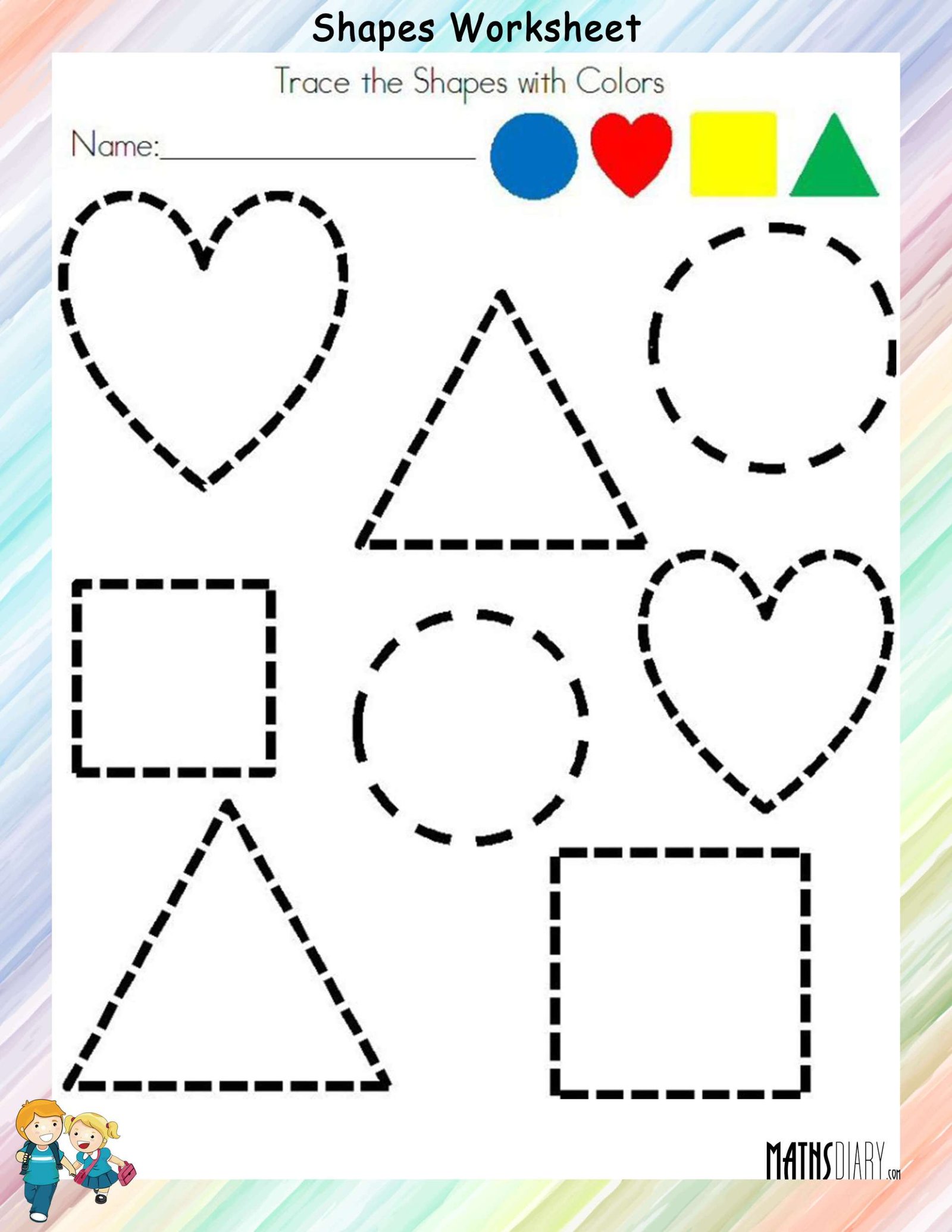
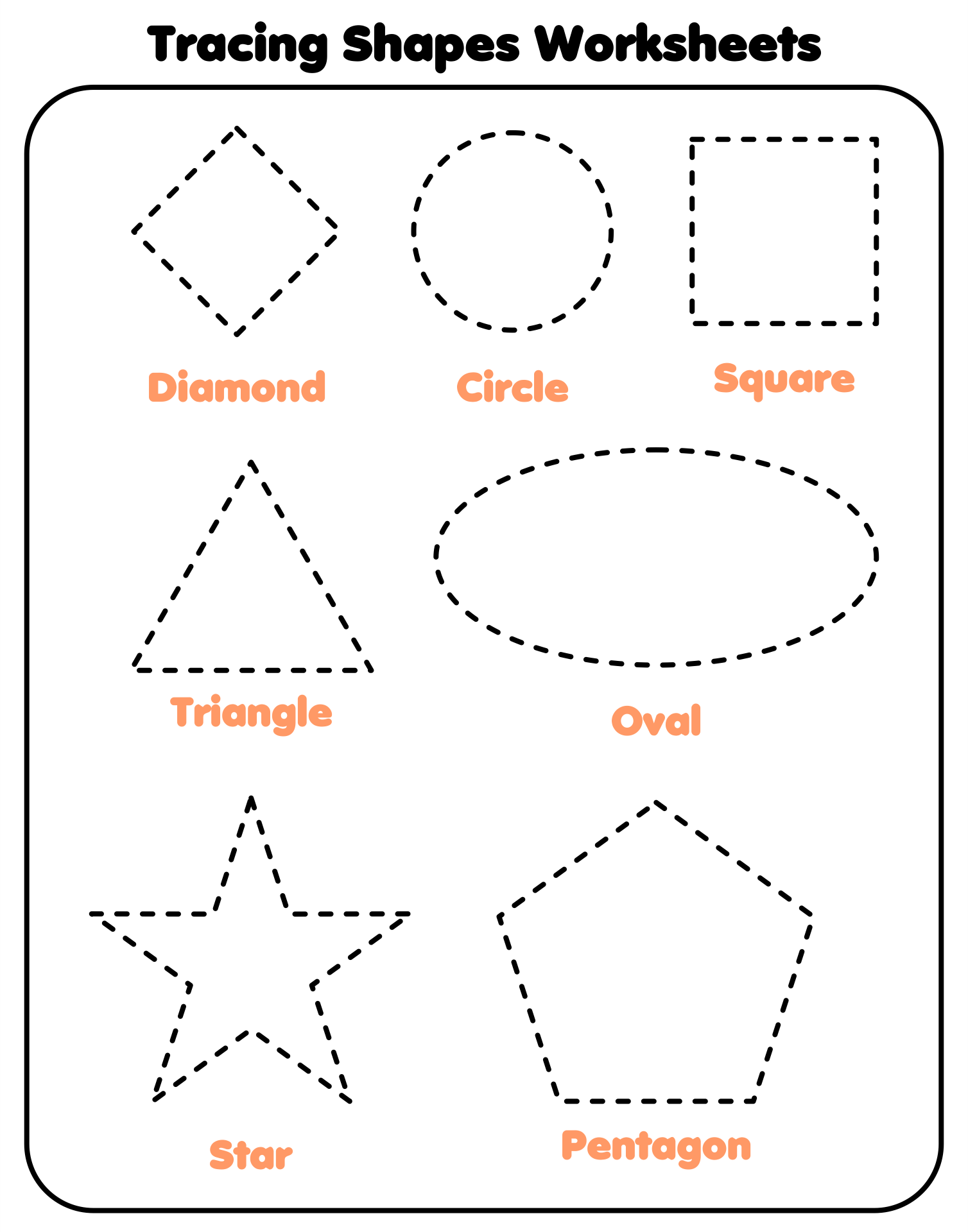
Many children recognize letters, numbers, and geometric forms long before their small hand muscles possess the endurance or dexterity to form them on paper. According to the American Occupational Therapy Association, foundational fine motor control and visual-motor integration are essential precursors to functional handwriting and academic success. Often, adults rush straight to paper and pencil, bypassing the crucial sensory and spatial exploration required for pencil control. This tension between cognitive readiness and physical ability highlights the need for developmentally appropriate tools. The free printable tracing shapes for toddlers bridges that gap by offering a playful, low-pressure entry point into pre-writing strokes.
💡 Educational Key Takeaways:
- Core Skill: Structured Tracing Shapes For Toddlers focused on developing pencil grip, stroke control, and early literacy/math confidence.
- Target Scope: Suited for homeschoolers, preschool, kindergarten, and elementary learners.
- Best Recommendation: Practice 10–15 minutes daily with ergonomic writing tools to reinforce muscle memory without hand fatigue.
What This Worksheet Covers
Shape tracing strips away the complexity of letters and numbers, allowing young learners to focus exclusively on the mechanics of holding a writing utensil and moving it with intention. It sounds simple, and that is the point. Circles, squares, triangles, and vertical or horizontal lines form the visual architecture of the entire writing system. When a toddler learns to pull a crayon down to make a straight line or curves around a closed shape, those exact motions translate directly into future letter formation. Practicing these foundational strokes strengthens the small intrinsic muscles of the hand while building the brain pathways responsible for visual-motor coordination.
Key Learning Outcomes
Working consistently with shape tracing pages fosters spatial awareness, bilateral coordination, and directional tracking from left to right and top to bottom. Children develop a natural understanding of closed versus open contours, which proves vital when transitioning to Shape and Line Tracing practice. Furthermore, these activities enhance visual closure, teaching the brain to perceive a complete shape even when lines are dotted or broken. Hand-eye coordination improves as eyes guide the hand to stay within boundaries, laying the groundwork for neatness and precision later in the educational journey.
How to Use This Worksheet
Success with early tracing printables depends heavily on keeping the experience engaging and physically accessible. Children at this stage often benefit from thick writing instruments like short crayons, chunky colored pencils, or short golf pencils, which naturally encourage a functional grasp rather than a tight, fisted grip. It helps to anchor the paper to the table using painter’s tape so the page does not slide away from unsteady hands. Adults should guide without taking over, perhaps placing a finger nearby as a visual target or encouraging the child to pretend the pencil is a race car driving safely on a designated track.
Practical Tips for Parents and Teachers
Scaffolding makes all the difference when frustration threatens to take over a learning session. If traditional pencils feel too demanding, sliding the worksheet inside a heavy-duty plastic sleeve and using dry-erase markers allows for easy do-overs and reduces paper friction. Modeling the correct starting point with a verbal cue—such as starting at the top and pulling down—anchors the stroke order in memory. For children who tire quickly, pairing these tracing sheets with tactile warm-ups like squeezing clay, drawing in shaving cream, or threading large beads builds the necessary finger strength without taxing pencil stamina.
Age-Appropriate Recommendations
For children ages two to four, the focus remains squarely on vertical lines, horizontal lines, and simple circular motions, aligning with the early development stages outlined in the CDC milestones for fine motor growth. At this stage, perfection matters far less than sustained engagement and willingness to explore the writing surface. As children move into the five-to-eight age bracket, expectations shift toward controlled diagonal lines, intersecting shapes, and smoother transitions into more structured Fine Motor and Pre-Writing Skills. Educators and caregivers can expand the activity for older learners by asking them to copy the shapes freehand on blank paper once the guided tracing feels comfortable.
Visual-motor integration and manipulative dexterity strongly predict academic achievement in early elementary school. — American Occupational Therapy Association
Frequently Asked Questions
Navigating early childhood writing tools raises many practical questions for parents and educators alike. Clear answers help ensure that practice time remains productive, fun, and tailored to the unique developmental pace of each child.
Proficient fine motor control and visual tracking reduce frustration during early literacy instruction. — National Association for the Education of Young Children
Explore More Free Printable Tracing Worksheets
Expanding a child’s pencil control toolkit opens the door to a lifetime of confident writing and creative expression. The full library at KidTraces.com offers a wealth of resources designed to support every step of the learning process. Whether exploring Tracing Worksheets for general practice or diving into thematic units, consistency and encouragement remain the best teachers. Every stroke brings young learners closer to mastery.
Developmental Milestone & Activity Table
| Development Stage | Recommended Daily Duration | Primary Learning Objective |
|---|---|---|
| Preschool & Pre-K | 10 – 15 Minutes | Pencil grip development & basic pre-stroke lines |
| Kindergarten | 15 – 20 Minutes | Letter/number formation & spatial line awareness |
| Early Elementary (Grade 1–2) | 20 – 30 Minutes | Fluency, sentence construction & neatness |
Images References