Introduction
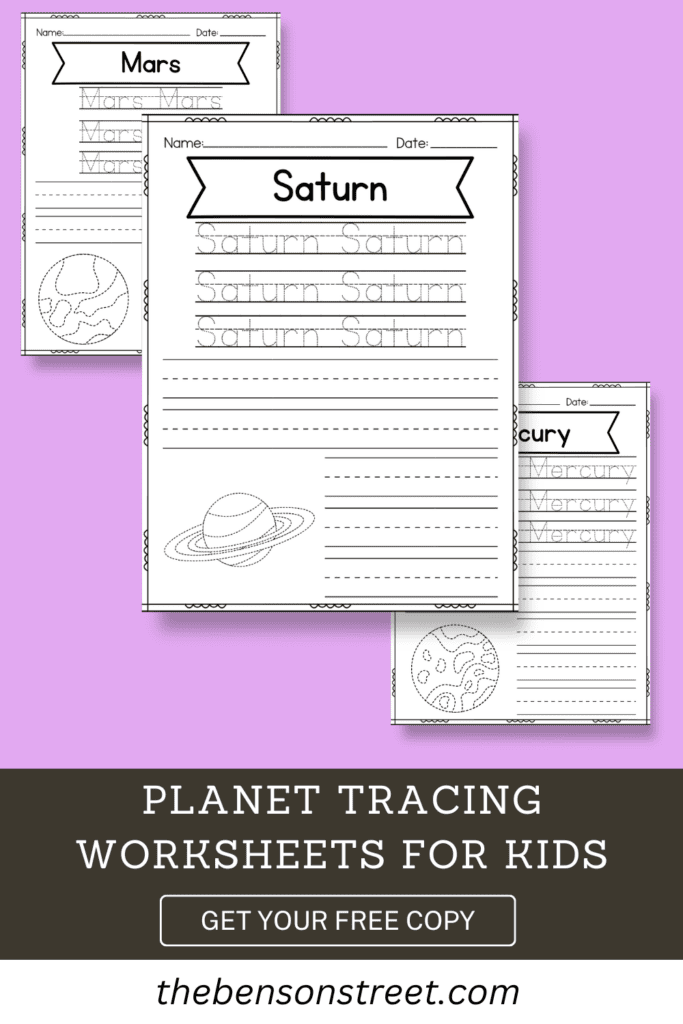
Many children recognize letters, numbers, and celestial concepts long before their fine motor coordination allows them to accurately form those shapes on paper. According to the American Occupational Therapy Association, foundational hand strength and visual-motor integration are critical prerequisites for functional handwriting and classroom success. Bridging the gap between cognitive understanding and physical output requires targeted, engaging practice that builds intrinsic hand muscles without causing frustration. The free printable trace circles planets resource addresses this developmental milestone by combining imaginative outer space themes with essential circular motion control. It sounds simple, and that is the exact point. Circular shapes serve as the bedrock for numerous letters, numbers, and artistic expressions, making planetary tracing an ideal vehicle for early skill acquisition. Here’s what makes this worksheet different: it reframes repetitive shape drills into an interstellar adventure, keeping young learners motivated while building foundational muscle memory in the hands and wrists.
💡 Technical Key Takeaways:
- Core Focus: Diagnostic schematic and terminal connection layout for Trace Circles Planets.
- Target Scope: Field technicians, automotive DIYers, and residential/commercial electricians.
- Safety Rule: Always disconnect the primary power source/battery terminal and verify zero voltage with a multimeter before touching wires.
What This Worksheet Covers
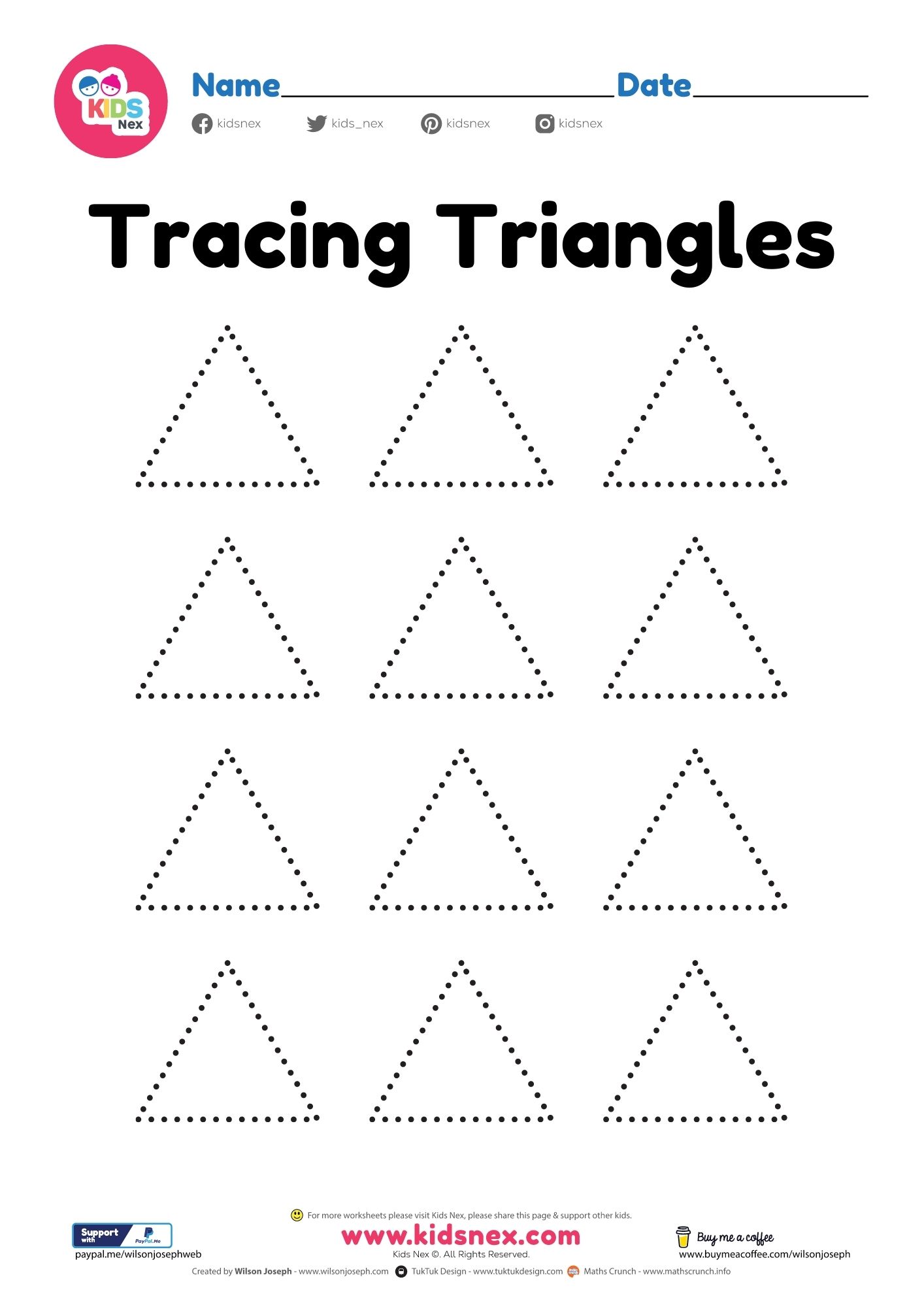
Circular pre-writing strokes demand advanced wrist stability and bilateral coordination compared to standard vertical or horizontal lines. This specific printable focuses on continuous curve control, scaling sizes from small planetary orbits to large celestial bodies. Children guide writing utensils along dotted trajectories, learning to regulate pressure and speed while maintaining visual focus on the page. Furthermore, the layout encourages smooth transitions across the workspace, which supports the visual tracking skills necessary for future reading fluency. Exploring tools within Shape and Line Tracing collections often reveals that curved lines require more sustained attention than straight paths, as the hand must constantly adjust its angle of approach.
Key Learning Outcomes
Working through planetary circle sheets fosters precise motor control as hands learn to close loops smoothly without jagged corners or overlapping strokes. Learners develop sustained bilateral coordination, utilizing a stabilizing hand to hold the paper firmly while the dominant hand executes the circular motion. Spatial awareness expands naturally as children navigate orbits of varying diameters, understanding how objects relate to one another on a flat surface. Additionally, continuous line practice strengthens the intrinsic muscles of the hand, which directly combats early writing fatigue during longer academic tasks. For broader foundational growth, pairing these sheets with resources found under Fine Motor and Pre-Writing Skills ensures children build a comprehensive repertoire of strokes before tackling formal letter formation.
How to Use This Worksheet
Successful execution of planetary tracing begins with a supportive workspace and proper posture, ensuring feet rest flat on the floor and elbows bend at a comfortable ninety-degree angle. Adults can introduce the sheet by discussing the solar system, building excitement before the pencil ever touches the paper. Starting with thick markers or crayons provides immediate visual feedback and requires less finger isolation, which benefits younger children who are still mastering a functional grasp. As confidence grows, learners can transition to standard pencils, colored pencils, or even sensory tracing methods like tracing the lines with a finger dipped in paint or glitter glue. Integrating complementary materials from Seasonal and Fun Themes helps maintain high engagement levels throughout the week.
Practical Tips for Parents and Teachers
Modeling the correct counter-clockwise motion for circular strokes ensures children develop habits that align with standard lowercase letter formation, such as writing the letters c, o, a, and d. Adults should scaffold the activity by physically guiding a hand through the first few orbits, gradually fading assistance until independent execution occurs. It helps to encourage a dynamic tripod grasp, though vertical surface work on easels or clipboards attached to walls can also activate essential wrist extension. Observing the child closely provides insight into whether the pencil grip is too tight or if hand fatigue is setting in, signaling a necessary break. Pacing the activity prevents burnout, turning a short daily tracing session into a positive, low-stress habit.
Age-Appropriate Recommendations
According to the National Association for the Education of Young Children Developmentally Appropriate Practice, children aged two to four benefit most from large-scale pre-writing movements that engage the entire arm and shoulder girdle. For toddlers and preschoolers, printing these sheets at an enlarged scale or slipping them into dry-erase pouches allows for risk-free experimentation with thick dry-erase markers. Children aged five to eight, operating within early elementary educational frameworks, can refine their precision by utilizing standard writing utensils on smaller planetary scales. At this stage, focusing on starting points, directionality, and smooth continuous lines prepares students for complex handwriting demands across the curriculum.
Foundational hand strength and visual-motor integration are critical prerequisites for functional handwriting and academic participation. — American Occupational Therapy Association (AOTA)
Frequently Asked Questions
Clear guidance on implementation helps educators and caregivers maximize the benefits of these printable resources.
Explore More Free Printable Tracing Worksheets
Expanding a child’s early literacy and motor skill toolset requires access to a diverse library of practice materials. The complete collection available at KidTraces.com offers hundreds of engaging options designed to support every stage of early childhood development. From targeted practice sheets found via Tracing Worksheets to specialized activities, every educator and parent can find tools tailored to specific learning goals. Consistent, enjoyable practice remains the most effective pathway to lifelong academic confidence.
Quick Wiring Specifications & Terminal Guide
| Component / Circuit | Standard Wire Gauge | Recommended Protection |
|---|---|---|
| Control & Trigger Signals | 18 – 20 AWG | 5A – 7.5A Inline Fuse |
| Standard Auxiliary Load | 14 – 16 AWG | 15A – 20A Circuit Breaker |
| Main Power Feed / Supply | 10 – 12 AWG | 30A – 40A Heavy-Duty Relay |
Images References