Introduction
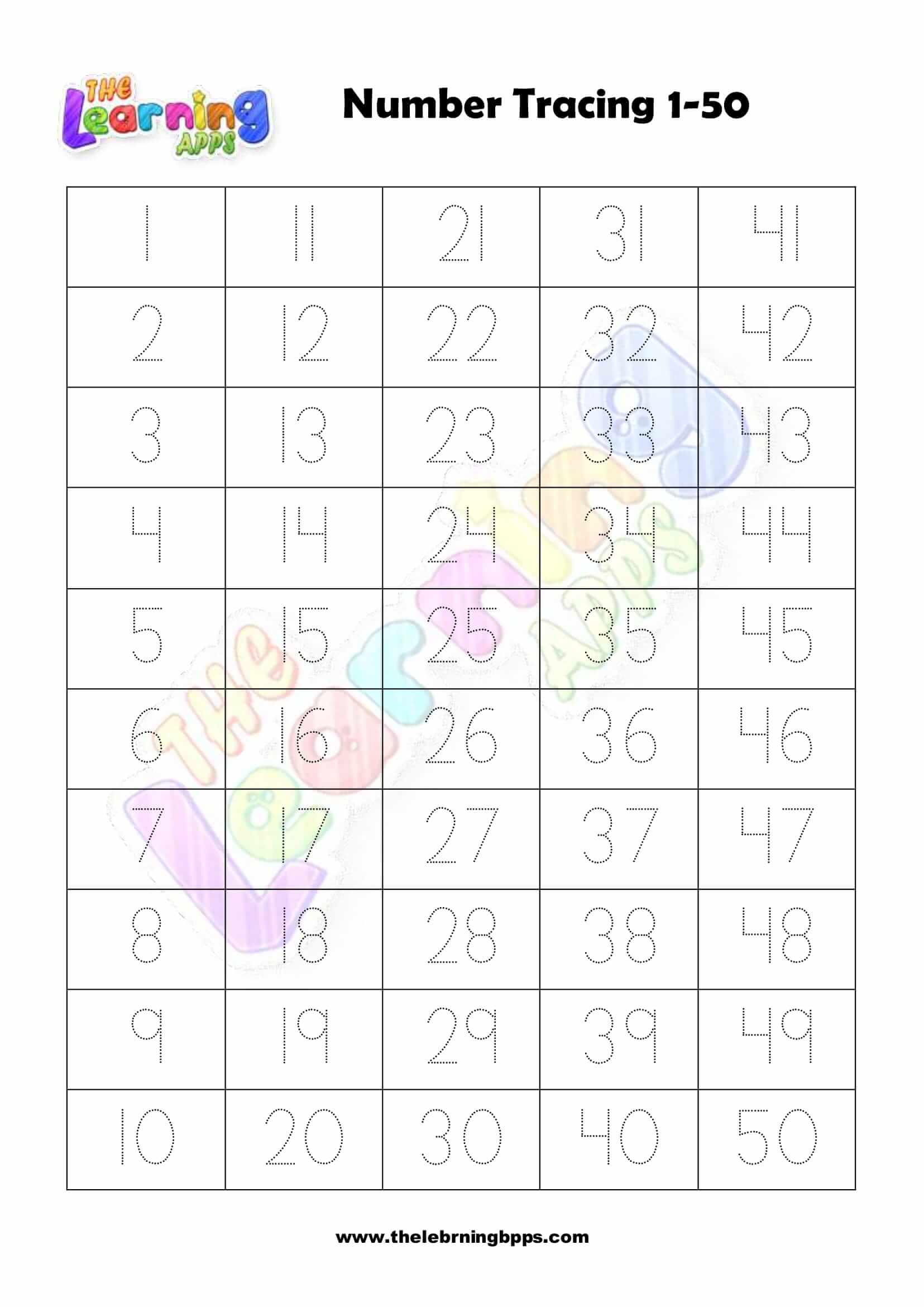
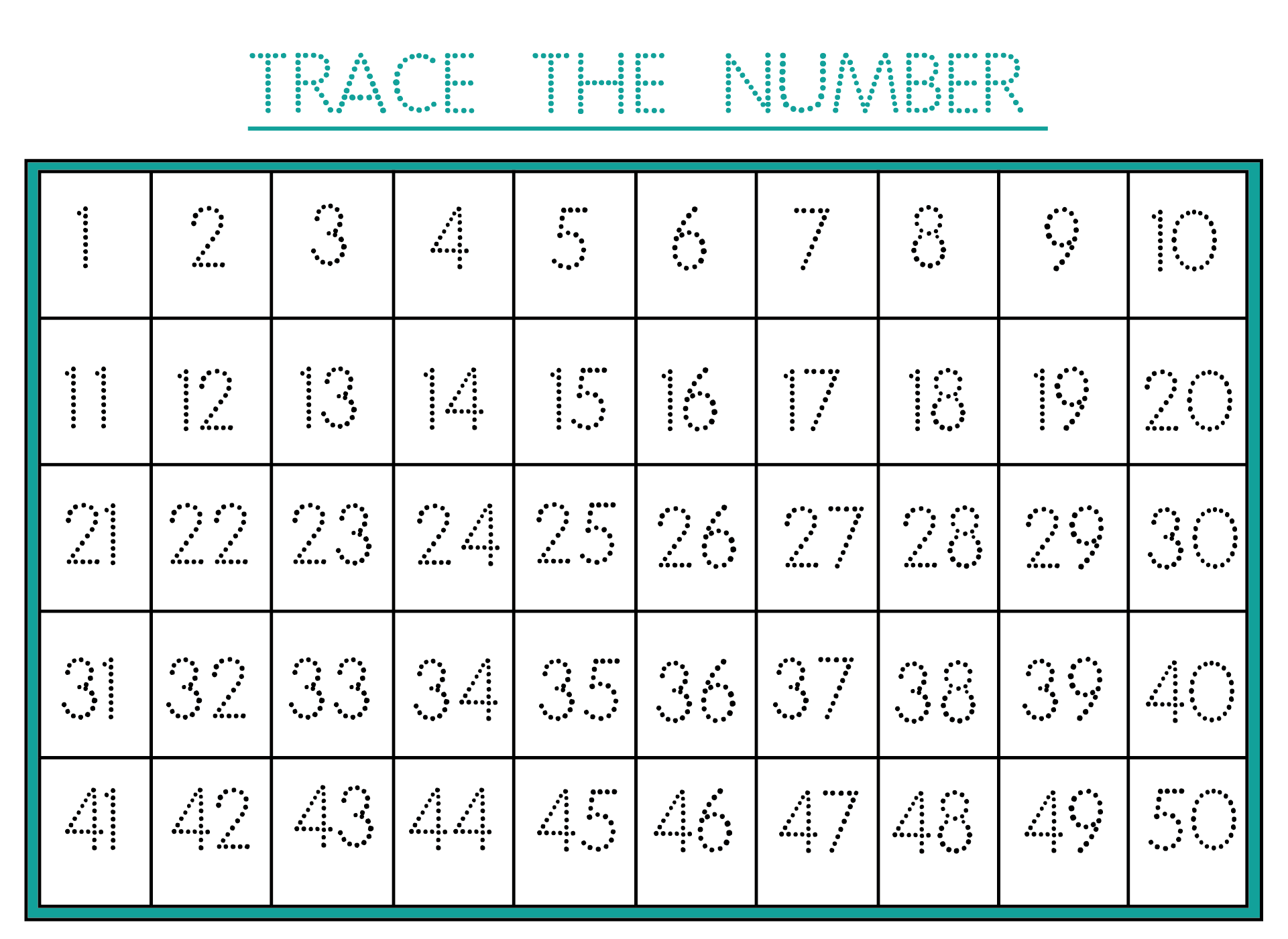
Many children recognize numerals and letters long before their fine motor coordination and hand strength are truly ready to form them on paper. According to the American Occupational Therapy Association, foundational fine motor control and bilateral coordination are critical precursors to functional handwriting and academic success in early childhood. Bridging the gap between cognitive number recognition and physical pencil control requires structured, repeatable practice that respects developmental timelines. The free number tracing 1 50 printable serves as an invaluable tool for guiding young learners through this exact transition. It sounds simple, and that is precisely the point. By breaking down complex numerical forms into manageable, dotted strokes, children build muscle memory without the overwhelming frustration of starting on blank paper.
💡 Educational Key Takeaways:
- Core Skill: Structured Number Tracing 1 50 Printable focused on developing pencil grip, stroke control, and early literacy/math confidence.
- Target Scope: Suited for homeschoolers, preschool, kindergarten, and elementary learners.
- Best Recommendation: Practice 10–15 minutes daily with ergonomic writing tools to reinforce muscle memory without hand fatigue.
What This Worksheet Covers
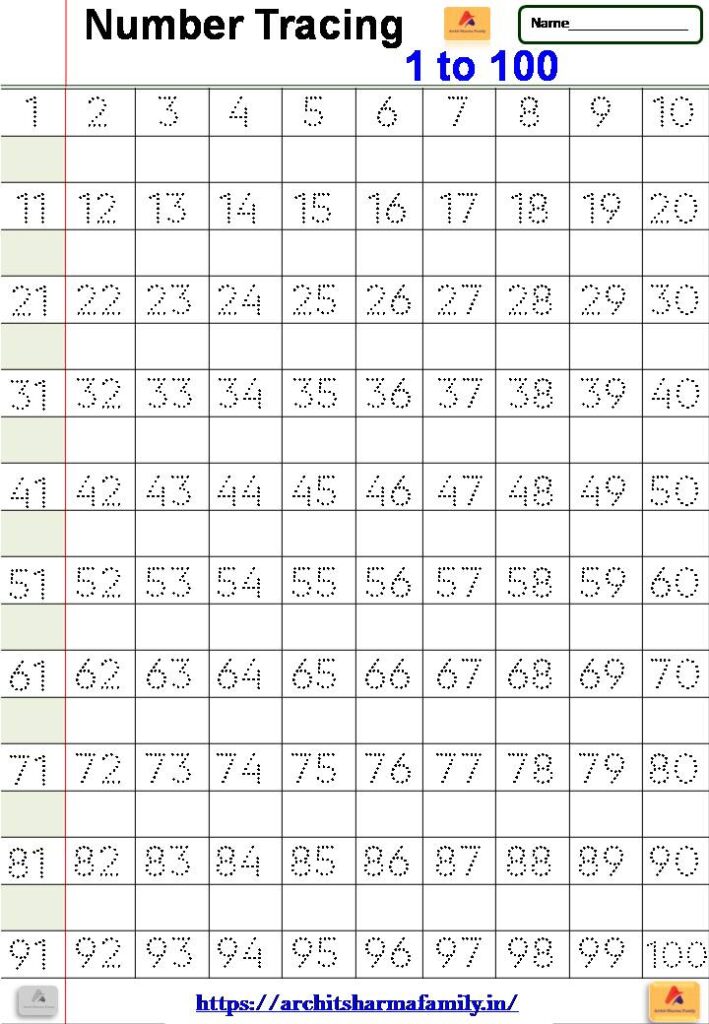
Mastering numerals requires systematic progression rather than rushed memorization. The number tracing 1 50 printable provides a comprehensive, sequential pathway from foundational single-digit numerals all the way through two-digit numbers up to fifty. Each page offers structured rows where visual cues guide the hand from left to right, mirroring the visual scanning patterns required for early literacy and math fluency. Children encounter clear starting points and directional arrows that demystify how a curve, loop, or straight line transforms into a recognizable number. This builds a strong foundation for future mathematical operations, spatial organization, and overall confidence in the classroom environment. Exploring these mechanics can also be paired with broader Tracing Number exercises to reinforce directional habits.
Key Learning Outcomes
Engaging with structured numeral tracing yields multiple developmental benefits that extend far beyond simple handwriting compliance. Children systematically refine their visual-motor integration by matching hand movements to visual boundaries on the page. Pencil control and stroke precision improve organically as little fingers navigate vertical lines, sharp angles, and continuous curves. Furthermore, learners internalize correct number formation habits, preventing the formation of awkward pencil grips or upside-down numeral habits that are notoriously difficult to correct later. This structured repetition also reinforces place value concepts and counting sequence recognition simultaneously, merging early math standards with physical literacy in a seamless, low-stress activity format.
How to Use This Worksheet
Successful implementation relies on creating an environment that prioritizes quality over speed. Adults often hand a child a pencil and expect an entire page to be completed in one sitting, but fatigue sets in quickly for developing hand muscles. Instead, divide the number tracing 1 50 printable into small, digestible chunks of five or ten numbers per session. Lamination and dry-erase markers can transform a single worksheet into a reusable sensory station, reducing performance anxiety because mistakes wipe away instantly. Pairing these sheets with tactile elements, such as forming the numbers in a shallow tray of sand or salt prior to putting pencil to paper, helps anchor the motor plan in the child’s nervous system. Additional tactile experiences can be found across various Fine Motor and Pre-Writing Skills resources.
Practical Tips for Parents and Teachers
Observe how the child grasps the writing utensil before letting tracing begin. A functional tripod grasp allows for smooth finger movements, whereas a tight, fist-like grip causes rapid hand fatigue and limits control. Model the correct starting point verbally and physically by pointing to the exact dot where the pencil tip must land. Scaffold the experience by physically guiding the child’s hand through the first two or three traces, gradually fading support until independent execution takes over. Celebrate small victories, such as a beautifully formed loop on the number six or a straight vertical spine on the number one, rather than focusing solely on completing the entire page.
Age-Appropriate Expectations
According to the National Association for the Education of Young Children (NAEYC) developmentally appropriate practice guidelines, children aged three to four typically explore pre-writing strokes and basic closed shapes, while older kindergarten and early elementary students aged five to eight develop the refined hand strength and spatial awareness required for consistent, scaled numeral formation up to fifty. Younger children benefit immensely from larger tracing formats, whereas older children using the number tracing 1 50 printable can handle tighter grid lines and smaller font scaling. Meeting children at their exact developmental stage prevents burnout and fosters genuine enthusiasm for writing tasks.
Foundational fine motor control and bilateral coordination are critical precursors to functional handwriting and academic success in early childhood. — American Occupational Therapy Association (AOTA)
Frequently Asked Questions
Navigating early childhood writing tools often brings up common questions regarding execution, developmental timing, and access. Clear, direct answers help caregivers and educators maximize the effectiveness of daily learning routines.
Explore More Free Printable Tracing Worksheets
Supporting a child’s early literacy and numeracy journey requires a diverse toolkit of engaging, developmentally sound resources. Beyond numerical practice, children benefit greatly from exploring letter formation, seasonal motifs, and line control exercises. The full library at KidTraces.com offers an extensive collection of materials designed to make learning fun and accessible for every developmental stage. For targeted practice, educators and parents can easily access related categories such as Tracing Worksheets and Alphabet And Numbers Tracing to keep young learners motivated, challenged, and inspired day after day.
Developmental Milestone & Activity Table
| Development Stage | Recommended Daily Duration | Primary Learning Objective |
|---|---|---|
| Preschool & Pre-K | 10 – 15 Minutes | Pencil grip development & basic pre-stroke lines |
| Kindergarten | 15 – 20 Minutes | Letter/number formation & spatial line awareness |
| Early Elementary (Grade 1–2) | 20 – 30 Minutes | Fluency, sentence construction & neatness |
Images References