Introduction
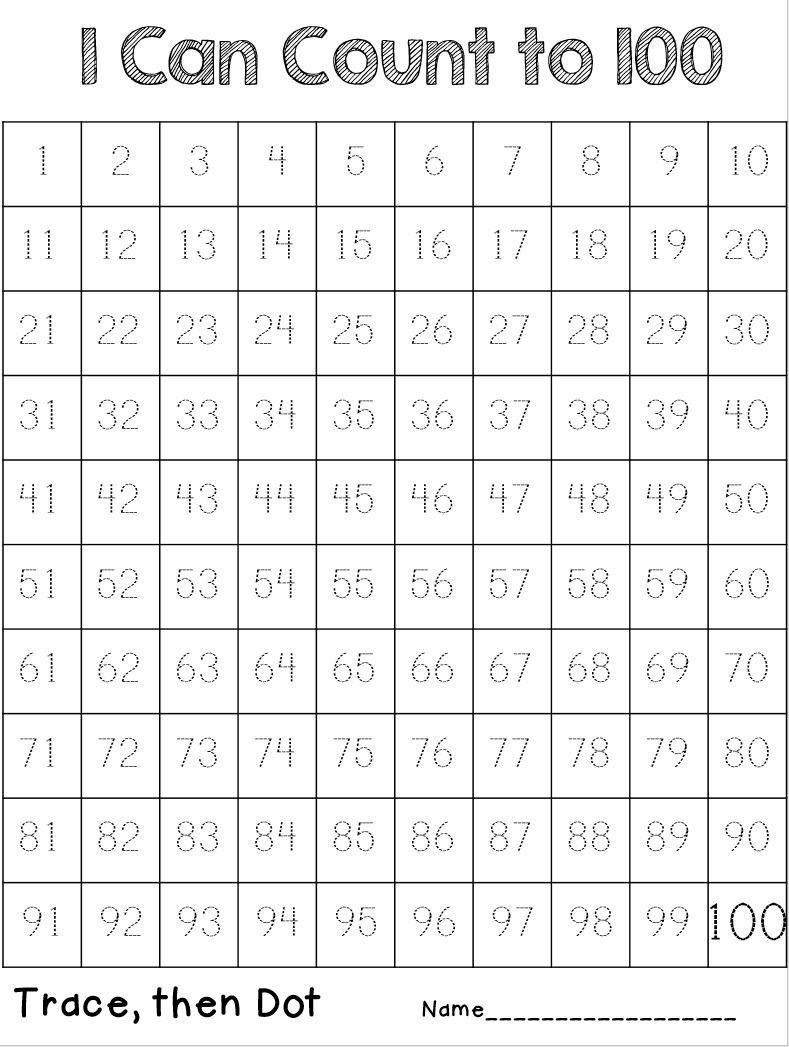
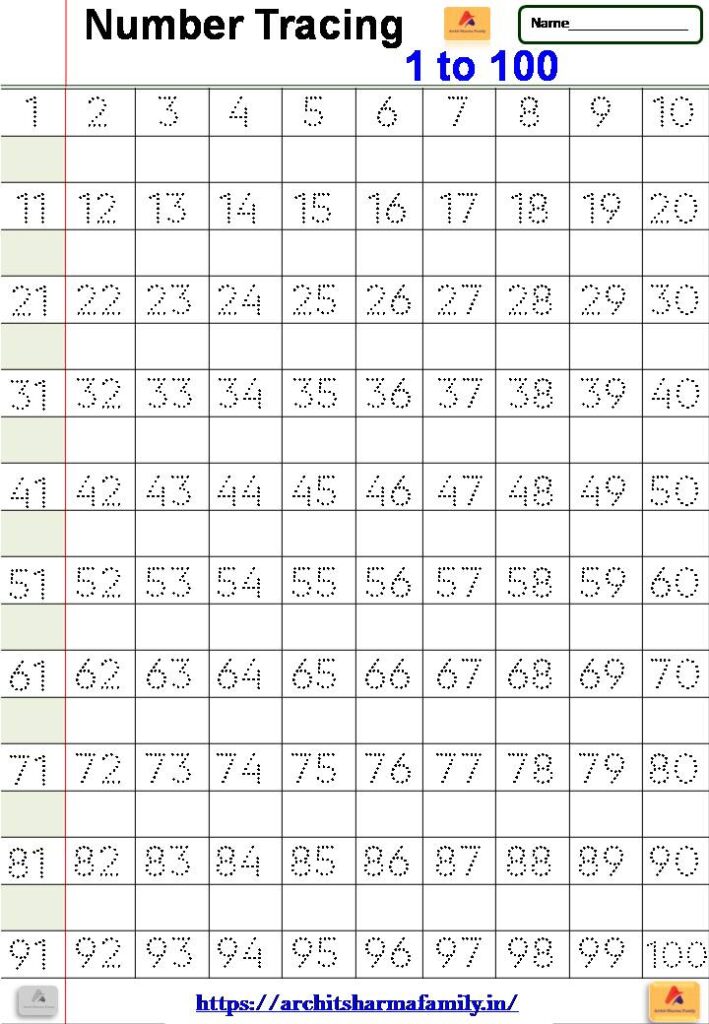
Watch a group of young children eager to count, and notice how quickly verbal counting outstrips the physical ability to write those numbers down on paper. According to the American Occupational Therapy Association, foundational fine motor control and bilateral hand coordination are essential prerequisites for functional handwriting tasks in early childhood. Many children recognize numerals long before their developing hand muscles possess the endurance or dexterity to form crisp digits. That gap between cognitive understanding and physical execution often leads to frustration during early math and writing lessons. Providing structured, repetitive pathways helps bridge that divide safely and effectively. Using a trace numbers 1 100 printable offers children the guided practice necessary to build muscle memory, spatial awareness, and confidence across an expanded numerical range.
💡 Technical Key Takeaways:
- Core Focus: Diagnostic schematic and terminal connection layout for Trace Numbers 1 100 Printable.
- Target Scope: Field technicians, automotive DIYers, and residential/commercial electricians.
- Safety Rule: Always disconnect the primary power source/battery terminal and verify zero voltage with a multimeter before touching wires.
What This Worksheet Covers
Comprehensive numeral tracing resources take young learners far beyond the basic single-digit numbers typically introduced in preschool classrooms. Children encounter structured rows and grids that systematically progress from the foundational digits up to the milestone of one hundred. Each numeral features directional arrows, starting dots, and distinct stroke orders designed to prevent bad habits like bottom-up writing or inefficient pencil grasps. It sounds simple, and that’s the point. By breaking down complex shapes like the curves of an eight or the intersecting lines of a four into predictable movements, learners develop a steady hand. Mastery of these strokes supports broader mathematical fluency while simultaneously refining the intricate movements required for clear handwriting.
Key Learning Outcomes
Working through these progressive numerical exercises yields multiple developmental milestones. Learners internalize proper stroke sequence, ensuring each number is formed with efficiency and fluid motion. Spatial orientation improves dramatically as children navigate grid lines, boxes, and varying row lengths, learning to keep their digits properly proportioned and aligned. Hand-eye coordination sharpens with every repeated pencil stroke, allowing small fingers to make precise corrections in real time. Furthermore, consistent practice strengthens intrinsic hand muscles, paving the way for sustained writing stamina during longer academic tasks found within the Tracing Number section.
How to Use This Worksheet
Success with large numerical tracing sets depends entirely on pacing and positive reinforcement rather than rushing through every page in a single sitting. Adults often make the mistake of assigning too many rows at once, which quickly fatigues small hand muscles and causes grip deterioration. Instead, break the pages into manageable daily chunks, focusing on a single decade or twenty numbers per session. Encourage learners to trace with a finger first to internalize the physical motion before introducing a writing utensil. Pairing these sheets with tactile experiences, such as forming numbers in salt trays or molding clay into digit shapes, reinforces the visual patterns found on the paper.
Practical Tips for Parents and Teachers
Here is what makes this worksheet different: it adapts to multiple skill levels through intentional scaffolding and varied implementation strategies. Begin by modeling correct pencil grip explicitly, ensuring fingers rest softly around the barrel without excessive pressure that causes hand cramping. Observe the child’s posture, checking that feet rest flat on the floor and paper is angled appropriately to match the natural arc of the writing hand. When fatigue sets in, transition to thicker crayons or short pencils, which naturally encourage a functional tripod grasp by limiting the space available for improper finger wrapping. Celebrate incremental progress, focusing on steady line control rather than perfection on every single digit.
Age-Appropriate Recommendations
Tailoring tracing activities to developmental readiness ensures children remain engaged without becoming overwhelmed by expectations. According to the National Association for the Education of Young Children guidelines on developmentally appropriate practice, children aged two to four benefit most from large-scale pre-writing lines, gross motor tracking, and early numeral recognition through playful exploration. For older children aged five to eight, structured numeral formation becomes paramount as they align with academic expectations like Kindergarten and first-grade math standards. During these early elementary years, utilizing resources from the Tracing Worksheets collection helps solidify number sense alongside fine motor endurance.
According to the Centers for Disease Control and Prevention developmental milestones, children typically develop the hand-eye coordination needed to copy simple shapes and basic numbers between the ages of three and five. — CDC
Frequently Asked Questions
Clear answers to common questions help caregivers maximize the benefits of these printable tracing resources at home and in the classroom environment.
Explore More Free Printable Tracing Worksheets
Expanding a child’s skill set requires a diverse library of engaging resources tailored to every stage of fine motor development. Beyond numerical practice, learners thrive when exploring diverse pencil control exercises that maintain high interest and motivation. Caregivers and educators can discover a vast array of complimentary resources by exploring the complete library available at KidTraces.com. Whether transitioning into letter formation through Dotted Letters For Tracing or building fundamental hand strength using Fine Motor and Pre-Writing Skills, consistent practice builds confident, capable young writers ready for academic success.
Quick Wiring Specifications & Terminal Guide
| Component / Circuit | Standard Wire Gauge | Recommended Protection |
|---|---|---|
| Control & Trigger Signals | 18 – 20 AWG | 5A – 7.5A Inline Fuse |
| Standard Auxiliary Load | 14 – 16 AWG | 15A – 20A Circuit Breaker |
| Main Power Feed / Supply | 10 – 12 AWG | 30A – 40A Heavy-Duty Relay |
Images References