Introduction
Many young children recognize numerals long before their developing hand muscles possess the endurance and dexterity required to form them on paper. According to the National Association for the Education of Young Children (NAEYC), developmentally appropriate practice relies on offering hands-on, meaningful experiences that bridge cognitive understanding with physical execution. This gap between seeing a number and writing it smoothly creates a unique challenge in early childhood classrooms and home-learning environments. Supporting this critical transition requires targeted resources that break complex sequences into manageable chunks. The number 81 to 90 tracing worksheet provides a structured bridge for learners mastering double-digit numerals, combining visual recognition with essential pencil control practice. It sounds simple, and that is the exact point. Focused numeral tracing helps children internalize the specific directional strokes needed to form numbers accurately without the frustration of blank pages.
💡 Educational Key Takeaways:
- Core Skill: Structured Number 81 To 90 Tracing Worksheet focused on developing pencil grip, stroke control, and early literacy/math confidence.
- Target Scope: Suited for homeschoolers, preschool, kindergarten, and elementary learners.
- Best Recommendation: Practice 10–15 minutes daily with ergonomic writing tools to reinforce muscle memory without hand fatigue.
What This Worksheet Covers
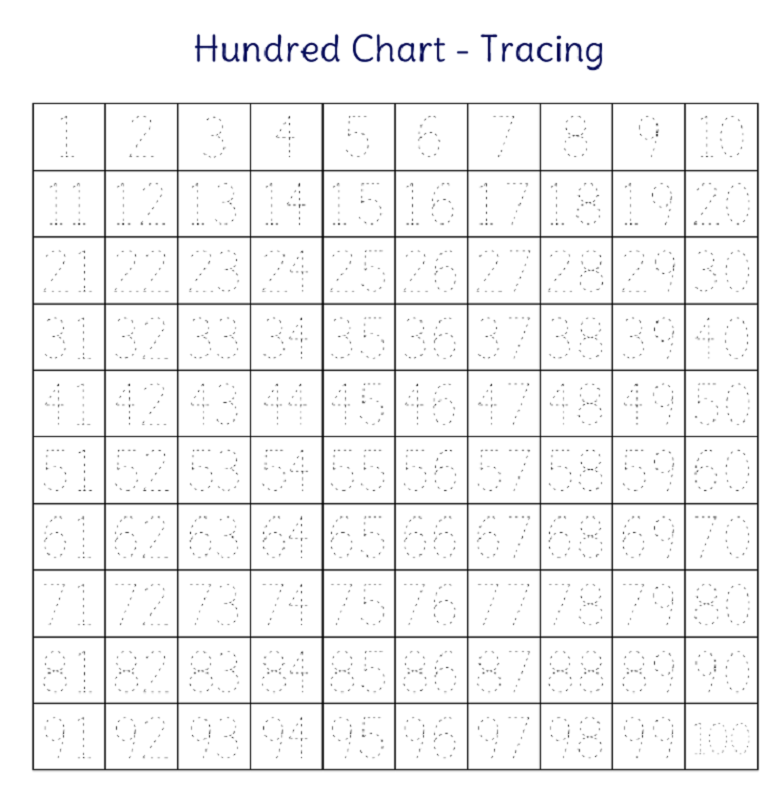
Mastering numbers in the eighties requires a strong grasp of foundational digit formations, specifically combining the straight-line stroke of the numeral one with the continuous curves of the eight and the loop-and-line structure of the zero. This printable resource guides children sequentially through numerals eighty-one through ninety, ensuring repeated practice with spacing, sizing, and alignment. Consistent exposure to these specific formations strengthens the neural pathways dedicated to automatic handwriting. Furthermore, progressing through ten sequential numbers reinforces place value concepts, linking early mathematics directly to early literacy and symbol recognition. Teachers often observe that children who struggle with the transition into the eighties benefit immensely from dedicated stroke-order guides embedded within these pages. Tracing Number resources offer targeted support specifically designed to build this kind of sequential numerical confidence.
Key Learning Outcomes
Engaging consistently with structured numeral sheets yields measurable improvements in fine motor control and visual-spatial awareness. Learners rapidly develop proper stroke directionality, starting at the correct visual anchor points rather than drawing numbers from the bottom up. Hand-eye coordination improves significantly as little fingers learn to guide pencils steadily along dotted paths. Additionally, children cultivate pencil pressure regulation, transitioning away from heavy, fatiguing grips toward a lighter, more fluid touch. As confidence grows, learners transfer these precise motor patterns to broader mathematical tasks, reducing cognitive load when solving multi-digit equations. Exploring tools found within Alphabet And Numbers Tracing collections helps reinforce these exact developmental gains across both letters and numbers.
How to Use This Worksheet
Maximizing the effectiveness of any handwriting activity begins with establishing a calm, inviting environment and ensuring proper ergonomic positioning. Feet should rest flat on the floor, hips and knees bent at ninety-degree angles, and paper angled slightly to match the natural arc of the writing hand. Adults can introduce the sheet by pointing out the starting dots and verbalizing the stroke motions aloud before the child picks up a writing utensil. It sounds simple, but verbal cues like “around and back” for the top of the eight or “straight down” for the one provide crucial auditory scaffolding. Allowing children to trace first with an index finger before introducing a pencil builds initial kinematic memory with minimal pressure.
Practical Tips for Parents and Teachers
Scaffolding instruction effectively means meeting learners precisely where their fine motor endurance currently stands, rather than forcing completion of an entire page in one sitting. Breaking the sequence down into sets of two or three numbers prevents hand fatigue and maintains enthusiastic engagement. Adults should model a mature tripod grasp frequently, gently encouraging adjustments when fist grips or thumb-wraps appear. According to the American Occupational Therapy Association (AOTA), addressing hand strength and intrinsic muscle activation through playful warm-ups before writing dramatically improves pencil control. Integrating varied writing tools, such as short colored pencils or broken crayons, naturally encourages a tighter, more functional grip by limiting surface area for grasping.
Age-Appropriate Recommendations
For children ages five to six, following the foundational benchmarks outlined in the Common Common Core ELA standards (such as K.CC.A.3 for writing numbers from zero to twenty and beyond), this worksheet serves as an ideal tool for solidifying upper-range numerical fluency. Younger children around ages three to four may still require pre-writing stroke preparation found in Shape and Line Tracing before tackling complex double-digit numbers. Older kindergarteners and first graders benefit from using these pages to refine consistency, alignment, and sizing within standard writing lines. Adapting expectations to match individual developmental readiness ensures that writing practice remains a source of pride rather than a source of anxiety.
According to the American Occupational Therapy Association (AOTA), foundational fine motor interventions significantly enhance a child’s readiness for academic handwriting tasks by improving proximal stability and distal control. — AOTA Practice Guidelines
Frequently Asked Questions
Quick answers regarding downloading, printing, and utilizing this targeted number tracing resource in classrooms or home learning environments:
Explore More Free Printable Tracing Worksheets
Supporting a young learner’s journey requires access to a diverse library of resources tailored to every developmental milestone and interest. Beyond mastering double-digit numbers, children benefit from exploring pre-writing paths, letter formation guides, and seasonal motifs that keep enthusiasm high. Exploring the full collection available at KidTraces.com provides educators and families with endless opportunities to foster confident, capable writers. Additional resources like Dotted Letters For Tracing ensure a well-rounded approach to early literacy and fine motor skill mastery.
Developmental Milestone & Activity Table
| Development Stage | Recommended Daily Duration | Primary Learning Objective |
|---|---|---|
| Preschool & Pre-K | 10 – 15 Minutes | Pencil grip development & basic pre-stroke lines |
| Kindergarten | 15 – 20 Minutes | Letter/number formation & spatial line awareness |
| Early Elementary (Grade 1–2) | 20 – 30 Minutes | Fluency, sentence construction & neatness |
Images References