Introduction
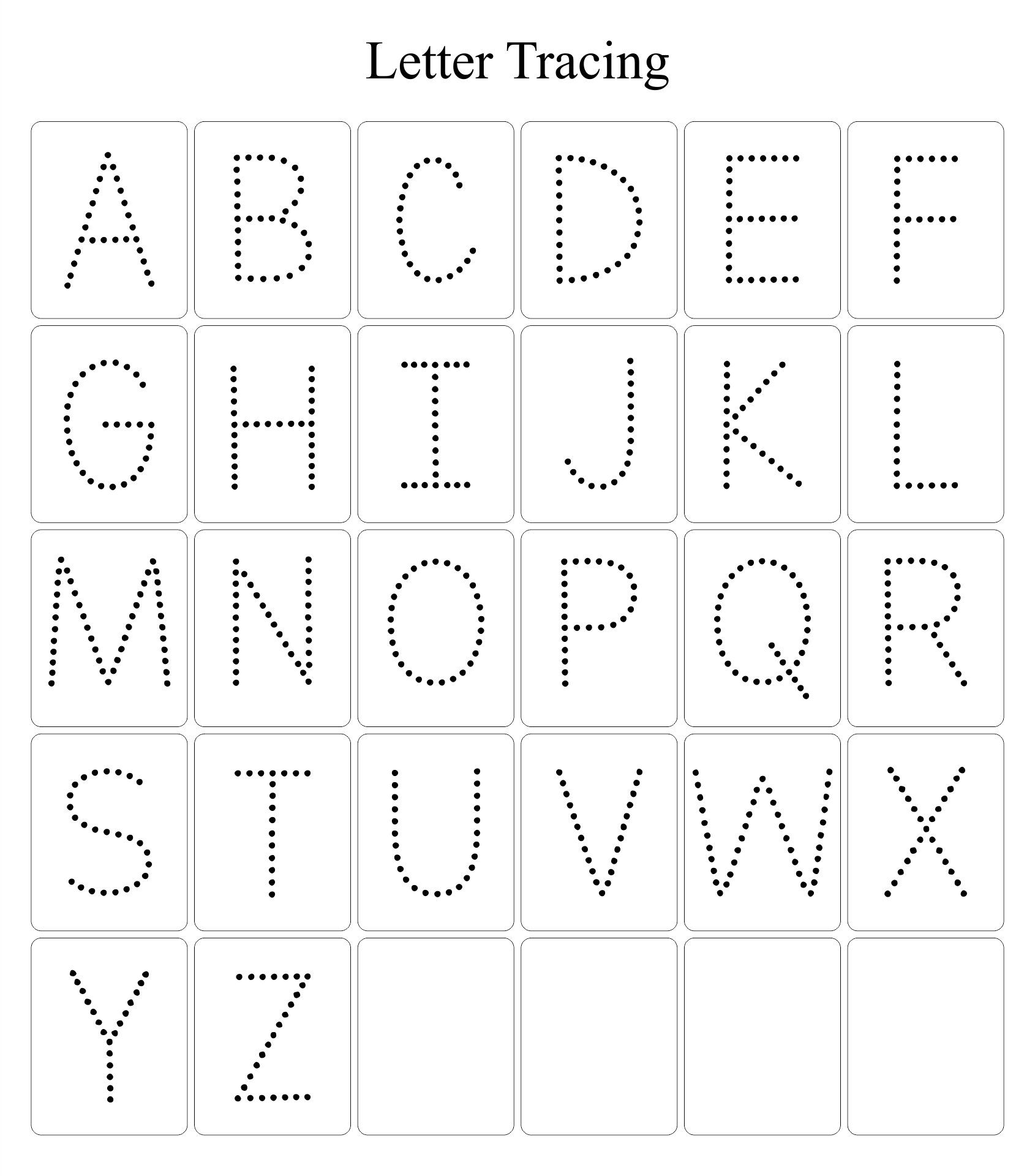
According to Reading Rockets, early letter recognition is a powerful predictor of future reading success, yet the physical act of writing those same letters demands a completely different set of neurological and muscular capabilities. Many children recognize letters long before their fine motor skills can actually form them on paper. This developmental gap often creates frustration during early writing instruction. Adults regularly observe eager learners who can easily name every letter of the alphabet, but struggle immensely when handed a pencil to replicate those shapes. That exact transition point is where targeted practice becomes essential. Utilizing structured images of letters of the alphabet tracing sheets bridges the gap between visual recognition and physical execution, giving hands the guided pathways needed to build muscle memory without overwhelming cognitive loads. It sounds simple, and that’s the point. Removing the burden of inventing a letter shape lets the brain focus entirely on pencil control, proportional spacing, and directional flow.
💡 Educational Key Takeaways:
- Core Skill: Structured Images Of Letters Of The Alphabet Tracing focused on developing pencil grip, stroke control, and early literacy/math confidence.
- Target Scope: Suited for homeschoolers, preschool, kindergarten, and elementary learners.
- Best Recommendation: Practice 10–15 minutes daily with ergonomic writing tools to reinforce muscle memory without hand fatigue.
What This Worksheet Covers
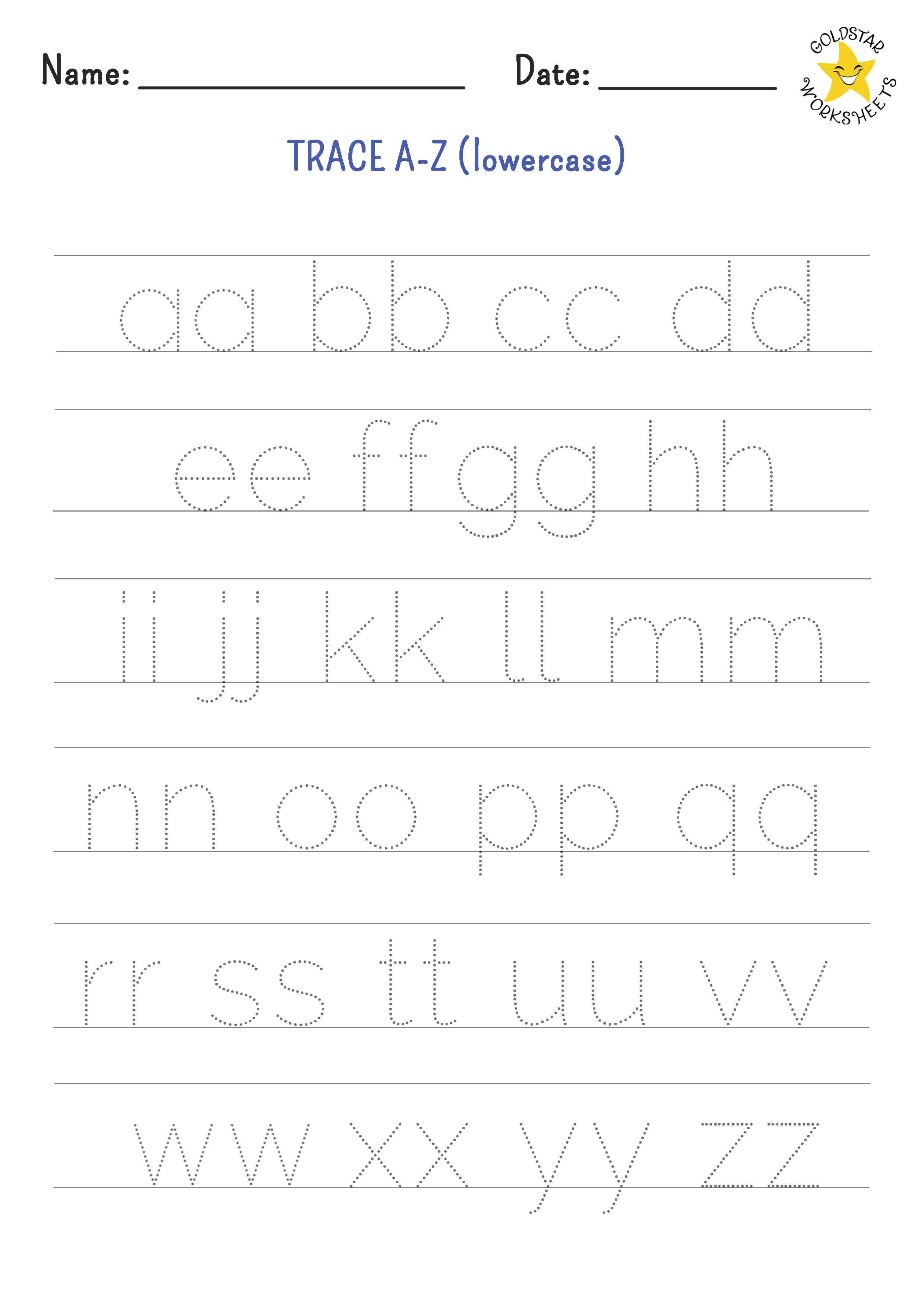
Mastering letter formation requires breaking down complex curves and straight lines into manageable, repeatable motor patterns. These printable sheets focus heavily on correct stroke order, proper start points, and consistent directionality, which prevent the formation of inefficient writing habits later on. Children often develop unconventional letter formations, such as drawing the letter ‘s’ from the bottom up, simply because visual models lacked clear directional cues. Guided dotted lines solve this by establishing an explicit visual sequence. Each letter layout provides clear visual anchors, guiding the hand from top to bottom and left to right. This foundational framework supports progression across the broader spectrum of Alphabet And Numbers Tracing, ensuring learners gain confidence with both alphabetic symbols and early numerical digits. The inclusion of directional arrows and starting dots transforms a static page into an interactive physical roadmap, teaching spatial awareness alongside letter anatomy.
Key Learning Outcomes
Working through these guided tracing pages develops several interconnected early childhood competencies simultaneously. First, children refine their visual-motor integration, learning to translate what the eye sees directly into coordinated hand movements. Second, consistent repetition builds intrinsic hand strength and endurance, specifically targeting the small intrinsic muscles of the palm and fingers required for a mature pencil grasp. Third, directional tracking reinforces left-to-right reading and writing orientation, aligning visual processing directly with literacy mechanics. Finally, letter discrimination improves naturally as young hands trace the distinct physical features that separate visually similar characters like ‘b’ and ‘d’ or ‘p’ and ‘q’, reinforcing recognition through tactile engagement.
How to Use This Worksheet
Maximizing the benefits of any tracing sheet involves more than simply placing a pencil in a child’s hand and letting them loose. Setting up an optimal physical environment makes an enormous difference in fine motor output. Ensure the writing surface matches the child’s height, allowing feet to rest flat on the floor or a supportive footrest for core stability. Slant boards can also assist immensely by naturally positioning the wrist into a functional extension, which reduces hand fatigue and improves visual tracking. Furthermore, pairing these printables with tactile exploration, such as tracing textured letters in sand or forming shapes in clay, enhances the kinesthetic imprint before the pencil ever touches the paper. For children exploring the foundational aspects of letter creation, integrating resources from Dotted Letters For Tracing can provide additional scaffolding for early learners who need extra visual support.
Practical Tips for Parents and Teachers
Observe hand positioning closely to catch early signs of a maladaptive grip before it becomes permanently ingrained muscle memory. Encourage a functional tripod grasp, but maintain flexibility if a modified grasp provides better stability and control for unique developmental profiles. Scaffold the activity by initially guiding the child’s hand gently through the first few strokes before allowing independent practice. Praise specific efforts, such as staying on the dotted path or starting at the correct top dot, rather than focusing purely on the final visual perfection of the letter. When attention spans wane or hand muscles tire, step away immediately; forcing endurance past the point of fatigue only encourages poor posture and sloppy motor habits. Keep sessions short, positive, and playful to maintain intrinsic motivation and foster a lifelong love for writing.
Age-Appropriate Expectations
According to the National Association for the Education of Young Children (NAEYC) Developmentally Appropriate Practice, children aged two to four typically engage in pre-writing strokes like horizontal lines, vertical lines, and simple circles, focusing heavily on palmar and digital pronate grasps. During this early stage, expecting precise letter formation on narrow lines is developmentally unrealistic. Instead, toddlers and young preschoolers benefit from large-scale motor movements and exploring foundational stroke control. As children transition into the five-to-eight age bracket, developmental expectations shift toward refined pencil control, proper letter proportion, and the mastery of standard lowercase and uppercase formations. At this older stage, incorporating targeted practice supports formal school readiness and meets key literacy milestones, ensuring children can communicate their thoughts efficiently on paper without physical exhaustion or frustration. For children needing to build foundational hand strength before tackling complex letters, exploring Fine Motor and Pre-Writing Skills provides essential preliminary exercises.
According to the American Occupational Therapy Association (AOTA), efficient fine motor control and mature pencil grasps are directly tied to the development of intrinsic hand strength, tactile processing, and postural stability during the early childhood years. — AOTA Practice Guidelines for Early Childhood
Frequently Asked Questions
Reviewing common questions helps educators and caregivers implement tracing activities with confidence and clarity. The answers below address formatting, developmental progression, and organizational standards.
Explore More Free Printable Tracing Worksheets
Supporting a developing writer requires a diverse toolkit of engaging, accessible practice materials that grow alongside the child. Beyond alphabet mastery, expanding into alternative motor challenges keeps practice fresh, exciting, and developmentally appropriate across all early childhood stages. Caregivers and educators can discover a vast array of supplementary resources by visiting the complete library available at KidTraces.com to support every unique stage of the learning journey.
Developmental Milestone & Activity Table
| Development Stage | Recommended Daily Duration | Primary Learning Objective |
|---|---|---|
| Preschool & Pre-K | 10 – 15 Minutes | Pencil grip development & basic pre-stroke lines |
| Kindergarten | 15 – 20 Minutes | Letter/number formation & spatial line awareness |
| Early Elementary (Grade 1–2) | 20 – 30 Minutes | Fluency, sentence construction & neatness |
Images References