Introduction
Many children recognize basic geometric shapes and attempt to draw them long before their fine motor control allows for precise geometric accuracy. According to the American Occupational Therapy Association, foundational visual-motor and manipulation skills developed through early shape tracing are essential precursors to legible handwriting and academic success. Introducing targeted shape practice early on helps build essential hand strength and visual-spatial awareness. Hexagon worksheets for toddlers provide a purposeful bridge between free scribbling and structured writing readiness. These printables transform abstract shape concepts into tangible, engaging pencil control exercises.
💡 Educational Key Takeaways:
- Core Skill: Structured Hexagon Worksheets For Toddlers focused on developing pencil grip, stroke control, and early literacy/math confidence.
- Target Scope: Suited for homeschoolers, preschool, kindergarten, and elementary learners.
- Best Recommendation: Practice 10–15 minutes daily with ergonomic writing tools to reinforce muscle memory without hand fatigue.
What This Worksheet Covers
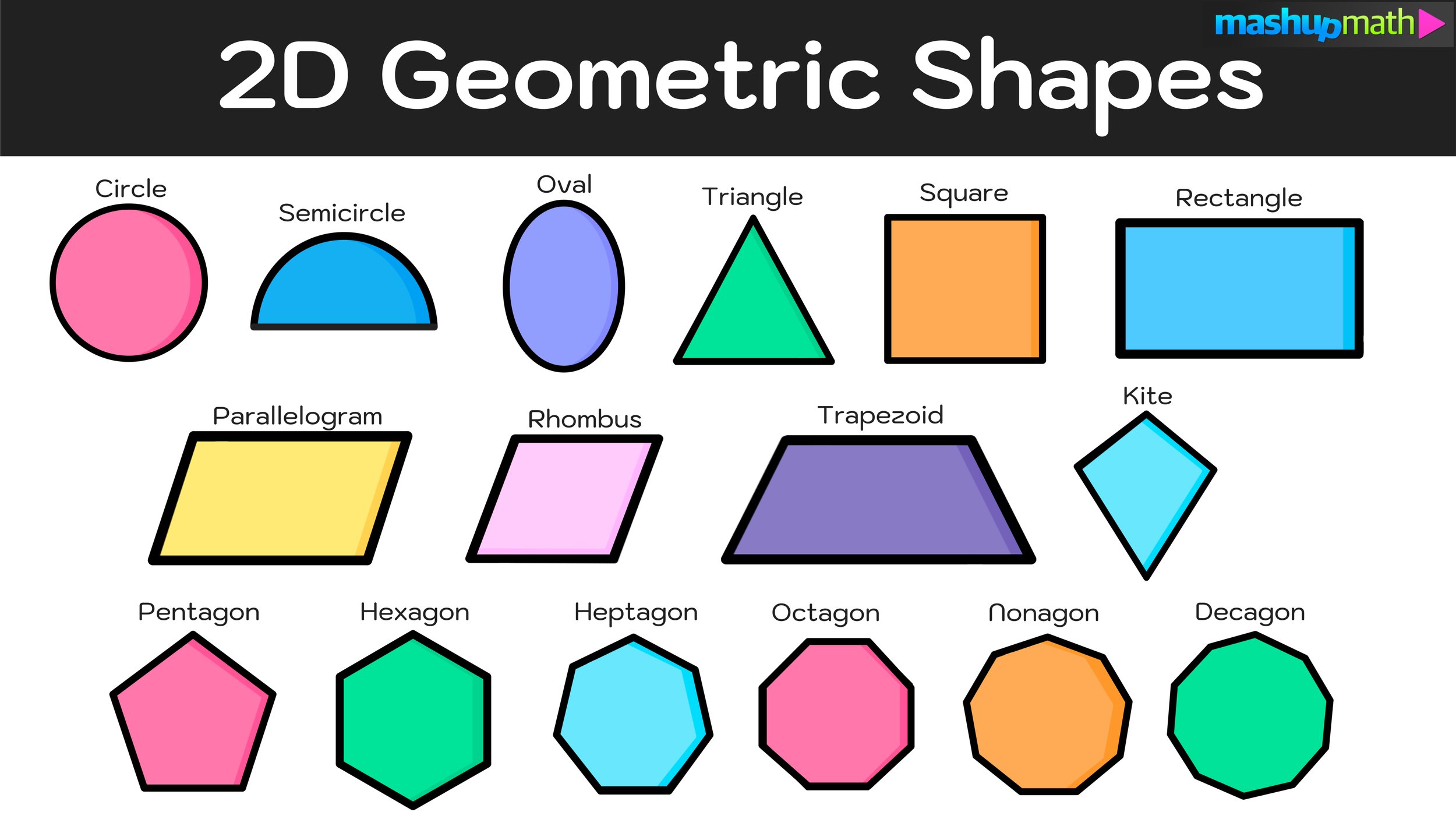
The focus centers entirely on mastering the distinct angles and straight lines required to construct a six-sided polygon. Young learners navigate directional changes, learning how to stop, pivot, and continue a line with intentional control. This geometric exploration reinforces bilateral coordination, as one hand stabilizes the paper while the dominant hand guides the writing tool along the dotted path. Furthermore, repetitive exposure to distinct corners trains the visual-motor system to anticipate trajectory shifts, a crucial cognitive skill for eventually forming letters with sharp vertices like A, K, and M. For more related activities, check out our Draw A Oval For Kids.
Key Learning Outcomes
Children engaging with these targeted exercises develop enhanced visual-motor integration, which connects what the eyes see directly to what the hand produces on the page. Learners strengthen the small intrinsic muscles of the hand, improving the stability needed for a functional dynamic tripod or quadripod pencil grasp. Spatial awareness improves significantly as children navigate the boundaries of the shape, understanding concepts like inside, outside, corners, and straight paths. Additionally, task persistence and attention span grow as children successfully complete a multi-step geometric form from start to finish.
How to Use This Worksheet
Begin by introducing the printable in a low-pressure environment where exploration matters more than rigid perfection. Encourage initial tracing using thick writing tools like broken crayons, short colored pencils, or washable markers, which naturally encourage a tighter, more functional grip than standard thin pencils. Adults can gently guide a tiny hand through the first few corners to provide tactile feedback on how to change direction cleanly. Incorporating multi-sensory elements, such as having the child trace the large outlines with a finger dipped in paint or tracing salt trays before touching the paper, deeply reinforces the motor memory required for success.
Practical Tips for Parents and Teachers
Watch closely for signs of hand fatigue, such as shaking fingers or a white-knuckle grip, and pause the activity when frustration arises. Scaffolding the experience properly means starting with oversized outlines before moving to standard sheet layouts, reducing the demand on developing visual systems. Avoid correcting every stray mark; instead, celebrate moments of successful directional control and smooth continuous lines. Provide vertical surfaces like easels or taped-up wall sheets occasionally, as this natural wrist extension naturally promotes better hand posture and core stability during fine motor tasks.
Age-Appropriate Recommendations
For toddlers aged two to four, the focus remains purely on gross motor awareness of lines and large shapes, aligning closely with the National Association for the Education of Young Children guidelines for developmentally appropriate practice. At this stage, expecting perfect closure of corners leads to unnecessary frustration, so large-format, thick-lined shapes work best. As children progress toward ages five through eight, expectations shift toward refined pencil control, precise corner execution, and independent stroke sequencing that supports formal writing development. To find more resources tailored to this developmental window, educators often explore Shape and Line Tracing collections.
According to the Centers for Disease Control and Prevention developmental milestones, children typically develop the ability to copy simple shapes like circles and lines between ages three and four, setting the neurological foundation for multi-sided polygons like hexagons shortly thereafter. — CDC
Frequently Asked Questions
Answers to common questions regarding implementation, printing, and developmental readiness provide clarity for adults guiding young learners.
According to the American Occupational Therapy Association, fine motor activities like tracing shapes help develop the hand strength and dexterity necessary for daily functional tasks such as writing, cutting, and self-care. — AOTA
Explore More Free Printable Tracing Worksheets
Expanding a child’s early writing toolkit requires a diverse variety of practice pages that keep engagement high week after week. Beyond geometric shapes, learners benefit immensely from exploring letter formations found within the Alphabet And Numbers Tracing library. For targeted practice on specific letter starts and directional flows, the Dotted Letters For Tracing pages offer invaluable guided support. To build the foundational strength required for all these writing tasks, incorporating exercises from the Fine Motor and Pre-Writing Skills section makes a tremendous difference. Discover the entire collection of developmental printables to support every stage of early childhood education by visiting KidTraces.com today.
Developmental Milestone & Activity Table
| Development Stage | Recommended Daily Duration | Primary Learning Objective |
|---|---|---|
| Preschool & Pre-K | 10 – 15 Minutes | Pencil grip development & basic pre-stroke lines |
| Kindergarten | 15 – 20 Minutes | Letter/number formation & spatial line awareness |
| Early Elementary (Grade 1–2) | 20 – 30 Minutes | Fluency, sentence construction & neatness |
Images References