Introduction
Many children recognize letters, numbers, and geometric forms long before their fine motor skills can actually form them on paper. According to the American Occupational Therapy Association, foundational fine motor control and bilateral hand coordination are essential prerequisites for functional handwriting and classroom success. Watching a young learner grip a writing utensil often reveals the hidden complexity behind making a simple mark. Hands require significant intrinsic muscle strength, postural stability, and visual-motor integration just to guide a pencil across a page. This is where targeted pre-writing practice becomes invaluable. The free printable rectangle tracing lines worksheet bridges the gap between cognitive understanding and physical execution, providing a structured yet engaging way for children to master the controlled movements needed for future academic milestones.
💡 Educational Key Takeaways:
- Core Skill: Structured Rectange Tracing Lines focused on developing pencil grip, stroke control, and early literacy/math confidence.
- Target Scope: Suited for homeschoolers, preschool, kindergarten, and elementary learners.
- Best Recommendation: Practice 10–15 minutes daily with ergonomic writing tools to reinforce muscle memory without hand fatigue.
What This Worksheet Covers
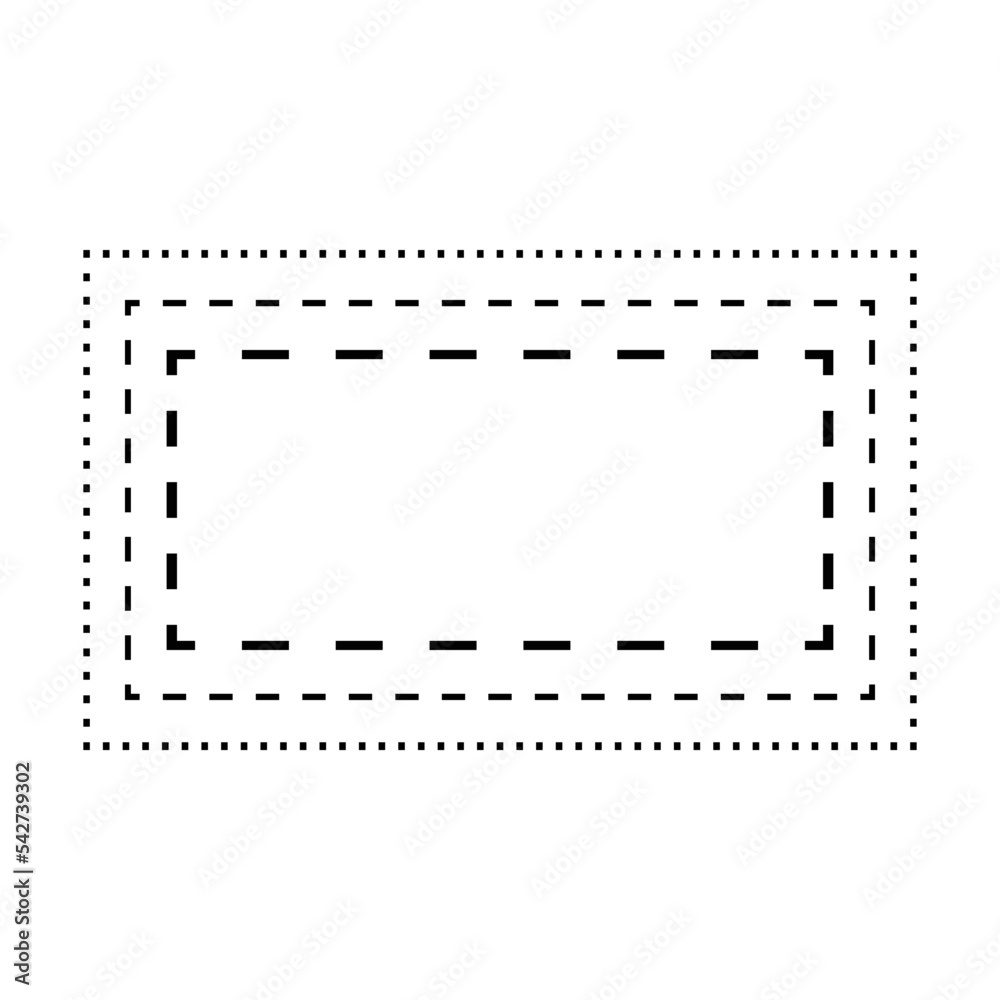
The rectangle tracing lines worksheet focuses heavily on developing pre-writing strokes, directional control, and geometric shape recognition. Children encounter specific geometric configurations that require precise pencil manipulation, including sharp ninety-degree corners, parallel horizontal tracks, and vertical descents. Mastering these specific pathways prepares the hand for the complex angular turns found in uppercase letters like E, H, and R. Beyond letters, tracing continuous geometric shapes builds foundational visual-perceptual skills. It sounds simple, and that’s the point. By isolating the wrist and finger movements required to navigate a four-sided shape, the activity systematically strengthens the small muscles in the hand without overwhelming the developing writer.
Key Learning Outcomes
Working through these structured pages yields measurable developmental benefits. Learners refine their visual-motor integration as eyes guide the hand to stay precisely on the dotted pathways. Hand strength and endurance improve naturally through sustained, purposeful pencil pressure. Furthermore, children master directional concepts such as top-to-bottom and left-to-right progression, which directly supports reading and writing fluency. Crucially, the activity instills pencil control, teaching little fingers how to slow down for sharp corners and speed up slightly on straight trajectories, building a rhythmic pacing that translates to all forms of writing found within resources like Shape and Line Tracing.
How to Use This Worksheet
Successful implementation relies on meeting the child at their exact current skill level rather than forcing rigid expectations. Start by placing the printable on a flat, stable surface at a comfortable height where the feet rest flat on the floor to support core stability. Encourage a functional tripod grasp, but remain flexible if an alternative grasp still provides adequate control and visibility. Let the child trace with an index finger first to build a sensory map of the rectangle before introducing a marker, crayon, or pencil. If pencil fatigue sets in early, slide the sheet inside a dry-erase pocket and use a dry-erase marker to reduce friction and allow for playful, low-stress practice.
Practical Tips for Parents and Teachers
Here’s what makes this worksheet different: it emphasizes process over perfection. Adults should actively model correct starting points, explicitly stating verbal cues like “start at the dot, go across, and stop at the corner.” Scaffolding the activity is simple when breaking a single page into smaller, manageable chunks rather than demanding the completion of an entire sheet at once. To extend the learning, ask children to identify everyday rectangular objects in the room after finishing the page. Pairing these exercises with broader motor activities found in Fine Motor and Pre-Writing Skills ensures the hands stay strong, flexible, and ready for more advanced academic tasks.
Age-Appropriate Recommendations
Developmental readiness dictates how children interact with these materials. According to the National Association for the Education of Young Children guidelines on developmentally appropriate practice, children aged two to four benefit most from large, gross-motor arm movements, thick writing utensils, and simple horizontal or vertical line tracing. For this younger cohort, printing the sheets at a larger scale or using finger paints yields the best engagement. By ages five to eight, children fall squarely within the scope of Handwriting Without Tears developmental progressions, where refined pencil control, proper letter formation, and precise geometric shapes like rectangles become an expectation for daily classroom writing, handwriting fluency, and overall academic confidence.
Foundational fine motor control and bilateral hand coordination are essential prerequisites for functional handwriting and classroom success. — American Occupational Therapy Association
Frequently Asked Questions
Printing and utilizing these resources effectively is straightforward. The answers below address the most common inquiries from educators and caregivers regarding setup, developmental value, and developmental milestones.
Young children master vertical and horizontal lines years before achieving the motor control required for intersecting diagonal strokes and complex loops. — Centers for Disease Control and Prevention
Explore More Free Printable Tracing Worksheets
Supporting a young writer involves offering a wide variety of engaging, developmentally appropriate practice materials tailored to every stage of growth. Beyond geometric shapes, learners often thrive when exploring letter formation, numerical sequences, and thematic challenges that keep motivation high. Caregivers and educators can browse the entire collection of resources to find targeted practice sheets by visiting the main library at KidTraces.com. Additional foundational categories, such as Tracing Worksheets, offer limitless opportunities to build pencil control, confidence, and early literacy skills one stroke at a time.
Developmental Milestone & Activity Table
| Development Stage | Recommended Daily Duration | Primary Learning Objective |
|---|---|---|
| Preschool & Pre-K | 10 – 15 Minutes | Pencil grip development & basic pre-stroke lines |
| Kindergarten | 15 – 20 Minutes | Letter/number formation & spatial line awareness |
| Early Elementary (Grade 1–2) | 20 – 30 Minutes | Fluency, sentence construction & neatness |
Images References