Introduction
Many children recognize letters, shapes, and numbers long before their fine motor coordination and hand strength catch up to form them on paper. According to the American Occupational Therapy Association, foundational hand skills and controlled pre-writing strokes are essential prerequisites for successful academic performance and functional handwriting. Bridging that gap between cognitive recognition and physical output requires targeted practice that builds muscle memory without causing frustration. The free printable back tracing strokes letter formation resource provides an ingenious bridge for developing writers. It introduces young learners to the foundational movements behind every alphabet character through structured, repeatable tracing paths. Exploring foundational stroke mechanics early on prevents the formation of awkward pencil grips and bad habits that can take years to correct in a classroom setting.
💡 Educational Key Takeaways:
- Core Skill: Structured Back Tracing Strokes Letter Formation focused on developing pencil grip, stroke control, and early literacy/math confidence.
- Target Scope: Suited for homeschoolers, preschool, kindergarten, and elementary learners.
- Best Recommendation: Practice 10–15 minutes daily with ergonomic writing tools to reinforce muscle memory without hand fatigue.
What This Worksheet Covers
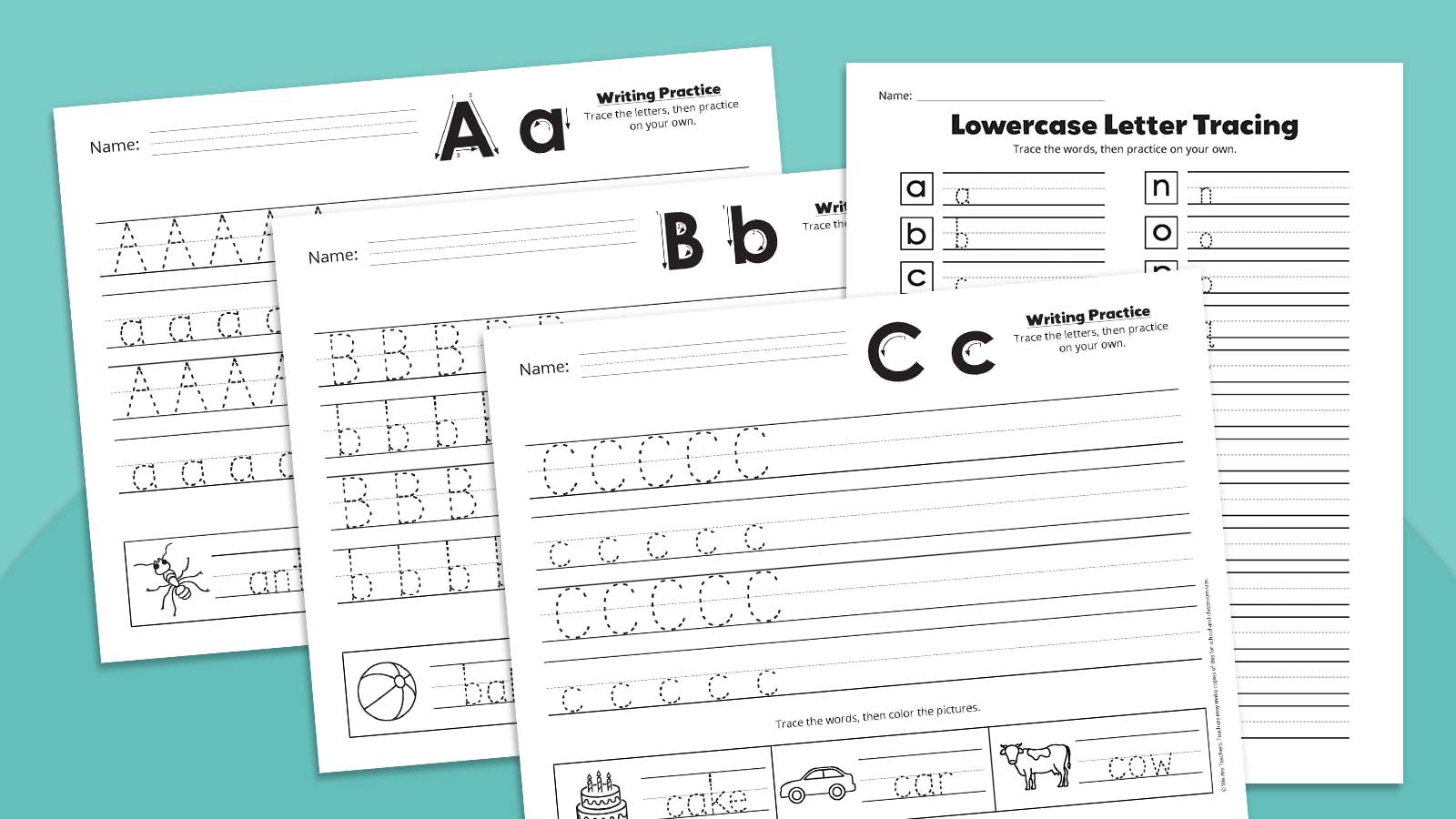
Mastering the written alphabet begins long before children ever pick up a traditional pencil to write their names. This specialized page focuses heavily on the directional flow, starting points, and continuous curves that make up uppercase and lowercase letters. Traditional alphabet sheets often throw too much information at a child simultaneously, combining complex shapes with overwhelming visual clutter. By isolating the underlying architecture of each character through backwards tracing sequences, learners discover how vertical lines, horizontal paths, and slanted diagonals combine. Children often look at a finished letter and see a single picture rather than a sequence of distinct strokes. Deconstructing those visual symbols into manageable motor plans transforms an intimidating academic task into an approachable sequence of lines and curves. Educators building a comprehensive pre-writing curriculum frequently pair these foundational sheets with dedicated exercises found within Alphabet And Numbers Tracing collections to reinforce proper letter retention alongside muscle development.
Key Learning Outcomes
Working through these guided tracing paths actively refines visual-motor integration as tiny hands learn to coordinate what the eyes perceive with what the fingers execute. Children steadily build intrinsic hand strength and fine motor control, particularly within the small muscles of the thumb, index, and middle fingers that dictate a mature grasp. Spatial awareness improves naturally as learners navigate starting dots, directional arrows, and stopping points within well-defined visual boundaries. Muscle memory develops through continuous repetition of standard stroke patterns, laying down the neural pathways necessary for eventual automatic handwriting. Finally, self-regulation and focus blossom as children complete structured tasks from top to bottom and left to right, matching developmental expectations outlined in early childhood milestones.
How to Use This Worksheet
Successful implementation relies heavily on creating a low-stress environment where experimentation and gradual progress are celebrated over rigid perfection. Placing the printable sheet on a flat, stable surface ensures the paper does not slide away while the dominant hand attempts delicate, controlled movements. Encouraging children to use multimodal approaches—such as tracing the directional lines with a finger before introducing a writing utensil—solidifies the motor plan in the brain’s sensory cortex. Many educators find success by slipping the printable inside a heavy-duty clear sleeve and using dry-erase markers, allowing children to practice the exact same stroke sequences repeatedly without the fear of making a permanent mistake. For expanded practice with directional guides and visual anchors, adults often explore the resources housed in Dotted Letters For Tracing.
Practical Tips for Parents and Teachers
Adults play a vital role in shaping early writing habits by actively modeling a functional tripod or quadrupod pencil grasp during shared table time. Scaffolding the activity means starting with physical hand-over-hand assistance for the youngest learners, then gently fading support to light wrist guiding, and eventually stepping back to verbal encouragement alone. Extending the learning beyond the paper can involve drawing large strokes in shaving cream, salt trays, or outdoor sandboxes to engage larger muscle groups in the shoulders and elbows. Observing closely for signs of hand fatigue, such as shaking fingers or a white-knuckled grip, serves as an immediate cue to pause the activity and incorporate heavy work games or finger plays to restore proper tone.
Age-Appropriate Recommendations
According to the National Association for the Education of Young Children guidelines for developmentally appropriate practice, learning experiences for young children must align closely with their current physical, cognitive, and emotional capabilities. For toddlers and preschoolers aged two to four, the focus should remain squarely on gross motor lines, horizontal and vertical strokes, and playful pre-writing patterns found within Shape and Line Tracing galleries. Children in the five-to-eight age bracket are typically ready to transition toward formal letter formation, directional control, and maintaining consistent sizing between standard writing lines. Respecting these developmental windows prevents undue strain on delicate hand joints while fostering genuine enthusiasm for written expression.
Young children frequently recognize letters months before their intrinsic hand muscles and fine motor coordination have matured enough to form those same characters consistently on paper. — Pediatric Occupational Therapy Observation
Frequently Asked Questions
Navigating early childhood writing instruction raises many common questions for dedicated parents and educators striving to support optimal student development. Clear, direct answers help ensure practice sessions remain productive, engaging, and aligned with sound pediatric therapy principles. Utilizing standardized resources simplifies the preparation process, allowing adults to focus entirely on guiding the child’s hands and building confidence.
Structured pre-writing stroke practice significantly improves visual-motor integration and pencil control in early elementary students. — American Occupational Therapy Association
Explore More Free Printable Tracing Worksheets
Supporting a developing writer involves introducing a wide variety of engaging visual stimuli, playful themes, and progressive skill builders over time. Exploring diverse categories helps prevent boredom while targeting specific developmental domains like hand strength, spatial planning, and letter sequencing. A comprehensive collection of resources tailored to every stage of early childhood development is always available to explore anytime across the complete library at KidTraces.com. Additional practice materials focusing on foundational hand movements can also be discovered within the Fine Motor and Pre-Writing Skills section.
Developmental Milestone & Activity Table
| Development Stage | Recommended Daily Duration | Primary Learning Objective |
|---|---|---|
| Preschool & Pre-K | 10 – 15 Minutes | Pencil grip development & basic pre-stroke lines |
| Kindergarten | 15 – 20 Minutes | Letter/number formation & spatial line awareness |
| Early Elementary (Grade 1–2) | 20 – 30 Minutes | Fluency, sentence construction & neatness |
Images References