Introduction
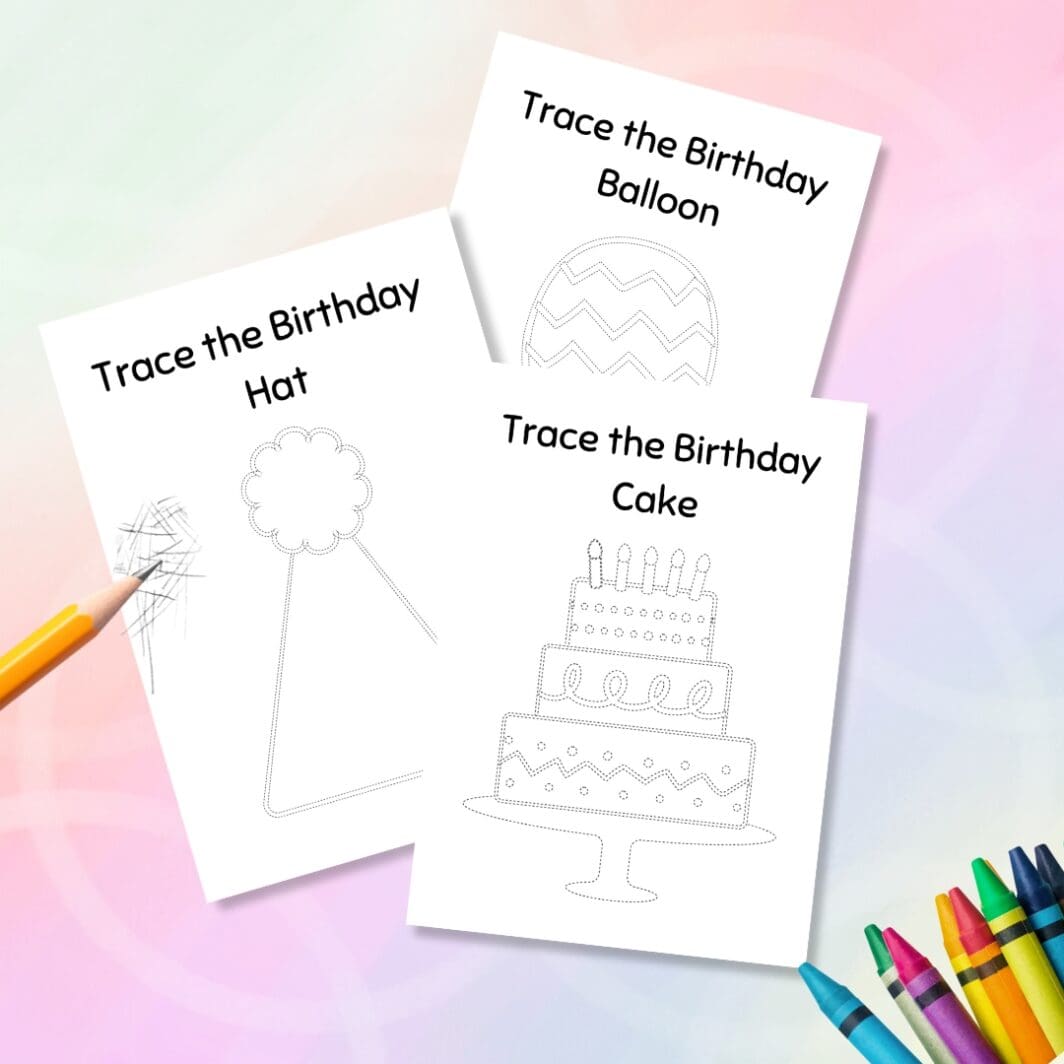
Young children often recognize letters and symbols long before their fine motor control allows them to form those shapes independently. According to Reading Rockets, children develop foundational pre-writing skills and letter knowledge progressively through meaningful, print-rich experiences rather than rote drilling. This developmental gap can create frustration when early learners are handed blank paper and asked to write from memory. Providing structured, contextual tracing practice bridges that gap wonderfully. The free printable happy birthday tracing for your friend offers a joyful entry point into early writing by connecting letter formation with a social, celebratory purpose children naturally understand. Integrating purposeful themes transforms a routine writing exercise into a meaningful act of communication, boosting engagement and reducing hand fatigue.
💡 Educational Key Takeaways:
- Core Skill: Structured Happy Birthday Tracing For Your Friend focused on developing pencil grip, stroke control, and early literacy/math confidence.
- Target Scope: Suited for homeschoolers, preschool, kindergarten, and elementary learners.
- Best Recommendation: Practice 10–15 minutes daily with ergonomic writing tools to reinforce muscle memory without hand fatigue.
What This Worksheet Covers
This resource focuses on functional word sequencing, spatial awareness, and fine motor endurance. Children encounter words in a familiar greeting phrase, allowing them to practice letter-to-letter transitions and appropriate spacing without the cognitive overload of composing a sentence from scratch. Tracing purposeful phrases strengthens the neural pathways responsible for visual-motor integration. Furthermore, exploring various Seasonal and Fun Themes keeps motivation high during skill acquisition.
Key Learning Outcomes
Learners will strengthen their pincer grasp stability and hand-eye coordination as they follow the dotted paths of the letters. The layout supports visual tracking from left to right, reinforcing essential pre-reading habits alongside motor control. Children also gain confidence in handling writing utensils smoothly, transitioning from rigid finger movements to fluid wrist and hand positioning. By completing the greeting, young writers practice letter sequencing, word boundaries, and emotional expression through written words.
How to Use This Worksheet
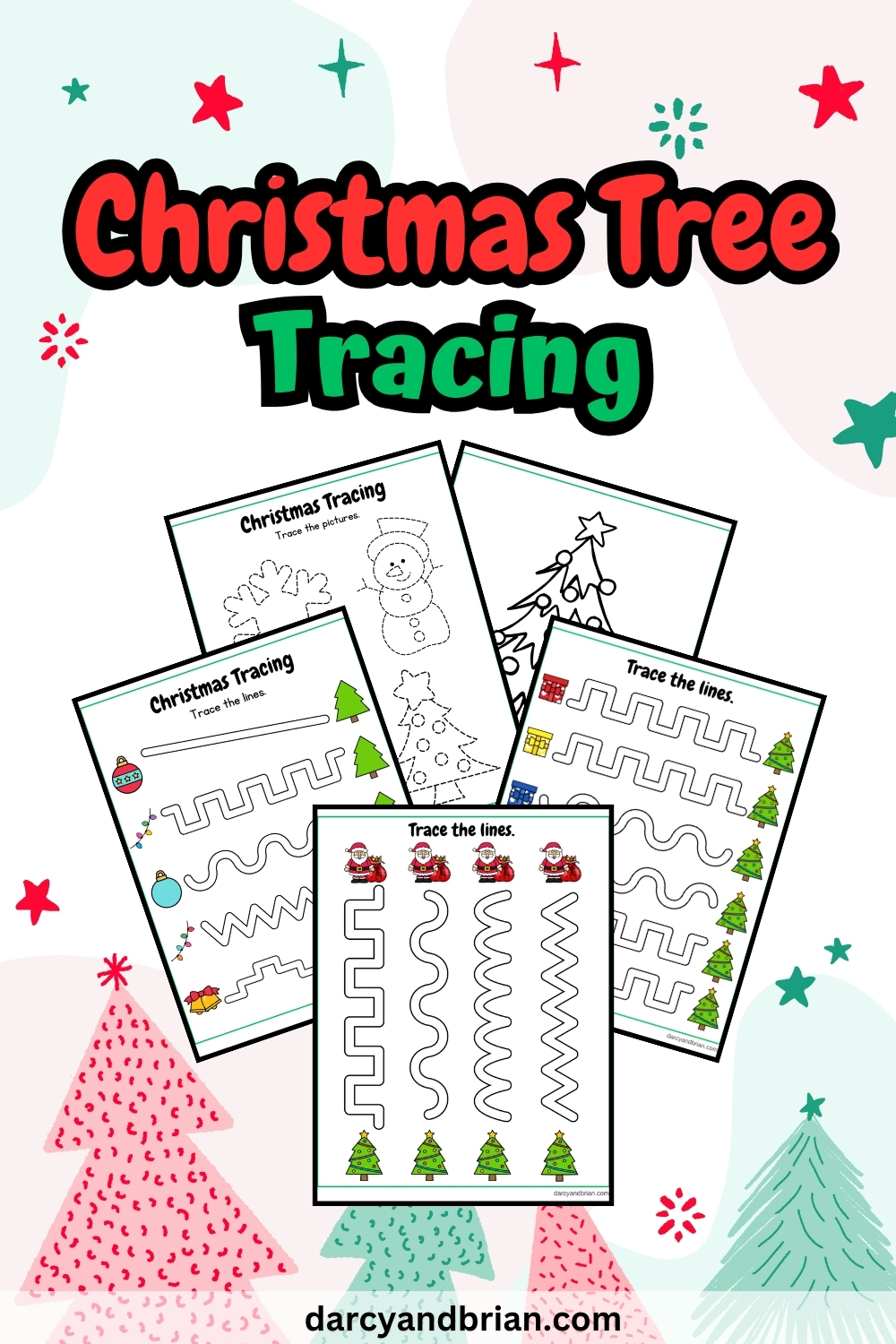
Begin by discussing the purpose of the activity, asking the child whose birthday they might celebrate soon to establish a real-world connection. Invite the child to trace the letters slowly using a thick crayon or a short pencil, which naturally encourages an efficient tripod or quadripod grip. It sounds simple, and that’s the point: keeping the writing instrument short prevents fingers from climbing too high up the shaft. For children needing extra sensory feedback, sliding the sheet inside a dry-erase sleeve or placing it over a textured surface adds tactile engagement. Additional stroke control practice is readily available within the Fine Motor and Pre-Writing Skills collection.
Practical Tips for Parents and Teachers
Adults should model correct starting points and directionality before handing the pencil over to the learner. Scaffolding the activity by lightly hand-over-hand guiding the first stroke helps children feel the correct pressure and flow required for neat writing. Extending the activity might involve letting the child decorate the card border or draw a small picture next to the finished tracing. According to the National Association for the Education of Young Children, young children learn best when academic concepts are embedded in authentic social interactions. Rotating through varied exercises found in Word and Name Tracing ensures continuous development without burnout.
Age-Appropriate Recommendations
For toddlers and preschoolers aged two to four, align with the CDC milestones for developmental growth by focusing primarily on vertical and horizontal strokes, hand dominance exploration, and thick writing tools that require less finger strength. For children aged five to eight, the focus shifts toward precise letter formation, consistent sizing, and spacing as outlined in the Common Common Core standards for writing readiness (CCSS.ELA-LITERACY.L.K.1.A). Younger children benefit from larger lines and shorter phrases, while older kindergarten and first-grade students can refine their pencil pressure and letter alignment on more complex layouts.
Meaningful literacy experiences and targeted fine motor practice significantly improve early handwriting legibility and spatial awareness in young children. — Reading Rockets
Frequently Asked Questions
Clear answers regarding printing, skill progression, and developmental milestones help educators and families maximize the benefits of tracing practice.
Explore More Free Printable Tracing Worksheets
Supporting early learners requires a diverse toolkit of engaging, developmentally appropriate resources that grow alongside the child. Educators, parents, and therapists can discover an expansive selection of practice pages designed to build confidence, control, and joy in writing. Explore the complete library of resources available to support every stage of development at KidTraces.com.
Developmental Milestone & Activity Table
| Development Stage | Recommended Daily Duration | Primary Learning Objective |
|---|---|---|
| Preschool & Pre-K | 10 – 15 Minutes | Pencil grip development & basic pre-stroke lines |
| Kindergarten | 15 – 20 Minutes | Letter/number formation & spatial line awareness |
| Early Elementary (Grade 1–2) | 20 – 30 Minutes | Fluency, sentence construction & neatness |
Images References